Study Design:
Physical, chemical and microbiota barriers as preventative mechanisms of pathogenic infection in animals and plants
Glossary:
Blood–brain barrier
Innate response
Saponin
Defensins
Normal flora
First line of defence
Pathogenic bacteria
 ENGAGE
Plants contend with pathogens
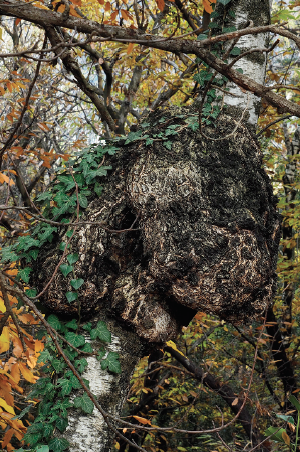
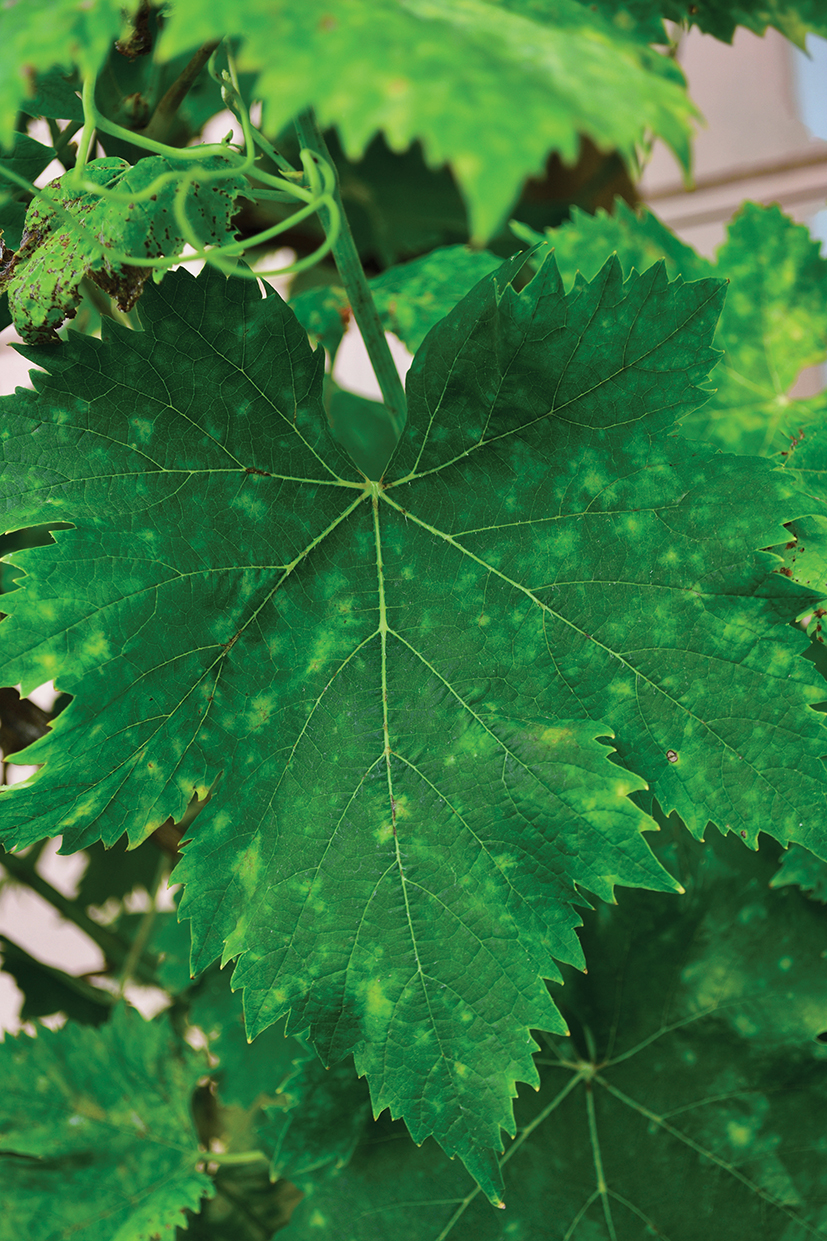
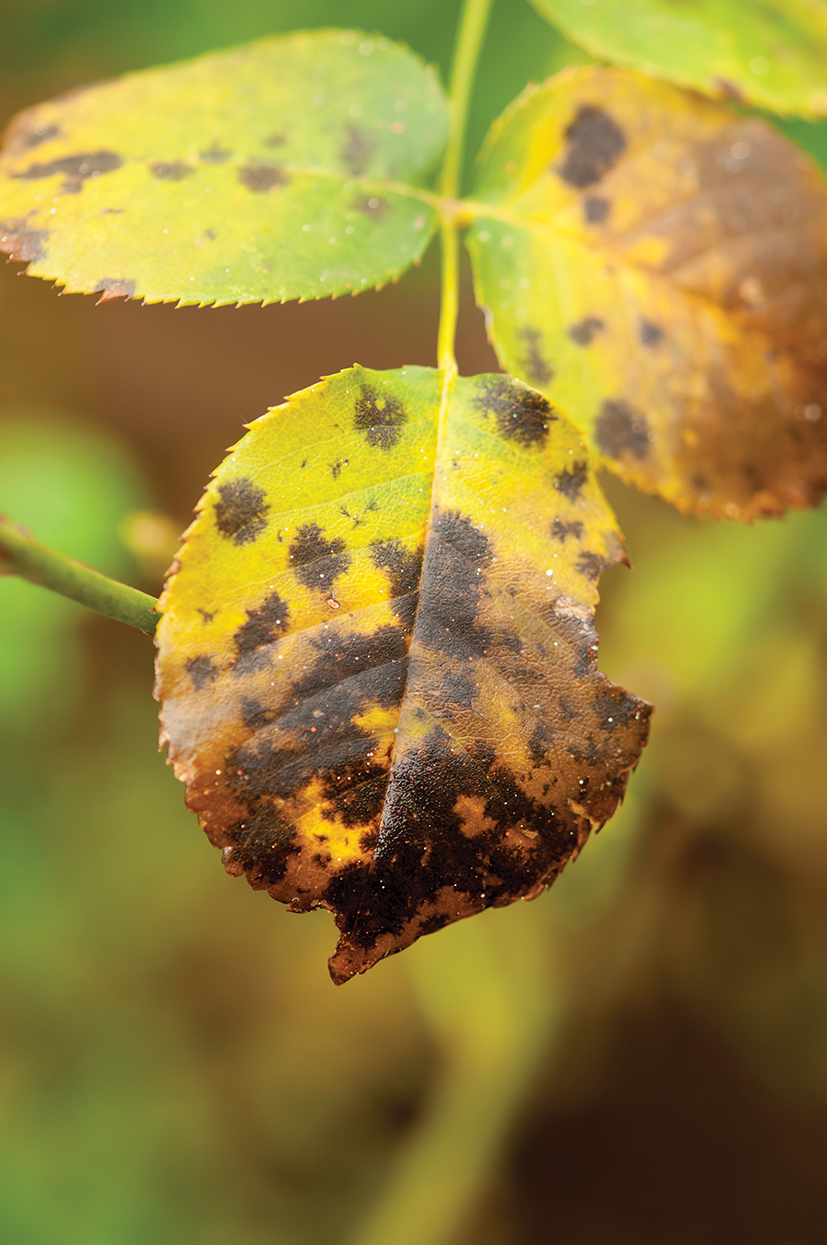
Plants, just like animals, come under attack from pathogens. As a result, plants have mainly physical and chemical barriers, and microbiotic barriers to a limited extent, to help protect them (these are explored in the Explain section). These barriers are vital for a plant’s survival, as plants lack the cellular defence mechanisms that animals have in their second and third lines of defence. Therefore, each plant cell effectively has to defend itself. An example of a bacterial infection that affects plants is crown gall disease (Figure 7A–1). Crown gall is caused by the bacterium Agrobacterium tumefaciens, which enters via damaged roots or stems and causes growths known as galls. The galls prevent the plant from transporting water and nutrients, which causes the plant to become weak and stunted. An example of a viral infection in plants is tobacco mosaic virus (Figure 7A–2), which causes a distinct ‘mosaic’ pattern of discolouration on the leaves. This affects the chlorophyll content of the leaves and reduces the amount of photosynthesis that is able to occur, resulting in stunted growth. An example of a fungal infection in plants is rose black spot (Figure 7A–3). You may have seen rose black spot in gardens, where the rose leaves appear yellow with black spots on them. The infected leaves drop early, resulting in less photosynthesis, which causes stunted growth.
Link
5A PHOTOSYNTHESIS
Figure 7A–1
Crown gall disease caused by a bacterial infection
×

1 / 3
 EXPLAIN
Immunity structure

Figure 7A–4 Three babushka dolls representing the three lines of defence: two innate responses and the adaptive response
The immune system has three levels of defence against pathogens. You can think of the immune system as being like a series of three babushka dolls. The outer doll is the first line of defence and the first of two innate responses. The second line of defence, represented by the middle babushka doll, is the second innate response (covered in Section 7B) and the smallest babushka doll is the third line of defence, known as the adaptive response (covered in Section 7D).
Link
7B SECOND LINE OF DEFENCE
Link
7D THIRD LINE OF DEFENCE
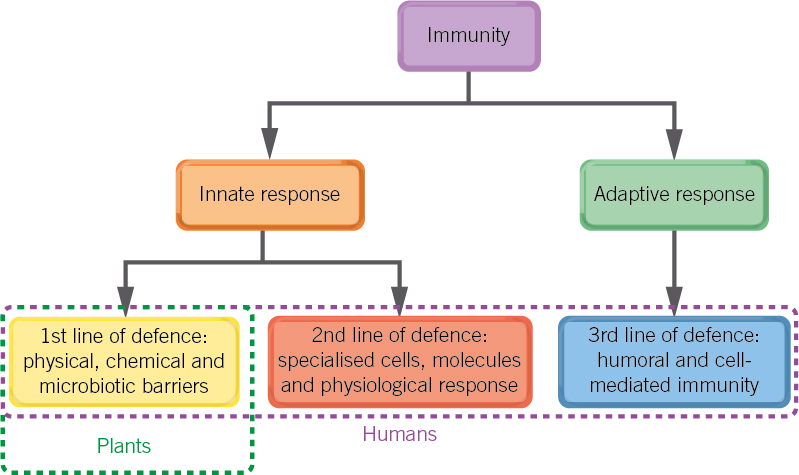
Figure 7A–5 Overview of immunity in humans and plants
A key feature of the innate response is that there is no memory of the pathogen. This means that the first and second lines of defence do not respond any faster on reinfection by the same pathogen. The adaptive response does have memory of a pathogen and results in a larger and faster response.
Keeping the pathogens out: barriers
The first line of defence is the barrier defence. It is part of the innate response, as the barriers aim to keep all pathogens out, no matter what they are. There are three types of barriers: physical, chemical and microbiota. Table 7A–1 lists examples of barriers and Figure 7A–6 demonstrates them in the context of a human.
Table 7A–1 Barriers of plants and animals
Physical | Chemical | Microbiota | |
|---|---|---|---|
Animals |
|
|
|
Plants |
|
|
|
PowerPoint Figure 7A–6 (Download)
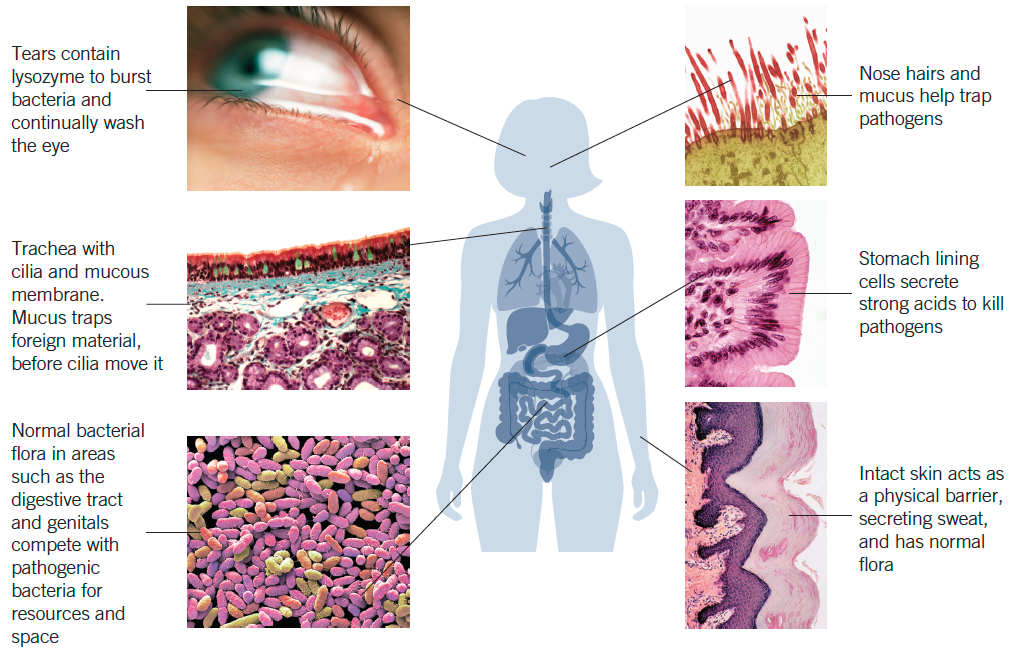
Figure 7A–6 Some of the physical, chemical and microbiota barriers in a human body, to prevent a pathogen from entering
The general role of a physical barrier is to prevent a pathogen from entering the organism, while the chemical barrier reduces the pathogen’s ability to grow. The microbiota barrier competes with the pathogen for resources and space, preventing the pathogen from growing and reproducing.
It is important to be able to distinguish between the three types of barrier, identify examples and explain how each helps prevent a pathogen from entering the internal environment. Note that elements of the first line of defence have both physical and chemical features. For example, intact skin is a physical barrier and it contains cells that help to produce the chemical barrier of sweat. An important adaptation in both animals and plants is to repair or replace the physical barrier when the organism suffers a penetrating injury, especially if blood (in animals) or phloem/xylem fluid (in plants) is being lost, both to prevent water and solute lost and also to prevent pathogens entering via the wound. In vertebrates this is done by blood clotting, which plugs the leak and allows new skin to grow. This is a complex process that interacts with the immune system. In plants, phloem sap may also coagulate to plug the wound, while new epithelial cells grow beneath it.
Barriers in animals
Physical and chemical
One of the main barriers for an animal is skin. To be effective as a barrier, preventing pathogens from entering the internal environment, skin must be intact. A breach in the skin is a site for pathogens to enter the body, where the second line of defence is activated (covered in Section 7B).
Link
7B SECOND LINE OF DEFENCE
As well as being a physical barrier, the skin also has chemical barriers such as secretions that lower the pH to help prevent bacteria from growing. Skin also secretes sweat containing salt, which inhibits bacteria.
Tears are another example of a chemical barrier, as they help to wash or flood bacteria out of the eye, as well as containing lysozyme, which causes the bacteria to lyse (rupture). Lungs have surfactants (lipid-protein complexes) on their moist internal surfaces in contact with air to prevent the alveoli (tiny air sacs) collapsing under the surface tension of water. A protein component of surfactants also binds to pathogens, marking them for macrophages to engulf them.
The lining of the air-conducting part of the respiratory system, including the nasal cavity, trachea, bronchi and bronchioles, has mucus-secreting cells, along with cilia. If a pathogen enters the airways, the mucus acts as a physical barrier, as it aids in trapping the pathogen, while the cilia (also a physical barrier) assist in directing the mucus with the trapped pathogens towards the mouth to be swallowed. Swallowing the mucus sends the pathogen into the highly acidic environment of the stomach.
Neurons in the brains of vertebrates are highly vulnerable to pathogens and toxins, and a so-called blood–brain barrier has evolved to prevent pathogens getting out of the blood capillaries into the extracellular fluid that bathes the neurons. The barrier is formed by specialised epithelial cells that are highly selective, allowing only beneficial molecules through.
Microbiota
Non-pathogenic bacteria that live in the body are known as normal flora, and form a microbiological barrier against pathogens. Normal flora live in many locations in the body, including the skin, digestive tract, mouth, nose and vagina. The presence of normal flora helps prevent pathogenic bacteria from being able to grow, as they compete with the pathogen for resources and space.
7A Check-in questions – Set 1
+Check-in questions – Set 1

Barriers in plants
Physical
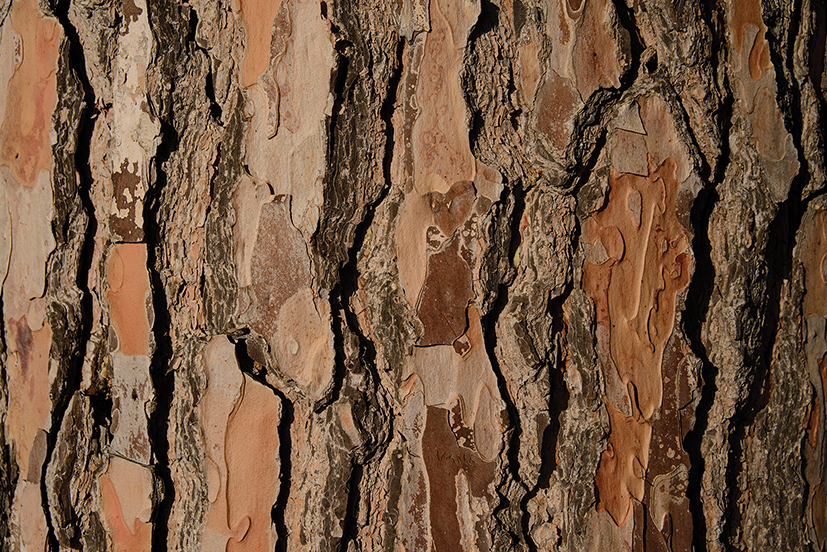
Figure 7A–7 The bark of a tree is a physical barrier to pathogens.
The main physical barrier for plants is a thickened cell wall. This acts as a thick barrier that is hard for pathogens to penetrate. The thicker the cell wall, the more effective it is at preventing pathogens from entering the plant. Covering the surface of the leaf is a waxy cuticle, which helps prevent water from pooling (collecting) on the surface of the leaf and ensures that the water runs off, reducing opportunities for any water-based pathogen to enter the leaf. It also prevents pathogens from coming into direct contact with epidermal cells.
The biggest weak point for a plant is its open stomata. These openings, which are essential for gas exchange by the plant during photosynthesis, can be closed to help prevent pathogens from entering.
Link
5A PHOTOSYNTHESIS
Some plants have thick bark, which acts as a thick physical barrier preventing the entry of pathogens. The bark in some plants also drops from the plant and in doing so can take the pathogen with it.
Chemical
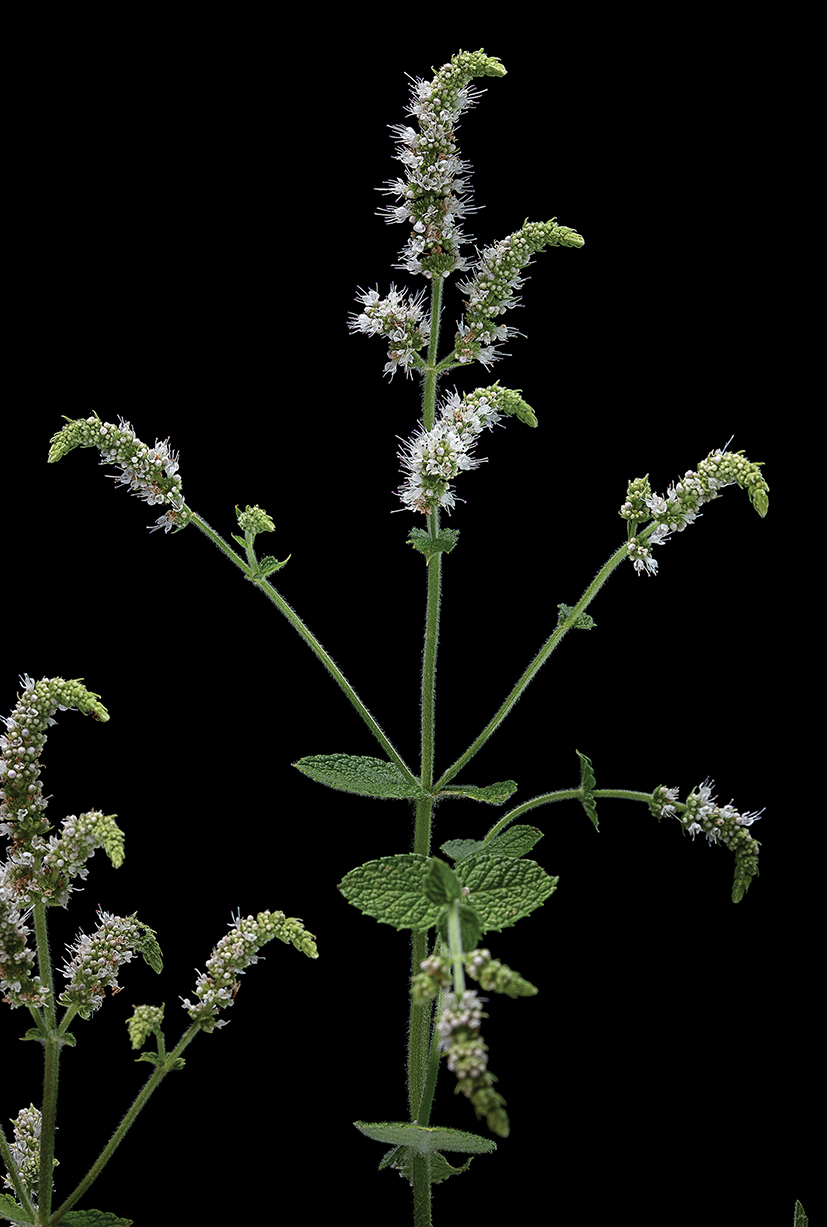
Figure 7A–8 Mint produces a chemical defence in the form of antibacterial chemicals.
Plant chemical barriers include enzymes that disrupt the cell walls of fungi or bacteria, preventing them from functioning normally. Plants can also produce antibacterial compounds to inhibit bacterial growth, and we use some of these to make antiseptics. More specific examples are given in Table 7A–1.
Microbiota
Non-pathogenic bacteria that live in and around the roots of plants have a similar role to those that live in and on the body of humans. They form a microbiological barrier against pathogens. Similarly, they help prevent pathogens from growing, as they compete with the pathogens for resources and space.
The key thing to note is that plants have the first line of defence, but lack any further immune system responses like those of animals.
7A Check-in questions – Set 2
+Check-in questions – Set 2
+7A SKILLS
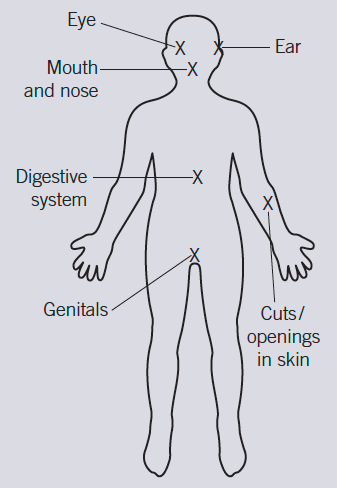
Play Video
Video 7A–1 Skills: remembering how to identify the first line of defence
It is recommended that you complete the Section questions before proceeding to the next section.