Perform Quality Control
Quality control (QC) for laboratory equipment ensures that diagnostic tests and procedures are accurate, reliable, and consistent. QC helps prevent errors, maintain equipment performance, and ensure patient safety. If quality controls are not done or are inaccurate, this can lead to invalid or inaccurate test results. Inaccurate test results may require extra testing and delay in diagnosis and treatment, which can cause both mental and physical distress to the patient.
Quality Control
Laboratory Equipment
Quality control ensures accuracy and reliability of results, which is essential in the laboratory, especially in the equipment used to perform the testing. Organizations such as the CLSI and the CDC set guidelines for quality control procedures. The guidelines ensure that both equipment and procedures align with standards, protect patient outcomes, and maintain the accuracy of laboratory results. QC done on laboratory equipment includes regular calibration, maintenance, and performance verification. Each facility will have guidelines on how frequently quality controls must be done for the equipment and testing supplies. Each time quality controls are run on the equipment and testing materials, the phlebotomist performing the quality controls will need to document the outcome and any action taken to fix or correct inaccurate results on the quality control. The QC logs can indicate to agencies such as TJC and the CLSI that QCs are being done and can indicate when routine maintenance and calibration are occurring. These logs also allow other employees in the laboratory to check that QCs have been done. The Clinical Laboratory Improvement Advisory Committee (CLIAC) was formed to assist in administering regulations and advise if revisions are needed in the current standards.
Quality Control Versus Quality Assurance
Quality control and quality assurance (QA), which are often used interchangeably, are not the same. QA is a process designed to prevent future problems by analyzing past and present performance. QC is a factor in QA and is used to ensure the accuracy of results before they are finalized and released to the provider and patient.
Professionalism Tip
Attention to detail for a phlebotomy technician involves ensuring that every facet of their work, from blood collection to recordkeeping, is precise and free from mistakes. For instance, a phlebotomy technician might observe a minor inconsistency when running quality controls, prompting them to confirm the details and correct the error to avert any potential issues with inaccurate results.
Point-of-Care Testing
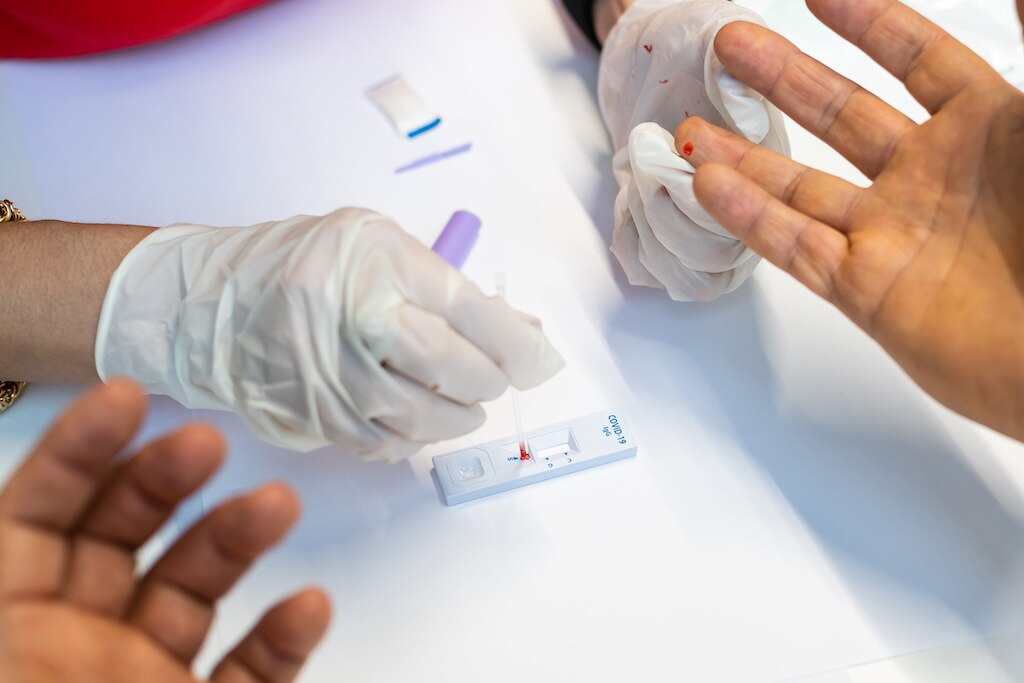
Point-of-care testing (POCT) is when labs are performed at the location where the patient is at, such as at the bedside. This is often done using portable devices such as a glucometer to check a patient’s blood sugar (glucose levels). This allows for convenience for the patient and quick results for the patient’s care team. There must be protocols in place to ensure the POCT is done correctly and that the results are the same as they would be if the test were performed in the laboratory. POCT requires QCs to be performed to ensure that this is the case. Follow the manufacturer’s directions for how to complete QCs on POCT devices. Manufacturers of POCT devices have begun adding internal quality controls to their devices as another measure of ensuring accuracy.
POCT
CLIA-Waived Tests
Three testing categories are designated based on their complexity: waived, moderate, and high complexity. These categories come from the Clinical Laboratory Improvement Amendments of 1988 (CLIA ’88). All laboratories that are subject to the regulations of CLIA ’88 are required to obtain a certificate according to the complexity of the labs performed at their facility. The complexity of testing is based on the difficulty involved in performing each specific test and the degree of harm that can be caused to a person or patient if the test is not performed correctly. The higher the risk or degree of harm, the higher the complexity of the test is. CLIA-waived tests have the lowest complexity. These tests are simple and have a low risk of harming a patient should the results be inaccurate. Laboratories that perform CLIA-waived tests require a Certificate of Waiver. The most common CLIA-waived test the phlebotomist performs is a blood glucose level. This can be done using a portable glucometer. The QC testing on a glucometer is performed using two of the liquid controls provided by the manufacturer. The results from the liquid controls are then compared against the target ranges provided by the manufacturer. After QCs are performed, they must be documented in the logbook. If QCs come back within the target range, the glucometer can be used for patient testing. If they are not within range, QCs should be rechecked. If they are still inaccurate at that time, new quality control reagents should be used. If the QCs are still inaccurate, the glucometer should not be used for patient testing and the manufacturer should be contacted. Once the glucometer QCs are done or a patient test is run, the glucometer should be cleaned or disinfected according to the manufacturer’s guidelines, often with a disinfectant wipe.