Linear Circuits 1
8/19
DC Analysis
Direct current
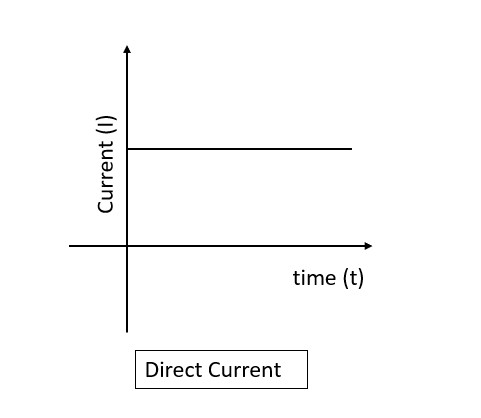
Current will flow only in one direction, and will have a constant magnitude
DC sources like batteries provide steady state voltage (constant voltage) between the two terminals
Ohm’s Law, , v is voltage, I is current, and R is resistance value
AC Analysis
Alternating Current
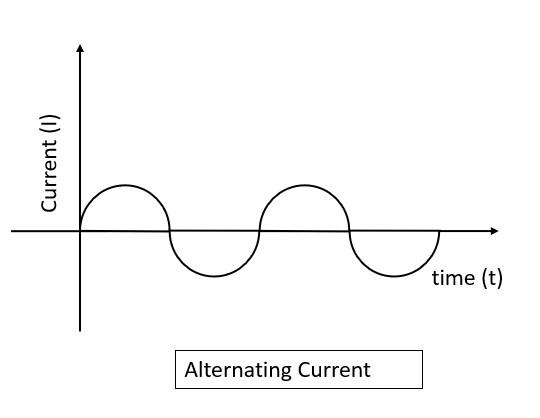
Current is changing direction periodically
Generated by rotating machines called alternators
Passive Components
Resistor (R)
Capacitor (C)
Inductor (L)
Standard Units
Voltage - Volts - V
Current - Amperes - A
Power - Watts - W
Energy - Joules - J
Metric Prefixes
Pico - - pV, pA, pW
Nano - - nV, nA, nW
Micro - - µV, µA, µW
Milli - - mV, mA, mW
Kilo - - KV, KA, KW
Mega - - MV, MA, MW
Current and electrons
Current is due to the flow of electrons ()
- +
→
- Current +
←
: C
electrons
Current = rate of charge flow per unit of time
I=flow of electric charge per unit time
Voltage = rate of change of energy per unit charge
Power = Rate of change of energy with time
Watts
Two scenarios of Power:
Power absorbed
Power delivered