Ch. 6 Cell Membranes Notes
Cell Membranes
6 Cell Membranes
6.1 What Is the Structure of a Biological Membrane?
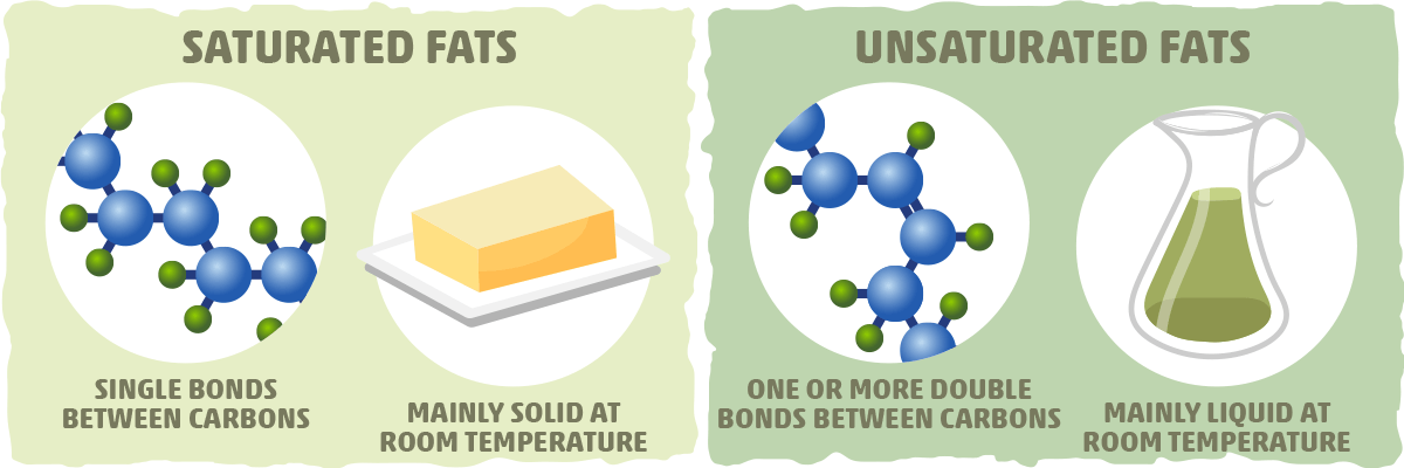
Lipid Composition: The lipid composition of biological membranes varies, including different phospholipid structures based on fatty acid chain length, degree of saturation, and types of phosphate groups.
Phospholipids: Fundamental building blocks of membranes.
Contains hydrophilic (water-attracting) heads and hydrophobic (water-repelling) tails.
Cholesterol's Role:
Proportion in Animal Cells: Can compose up to 25% of animal cell membranes.
Membrane Fluidity:
Decreases fluidity at higher temperatures, making the membrane more viscous.
Prevents freezing and maintains fluidity at lower temperatures.
Protein Content: Varies according to the function of the membrane.
Peripheral Membrane Proteins:
Do not penetrate the lipid bilayer; found on the membrane's surface.
Integral Membrane Proteins:
Have both hydrophobic and hydrophilic domains; can extend entirely or partially through the bilayer.
Fluid Mosaic Model: Integral and peripheral proteins move freely, contributing to the dynamic nature of the membrane.
6.2 How Is the Plasma Membrane Involved in Cell Adhesion and Recognition?
Cell Recognition and Adhesion: Proteins, primarily glycoproteins, play key roles in cell adhesion and recognition.
Glycoproteins: Carbohydrates combined with proteins, involved in recognition and binding.
Types of Binding:
Homotypic Binding: Cells of the same type bond to each other.
Heterotypic Binding: Different cell types bond together.
Cell Junctions: Specialized structures for holding cells together:
Tight Junctions:
Impermeable junctions that prevent materials from passing through the intercellular space. E.g., lining of the digestive tract.
Desmosomes:
Anchorage junctions, resembling Velcro, binding adjacent cells. E.g., found in skin and heart muscle.
Gap Junctions:
Allow intercellular communication and facilitate the passage of small molecules and ions between cells. E.g., found in heart and smooth muscle tissues.
6.3 What Are the Passive Processes of Membrane Transport?
Selective Permeability: Some substances can pass through the membrane while others cannot.
Passive Transport: Movement that does not require energy; occurs along a concentration gradient.
Diffusion: Molecules move from areas of higher concentration to lower concentration until equilibrium is reached.
Types of Transport:
Simple Diffusion: Small nonpolar molecules can easily pass through the lipid bilayer.
Facilitated Diffusion: Requires assistance via membrane proteins:
Channel Proteins: Form channels through which specific ions or molecules can pass.
Carrier Proteins: Bind to substances to facilitate their passage across the membrane.
Osmosis: Special case of diffusion, specifically for water across a semi-permeable membrane, influenced by solute concentration.
Hypertonic: Higher solute concentration outside the cell; cells lose water and may shrivel.
Isotonic: Equal solute concentrations; no net movement, but water moves in both directions.
Hypotonic: Lower solute concentration outside; cells swell and may burst as water moves in.
Factors Affecting Diffusion: Movement rate depends on the size of the substance, temperature, concentration gradient, and membrane permeability.
6.4 What Are the Active Processes of Membrane Transport?
Active Transport: Movement of substances against their concentration gradient; requires energy, usually from ATP.
Transport Protein Types:
Uniporter: Moves a single substance in one direction.
Symporter: Moves two substances in the same direction.
Antiporter: Moves two substances in opposing directions.
Primary Active Transport: Involves direct hydrolysis of ATP. E.g., Sodium-Potassium Pump.
Functioning of Na+-K+ Pump:
Pumps Na+ out of the cell and K+ into the cell against their gradients, utilizing ATP energy.
Secondary Active Transport: Derived from the ion concentration gradient established by primary active transport; energy can be