M7L6 IP and patent protection
Types of IP - registered IP (trade marks, registered designs, patents), copyright, know-how, trade secrets, confidentiality, unregistered designs
4 pillars of IP philosophy for SMEs - record it, own it, protect it, deploy it
Information put into AI tools/LLMs may not be confidential
Investor questions - what IP? What searches have been done (to see if the idea is actually new/patentable or done before in a similar way)? Freedom to operate (does someone else have a patent that will stop you from doing what you want to do with your patent)? IP pollution (has anyone brought trade secrets into your company)?
Due diligence - ownership, status, territories, runway (term), data room
Trade marks - protects a brand in a market, protects the reputation, confirms something is actually what it looks like
Specify products or services specification
Renewable every 10 years, forever
Exists to make origin of products/services clear to the consumer, brands associated with quality
Protects word and/or figurative, colour, sound etc
® and TM
Copyright
Who - creator
When - term (expires 70 years after the creator dies)
How -arises automatically upon creation
© signposts that there is copyright over something
Open source
Registered designs
Protects the appearance of whole or part of a products - lines, colours, contours, shapes etc
Renewable every 5 years for 25 years
Doesn’t protect how things come together/functional features
Must be novel/have individual character
Unregistered designs - prevents unauthorised copies, no formal application, must be original, design must be recorded, lasts max 15 yrs in UK
Know how - learnings from being at front line of technology, technical info which is beneficial in doing a process/getting a specific outcome, kept confidential, loss - breach of contract if under confidence
If it saves time, it has value
Important to record clearly and contextually so the work can be picked up
A trade secret is a key piece of know how with high commercial importance/significant competitive advantage
It is secret, has commercial value because it is secret, and has been subject to reasonable steps to keep it secret
Eg. business plans, raw/processed data, algorithms, software code, marketing info, failed test results, client/collaborator data
Trade secret ‘incidents’ - potential investor walking away after asking about trade secret. disgruntled employee leaving company and taking trade secrets. supplier entrusted with trade secrets sharing with competitor, new starter brings in trade secret stolen from previous employer
Lasts forever, just a matter of internal governance and keeping the secret
Reasonable steps for trade secrets - training for employees, IP policy (shows the lengths you are going to protect your trade secret), register of trade secrets to record what you have (index only, no specifics), access restrictions of the trade secret, exit interviews (reminder of obligations, return of confidential info)
Weaknesses - publication, reverse engineering, work around, independent creation (takes time), policing any theft
Licensable
Patent - A patent is an exclusive right granted for an invention. Patents benefit inventors by providing them with legal protection of their inventions. However, patents also benefit the society by providing public access to technical information about these inventions, and thus accelerating innovation
Encourages innovation, enhances company value, supports R&D on new products, recognition, investment, licensing, tax benefits sometimes
Patentable - associated with an advantage (over what has come before) or which addresses a problem
Can be directed to products or methods
Exceptions in biotech - methods of treatment/diagnosis, others involving plant/animal varieties. cloning or genetic modification of humans and animals, software (as such)
To obtain a patent -
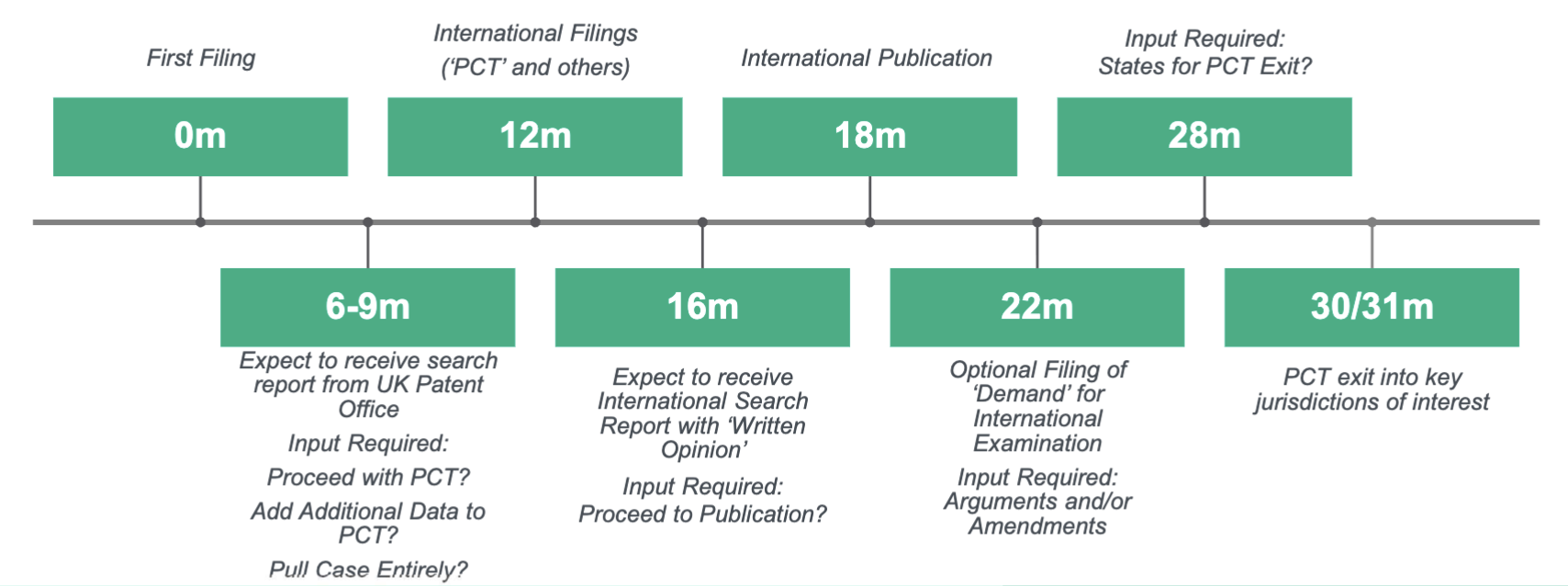
Initial interview with patent attorney (free clinics, is it eligible, do you need to check if someone protected it first, is it better to keep it a trade secret)
Pre-filing checks - the prior art you already know, searching patent databases/scientific literature
Write the patent application, identify the inventor (who contributed to the actual concept) and the owner