A4.2 Conservation of biodiversity Notes
A4.2.1 biodiversity as the variety of life in all its forms, levels and combinations
Biodiversity: The Variety of Life in All Its Forms, Levels, and Combinations
Definition
Biodiversity Biodiversity is the total variety of life on Earth.
It includes all living organisms, the ecosystems they inhabit, and the genetic differences within and between populations.
Biodiversity can be understood on three levels:
Ecosystem Diversity
Species Diversity
Genetic Diversity
These levels form the foundation for ecosystems' ability to function, adapt, and sustain life.
Ecosystem Diversity: The Variety of Habitats and Interactions
Ecosystem diversity refers to the variety of ecosystems within a region or across the globe.
This includes their physical characteristics and the organisms they support.
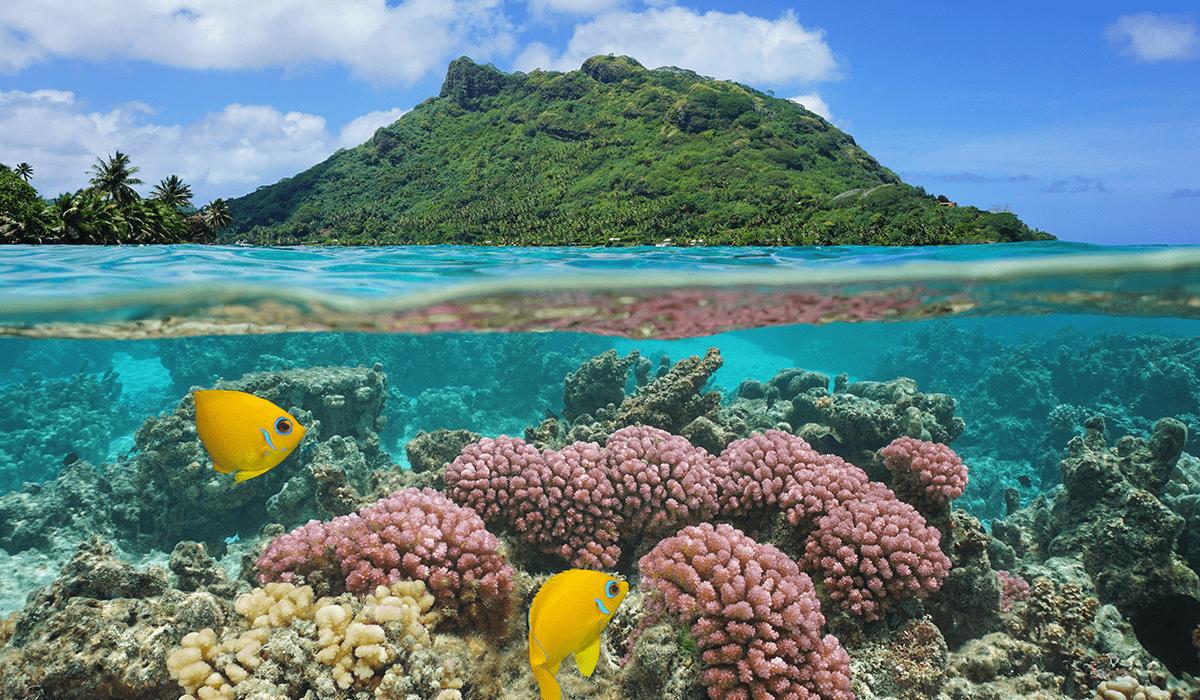
Example
Rainforests, coral reefs, grasslands, wetlands, and tundra are all examples of ecosystems.
Why Is It Important?
Ecosystems provide critical services that support life, such as:
Climate regulation: Forests absorb CO2 and moderate global temperatures.
Water purification: Wetlands filter pollutants from water and reduce flood risks.
Soil fertility: Grasslands prevent soil erosion and enrich it with nutrients.
Each ecosystem interacts with others.
Example
Think about the Amazon rainforest, often called the "lungs of the Earth."
It not only hosts an astonishing variety of species but also plays a pivotal role in regulating the global climate by absorbing carbon dioxide and releasing oxygen.
Tip
When studying ecosystem diversity, consider how ecosystems interact with one another.
No ecosystem exists in isolation as they are all part of a larger, interconnected system.
Species Diversity: The Many Branches of the Tree of Life
Species diversity refers to the number and variety of species in a given ecosystem or the entire planet.
It has two key components:
Species richness: The total number of species in an area.
Species evenness: The relative abundance of individuals among different species.
Analogy
Imagine an ecosystem as a Jenga tower.
Each block represents a species.
Removing one or two blocks might not cause the tower to collapse, but as more blocks are removed, the structure becomes unstable and eventually falls.
Why Is It Important?
Every species has a specific ecological role that contributes to the stability and functioning of ecosystems:
Predators: Prevent overpopulation of prey species (e.g., wolves controlling deer populations).
Pollinators: Bees and butterflies are essential for plant reproduction and food production.
Decomposers: Fungi and bacteria recycle nutrients, maintaining soil health.
The loss of a single species can have cascading effects, destabilizing entire ecosystems.
Self Review
Can you think of an example where the loss of a single species caused widespread effects on an ecosystem? Consider keystone species like sea otters or African elephants.
Warning
Students often confuse species richness with species diversity. Remember, richness is the number of species, while diversity also considers the distribution of individuals among those species.
Genetic Diversity: The Blueprint of Life
Genetic diversity refers to the variation of genes within and between populations of a species.
It includes:
Differences between populations (e.g., wolves in different regions).
Variations within a single population (e.g., coat color in a herd of deer).
Why Is It Important?
Genetic diversity is essential for species' survival and adaptability:
Disease resistance: Populations with high genetic diversity are more likely to survive disease outbreaks.
Adaptability: Genetic variation helps species adapt to changing environments, such as rising temperatures or habitat loss.
Reduced inbreeding: Low genetic diversity increases the risk of inbreeding, leading to genetic disorders and reduced fertility.
Example
Cheetahs, for instance, have extremely low genetic diversity due to a population bottleneck thousands of years ago. As a result, they are more susceptible to diseases and have reduced reproductive success.
Note
Genetic diversity is not just about survival, it is also the driving force behind evolution.
Without genetic variation, natural selection cannot occur, and species cannot evolve over time.
The Interconnected Nature of Biodiversity
While ecosystem, species, and genetic diversity are distinct, they are deeply interconnected:
Diverse ecosystems support a wide range of species.
High species diversity promotes genetic diversity by enabling interbreeding and adaptation.
Genetic diversity within species strengthens ecosystems by ensuring key species can survive and fulfill their ecological roles.
Loss at any level weakens the entire web of life, increasing the risk of ecosystem collapse.
Note
Coral reefs, often referred to as the "rainforests of the sea," support over 25% of marine species.
Their loss due to warming oceans disrupts marine food chains, affecting species from plankton to apex predators like sharks.
Tok
How does the interconnectedness of biodiversity illustrate the concept of systems thinking?
Can you think of other disciplines where interdependence plays a critical role?
A4.2.2 comparisons between current number of species on earth and past levels of biodiversity
How Many Species Are There Today?
Despite centuries of exploration, scientists have formally described fewer than 2 million species.
Estimates of the total number, including undiscovered species, vary widely:
Eukaryotes: Between 2 and 10 million species.
Prokaryotes (bacteria and archaea): Likely in the billions, though difficult to classify due to high genetic diversity.
The uncertainty arises because:
Many species inhabit inaccessible areas like the deep ocean or tropical rainforests.
Cryptic species (those that look similar but are genetically distinct) are hard to identify.
Microbial diversity is vast and not fully explored.
Note
Today, tropical rainforests and coral reefs are biodiversity hotspots, containing the majority of the planet's species.
Rainforests: Cover only 6% of Earth's surface but house ~50% of all species.
Coral Reefs: Provide habitat for 25% of marine species despite covering less than 1% of the ocean floor.
Tip
DNA barcoding allows scientists to identify species based on genetic differences, even when physical traits are nearly identical. This has been particularly useful for distinguishing cryptic species.
The Fossil Record Offers a Glimpse into Biodiversity Trends
The Cambrian Explosion (~540 million years ago):
Rapid emergence of major animal phyla in marine environments.
Marked the first significant increase in biodiversity, though still lower than today.
Mass Extinctions:
Earth has experienced five major mass extinction events, each drastically reducing biodiversity.
Permian-Triassic Extinction (~252 mya): The largest extinction, eliminating ~90% of marine species.
Cretaceous-Paleogene Extinction (~66 mya): Ended the reign of dinosaurs, paving the way for mammalian diversification.
Post-Mass Extinction Recovery:
Following each extinction, new species evolved to fill vacant ecological niches.
The Modern Era (~66 mya-present):
Biodiversity has steadily increased over the past 66 million years, reaching its highest levels today.
Factors include the evolution of flowering plants, insects, and diverse mammalian groups.
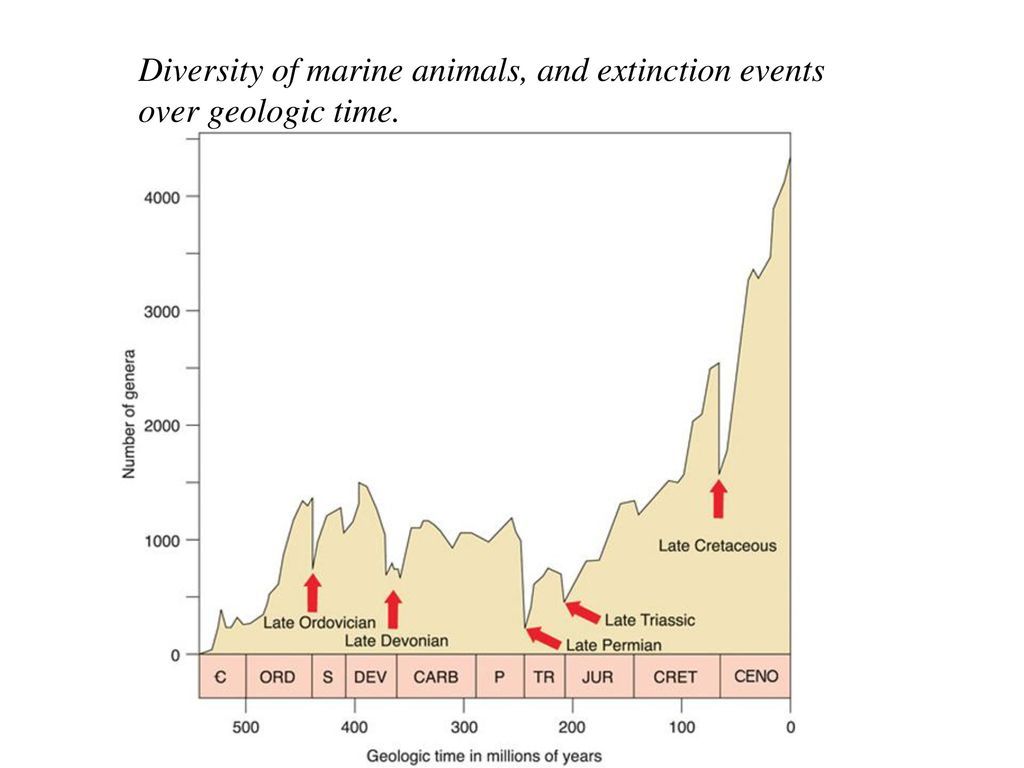
We Are Living in the Most Biodiverse Era but...
Current evidence suggests Earth's biodiversity is at its peak.
However, this diversity is under severe threat due to human activities, such as:
Habitat destruction.
Overexploitation of species.
Pollution and climate change.
The Sixth Mass Extinction
Many scientists warn that we are on the brink of a sixth mass extinction, driven by human impact.
Species are disappearing at rates 100-1,000 times higher than natural background rates.
Note
Unlike previous mass extinctions, which were caused by natural events like volcanic eruptions or asteroid impacts, the current biodiversity crisis is largely driven by human actions.
Comparing Past and Present Biodiversity
Feature | Past Biodiversity | Current Biodiversity |
|---|---|---|
Species Richness | Lower, with periods of rapid increases after extinction events. | At its peak, though unevenly distributed. |
Drivers of Change | Natural events (e.g., asteroid impacts, volcanic activity). | Human activities (e.g., deforestation, climate change). |
Recovery from Extinction | Took millions of years after mass extinctions. | Current biodiversity loss may outpace recovery. |
The Role of Classification in Understanding Biodiversity
Why Classification Matters
Taxonomy, the science of naming and categorizing species, helps us:
Organize and understand biodiversity.
Track the emergence or extinction of species over time.
Identify evolutionary relationships and ecological roles.
Advances in Classification
Modern tools like DNA barcoding and phylogenetic analysis allow scientists to uncover cryptic species and refine evolutionary trees.
These methods have revealed:
High genetic diversity within "single" species, leading to reclassification.
Unexpected relationships, such as birds being part of the reptile clade.
Warning
It's a common misconception that species counts are fixed. In reality, estimates change as new species are discovered or existing ones are reclassified.
Why Does This Matter?
Conservation Biology: Studying past and present biodiversity informs conservation efforts:
Identifying Priority Areas: Protecting hotspots like rainforests and coral reefs.
Preserving Genetic Diversity: Ensuring species' ability to adapt to environmental changes.
Restoring Ecosystems: Rebuilding habitats to sustain biodiversity.
Mitigating Human Impact: Understanding the consequences of past extinctions highlights the urgency of addressing current threats.
Example
Recognizing how habitat loss drives species extinction can shape policies for sustainable development.
Reflection and Broader Implications
As we face the possibility of a sixth mass extinction, consider these questions:
Self Review
How can we balance economic development with the need for conservation?
Should conservation efforts prioritize species with high ecological importance or those with unique evolutionary histories?
How might emerging technologies, such as artificial intelligence and satellite monitoring, improve our ability to track and protect biodiversity?
Tok
How does the way we classify species reflect human perspectives and biases? For example, do cultural or economic factors influence which species are prioritized for conservation?
A4.2.3 causes of anthropogenic species extinction
Causes of Anthropogenic Species Extinction: Exploring the Sixth Mass Extinction
The current rate of species extinction is estimated to be 100 to 1,000 times the natural background rate.
This is fueled by interconnected anthropogenic factors like overexploitation, habitat destruction, and climate change.
The Primary Drivers of Anthropogenic Extinction
Overexploitation: Unsustainable hunting, fishing, and harvesting of species.
Habitat destruction: The conversion of natural habitats into agricultural land, urban areas, and industrial zones.
Invasive species: Non-native species introduced by humans that outcompete or prey on native species.
Pollution: The contamination of ecosystems with harmful chemicals, plastics, and waste.
Climate change: Rapid shifts in environmental conditions caused by human-induced global warming.
Case Study 1: North Island Giant Moa (_Dinornis novaezealandiae_)
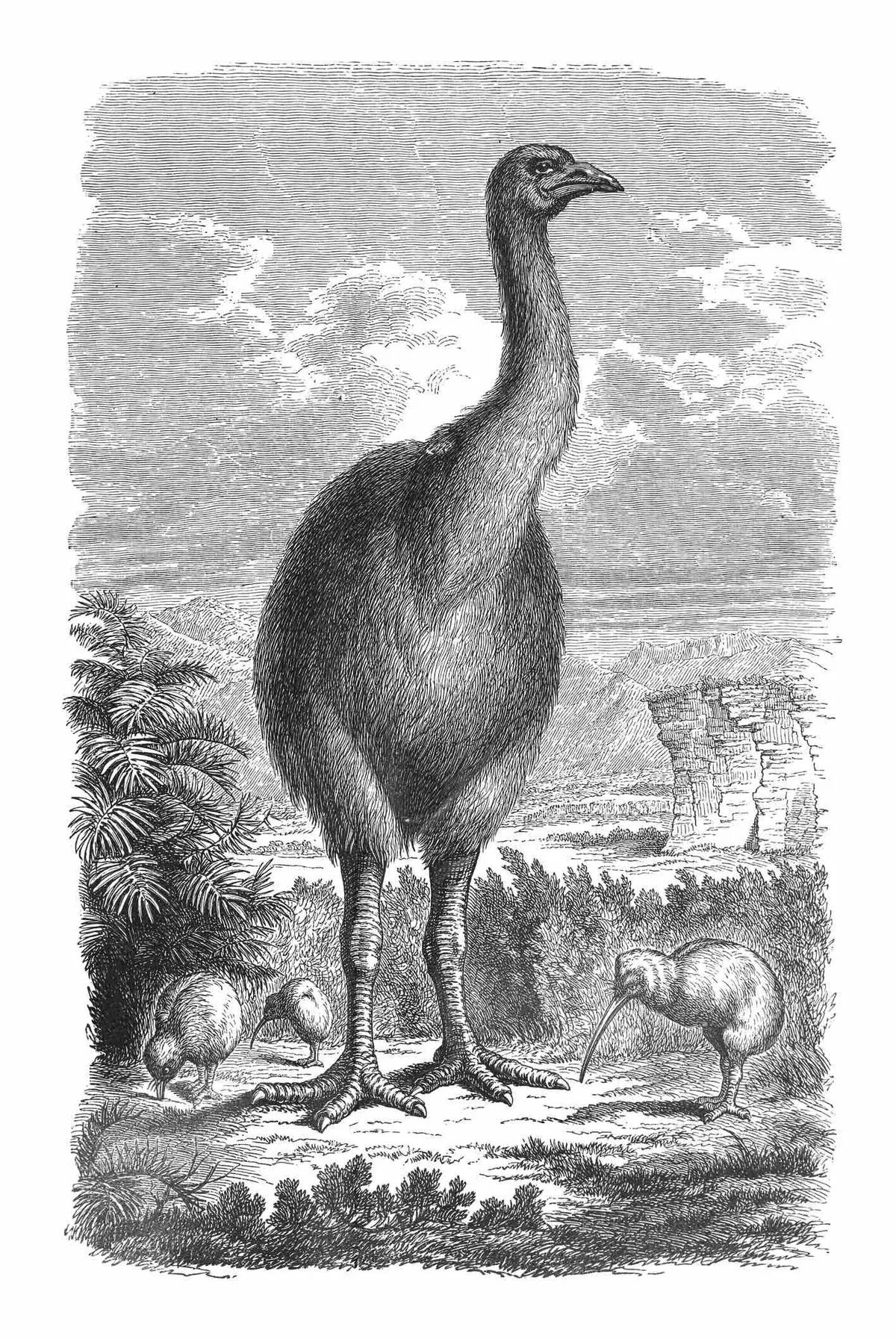
The North Island giant moa was a flightless bird endemic to New Zealand, standing up to 3.6 meters tall and weighing 230 kilograms.
It played a vital ecological role in seed dispersal and vegetation control.
What Happened?
Human Settlement:
Polynesians arrived in New Zealand around the 13th century.
With no natural predators, moa populations were highly vulnerable to hunting.
Overhunting: Moa were hunted to extinction in less than 200 years.
Impact on Ecosystems
The loss of moa disrupted forest regeneration, as seeds previously dispersed by these birds could no longer travel far from parent plants.
Tip
Overexploitation of species without consideration for their ecological roles can lead to cascading effects on ecosystems.
Case Study 2: Caribbean Monk Seal (_Neomonachus tropicalis_)
The Caribbean monk seal was the only pinniped native to the Caribbean Sea.
It provided key ecosystem services by maintaining balance in marine food webs.
What Happened?
Overhunting: European colonists hunted the seals for blubber, which was rendered into oil.
Habitat Destruction: Coastal tourism and urbanization degraded the seals' breeding habitats.
Extinction: The species was declared extinct in 2008 after decades of unsuccessful conservation attempts.
Warning
Many assume that marine species are less vulnerable to human activities because of the vastness of the ocean. However, overfishing, pollution, and habitat destruction can be just as devastating in aquatic environments as on land.
Ecosystem Consequences
The loss of the monk seal altered predator-prey dynamics,
This potentially contributed to overpopulation of certain fish species and disrupting coral reef health.
Note
Habitat destruction has long-lasting effects, often outpacing species' ability to adapt or relocate.
Case Study 3: Passenger Pigeon (_Ectopistes migratorius_)
Once numbering in the billions, passenger pigeons were among the most abundant birds in North America.
Their massive flocks played critical roles in seed dispersal and forest dynamics.
What Happened?
Mass Hunting: 19th-century hunters used advanced firearms and transportation networks to decimate pigeon populations.
Deforestation: Widespread logging destroyed nesting and feeding habitats.
Extinction: The last known passenger pigeon, Martha, died in captivity in 1914.
Tip
Even large populations can collapse rapidly under simultaneous pressure from overexploitation and habitat destruction.
Common Themes in Anthropogenic Extinction
Across these case studies, several consistent patterns emerge:
Overexploitation: Hunting or harvesting species faster than their populations can recover.
Habitat Destruction: Permanent loss of critical breeding and feeding areas.
Lack of Awareness: Early human settlers and industrial societies often underestimated the long-term consequences of their actions.
Ecological Impact: The extinction of key species disrupts food webs and reduces ecosystem resilience.
Self Review
Can you identify which of the five anthropogenic drivers of extinction were most significant in each case study? How might these drivers amplify one another to accelerate species loss?
Why Does This Matter?
Biodiversity loss affects not just the environment but also human well-being:
Ecosystem Services: Pollination, clean water, and climate regulation depend on healthy ecosystems.
Economic Impacts: Fisheries, agriculture, and tourism suffer when ecosystems collapse.
Ethical Responsibility: Protecting species is a moral imperative for current and future generations.
Tok
How do cultural and ethical perspectives shape our decisions about which species to conserve? Consider the tension between economic development and biodiversity preservation.
What Can Be Done?
To combat the sixth mass extinction, conservation efforts must address the root causes of biodiversity loss. Strategies include:
Legislation and Policy: Enforcing laws against overexploitation and habitat destruction.
Protected Areas: Establishing reserves to safeguard critical habitats and species.
Restoration Ecology: Rewilding degraded ecosystems to restore ecological balance.
Sustainable Practices: Promoting sustainable hunting, fishing, and agricultural methods.
Global Cooperation: Tackling transboundary issues like climate change and invasive species through international collaboration.
Self Review
Think about a species in your region that is under threat.
What are the main drivers of its decline, and what actions could be taken to prevent its extinction?
A4.2.4 causes of ecosystem loss
Causes of Ecosystem Loss
Definition
Ecosystem lossEcosystem loss refers to the degradation or destruction of natural systems
It is primarily driven by human activities, including deforestation, pollution, and climate change.
It can manifest as:
Degradation: Reduced ecosystem health (e.g., polluted rivers).
Destruction: Total conversion to another land use (e.g., a forest replaced by agriculture).
Why Ecosystem Loss Matters
Healthy ecosystems:
Provide essential resources like food, water, and medicines.
Regulate climate through carbon storage and temperature moderation.
Support cultural, recreational, and spiritual values.
The loss of ecosystems disrupts these functions, creating cascading environmental, economic, and social consequences.
Analogy
Think of an ecosystem as a woven fabric. Each thread represents a species, a process, or a resource. When one thread is pulled out, the fabric weakens. If enough threads are removed, the entire fabric unravels.
Anthropogenic Causes of Ecosystem Loss
Human activities are the primary drivers of ecosystem loss.
These activities can be categorized into several major causes:
1. Land-Use Change
Agricultural Expansion: Forests, grasslands, and wetlands are cleared to grow crops or raise livestock.
Urbanization: The rapid growth of cities and infrastructure development has led to widespread destruction of natural habitats.
Example
Tropical rainforests are often replaced by monoculture plantations like oil palm or soy.
2. Overexploitation of Resources
Overharvesting of timber, fuelwood, and animal populations destabilizes ecosystems.
Example
Removing keystone species such as large predators or primary producers can trigger cascading effects throughout the ecosystem.
3. Pollution
Industrial, agricultural, and domestic waste contaminates ecosystems.
Example
Fertilizers can cause eutrophication in aquatic systems, while plastic pollution severely affects marine environments.
4. Climate Change
Rapid changes in temperature, precipitation, and sea levels disrupt ecosystems.
Coral reefs, for instance, are highly sensitive to ocean warming and acidification.
5. Introduction of Invasive Species
Non-native species introduced intentionally or accidentally can outcompete, prey upon, or hybridize with native species, destabilizing ecosystems.
6. Water Diversion and Drainage
Dams and irrigation projects alter natural water flows, leading to the loss of aquatic ecosystems such as rivers, lakes, and wetlands.
Tip
When studying ecosystem loss, consider how human activities amplify natural processes, often accelerating the rate and scale of degradation.
Case Study 1: Loss of Mixed Dipterocarp Forest in Southeast Asia
The Ecosystem
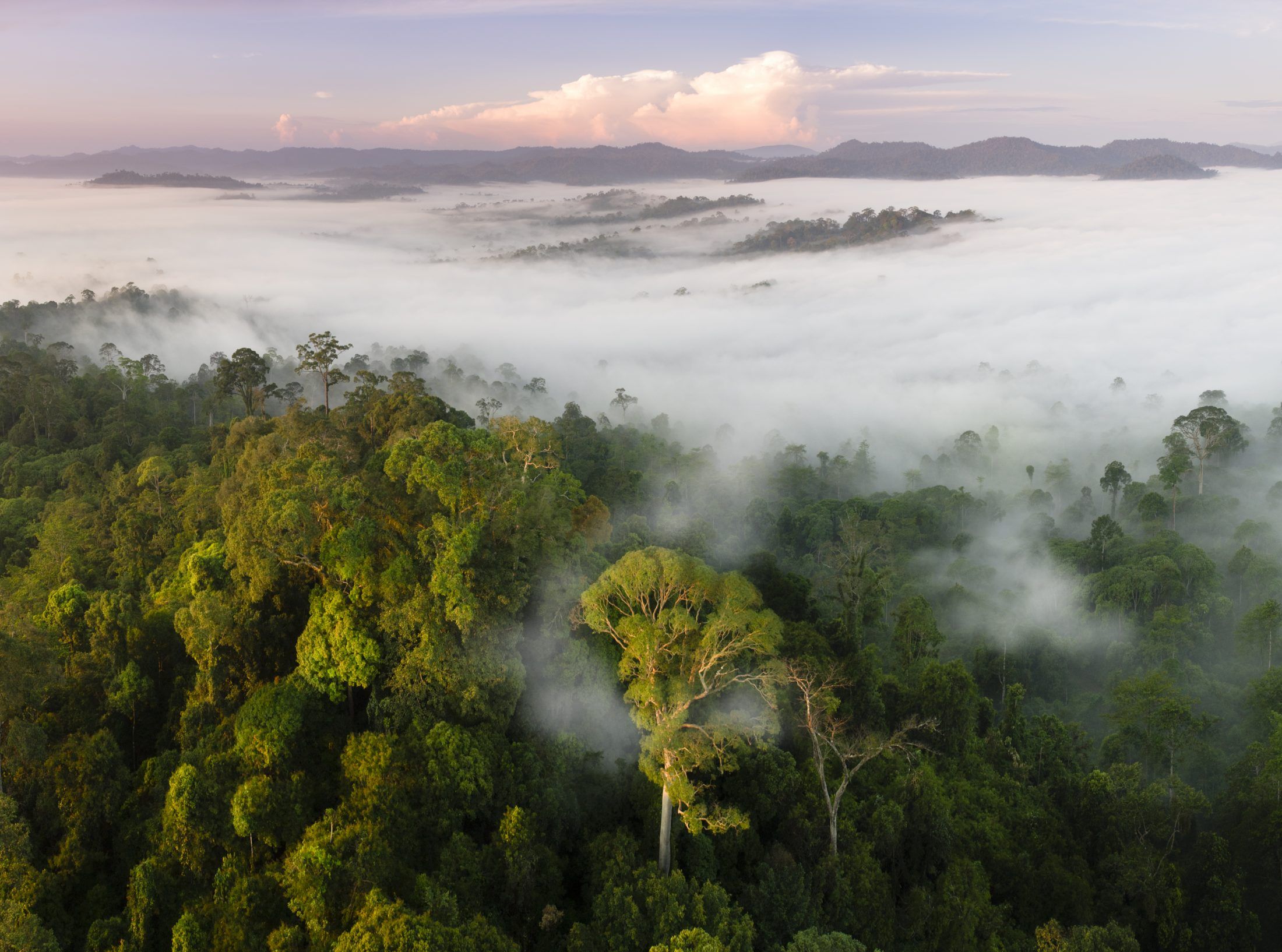
Mixed dipterocarp forests are rich, biodiverse rainforests dominated by trees from the Dipterocarpaceae family.
Found in countries like Indonesia, Malaysia, and the Philippines, they are home to orangutans, hornbills, and a vast array of plant species.
Causes of Loss
Logging: Dipterocarp trees produce valuable timber, making them a target for both legal and illegal logging operations.
Agricultural Expansion: Nutrient-rich peat soils are cleared for oil palm plantations, replacing diverse forests with monocultures.
Infrastructure Development: Roads and settlements fragment habitats, leaving them vulnerable to further degradation.
Consequences
Biodiversity Loss: Endangered species, such as orangutans, lose critical habitats.
Carbon Emissions: Peatland drainage releases stored carbon, contributing significantly to climate change.
Flooding and Erosion: Forest loss destabilizes soil and alters water cycles, increasing flood risks.
Example
In Borneo, only 30% of the original forest cover remains.
Protected areas such as Lambir Hills National Park serve as critical refuges for biodiversity, but they are increasingly isolated by surrounding agricultural land.
Warning
Many students assume that replanting trees can fully restore a degraded forest. However, secondary forests often lack the biodiversity, structure, and ecological complexity of the original ecosystem.
Case Study 2: The Loss of the Aral Sea Ecosystem
The Ecosystem
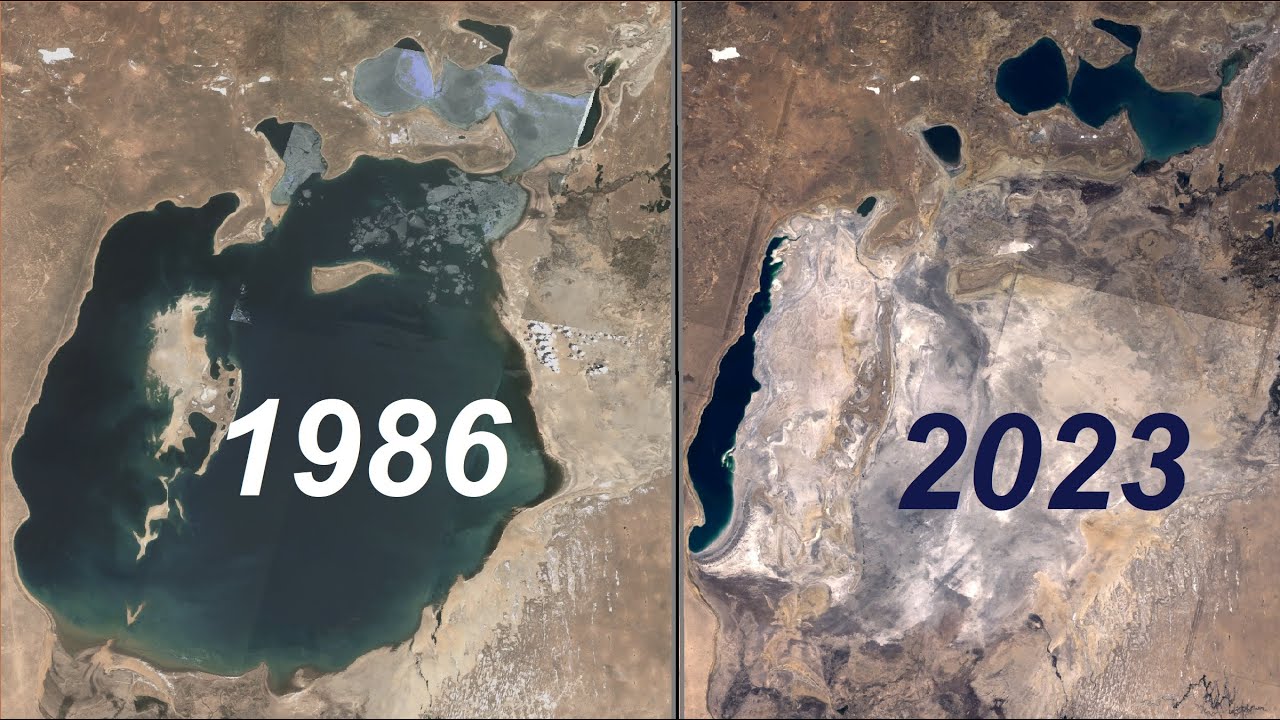
Once the fourth-largest lake globally, the Aral Sea between Kazakhstan and Uzbekistan supported diverse aquatic life, fishing industries, and surrounding human communities.
Causes of Loss
Water Diversion: Rivers feeding the Aral Sea were diverted in the 1960s to irrigate cotton fields, drastically reducing water inflow.
Salinization: As the water volume decreased, the salinity of the remaining lake increased, killing fish and aquatic plants.
Consequences
Ecosystem Collapse: All 24 endemic fish species went extinct, along with most other aquatic life.
Dust Storms: Exposed lakebeds became a source of salt-laden dust, contributing to respiratory diseases in nearby populations.
Economic Decline: The fishing industry vanished, and agriculture in the region suffered due to increased soil salinity.
Tok
What ethical dilemmas arise when balancing agricultural needs with the preservation of ecosystems like the Aral Sea? How might cultural perspectives influence these decisions?
Self Review
What are the primary causes of ecosystem loss in your region?
Can you identify any local efforts to restore these ecosystems?
Why Ecosystem Loss Matters Globally
Climate Regulation: Forests and oceans act as carbon sinks. Their loss accelerates global warming.
Food Security: Ecosystems like coral reefs and mangroves support fisheries essential to millions.
Human Health: Intact ecosystems regulate disease outbreaks and their loss increases exposure to zoonotic diseases (e.g., COVID-19).
Hint
When analyzing ecosystem loss, consider both direct and indirect causes.
For example, deforestation may be driven by agricultural expansion, which itself is influenced by global food demand and consumption patterns.
A4.2.5 evidence for a biodiversity crisis
What Is the Biodiversity Crisis?
The biodiversity crisis refers to the accelerated loss of species, habitats, and genetic diversity due to human activities.
Unlike natural extinction events, which occur over millennia, today's rates are extraordinary:
Current extinction rate: 100-1,000 times higher than the natural background rate.
At-risk species: Up to one million species are at risk of extinction in the coming decades.
How Do Scientists Measure Biodiversity Loss?
1. Biodiversity Metrics: Richness and Evenness
Scientists measure biodiversity using two main metrics:
Species richness: The total number of species in a given area.
Species evenness: The distribution of individuals among those species.
Example
A coral reef with 500 fish species has high richness.
If most fish belong to one species, evenness is low.
2. Long-Term Monitoring
Long-term studies track changes in species populations and ecosystem health over time.
Example
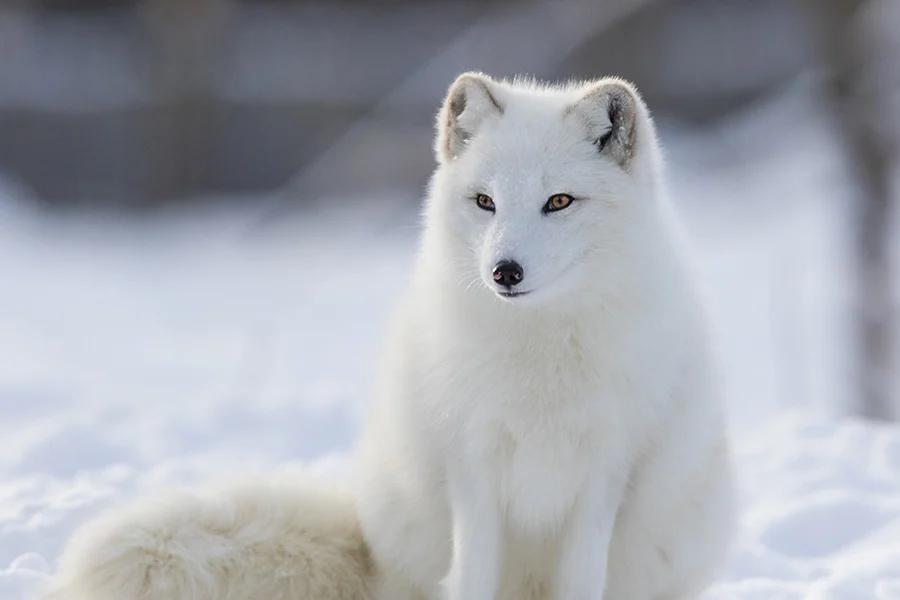
Arctic fox populations are monitored annually to assess the impacts of climate change and competition with red foxes.
Amphibian populations in tropical rainforests are tracked to understand the effects of habitat loss and disease.
Note
Long-term monitoring allows scientists to identify patterns and potential causes of biodiversity loss, such as climate change, habitat destruction, and invasive species.
Evidence from Global Studies
The IPBES Report
The Intergovernmental Science-Policy Platform on Biodiversity and Ecosystem Services (IPBES) synthesizes data from global studies.
Key findings include:
Wetlands: 85% lost since the 18th century.
Coral reefs: Over 50% have been degraded since 1950.
Pollinators: Declines threaten food security for 70% of major crops reliant on pollination.
The IUCN Red List
The International Union for Conservation of Nature (IUCN) maintains the Red List, tracking species extinction risk.
As of 2023:
41,000 species are threatened with extinction, including:
40% of amphibians.
34% of conifers.
25% of mammals.
Note
Peer-reviewed studies are critical for building a reliable foundation of knowledge, especially in biodiversity research where errors can have far-reaching implications.
The Role of Citizen Scientists
Citizen Contributions
Citizen scientists, volunteers collecting data, play a crucial role in biodiversity monitoring. Projects like:
The Audubon Society's Christmas Bird Count (over 120 years of data).
iNaturalist, where users photograph and identify species with the help of AI.
Case_study
Monitoring Butterflies in the UK
In Shropshire, England, local enthusiasts track populations of the Silver-studded Blue butterfly (Plebejus argus).
By walking the same transects each year and counting butterflies, they've documented population declines linked to habitat loss.
This data has directly informed conservation efforts, such as restoring heathland habitats.
Strengths and Challenges
Strengths: Citizen science expands data collection to inaccessible or under-monitored regions.
Challenges: Data quality and consistency vary. Validation by professionals ensures reliability.
Technological Advances in Biodiversity Monitoring
Satellite Imaging: Satellites like Sentinel-2 track habitat changes such as deforestation and urbanization in real time.
AI and Machine Learning: AI-powered tools like eBird and iNaturalist enable rapid species identification and help analyze vast datasets.
Environmental DNA (eDNA: eDNA allows scientists to detect species from traces of DNA in water, soil, or air, revolutionizing the study of cryptic or elusive organisms.
Implications of the Biodiversity Crisis
Ecological Collapse
The extinction of key species destabilizes ecosystems.
Overfishing of predatory fish allows algal blooms, damaging coral reefs.
Economic Consequences
Biodiversity loss jeopardizes industries like agriculture, forestry, and fisheries, which depend on ecosystem services.
Ethical Considerations
Human-driven extinction raises ethical questions about our responsibility to other species.
A4.2.6 causes of the current biodiversity crisis
The Sixth Mass Extinction is Driven by Humans
At the core of the biodiversity crisis is the exponential growth of the human population, now nearing 8 billion, up from less than 2 billion in 1920.
This growth amplifies:
Demand for resources (e.g., food, water, and energy).
Space consumption, leading to urban sprawl and deforestation.
Industrial activity, which depletes ecosystems and accelerates pollution.
Note
Although population growth itself is neutral, its associated activities amplify specific threats to biodiversity.
Direct Causes of Biodiversity Loss
1. Over-Exploitation: Unsustainable Use of Resources
Hunting and fishing: Species such as the Atlantic bluefin tuna and the African elephant face drastic declines due to overfishing and poaching.
Deforestation for timber: Over-harvesting of keystone tree species disrupts forest ecosystems, threatening dependent species.
Medicinal and ornamental plant trade: Unsustainable harvesting leads to population declines of species like wild orchids.
Warning
Many students mistakenly believe that only large-scale commercial activities threaten biodiversity. In reality, even small-scale, unsustainable practices can have devastating effects when repeated over time.
2. Habitat Loss: Urbanization and Agriculture
Urbanization: Since 1992, urban areas have doubled, replacing natural habitats with cities and infrastructure.
Agricultural expansion: Over 13 billion hectares of forests and wetlands have been converted into farmland.
Example
The Amazon rainforest, home to immense biodiversity, is being cleared for soy and cattle farming.
Tip
When studying habitat loss, remember that it often leads to "edge effects," where the remaining habitat becomes fragmented and less suitable for species that require large, continuous areas.
3. Pollution is A Hidden Threat
Pesticides and fertilizers: Eutrophication from agricultural runoff creates dead zones in water bodies.
Plastic pollution: Microplastics harm marine life by causing ingestion of toxins, bioaccumulation, and physical injury.
Example
The Gulf of Mexico has a hypoxic zone due to excessive nutrient pollution.
4. Invasive Alien Species
Globalization has introduced species to ecosystems where they outcompete or prey on native species.
Think diseases and viruses.
Example
Black bass introduced into Guatemala's Lago de Atitlán led to the extinction of the endemic Atitlán grebe.
Pathogens like chytrid fungus have devastated amphibian populations globally.
Analogy
Think of an invasive species as an uninvited guest at a party who eats all the food, leaving none for the hosts. Similarly, invasive species consume resources or prey on native species, disrupting the balance of ecosystems.
5. Water Diversion and Land Use Changes
Dams and irrigation systems alter ecosystems.
This leads to the loss of wetlands and aquatic habitats.
Warning
Many students mistakenly believe that only large-scale commercial activities threaten biodiversity.
In reality, even small-scale, unsustainable practices can have devastating effects when repeated over time.
Example
The Aral Sea shrank drastically due to water diversion for agriculture, causing ecosystem collapse.
The Compound Impact of Climate Change
Though not the sole focus here, climate change exacerbates all other threats:
Habitat shifts: Arctic foxes lose territory to encroaching red foxes due to warming.
Ocean acidification: Coral bleaching disrupts marine ecosystems.
Tok
How do cultural and economic values influence decisions about which species or ecosystems to prioritize for conservation?
Should humans take responsibility for reversing all the damage they have caused?
Self Review
What are the five main causes of the biodiversity crisis?
Can you explain how human population growth exacerbates each of these causes?
A4.2.7 need for several approaches to conservation of biodiversity
The Need for Several Approaches to Conservation of Biodiversity
Biodiversity faces threats from interrelated factors like habitat destruction, overexploitation, pollution, invasive species, and climate change.
These pressures often overlap and exacerbate each other, making single strategies insufficient.
Analogy
Think of conservation strategies as tools in a toolbox.
Just as you wouldn't use a hammer for every repair, conservationists must choose the right combination of tools to address specific challenges.
In Situ Conservation: Protecting Species in Their Natural Habitats
In situ conservation focuses on protecting species within their ecosystems, allowing them to interact naturally and fulfill their ecological roles.
Protected Areas: Nature Reserves and National Parks
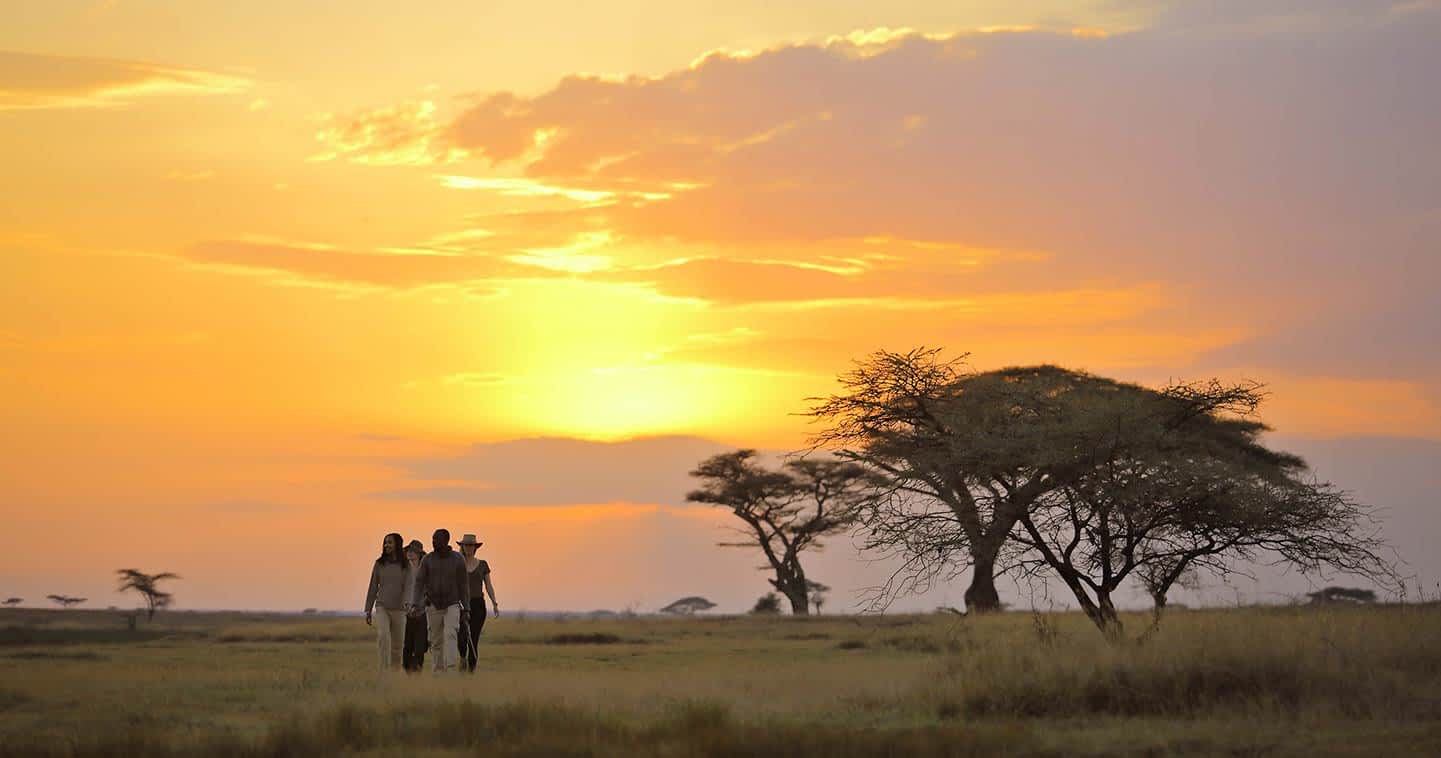
Protected areas like Serengeti National Park in Tanzania or Wapusk National Park in Canada shield ecosystems from destructive activities such as deforestation, poaching, and urbanization.
Active management often includes removing invasive species, combating illegal hunting, and reintroducing locally extinct species.
The challenges of this is that protected areas are not immune to threats such as climate change, encroachment, and invasive species.
Effective management requires sustained funding and local community involvement.
Rewilding and Ecosystem Restoration
Rewilding restores degraded ecosystems by reintroducing species that play critical ecological roles.
Ecosystem restoration involves repairing habitats to support biodiversity and ecosystem services.
This includes water purification and carbon sequestration.
However, rewilding can face challenges in areas with extensive human activity, requiring careful planning and community support.
Case_study
Wolves reintroduced to Yellowstone National Park controlled deer populations, allowing vegetation and other species to recover.
Tip
Rewilding is most effective when it prioritizes natural processes over human intervention, creating self-sustaining ecosystems that require minimal management.
Ex Situ Conservation: Preserving Species Outside Their Natural Habitats
Ex situ conservation provides a safety net for species at risk of extinction, ensuring their survival outside natural habitats.
Zoos, Aquariums, and Botanical Gardens
These institutions run captive breeding programs for endangered species and propagate plants for reintroduction into the wild.
Captive animals however, may lose natural behaviors, and plants grown in controlled conditions may struggle to adapt when reintroduced.
Example
The California condor was saved from extinction through captive breeding in zoos.
Warning
Assuming that all captive-bred animals or propagated plants can be easily reintroduced to the wild is a common error. Factors like genetic diversity, habitat suitability, and human-wildlife conflict must be carefully considered.
3. Integrating Approaches: Bridging Gaps Between In Situ and Ex Situ Conservation
The most effective conservation strategies combine multiple approaches:
Seed Banks and Reforestation: Seed banks preserve genetic diversity, while restoration projects prepare habitats for reintroduced plants.
Captive Breeding and Rewilding: Zoos breed endangered species, which are later released into protected or restored habitats.
Example
The golden lion tamarin, once critically endangered, was bred in captivity and reintroduced to restored forests in Brazil.
Holistic Strategies: Conservation plans increasingly incorporate climate adaptation measures, such as creating wildlife corridors to help species migrate to suitable habitats.
The Broader Importance of Biodiversity Conservation
Biodiversity is essential for maintaining ecosystem services, from pollination and water purification to climate regulation.
However, conserving biodiversity also raises complex questions:
Ethical dilemmas: Should we prioritize certain species over others?
Balancing needs: How can we reconcile human development with ecosystem preservation?
Addressing these questions requires input from ecologists, policymakers, and local communities.
A4.2.8 evolutionarily distinct and globally endangered species in conservation prioritization
Why Should We Care About EDGE Species?
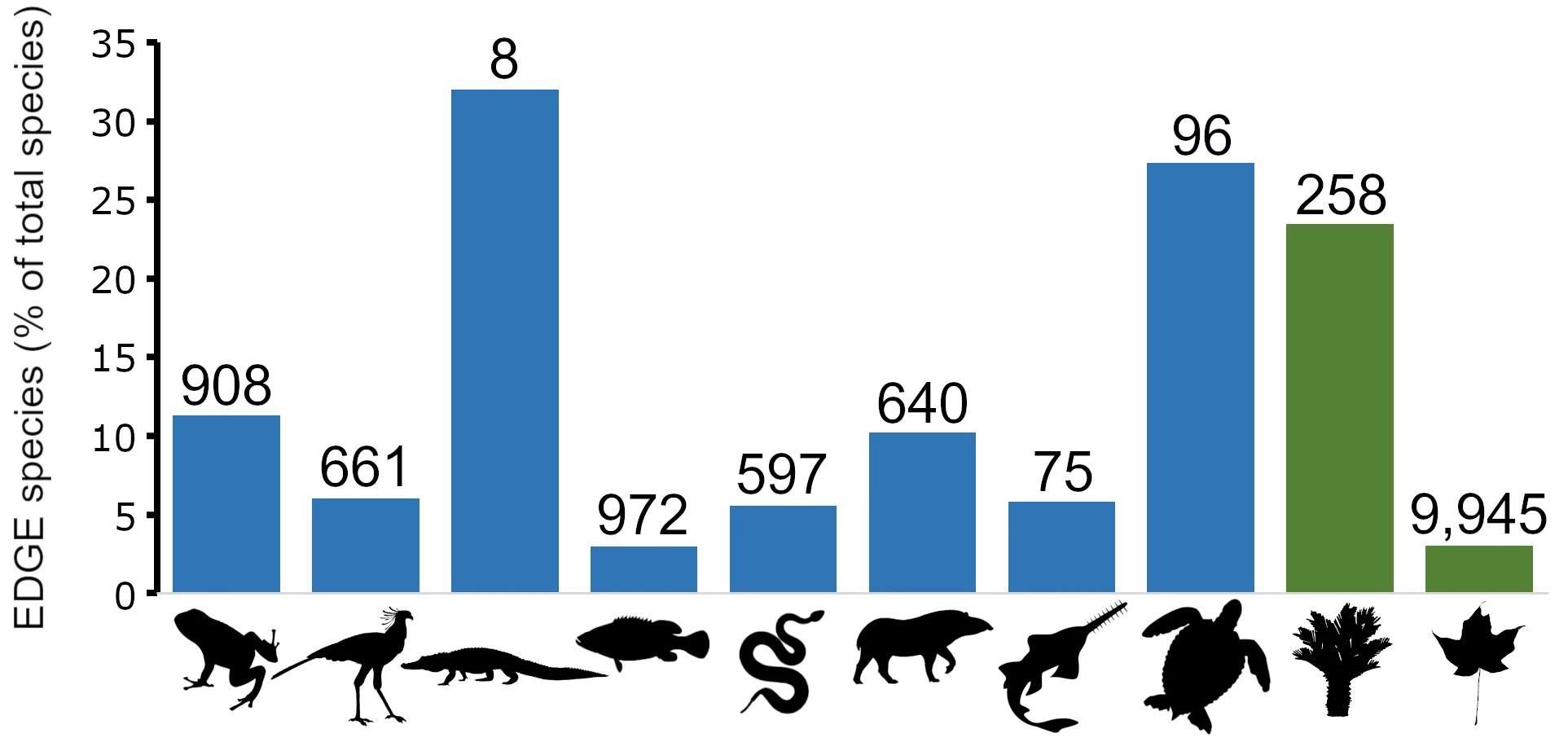
EDGE species, Evolutionarily Distinct and Globally Endangered, represent some of the rarest and most valuable species on earth.
Tip
These species are on the brink of extinction and, if lost, would take with them a disproportionate amount of Earth's evolutionary history.
What Makes a Species "Evolutionarily Distinct"?
Some species belong to large families with many close relatives, like cats, dogs, or rodents.
Others, however, stand alone on ancient evolutionary branches, having evolved independently for millions of years.
Note
Unlike species with many close relatives, EDGE species often sit alone on ancient evolutionary branches
This represents lineages that have evolved independently for millions of years.
Key Features of Evolutionary Distinct Species
Unique Traits: EDGE species often have characteristics found nowhere else in the animal kingdom.
For example, the axolotl can regenerate entire body parts, a trait with significant scientific value.
Rare Lineages: Some species represent the sole surviving members of ancient evolutionary branches.
For instance, the Yangtze giant softshell turtle or the kakapo.
Vulnerability: Once lost, these lineages cannot be recovered, erasing a unique piece of evolutionary history forever.
What Does It Mean to Be Globally Endangered?
Global endangerment refers to the high risk of extinction a species faces.
Factors contributing to this status include:
Small or Declining Populations: The vaquita porpoise has fewer than 10 individuals left, making it the most endangered marine mammal in the world.
Restricted Ranges: The pygmy three-toed sloth exists only on one island in Panama, making it highly vulnerable to habitat destruction.
Human Threats: Habitat loss, climate change, and poaching continue to push EDGE species toward extinction.
Why Focus on EDGE Species?
Conservation resources are limited, so prioritizing efforts is essential.
EDGE species:
Preserve Evolutionary History: Protecting an EDGE species is like saving an entire ancient language, as if lost, an irreplaceable chapter of evolutionary history disappears.
Maximize Impact: With limited resources, conservation must prioritize species that represent the most unique and threatened lineages, EDGE species fit both criteria.
Have Ecosystem Roles: Many EDGE species play keystone roles in their ecosystems.
Hold Scientific Value: EDGE species often possess extraordinary traits that inspire medical and technological advancements.
Raise Awareness: Some EDGE species, like the pangolin or kakapo, serve as conservation ambassadors, capturing public interest and encouraging global conservation efforts.
Tip
EDGE species represent the most irreplaceable components of biodiversity, making them a critical focus.
Challenges in Conserving EDGE Species
Data Deficiency: Many EDGE species, especially deep-sea or nocturnal animals, are poorly studied, making it difficult to design conservation plans.
Limited Resources: Global conservation budgets are stretched thin, and funding often goes to more charismatic species.
Conflicting Interests: Economic growth often competes with conservation, especially in biodiversity hotspots where habitat destruction is common.
Human-Centered Bias: Conservation efforts often favor species that are charismatic, useful, or economically valuable, leaving less "appealing" species overlooked.
Note
Conservation programs like the EDGE of Existence Initiative are helping bridge these gaps by prioritizing overlooked species based on their evolutionary uniqueness and threat level.
Examples of EDGE Species
1. Kakapo (Strigops habroptilus)
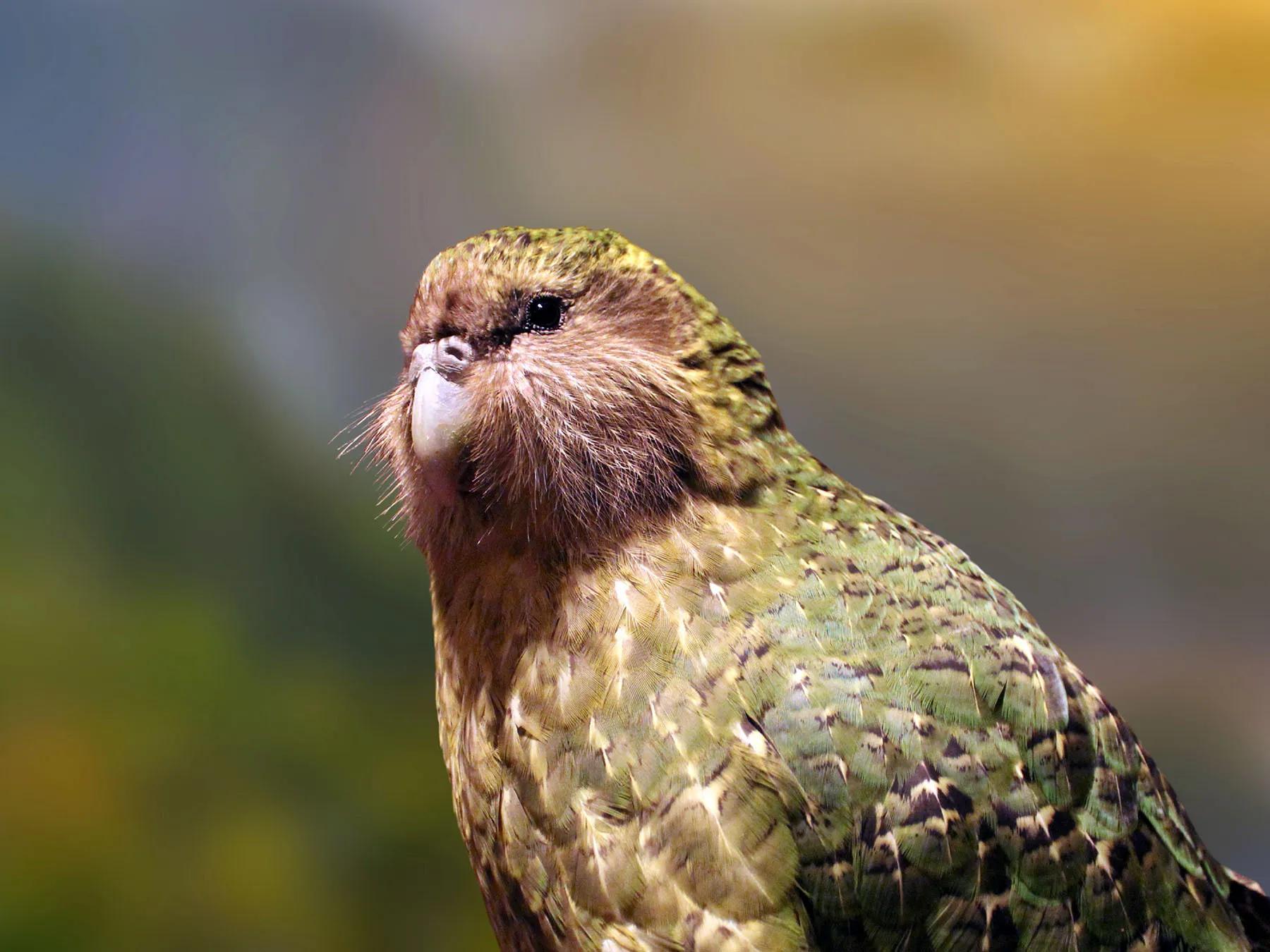
Region: New Zealand
Distinctiveness: A flightless parrot, it is the last surviving species of its genus.
Threats: Habitat loss and predation by introduced mammals.
Conservation: Intensive management, including captive breeding and habitat restoration.
2. Axolotl (Ambystoma mexicanum)
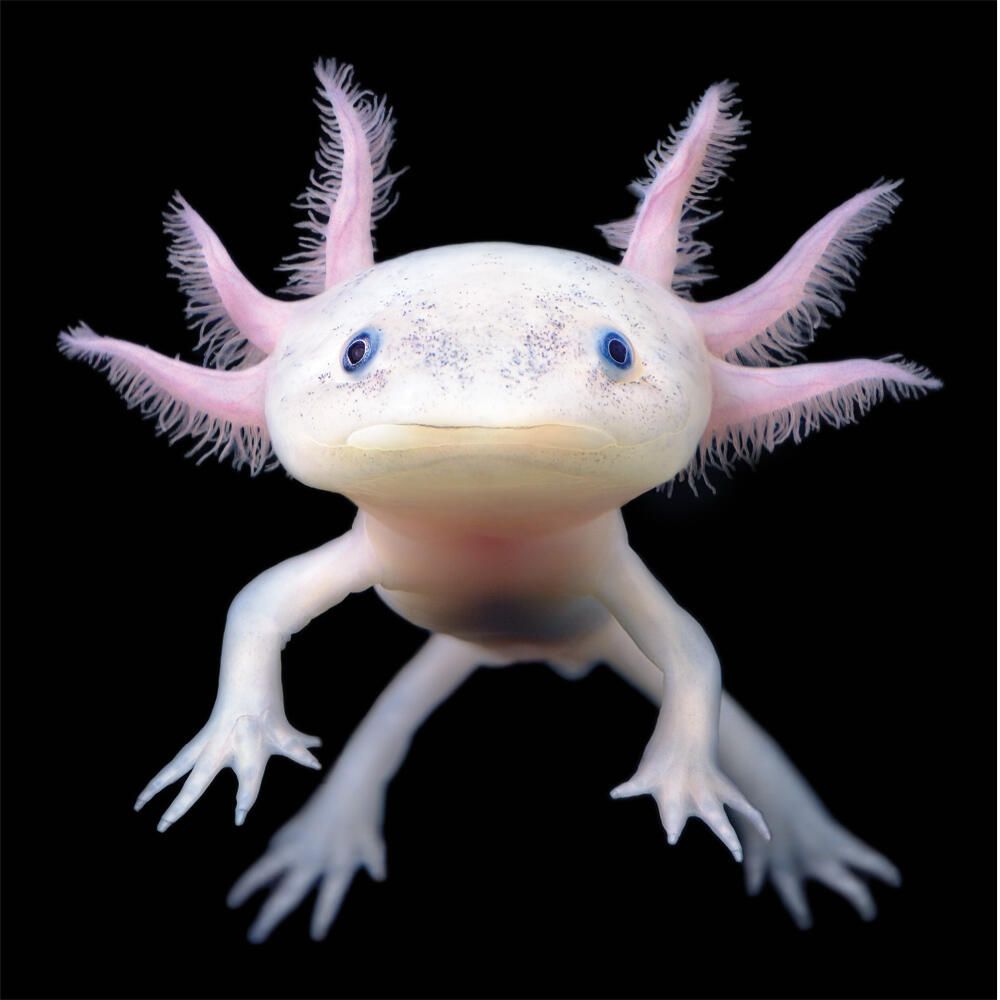
Region: Mexico
Distinctiveness: Unique regenerative abilities.
Threats: Urbanization and water pollution.
Conservation: Captive breeding and habitat restoration in Xochimilco canals.
3. Pygmy Three-Toed Sloth (Bradypus pygmaeus)
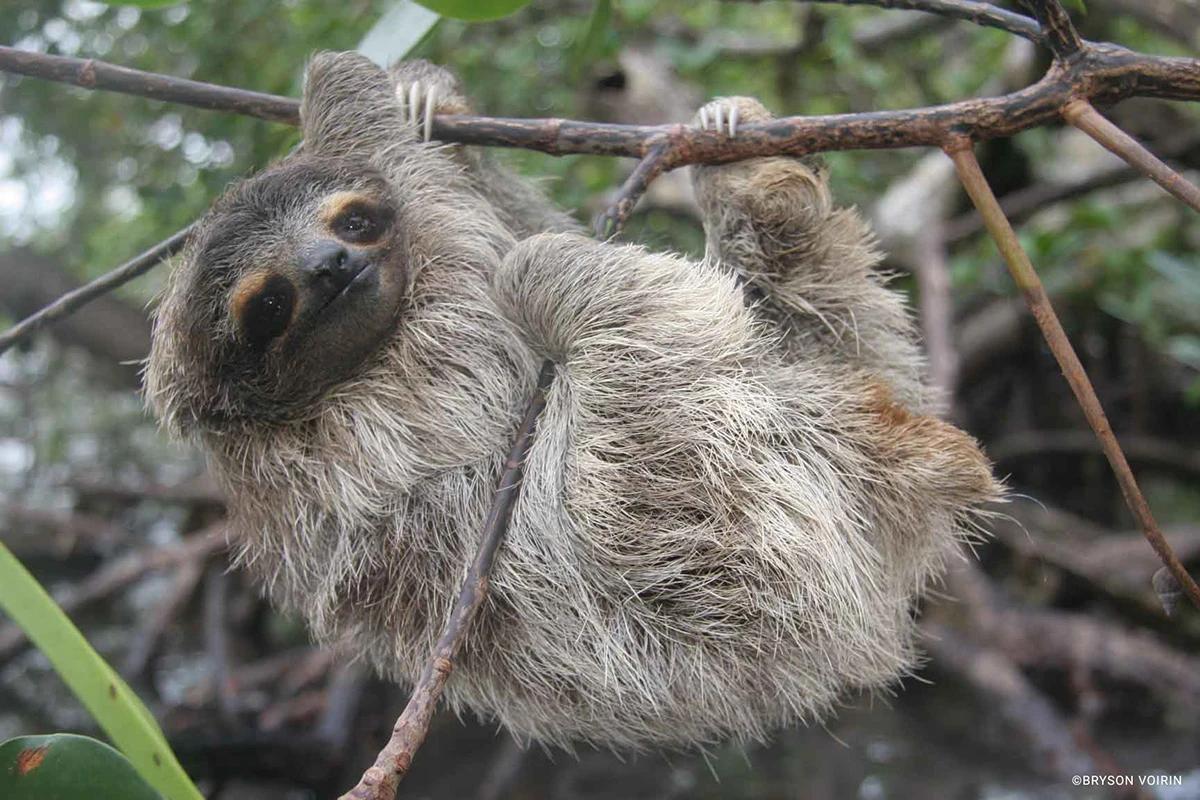
Region: Panama
Distinctiveness: Found only on Isla Escudo de Veraguas.
Threats: Habitat destruction from tourism and logging.
Conservation: Efforts focus on habitat protection and ecotourism management.