Introduction to Pygmalion
Pygmalion: The Greek Influence
Recorded by Ovid in 8 AD, "The Myth of Pygmalion and Galatea" tells the story of the king of Cyprus, named Pygmalion. He found himself growing disgusted with the flaws and struggles of women and vowed to remain celibate and focus on his sculpting.
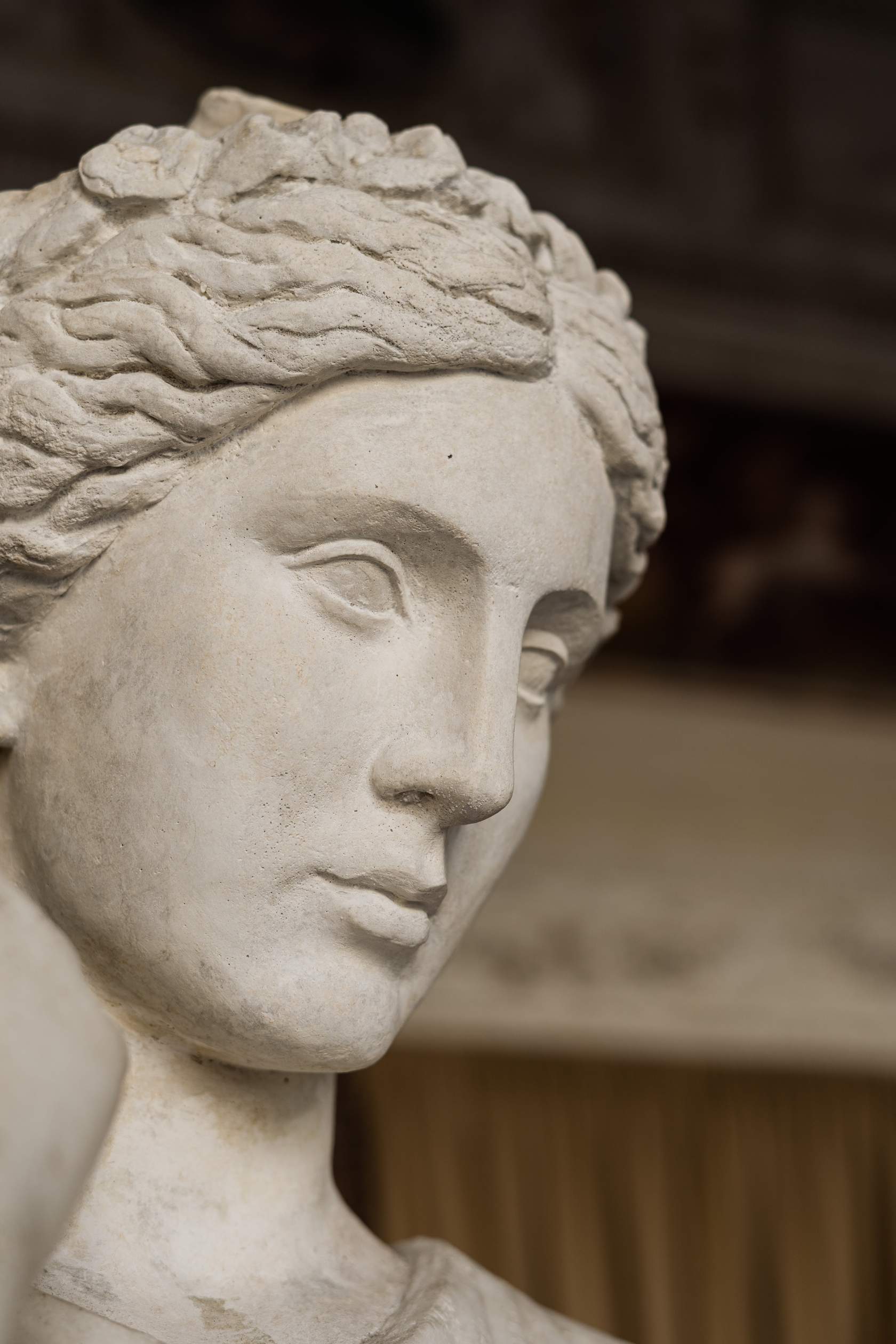
He created a marble sculpture, which was the visual representation of the perfect woman, and began to pray to Aphrodite (goddess of love) that he could find a woman like his sculpture. Aphrodite decided to grant his request and turned his sculpture into a real woman that he could marry and love.
George Bernard Shaw
Shaw was born in Dublin, Ireland, in 1856 to a middle-class family. He was the youngest of four, with older sisters, and lived with both his parents and, at some points in his life, his uncle and also his mother's friend, whom he suspected might have been his biological father. Although his family had a Protestant background, Shaw felt that religion did not do enough to encourage social reform and abandoned the Church, leaning into his political and artistic passions instead.
As a young man, he enjoyed reading and learning but hated attending school as he felt like they were prisons. At 15, he dropped out of school to work full-time, and two years later, he moved to London. While there, he worked ghostwriting for a music magazine, playing piano, and working for the telephone company.

In 1880, he began to pursue writing as a full time career and got more involved in social activities. He was passionate about helping the poor and desired England to become a socialist state if it could become one without a violent uprising.
Shaw began writing plays in the 1890s, influenced by Ibsen's "Drawing Room Dramas." In his plays, he liked to focus on his "perspectives on history, politics, religion, science, and he conflict of life and death" (Levy 95).
Pygmalion: The British Version
In Shaw's version of this tale, a wealthy Englishman takes on a poor girl as a protégée, attempting to make her worthy of society by teaching her proper speech, dress, and manners. The play explores several themes and ideas:
Appearance vs. Heart: Shaw did not like the attitudes of the wealthy people he met, who thought they were better and had more value as humans because they looked and sounded pleasing. In Pygmalion, he critiques these ideas by asking: What makes a person good? Is it their appearance or their heart?
Upper vs. Lower Class/ Societal Expectations: Coming from a middle-class family himself, Shaw had plenty of criticism for the upper-class Englishmen. Especially since his political views aligned more with a socialist perspective; he thought the power to rule should be in the hands of the common man, not in the hands of whoever was the richest. He did not like to see the large disparity between the rich and poor. In Pygmalion, he contrasts these two societies, asking questions like, Who is happier? Who is better? Who is truly growing/transforming, and who is stagnant?
Science vs. Humanity: Like the Greek myth, the wealthy Professor Higgins attempts to sculpt the perfect woman for himself. During the course of the play, Shaw examines if this type of scientific approach is actually helping the poor girl or serving to strip away the humanity of Eliza Doolittle.
Shaw's version of Pygmalion was well-received by audiences and is his most well-known and popular play. He made edits to it throughout his life, and several different versions are in print.
Characters
Eliza Doolittle: A poor flower seller from Covent Garden, London. She attempts to blend into upper-class society by mending everything about her superficial personality, such as her looks and speech. Meanwhile, she maintains a strong and pure heart.
Professor Henry Higgins: A wealthy linguist who brags he can teach anyone to speak like a lady or gentleman. His curiosity in his experiment causes him to focus blindly on achieving results without caring for Eliza as a person.
Colonel Pickering: A friend of Higgins, he makes a bet with the professor over Eliza; Higgins bets he can transfigure Eliza into something like a princess merely by teaching her proper English speech.
Alfred Doolittle: Eliza's father, who does not play much of a fatherly character. He is a lower-class man with no desire for change and doesn't understand or care about his daughter's desire for it.
Mrs. Higgins: Henry's mother who takes an interest in Eliza. She cares for Eliza as a person and wonders about her future.

"Big Ben" and Parliament in London
Annotations
As you read Pygmalion, you will keep annotations and submit them for quiz grades. You can also use your annotations to help you with writing assignments and tests that cover this play.
Review the guide in the section titled "Pygmalion Annotations Guide" and download your annotations sheet.
You will submit a completed annotation sheet for each act of the play. Your sheet should include the following:
At least eight (8) annotations in total
Each annotation should include a reference to where in the play it comes from, the Act/Scene.
Each annotation should provide enough context so that you can tell which character is speaking or you are speaking about and why you chose the quote or moment in the play for this category. You need to write more than just a quote from the play—you need to add a brief explanation of why it stuck out to you. You can look at examples in the Pygmalion Annotation Guide.