Viral Diseases of Domestic Animals
Viral Diseases of Dogs
A. Rabies (Hondsdolheid)
Overview: A fatal viral disease caused by Rabies lyssavirus, affecting warm-blooded vertebrates, posing a serious zoonosis risk for humans.
Preventive Measures: Vaccination of at-risk animals and humans is essential.
A1. Sources of Infection
Transmission: Primarily through bites from infected animals; vector species include dogs (especially unvaccinated), mongooses, jackals, and foxes.
Rare Transmission: Infected ruminants can transmit the virus, but it is uncommon.
A2. Route of Entry / Pathogenesis
Pathway: Introduced through bites leading to nervous system infection.
Virus concentrated in saliva
Incubation lasts weeks to months
Spreads to the brain and spinal cord
A3. Clinical Signs
A3.1. In Dogs
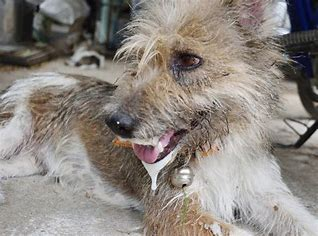
Excitability, aggression, inability to swallow, excessive salivation, aimless wandering
Fixed stare, characteristic howling/barking, paralysis leading to death
Forms: Furious (aggressive behavior) or dumb (neurological symptoms).
A3.2. In Cattle
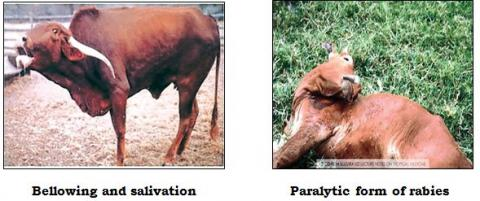
Unsuccessful drinking attempts (hydrophobia), salivation, aggression, locomotion disturbances, and severe gastrointestinal symptoms.
A3.3. In Wildlife
E.g., mongooses, jackals exhibit curiosity/dangerous behavior; aggressive attacks on other animals.
A4. Diagnosis
Handle with care; veterinary intervention is crucial for suspected cases.
Observation, euthanasia, and laboratory testing of brain tissue are standard procedures.
A5. Community Preventative Measures
Vaccination policies for dogs/cats (every 3 years).
B. Canine Distemper
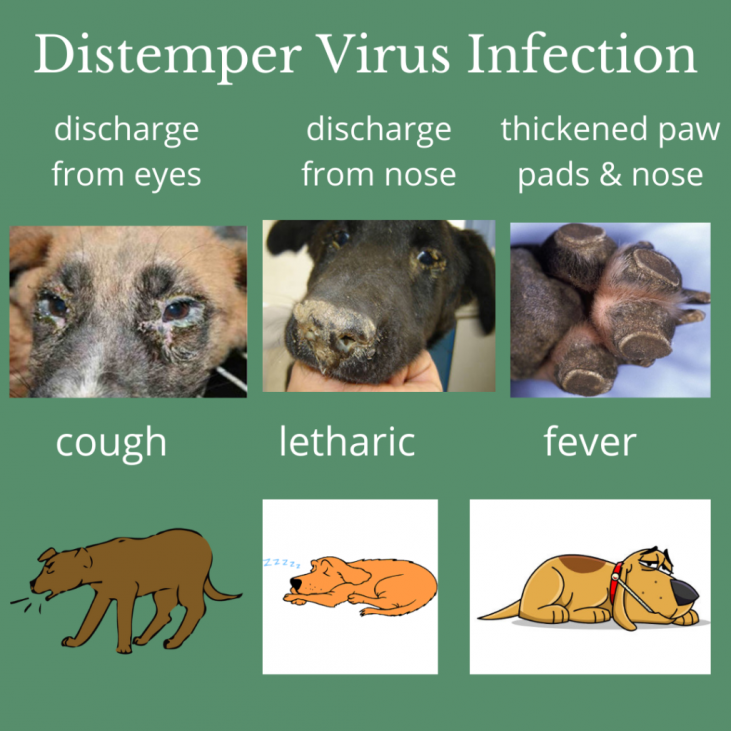
Overview: Highly contagious viral disease affecting dogs, characterized by fever, pneumonia, and neurological symptoms.
Pathogen: Canine morbillivirus.
B1. Sources of Infection
Excreted through aerosols and body fluids by infected animals.
Common in unvaccinated populations, particularly in high-density settings (animal shelters, kennels).
B2. Transmission
Mainly through respiratory droplets.
At-Risk: Puppies and unvaccinated dogs in close contact.
B3. Clinical Signs
Acute: Mucopurulent discharge, coughing, vomiting, diarrhea, skin lesions, thickened paw pads.
Chronic: Neurological symptoms such as seizures or involuntary muscle twitching.
B4. Diagnosis
Combination of clinical signs, history, and laboratory tests.
B5. Treatment
No specific antiviral; supportive care includes antibiotics for secondary infections and management of dehydration.
C. Kennel Cough
\
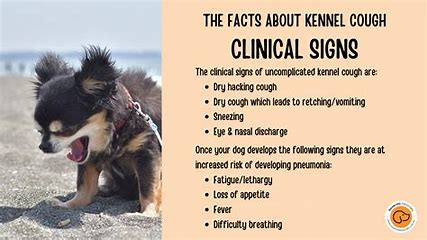
Overview: Respiratory syndrome caused by multi-factorial pathogens including Mammalian orthorubulavirus 5 and Canine mastadenovirus A.
C1. Transmission & Sources of Infection
Primarily spread in kennels through coughing and close contact, worsened by stress and poor environmental conditions.
C2. Clinical Signs
Gagging and severe coughing, usually following kennel exposure.
C3. Treatment & Prevention
Supportive treatment; antibiotics for systemic signs. Vaccination available and recommended before kennel entry.
D. Canine Parvovirus (CPV)
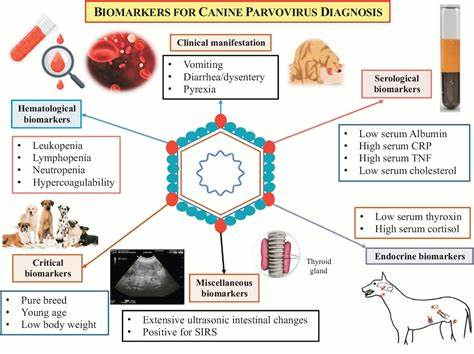
Overview: Highly contagious gastroenteritis in dogs.
D1. Clinical Signs
Severe dehydration, vomiting, and diarrhea; rapid weight loss.
D2. Diagnosis
Based on clinical signs and laboratory tests (ELISA, PCR).
D3. Vaccination and Management
Vaccines at 8 weeks; revaccination every 3 years.
E. Infectious Canine Hepatitis (ICH)
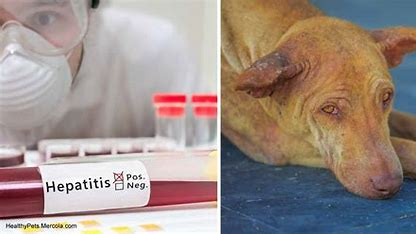
Overview: Contagious viral disease with serious effects on younger dogs.
E1. Clinical Signs
Jaundice, abdominal pain, bloody diarrhea, and vomiting.
E2. Diagnostics
Fluid therapy, blood transfusions, vaccination.
F. Canine Herpesvirus
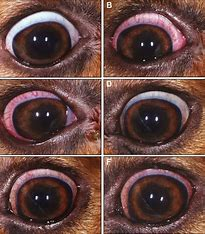
Overview: Fast-acting disease in puppies leading to high mortality rates; requires careful environmental management post-whelping.
Viral Diseases of Cats
A. Feline Respiratory Disease (FRD)
Overview: Multifactored disease caused mainly by FeHV-1 and FCV, often with secondary infections.
A1. Transmission
Close contact with infected carriers during stress phases.
A2. Clinical Signs & Management
Fever, sneezing, eye discharge; treat with anti-microbials and maintain hydration.
A3. Vaccination Schedule
Vaccinations recommended starting at 8 weeks and revaccination annually.
B. Feline Panleukopenia (FPL)
Overview: Highly contagious, fatal to young cats, destroys actively dividing cells.
B1. Treatment & Prevention
Supportive care; vaccination at an early age critical for prevention.
C. Feline Leukemia Virus (FeLV)
Overview: Oncovirus leading to a variety of health issues, vertically transmitted.
C1. Control Measures
Test before vaccination; manage only negative cats with vaccinations.
D. Feline Immunodeficiency Virus (FIV)
Overview: Lentivirus leading to chronic immune suppression.
D1. Signs & Management
Acute signs lead to long-term chronic effects requiring supportive treatment.
E. Feline Infectious Peritonitis (FIP)
Overview: Fatal disease linked to coronavirus mutations.
E1. Management & Control
High prevention is critical; avoid exposure in multi-cat environments.
Viral Diseases of Horses
A. African Horse Sickness (AHS)
Overview: Transmitted by midges, characterized by serotypes; affects horses.
A1. Management
Vaccination before peak seasons; control of insect populations critical.
B. Equine Encephalosis Virus Infection
Overview: Mild cases may develop severe neurological signs; control via quarantines.
C. Equine Influenza
Overview: Highly contagious respiratory disease that affects all equids.
C1. Prevention & Control
Routine vaccinations, isolation of sick animals, and infection control measures are necessary.
D. Equine Rhinopneumonitis/Abortion
Overview: Caused by EHV-1 and EHV-4; vaccination of pregnant mares and biosecurity measures critical.
Viral Diseases of Sheep and Goats
A. Bluetongue (BT)
Arthropod-borne illness affecting sheep; monitor vector populations.
A1. Clinical Signs
Hyperemia of mucosa, excessive salivation; steady management prevents high mortality.
B. Orf (Contagious Pustular Dermatitis)
Overview: Affecting young animals primarily; management through supportive care.
C. Rift Valley Fever (RVF)
Mosquito-borne virus; vaccination provides lifelong immunity.
Viral Diseases of Cattle
A. Bovine Viral Diarrhoea/Mucosal Disease (BVD/MD)
Overview: Subclinical or severe with potentially fatal outcomes; effective management critical.
A1. Control Strategies
Quarantine, vaccination, and testing are essential for herd immunity.
B. Lumpy Skin Disease (LSD)
Caused by Capripox virus; control measures include vaccination.
C. Foot and Mouth Disease (FMD)
Highly contagious; vaccination and management protocols must be strictly followed to prevent outbreaks.