User Experience (UX) Design
Understanding UX
👤 User experience (UX) design: focuses on creating intuitive and seamless products for users, prioritizing functionality over aesthetics. A successful UX is unobtrusive, enabling users to complete tasks effortlessly.
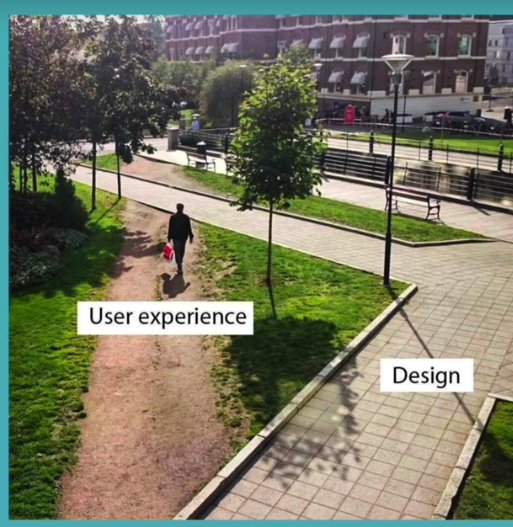
🏫 The architect's parable illustrates this: Instead of pre-planning paths across a college campus, the architect let the students naturally wear down the grass over a year, revealing their preferred routes. Only then were proper paths paved, aligned to real user behavior.
Key Principles
💡 Simplicity: Prioritize simplicity over complexity and clutter. Compare cluttered news site Sina to clean alternative Monocle. Use:
white space
consistent colors
typography
No-no’s

Yes

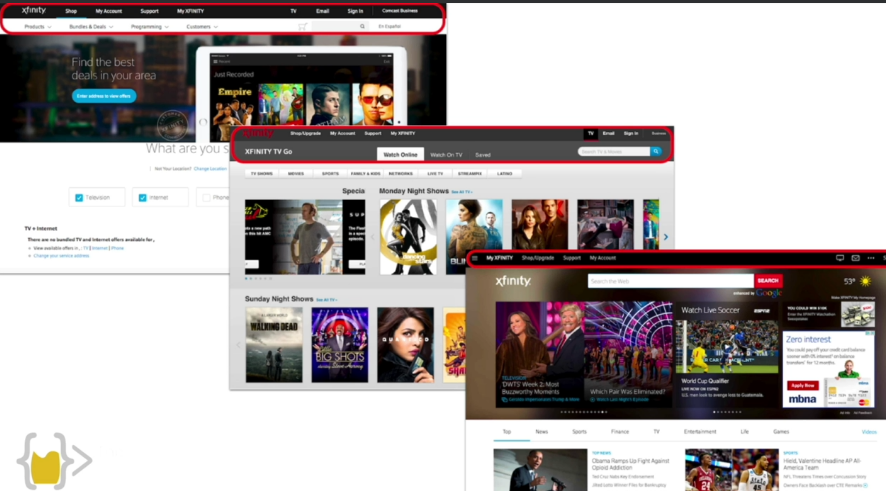
🔄 Consistency: Xfinity's website shows inconsistency with navigation bars changing unpredictably, causing confusion for users, especially older ones.
Wrong
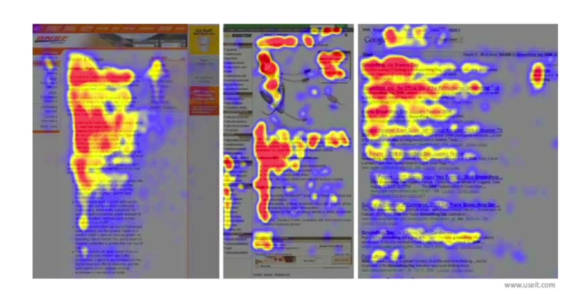
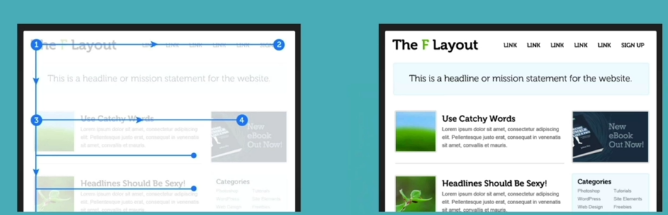
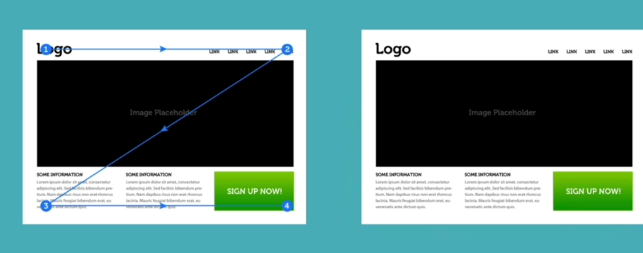
👀 User Reading Patterns: Design your layout to match common reading patterns like:
F-Pattern (eyes drawn across the top, then scanning down the left side)
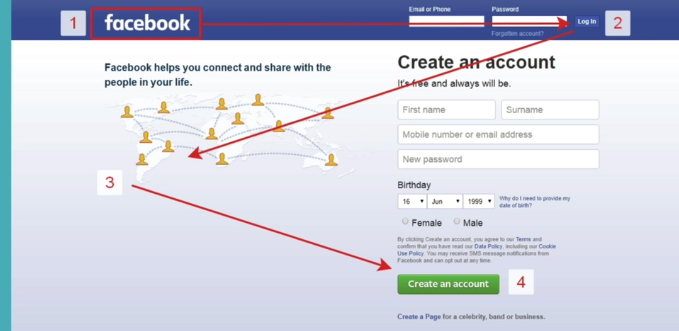
Z-Pattern (zig-zagging down the page). Facebook leverages the Z-Pattern effectively.
📱💻 Responsive Design: Websites need to be mobile responsive to adjust well between desktop and mobile screens, avoiding small elements on mobile and making good use of desktop space.
📊 User Testing: Continuously user test your designs across devices and iterate based on feedback. Employ professional testers if possible, or lean on friends/family. The goal is to optimize the user experience.
Dark Patterns
🚫Some designers use unethical tactics like "dark patterns" to manipulate users for business gain, resulting in a negative user experience.
Examples include:
👀 Visual tricks like Snapchat's fake image hair
🔍 Burying opt-outs in hard-to-find menus like Ryanair
❓ Confusing double-negative checkboxes when signing up
While effective at achieving business aims, dark patterns damage user trust and should be avoided in favor of an honest, transparent UX.