Endocrine System
Overview of the Endocrine System
Mechanisms of Communication Between Cells
Gap Junctions: Allow signaling molecules, nutrients, and electrolytes to travel directly between cells.
Neurotransmitters: Released from neurons, travel across the synaptic cleft to reach the next cell.
Paracrines: Chemicals secreted into tissue fluids that affect nearby cells.
Hormones: Chemical messengers that circulate in the bloodstream to stimulate physiological responses in distant tissues and organs.
Key Concepts in Endocrinology
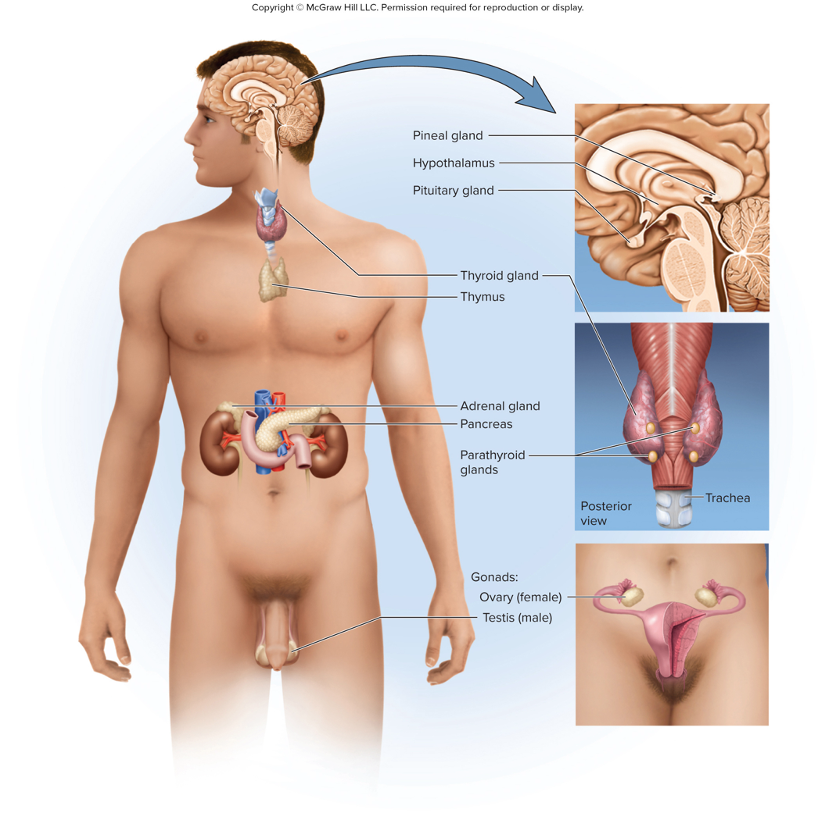
Endocrine System: Consists of glands, tissues, and cells that secrete hormones.
Endocrinology: The study of the endocrine system and its disorders.
Endocrine Glands: Organs that are sources of hormones without ducts, containing networks of capillaries for hormone uptake.
Comparison of Endocrine and Exocrine Glands
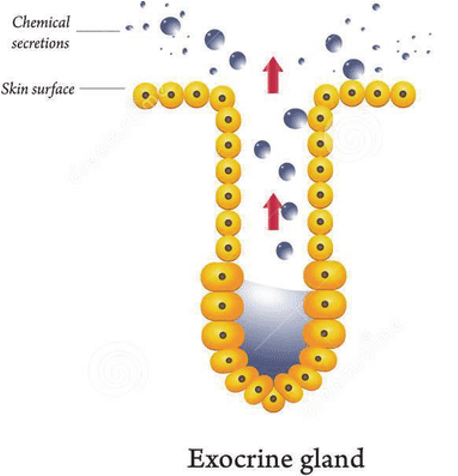
Exocrine Glands:
Have ducts; carry secretions to epithelial surfaces or the digestive tract.
Serve external secretions and produce extracellular effects like food digestion.
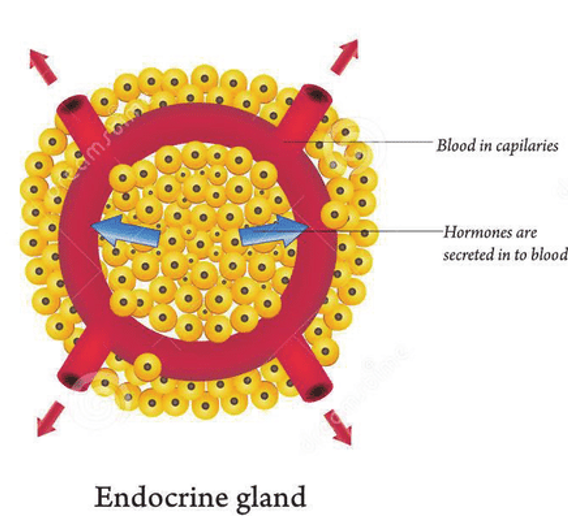
Endocrine Glands:
No ducts; utilize fenestrated capillaries for easy hormone uptake.
Provide internal secretions with intracellular effects, such as altering cell metabolism.
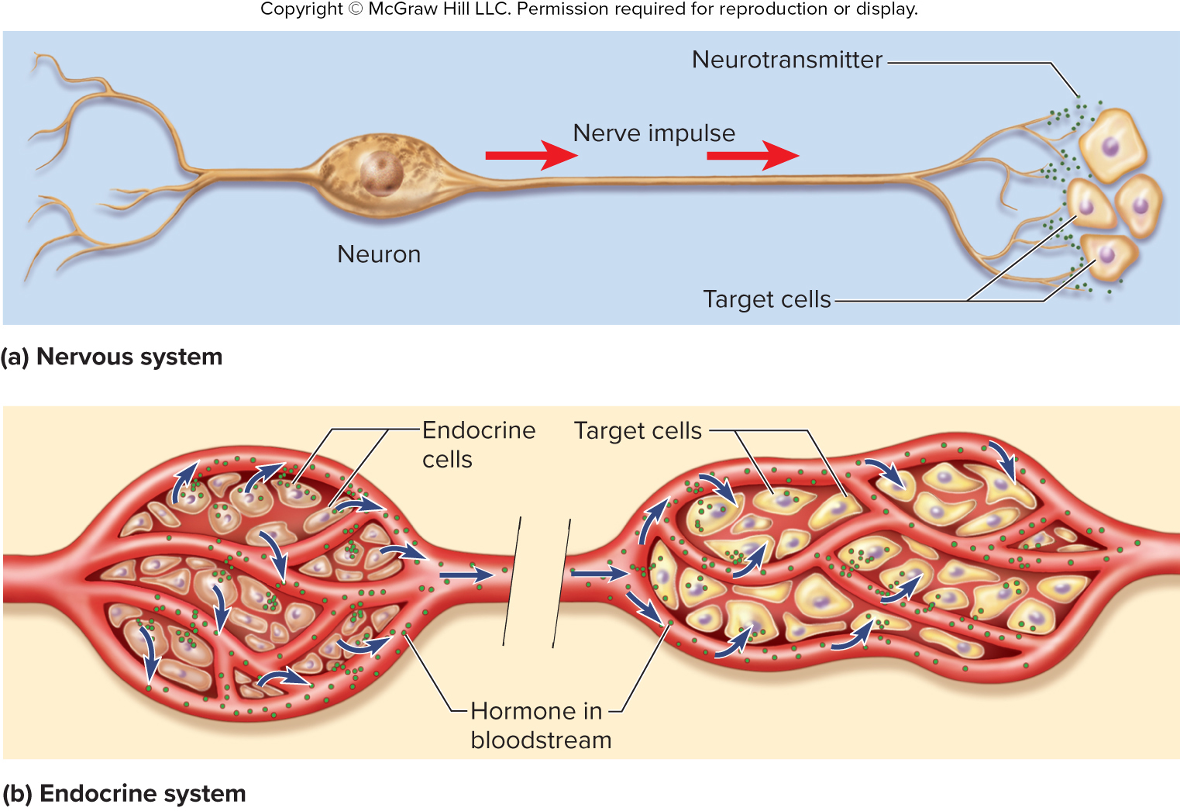
Nervous vs. Endocrine Systems
Speed and Persistence of Response:
Nervous System: Reacts quickly (milliseconds) and stops quickly.
Endocrine System: Reacts slowly (seconds to days), effects may last for days or longer.
Adaptation to Long-term Stimuli:
Nervous System: Quick adaptation, response declines.
Endocrine System: Slow adaptation, response persists.
Area of Effect:
Nervous System: Targeted and specific to one organ.
Endocrine System: General, widespread effects on multiple organs.
Chemical Overlap:
Certain chemicals function as both hormones and neurotransmitters (e.g., norepinephrine).
Regulatory Interaction:
Two systems can influence each other; neurotransmitters can affect glands and hormones can affect neurons.
Hormones and Their Actions
Target Organs/Cells:
Organs or cells that have receptors for a hormone and can respond.
Some target cells convert circulating hormones to more active forms.
Hypothalamus and Pituitary Gland Anatomy
Hypothalamus:
Shaped like a funnel, regulates multiple primitive functions (water balance, thermoregulation, sex drive) through the pituitary gland.
Pituitary Gland:
Two parts (anterior and posterior), linked to the hypothalamus by the infundibulum.
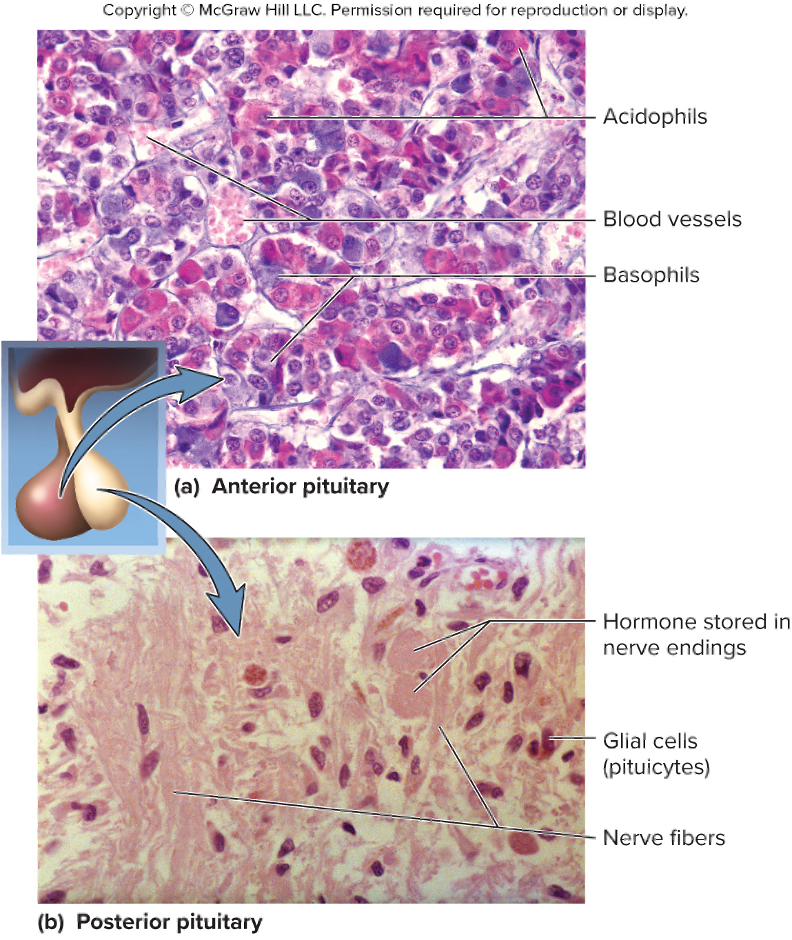
Anterior Pituitary: Linked via the hypophyseal portal system and regulated by hypothalamic hormones.
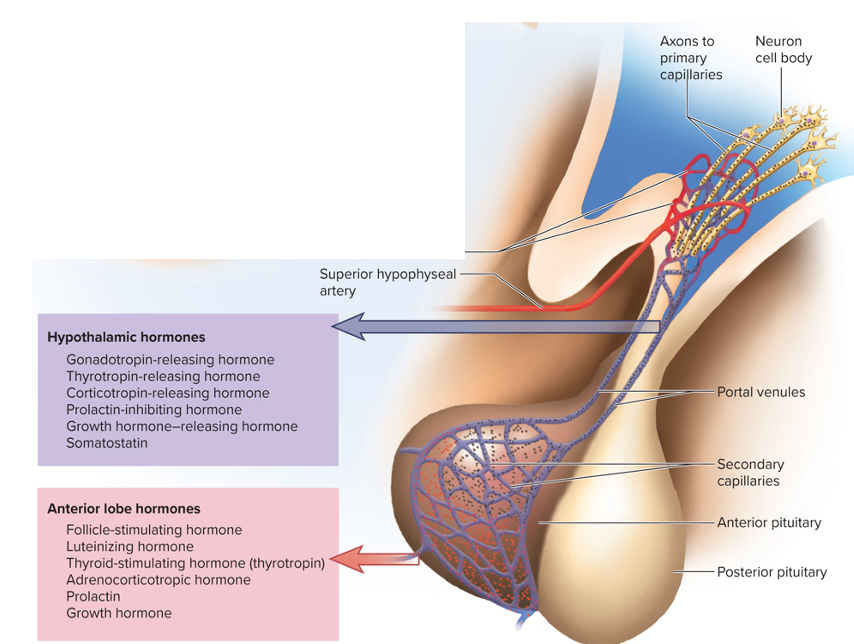
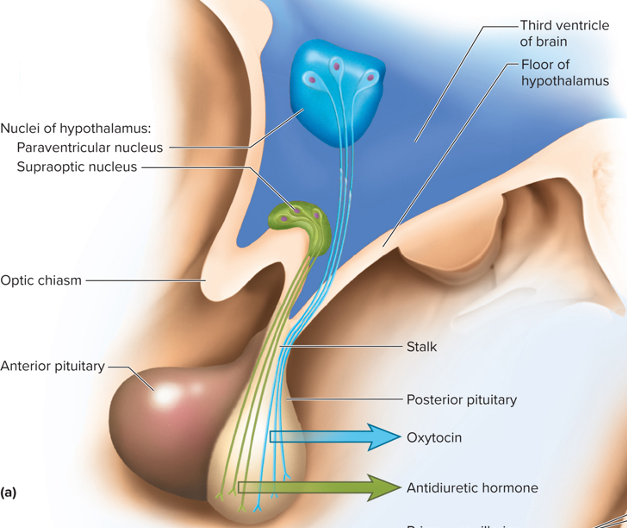
Posterior Pituitary: Composed of nerve tissue; hormones are stored here from the hypothalamus.
Hypothalamic Hormones
Regulation of Anterior Pituitary:
Gonadotropin-releasing hormone (GnRH): Stimulates gonadotropin release.
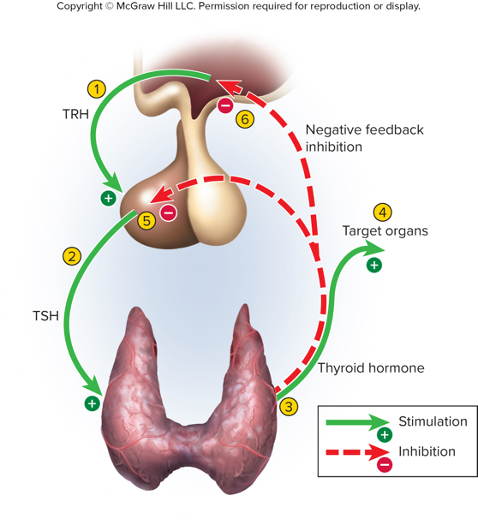
Thyrotropin-releasing hormone (TRH): Stimulates TSH release.
Corticotropin-releasing hormone (CRH): Stimulates ACTH release.
Prolactin-inhibiting hormone (PIH): Inhibits prolactin release.
Growth hormone-releasing hormone (GHRH): Stimulates GH release.
Somatostatin: Inhibits GH and TSH release.
Mnemonic : Golden Tides Caress Peaceful Sunset Gardens 🌅🌿
Stored in Posterior Pituitary:
Oxytocin (OT): Stimulates labor contractions and milk release.
Antidiuretic hormone (ADH): Stimulates water retention in kidneys.
Anterior Pituitary Hormones
Major Hormones Secreted:
Follicle-stimulating hormone (FSH): Stimulates secretion of ovarian sex hormones and sperm production.
Luteinizing hormone (LH): Stimulates ovulation and testosterone secretion.
Thyroid-stimulating hormone (TSH): Stimulates thyroid hormone secretion.
Adrenocorticotropic hormone (ACTH): Stimulates adrenal cortex glucocorticoid secretion.
Prolactin (PRL): Stimulates mammary glands for milk synthesis.
Growth hormone (GH): Stimulates mitosis and cellular differentiation.
Mnemonic : Fresh Ladies Think About Pretty Gardens 🌸🌿
Posterior Pituitary Hormones
Functions of Hormones:
Antidiuretic hormone (ADH): Increases water retention; prevent dehydration.
Oxytocin (OT): Various reproductive functions, labor contractions, milk flow stimulation.
Control of Pituitary Secretion
Regulation:
Rates of secretion regulated by the hypothalamus and feedback from target organs.
Feedback Mechanisms:
Negative feedback: Increased target organ hormone levels inhibit hypothalamic/pituitary hormones (e.g., TH inhibits TRH and TSH).
Positive feedback: E.g., uterine stretching increases OT release for contraction.
Growth Hormone (GH) Action
Mechanisms:
Promotes Growth: Affects cartilage, bone, muscle, and fat.
Stimulates Liver: Produces IGFs (Insulin-like growth factors) that prolong GH action.
Metabolic Effects:
Protein Synthesis: Enhances amino acid uptake and protein synthesis.
Lipid Metabolism: Stimulates fat catabolism.
Carbohydrate Metabolism: Mobilizes fatty acids, freeing glucose for the brain.
Secretion Patterns: Fluctuates throughout the day; peaks after sleep and exercise.
Effects of Aging: GH levels decline with age, contributing to muscle and tissue loss.
Pineal Gland
Location: Attached to the roof of the third ventricle; undergoes involution with age.
Function: Synthesizes melatonin; influences circadian rhythms, sleep, and puberty.
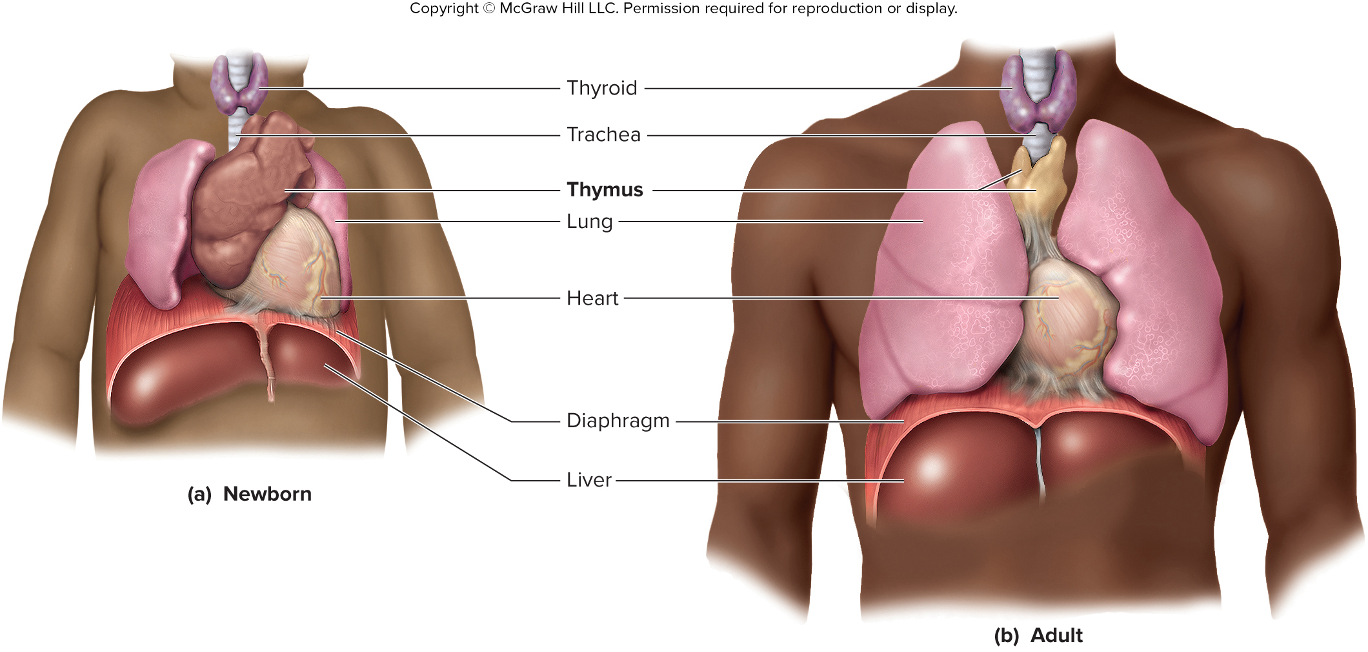
Thymus
Role: Functions in the endocrine, lymphoid, immune systems—site of T cell maturation.
Hormones: Thymopoietin, thymosin, and thymulin stimulating development of lymphoid organs.
Thyroid Gland
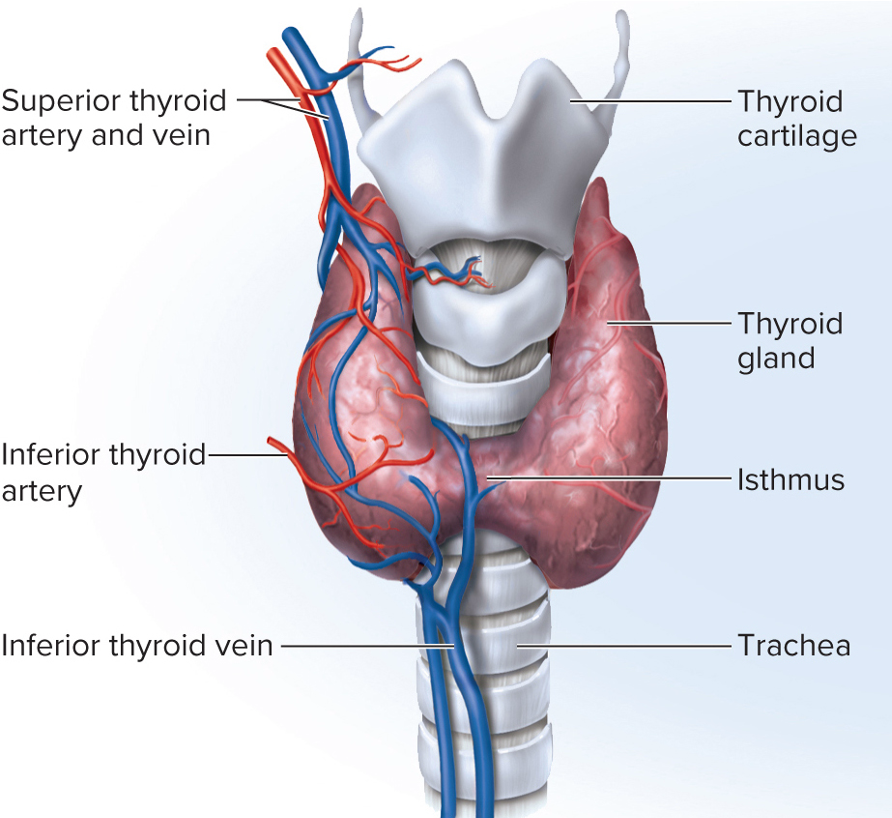
Structure: Largest purely endocrine gland; consists of two lobes connected by isthmus.
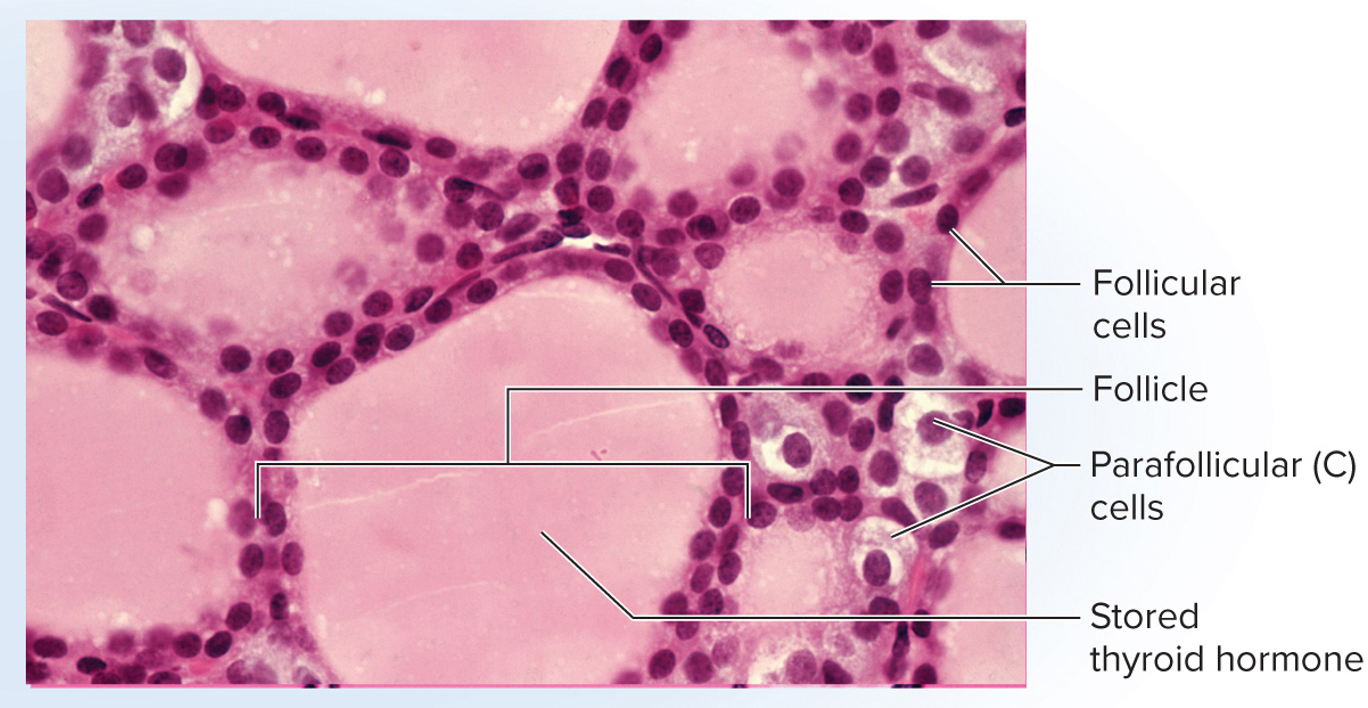
Functions: Produces TH (T3 and T4) that regulate metabolism, growth, and development.
Calcitonin: Secreted by parafollicular cells, helps lower blood calcium by stimulating bone formation.
Parathyroid Glands
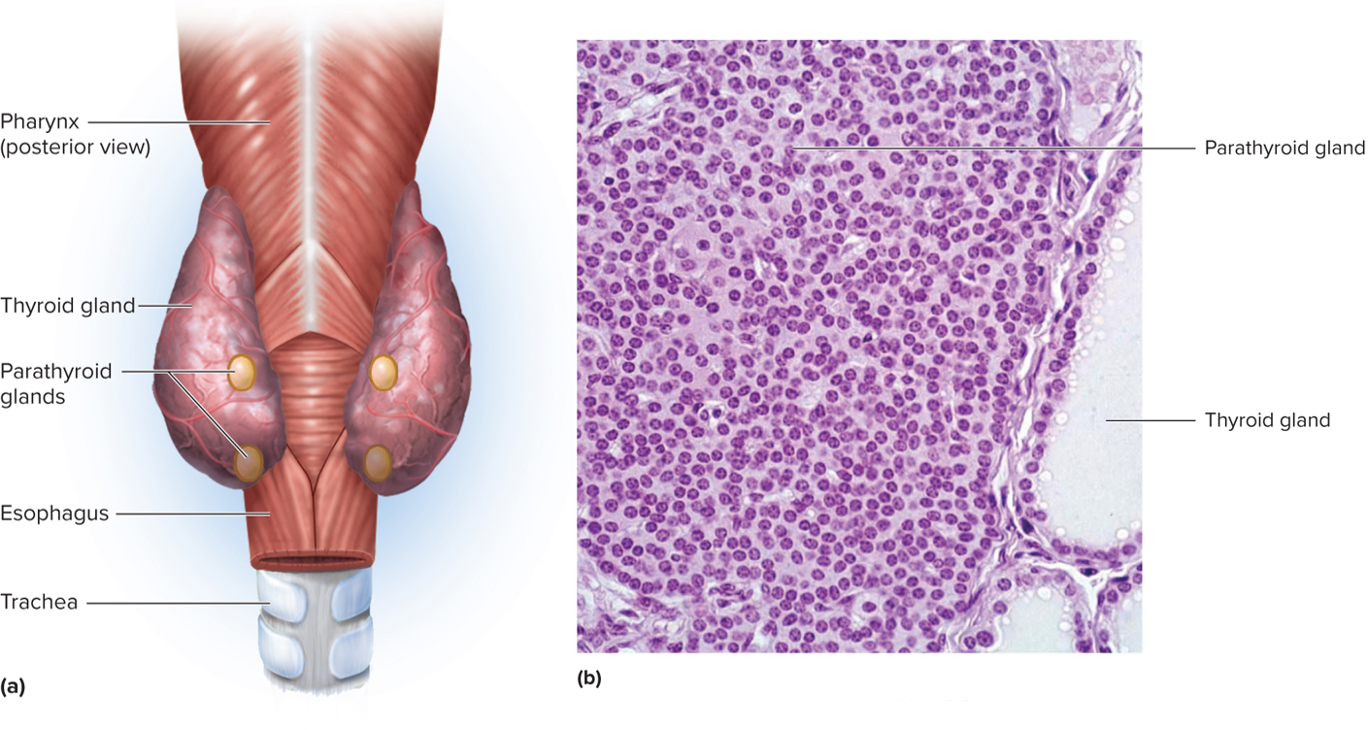
Function: Secrete parathyroid hormone (PTH), which increases blood calcium levels and promotes calcitriol synthesis.
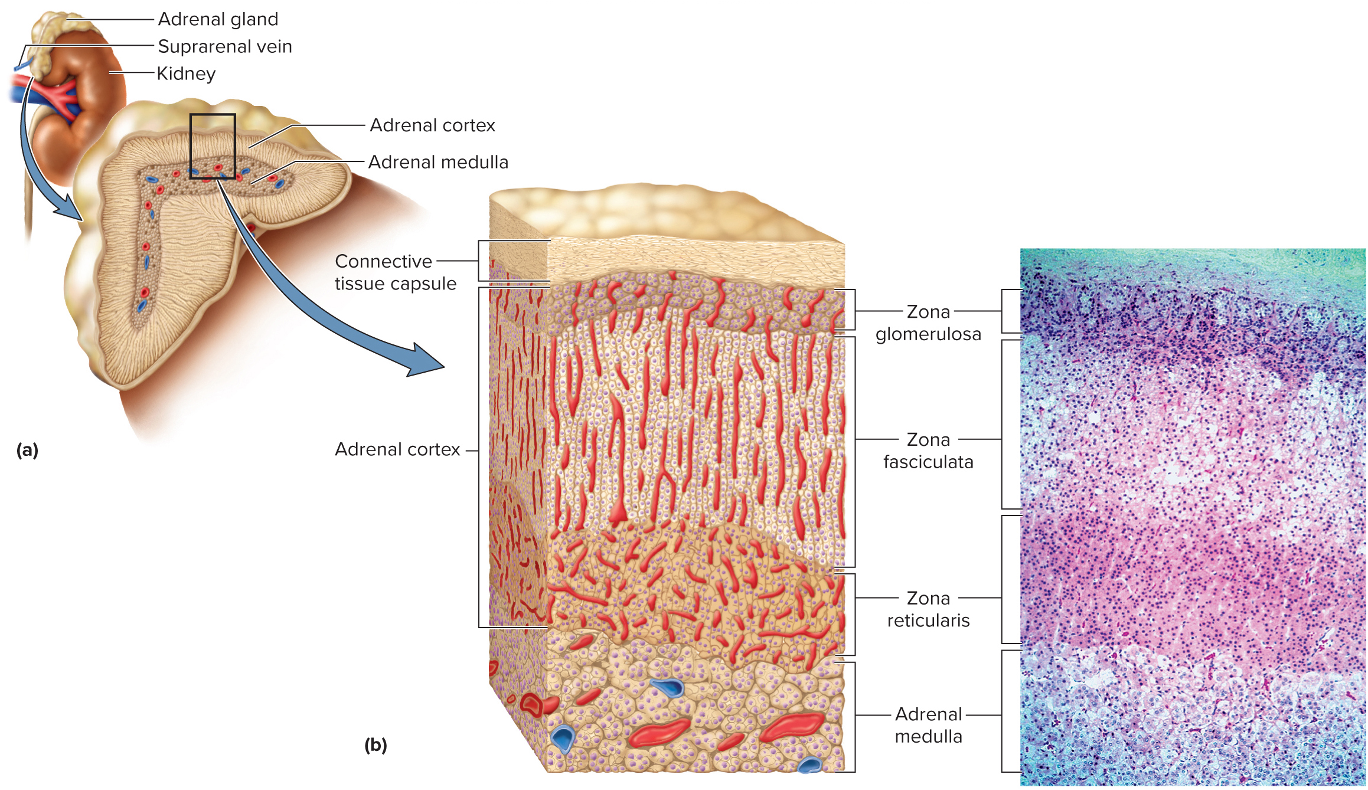
Adrenal Glands
Structure: Two parts, adrenal medulla (inner) and adrenal cortex (outer).
Medulla: Releases catecholamines (epinephrine and norepinephrine) in response to stress, affecting heart rate and metabolism.
Cortex: Secretes corticosteroids, including aldosterone (regulates electrolytes) and cortisol (regulates metabolism and stress response).
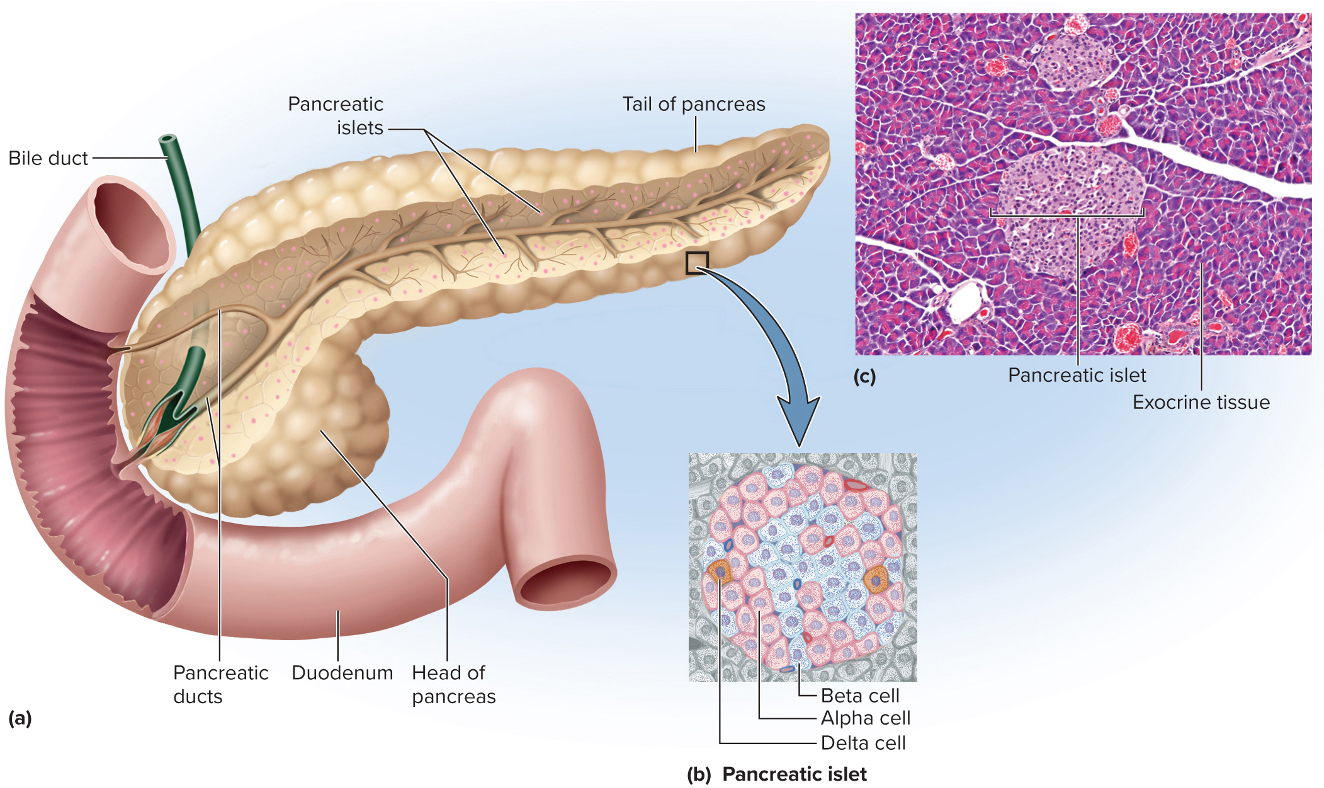
Pancreatic Islets
Roles: Contain alpha cells (glucagon) and beta cells (insulin); regulate blood glucose levels.
Alpha cells: Secrete glucagon to raise blood glucose levels.
Beta cells: Secrete insulin to lower blood glucose levels and enhance nutrient uptake.
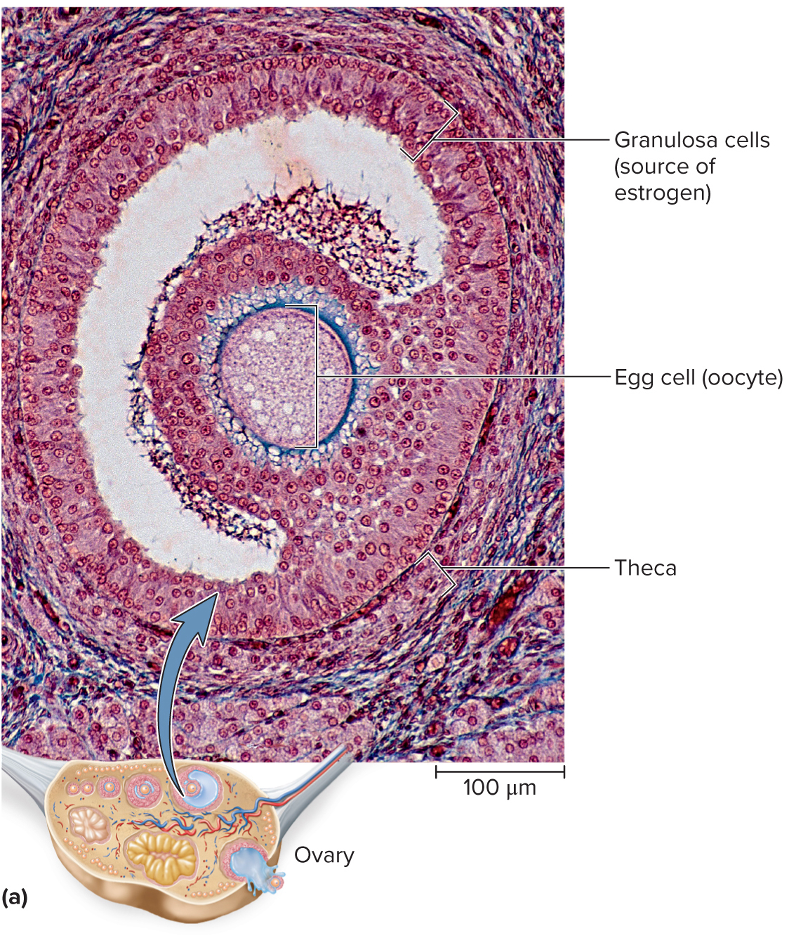
Gonads
Functions of Ovaries: Produce eggs and secrete hormones (estradiol, progesterone).
Functions of Hormones: Regulate menstrual cycle, sustain pregnancy.
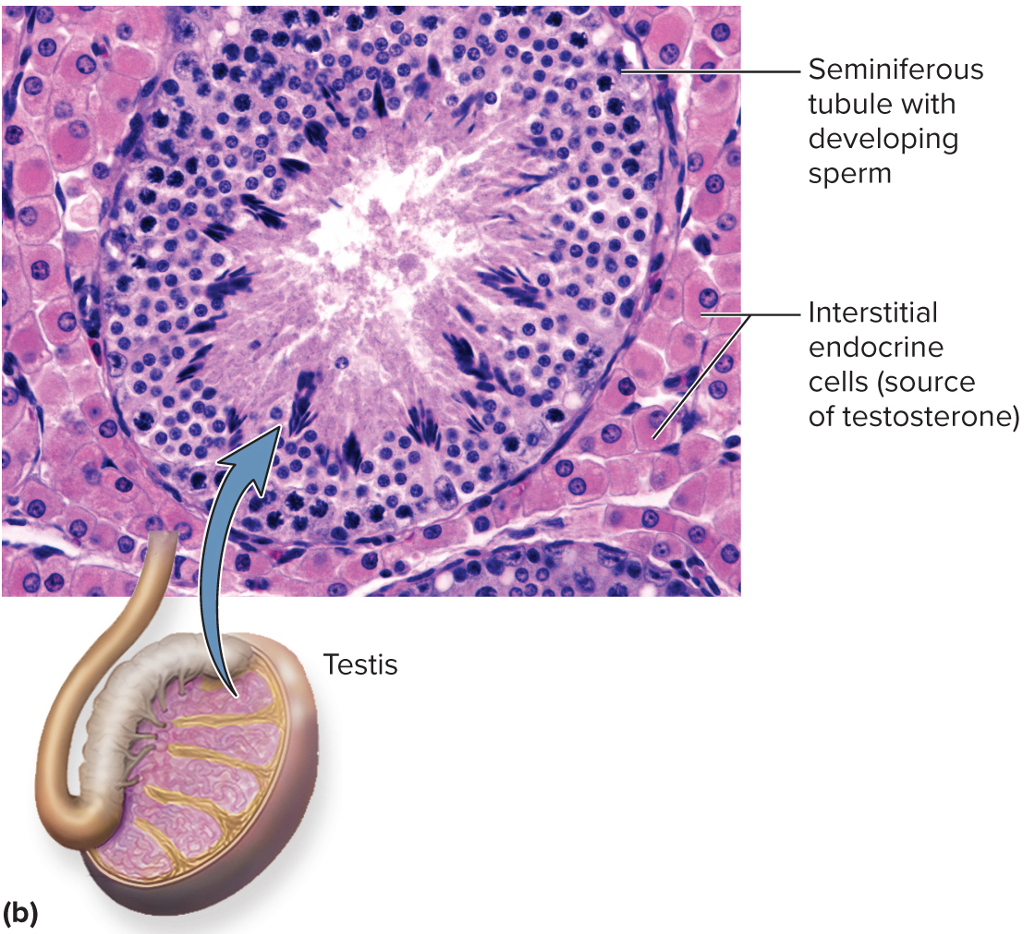
Testicular Functions: Produce sperm and secrete testosterone for male development and reproductive function.
Endocrine Functions Beyond Glands
Additional Functions:
Skin, liver, kidneys, heart, skeletal muscles, adipose tissue, and placenta secrete hormones impacting homeostasis and metabolism differently.
Hormone Chemistry
Classes of Hormones:
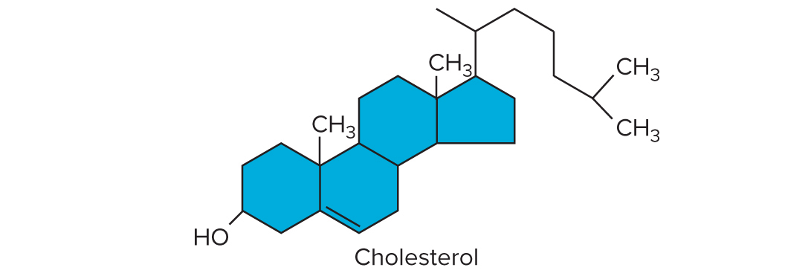
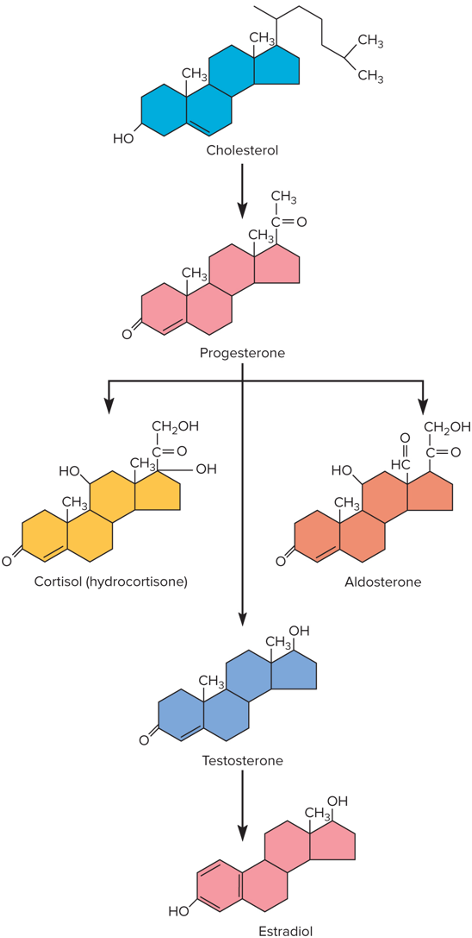
Steroids: Derived from cholesterol.
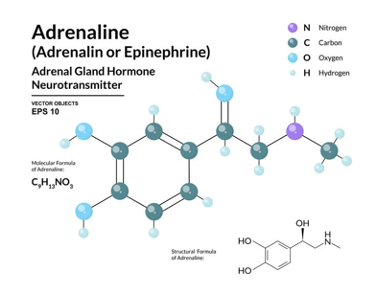
Monoamines: From amino acids, e.g., catecholamines and melatonin.
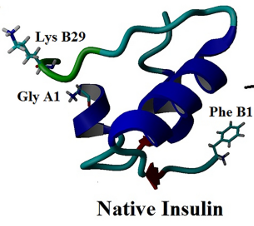
Peptides: Chains of amino acids, e.g., insulin.
Hormone Synthesis & Secretion
Fluctuation of Secretion: Hormones secreted based on daily rhythm or specific stimuli (neural, hormonal, humoral).
Transport: Hormones are either free or bound to plasma proteins.
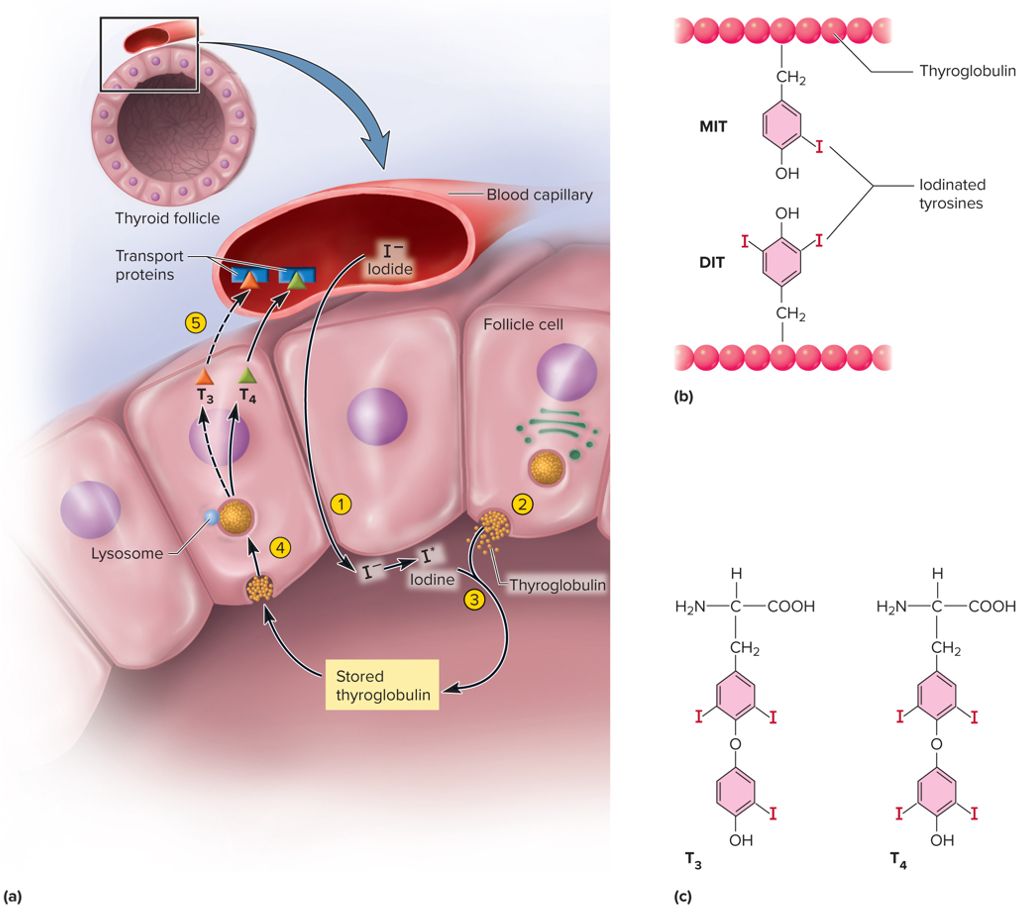
Hormonal Action Mechanisms
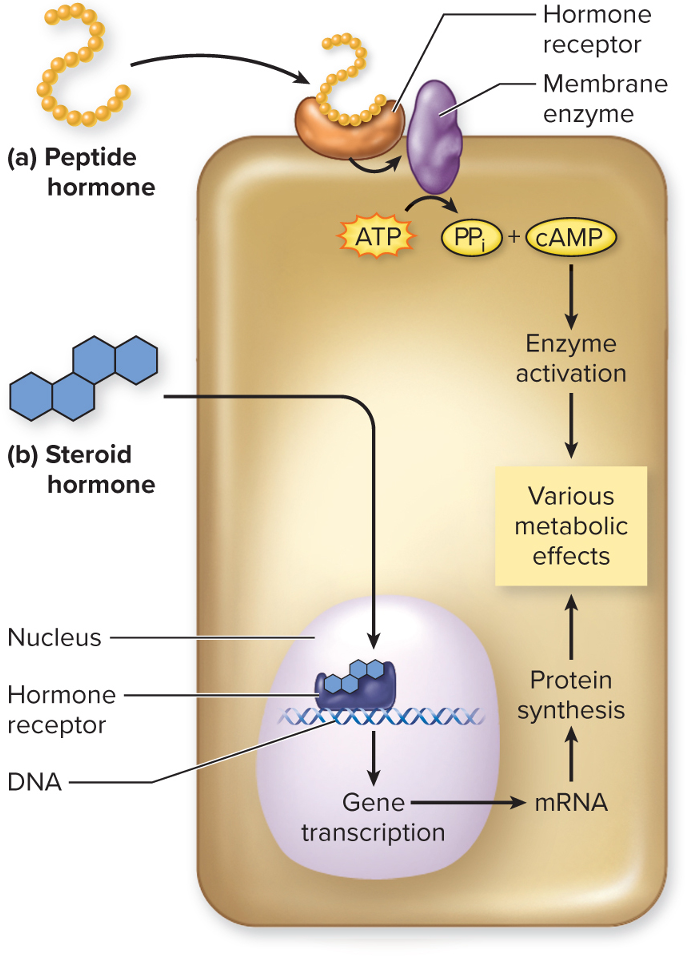
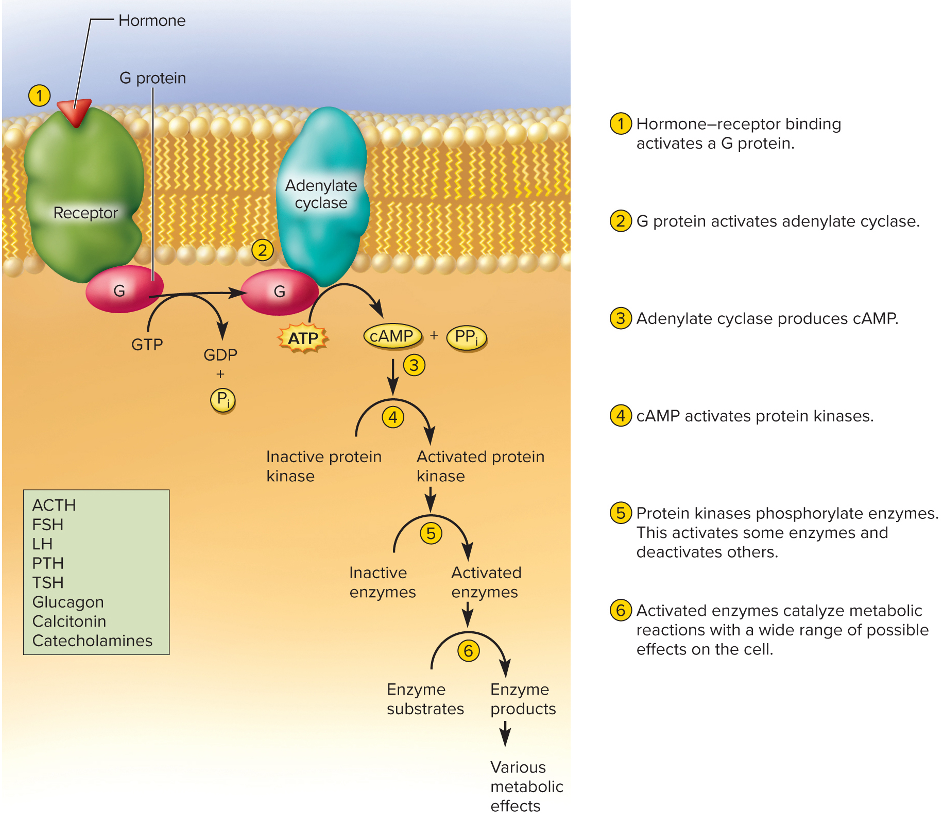
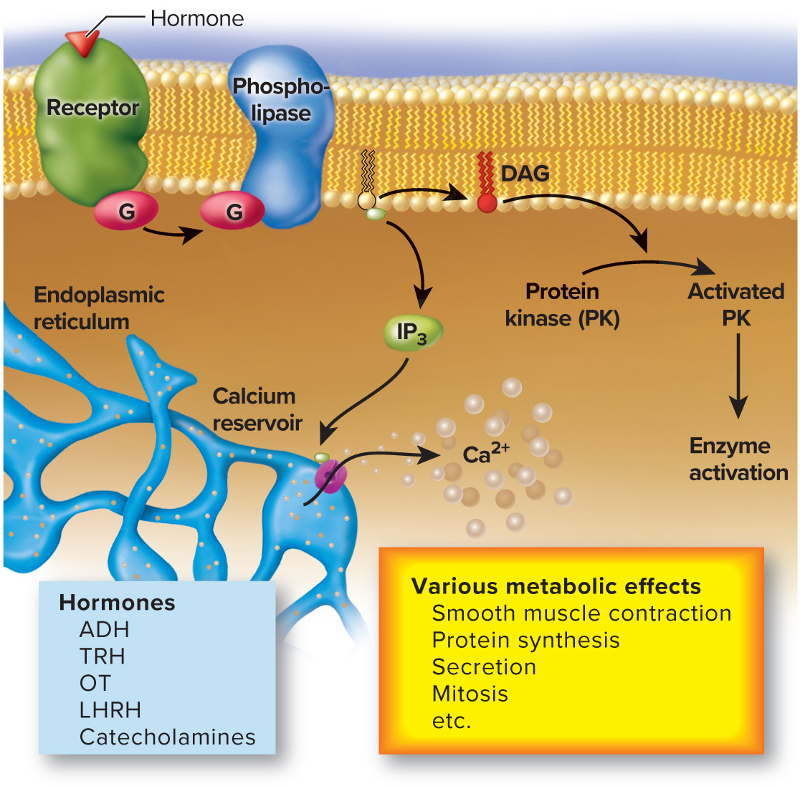
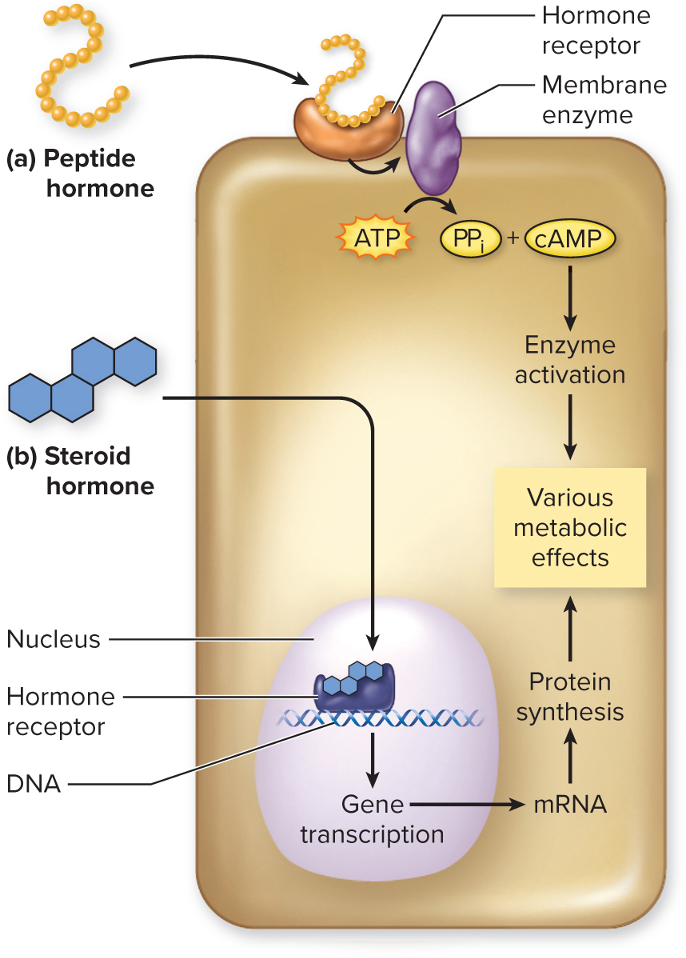
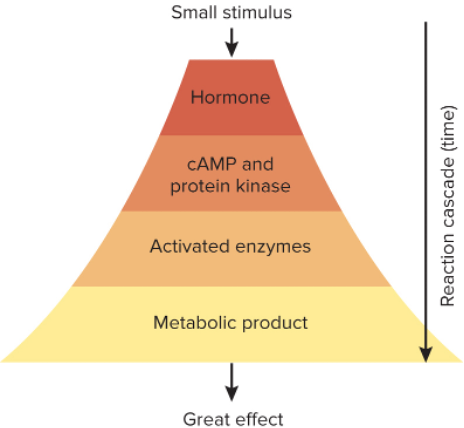
Specificity: Hormones bind to specific receptors, activating cellular processes through different mechanisms (e.g., cAMP, DAG).
Hydrophilic vs. Hydrophobic:
Hydrophilic: Bind to surface receptors; effects are rapid.
Hydrophobic: Pass through membranes, bind to intracellular receptors; effects take longer.
Hormone Interactions & Sensitivity Regulation
Interactions: Hormones can have synergistic, permissive, or antagonistic effects on target cells.
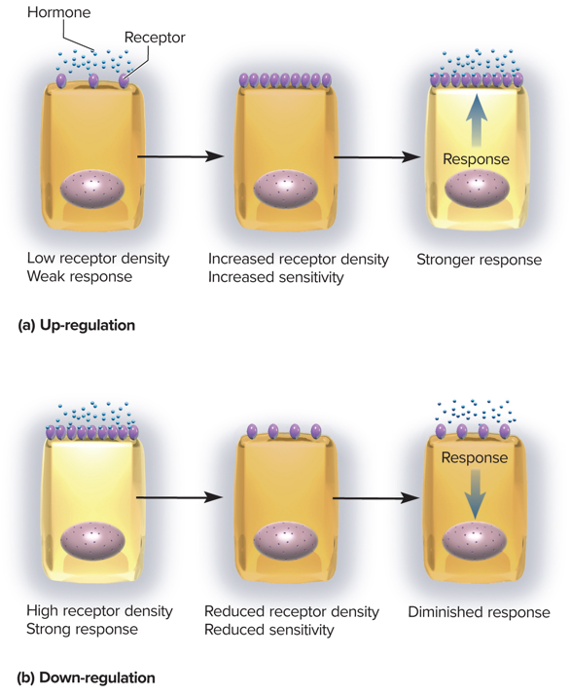
Sensitivity Modulation: Adjusted by up-regulation (increased receptors) or down-regulation (decreased receptors).
Disorders of Hormonal Regulation
Hyposecretion and Hypersecretion:
Hyposecretion leads to disorders like diabetes insipidus; hypersecretion can lead to conditions like Cushing syndrome or Graves’ disease.
Diabetes Mellitus: Disruption of glucose metabolism, characterized by high blood sugar; type 1 and type 2 diabetes have different pathophysiologies and treatment strategies.