task 3.2
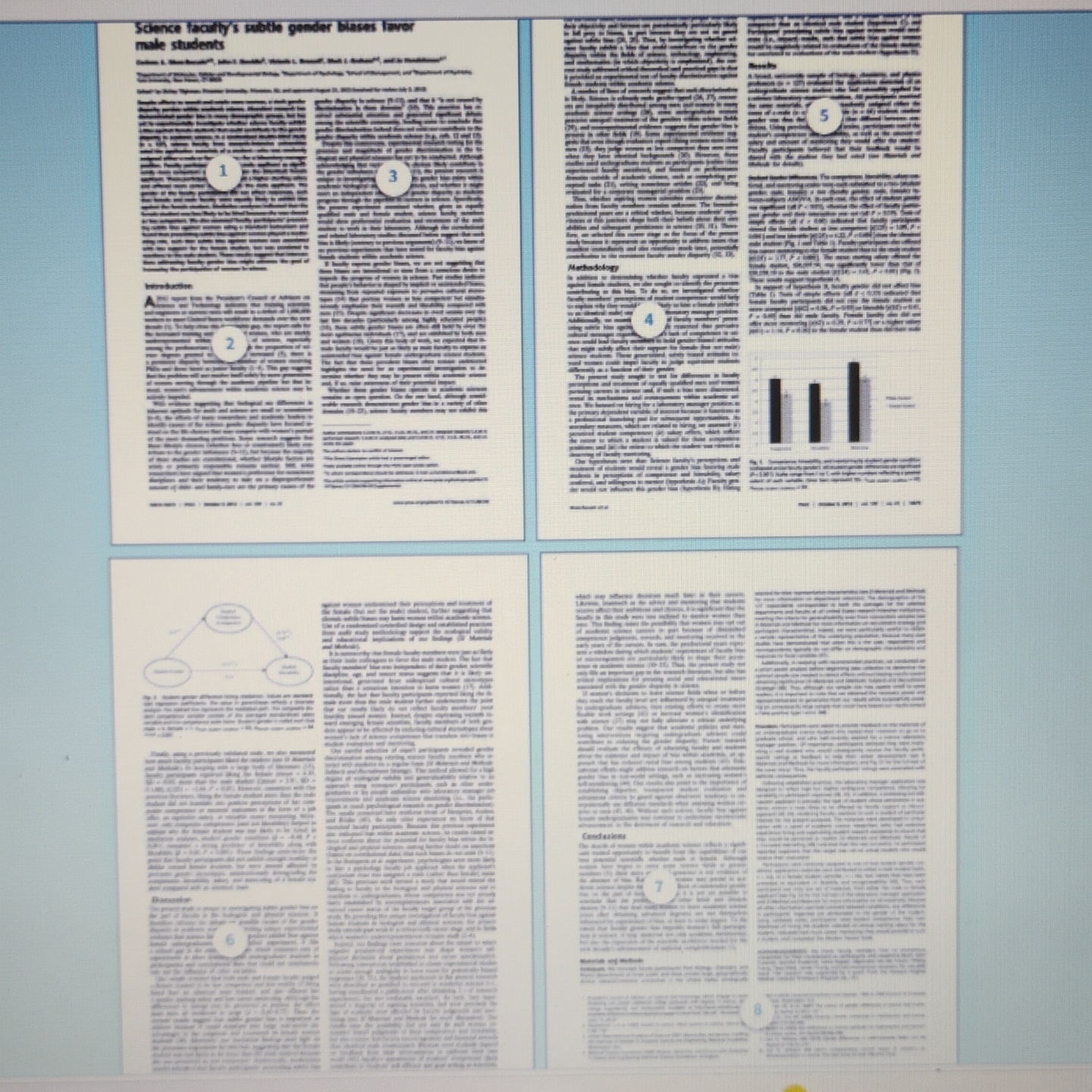
ANATOMY OF A SCHOLARLY ARTICLE
ABSTRACT: Read this to help you choose whether or not you want to go further analyzing the article.
INTRODUCTION: This explains the research question or issue. Additionally it explains the motive behind the authors article. This sets up the paper for the audience.
LITERATURE REVIEW: This is where information related to the paper will be located; this is where you can gather vital background information on the topic, the present thinking on the topic and the research that has been done on the topic.
METHODS: Explain how the data was collected and study was set up
RESULTS: typically contains charts and graphs and explains the data that has been collected.
DISCUSSION: this is where the information will be examined and the authors will gather what they have found to the studies that they analyzed in the literature review
CONCLUSION: summarizes the article and will typically talk about future studies. This section is a great spot to scan to gather ideas for research topics.
REFERENCES: …
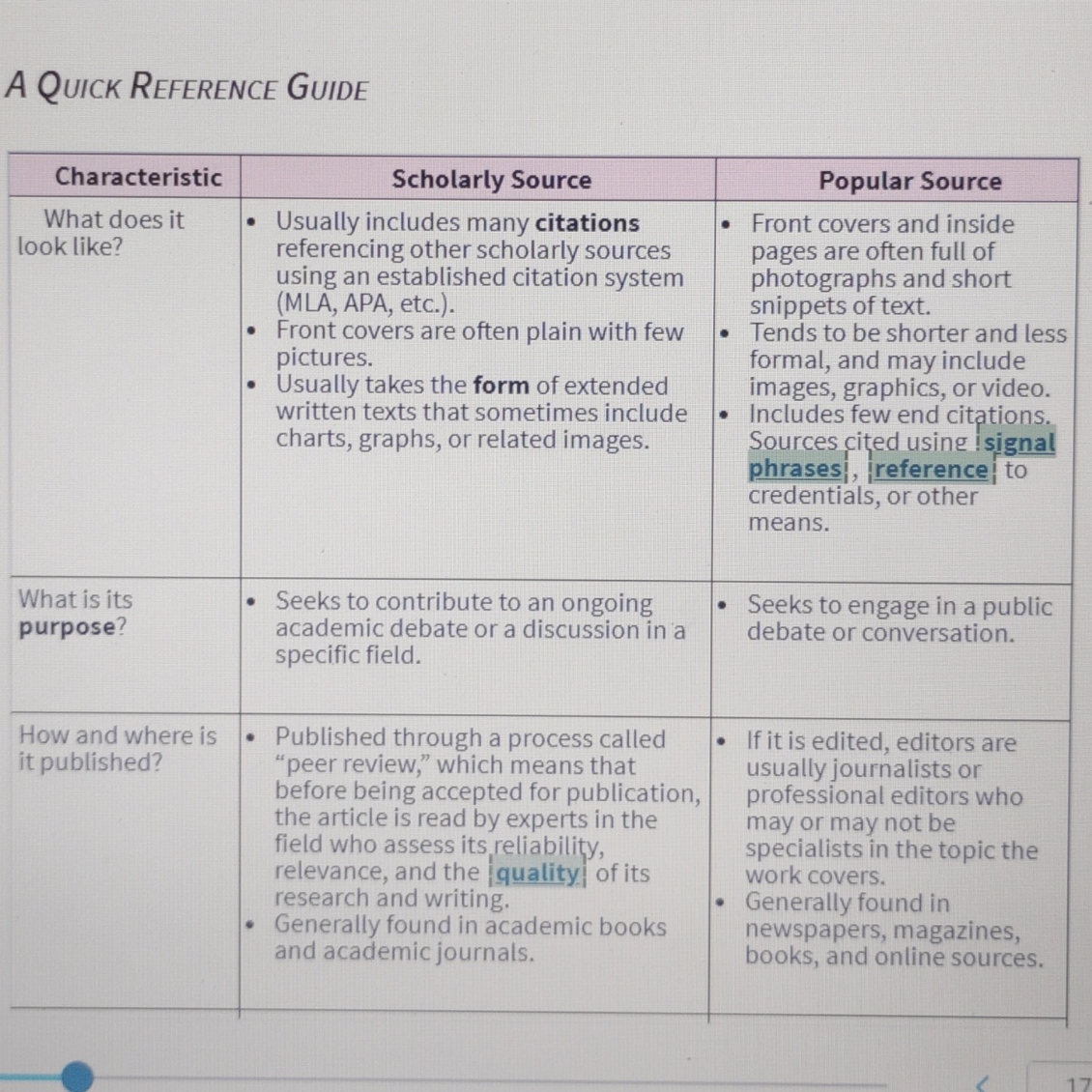
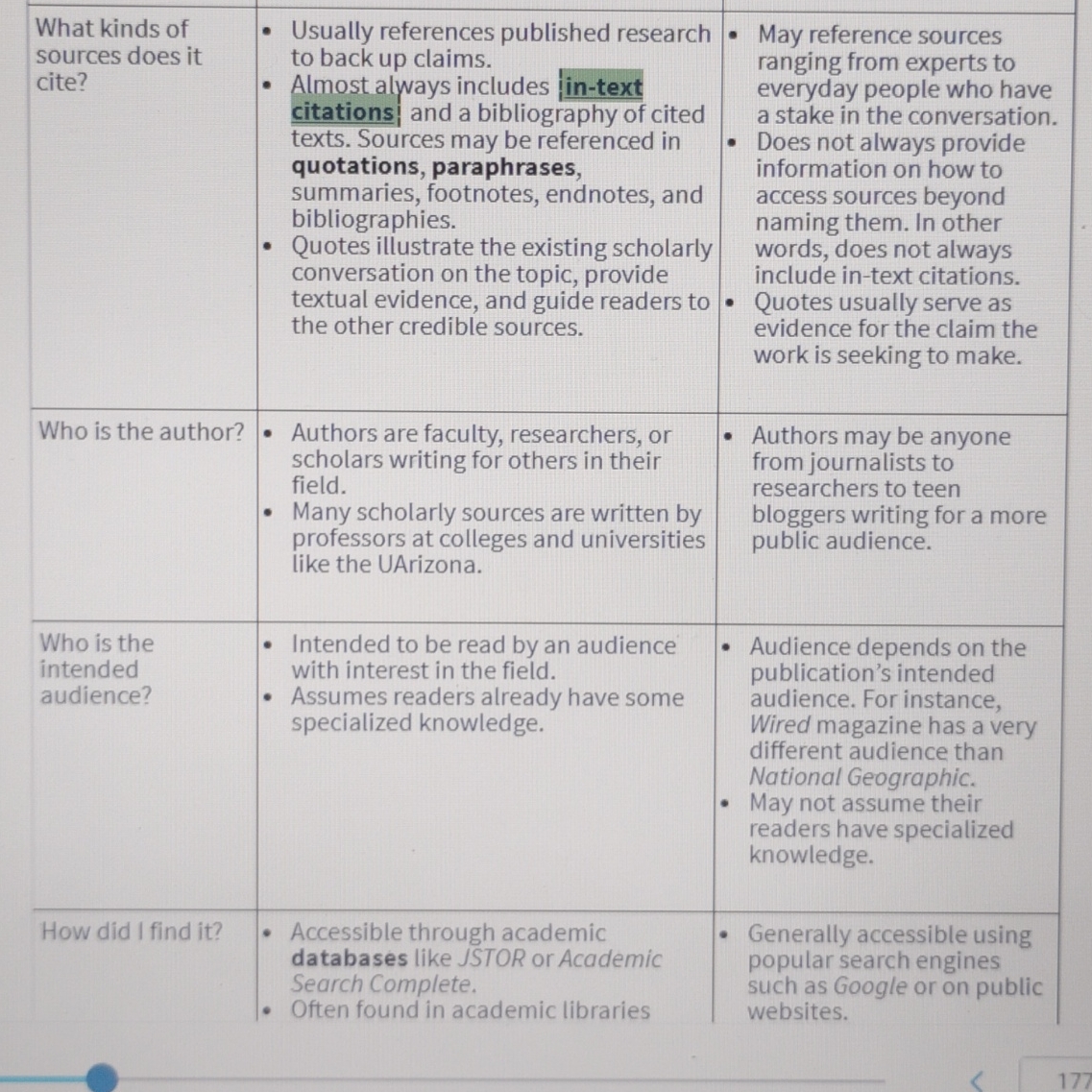
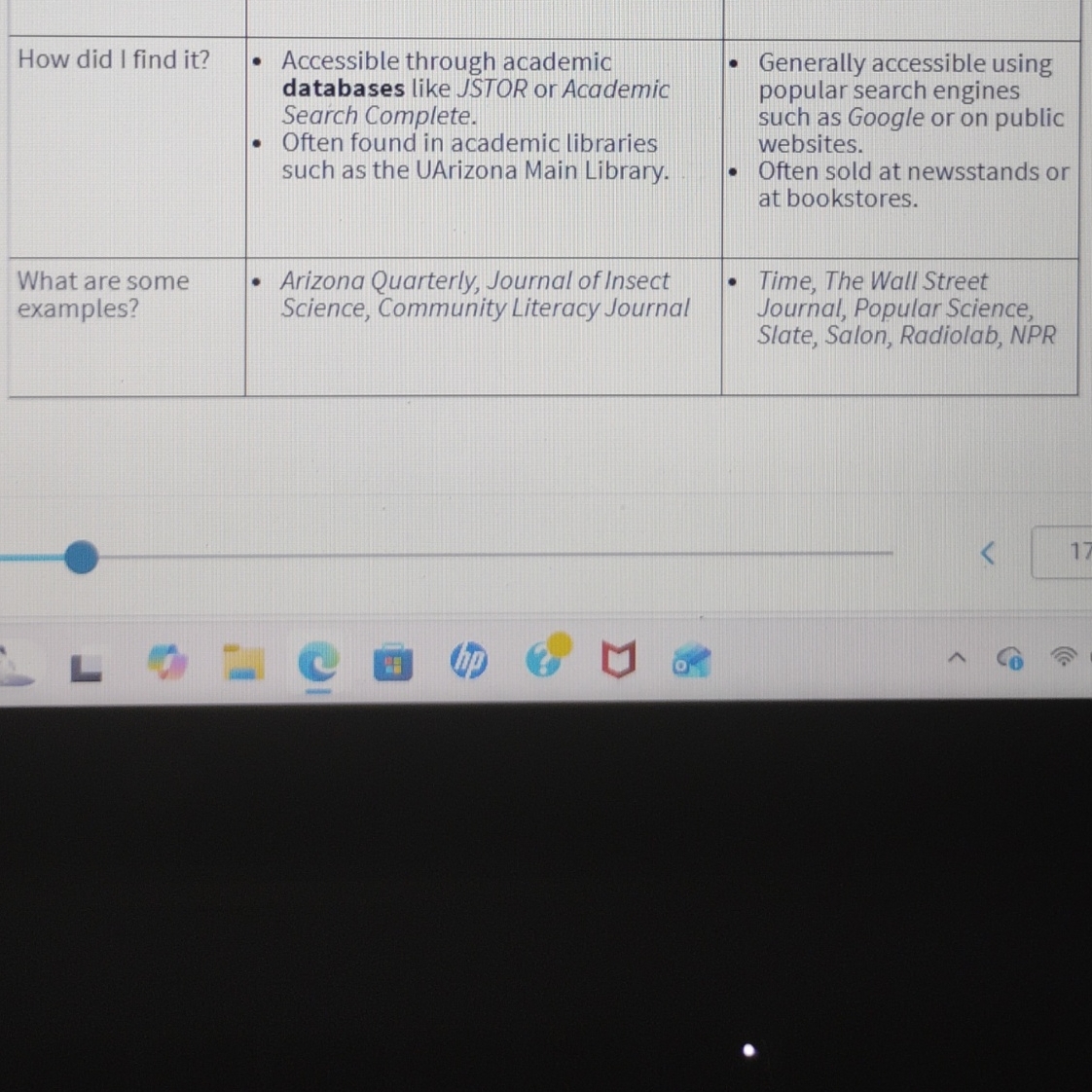
CHAPTER 9, PART 9.4 “SCHOLARLY VERSUS POPULAR SOURCES”
Begin your evaluation by understanding how the information is portrayed to its initial audience or primary audience. Scholarly sources I also called academic sources and they are written by and for researchers and scholars containing specialized knowledge about a specific subject. They are also written by and for academics, peer reviewed and are published in academic books or journals. Popular sources are typically for a wider audience and aim to engage in public conversation or debate. The sources include newspapers, magazines, videos, websites, blogs, and other media. They can be written by professional writers, journalists or anybody with publishing power.