TO BE UPDATED SLIGHTLY Plant Toxins and the Heart (3) (3)
HEART TOXINS
Aconite Alkaloids - Ranunculaceae
Taxus Alkaloids - Taxaceae
Cardiac Glycosides - Many families
BACKGROUND
Sodium-Potassium Pump: A mechanism vital for maintaining gradients of sodium and potassium in cellular environments.

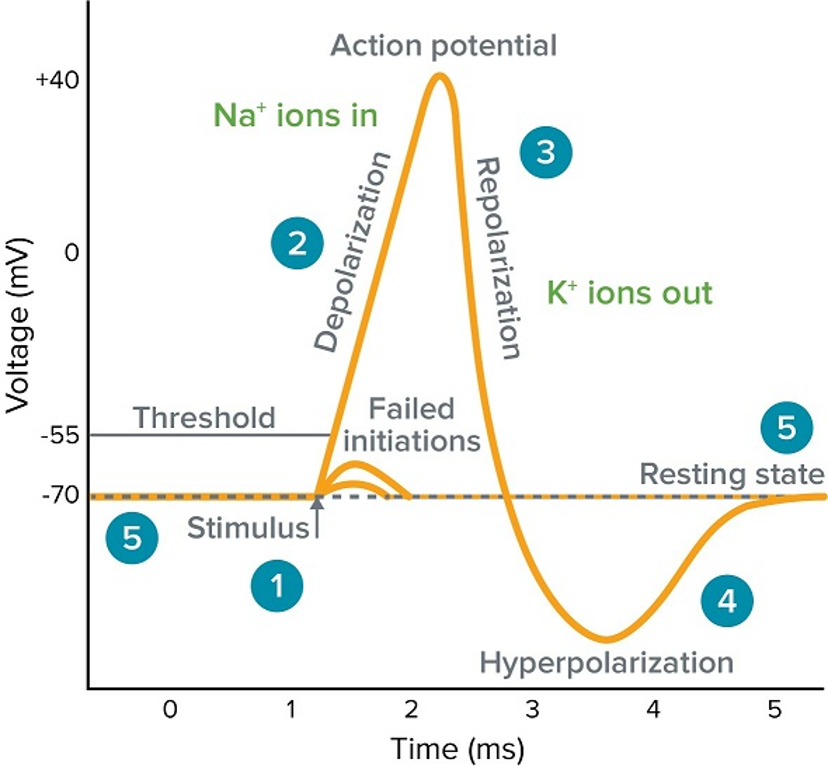
Action Potential: A sudden change in electrical charge that occurs in excitable cells such as neurons and muscles, especially within the heart.
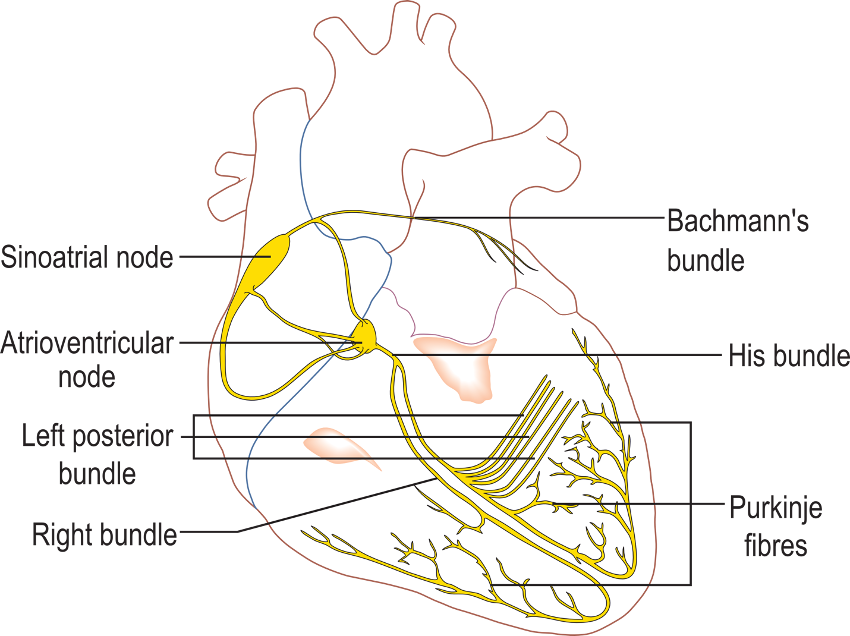
Electrical Conduction System of Human Heart: The key location affected by plant toxins, crucial for heart functionality.
Sodium-Potassium Pump
Location: Plasma membrane
Processes:
Controls gradients of sodium (Na+) and potassium (K+)
Uses ATP to function (ADP + Phosphate)
Action Potential in Excitable Cells
Typical Characteristics:
At -70mV, resting state;
Na+ ions flow in, K+ ions flow out, generating a positive action potential up to +40mV.
Key stages: Threshold (-55mV), Resting state, Stimulus, Hyperpolarization.
Electrical Conduction System of the Heart
Components:
Sinoatrial Node
Atrioventricular Node
His Bundle
Right and Left Bundle Branches
Purkinje Fibers
Nerves Controlling the Heart
Sympathetic Nervous System:
Releases: Norepinephrine (noradrenaline)
Effects: Increased heart rate and contraction force via beta-1 adrenergic receptors
Parasympathetic System:
Releases: Acetylcholine
Effects: Decreased heart rate by opening K+ channels causing hyperpolarization
Fight or Flight: Activation leads to increased heart rate by sympathetic nerves.
Concept Check: Tropane alkaloids may mimic norepinephrine action, increasing heart rate.
Ranunculaceae- Buttercup family (Ranunculaceae is a family of over 2,000 known species of flowering plants)
Aconite Alkaloids
A. Aconitine
B. Atisine
C.Veatchinine
Ranunculaceae (Ranunculaceae is a family of over 2,000 known species of flowering plants)
-aconitine- arrhythmias
-atisine- numbness and tingling
-veatchine-scant knowledge; starting compounds of other alkaloids
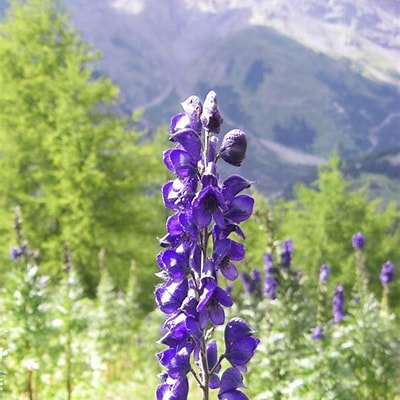
ACONITUM SPP. (Monkshood)[350 species worldwide]
Aconite Alkaloids
Types:
Aconitine: Known for arrhythmias
Atisine: Causes numbness and tingling
Veatchinine: Limited understanding; may be precursor for other alkaloids
**250 SPECIES FOUND IN WILD N.HEMISPHERE; IN GARDENS AND CUT FLOWERS
Toxicity and Usage
**Toxicity may be due to ability to pass through fat-containing barriers (cell membranes and skin).
Cultural Importance:
Used globally in various practices, known as poison (arrow),with notable toxicity due to roots contamination, large doses, and misidentification as edibles.
Effects of Aconitines:
*Aconitine is an alkaloid toxin produced by various plant species belonging to the genus Aconitum (family Ranunculaceae), commonly known by the names wolfsbane and monkshood.
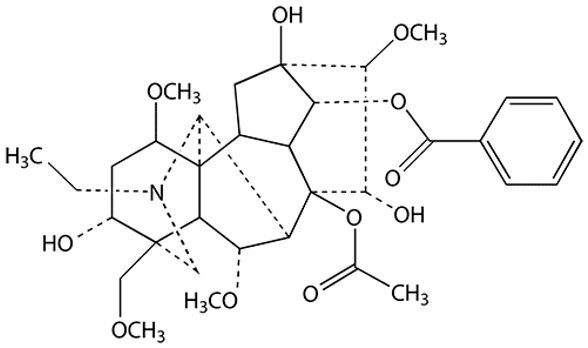
Act as agonists for voltage-gated Na+ channels, leading to delayed repolarization and severe symptoms (numbness, coma, death,weakness,vomitting,dizziness,arrtythmia).
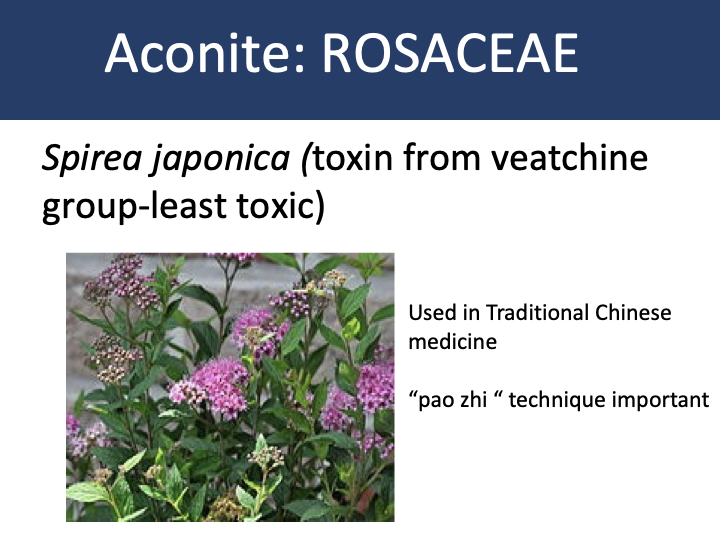
Spirea japonica (toxin from veatchine group-least toxic)
***Used in Traditional Chinese medicine
***“pao zhi “ technique importan
HEART TOXINS
Taxus Alkaloids - Taxaceae(yew family)
YEW:
Commonly found in ornamental shrubs, with all but the aril being toxic.
nonflowering conifer
Taxus baccata is a species of evergreen tree in the family Taxaceae,
Find fruit, seed, aril, male cone; all but one structure is toxic
Aril
Aril, accessory covering of certain seeds that commonly develops from the seed stalk, found in both angiosperms and gymnosperms.
What is difference between Juniper and Yew?
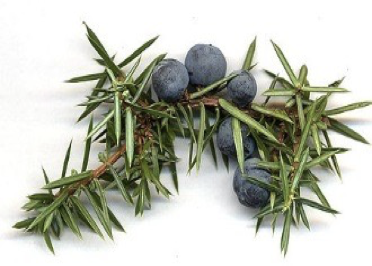
A juniper berry is the female seed cone produced by the various species of junipers. It is not a true berry but a cone with unusually fleshy and merged scales, which gives it a berry-like appearance. The cones from a handful of species, especially Juniperus communis, are used as a spice, particularly in European cuisine, and also give gin its distinctive flavour. Juniper berries may be the only spice derived from conifers.[1]
Who do you think “L.” stands for?
Every plant species must have a Latin description.
The person who does this is acknowledged by name or abbreviation. In this case it was Carl Linnaeus.
History of yew trees
* Slow growing
*Oldest in Europe in a Wales church yard; 5,000 yr old?
*All parts are toxic except aril even after drying
*Some deer can browse on it, not live stock
Taxine B
Characteristics:
Found in leaves/seeds

Antagonist of calcium and sodium channels, causing hypotension and cardiac issues
••Some Taxus alkaloids are useful
ANTI-CANCER AGENTS
•
•Present in low concentrations in yew
trees (6 trees per patient)
•
•They work in relatively lower doses against
cancers so toxicity minor concern.
•Semisynthetic approaches
Paclitaxel

•binds tubulin
•prevents breakdown
•induces apoptosis
•often used in combination with other drugs
Cardiac Glycosides
*****There are two flavors of Cardiac glycosides same mechanism of toxicity (Cardenolide and Bufadienolides)
Mechanism:
Bind and disable cardiac Na+/K+ pump, leading to Na+ accumulation, increased Ca2+ triggering cardiac contractions.
Major families: Apocynaceae, Plantaginaceae, Asparagaceae, Ranunculaceae.
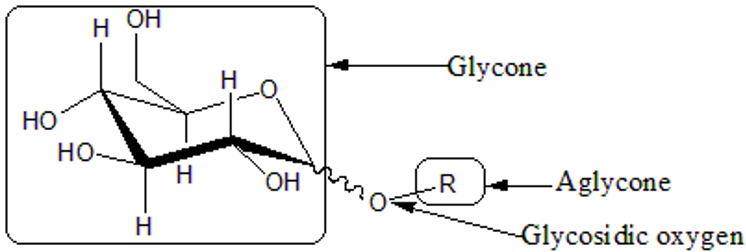
Glycosides=sugar+ non sugar(aglycone)
Sugar
•typically carbon ring(s) with many hydroxyl groups
Glycosidic bond
•Oxygen is the common glycosidic linkage between sugar & aglycone
Aglycone
various
Monarch Butterfly and Milkweed Plant
Caterpillar feasts on Asclepias spp. Stores toxin to adult stages
Community Education on Plant Toxicity
Safety Guidelines:
Avoid placing any plant parts in the mouth
No sucking nectar from unknown flowers
Knowledge about toxic plants in homes
Keep plants away from children and pets.
Conclusion
Awareness and knowledge of toxic plants are essential for safety in gardening and floral arrangements.