biological psychology
chromosome: long strips of genetic material
DNA: genetic material
genes: sequence of DNA that control visible characteristics
Genotype: the genetic makeup
diathesis-stress model ( how we understand diffrent outcomes from the same behaviors. )
theory about the interaction of genes and environment.
diathesis, genetic predisposition for a particular trait or behavior
stress
life experiences or environment
combination results in activation under the right conditions
ex) PTSD, depression , alcoholism
epigenetic
changes in gene expression (phenotype) without altering DNA sequence ( genotype)
gene expressions can be turned on or off
behavior and environment can be factors
gene expression can be changed in adulthood and perhaps passed from parents to child ( transgenerational)
traumatic or positive experiences could change gene expression for generations
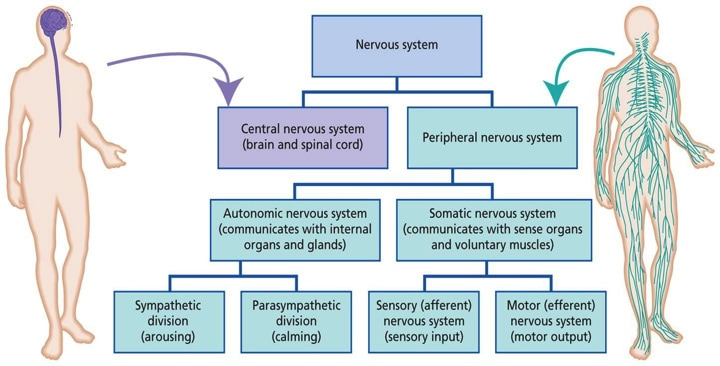
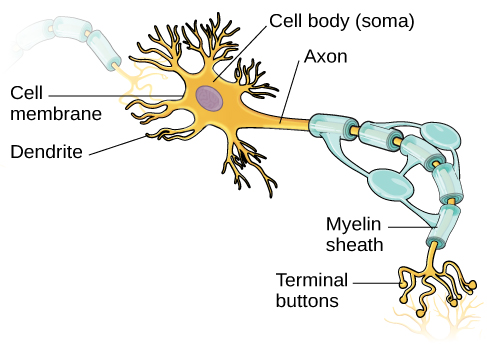
Stress activates the sympathetic nervous system
intended to prepare you for quick actions
Many strategies activate the parasympathetic nervous system ( deep breathing, relaxation)
allostatic load
homeostasis: the set point that dictates our bodies are functioning normally
allostasis: is the body's ability to achieve stability through change. It is the short-term, adaptive process of responding to stress.
Allostatic load: occurs when the allostatic response is activated too frequently or for too long, leading to negative health outcomes
parts of the brain
cerebellum: coordination of movement and balance
cerebellum
frontal lobe :( reason, planning, emotion, problem solving , motor control, Cerebellum is here)
parietal lobe : precipitation of touch (Somatosensory), temperature ,spatial awareness.
occipital lobe:Visual processing: The primary visual cortex receives signals from the retina and processes them into conscious visual perception.
Image interpretation: Different regions of the occipital lobe are specialized to interpret color, motion, depth, and distance.
Visual memory and recognition: It also works with other parts of the brain to help you recognize and remember objects based on sight.
temporal: Hearing: The primary auditory cortex processes auditory information, such as pitch and sound frequency.
Language comprehension: Wernicke's area, located in the temporal lobe, is vital for understanding spoken and written language.
Memory formation: Structures within the temporal lobe, such as the hippocampus, are critical for forming long-term memories.
Emotion and object recognition: The amygdala, involved in processing emotions like fear, and other areas of the temporal lobe assist with visual recognition of objects.
neuroplasticity on AI
Brain only vs LLM to write essays
EEG to measure brain activity
use of LLM created cognitive debt
Brain only writers
stronger neural connectivity
higher working memory
more executive functioning
more executive functioning
more planning
deeper encoding
more creativity.