The Government and Public Policy
Defining Public Policy
We've discussed public policy many times throughout the course, but in this lesson, we'll define it more precisely. Public policy is a purposeful course of action that's taken in response to a perceived problem, developed through a political process, and implemented by the government.
Public policy affects many components of the lives of citizens and includes all types of matters that are of concern to the public. It is made by the government in a way that impacts the entire nation. Everyone in the nation plays some role in forming public policy, including officials in all levels of government, businesses, interest groups, the media, and individuals. On the federal level, public policy is implemented in several different ways, which include executive orders from the president, laws enacted by Congress, and cases decided by the Supreme Court. Public policy decided in the United States has included a variety of issues, including abortion, minimum wage laws, taxes, and gun rights.

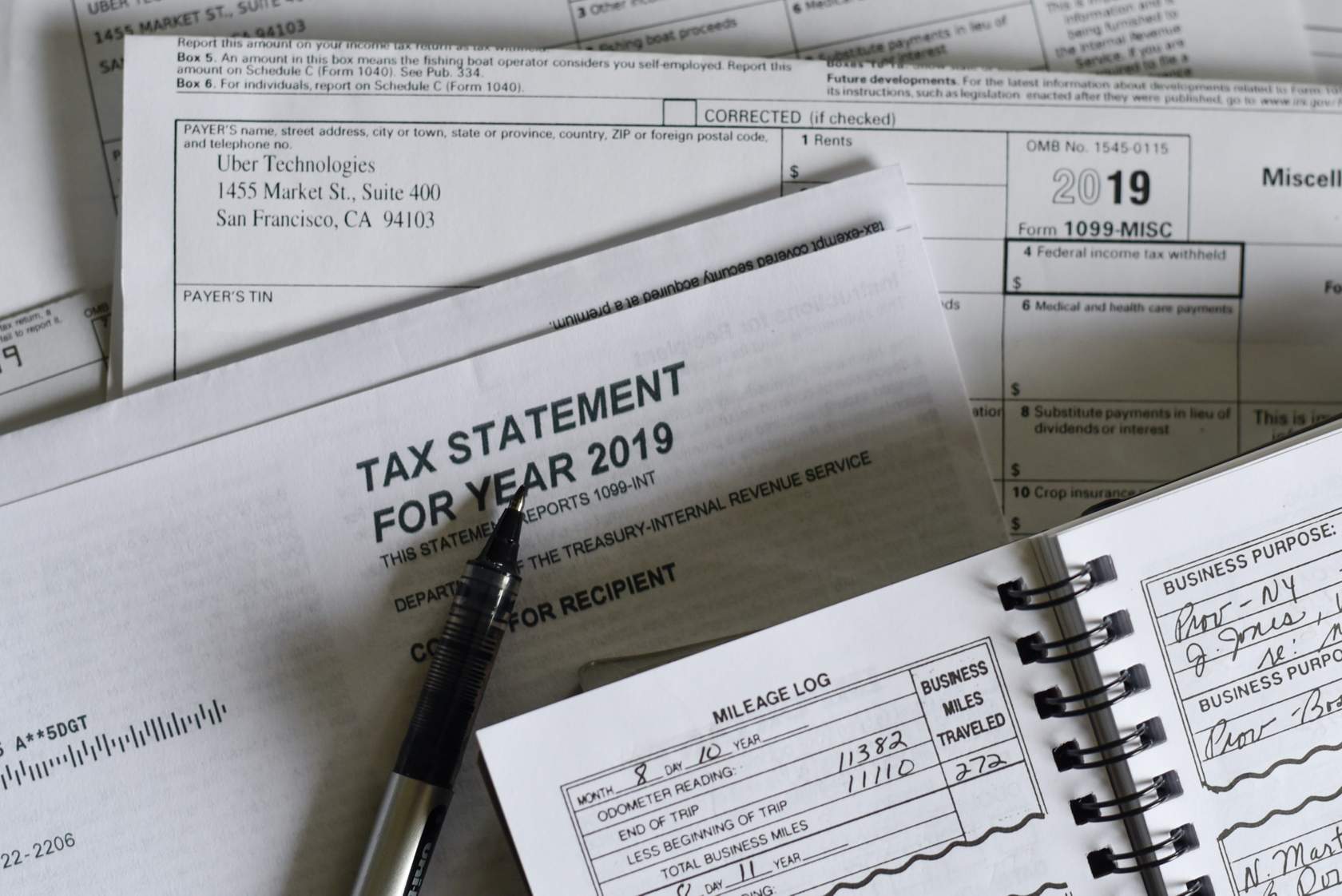

Public policy is influenced by many different factors. We've discussed many of these factors in previous lessons. Interest groups and lobbyists are often professionals that are paid to influence how policy is made in Washington, DC. There are a wide variety of interest groups, including economic, government, religious, civil rights, and ideological interest groups.
Most private citizens are not paid to influence policy but can participate in many private actions to allow their voices to be heard. Private actions that may affect policy include blogs, podcasts, private organizations, writing to editors of local and national newspapers to voice opinions, and drafting or signing petitions for change. The media influences public policy by highlighting specific issues, shaping the attitudes and beliefs of the people, and providing information to policymakers. Federal, state, and local government officials also impact policy through their legislation, participation on boards, and advocacy within the community.
The ultimate decider of public policy is the government, and it takes charge of implementing that policy. Sometimes, however, the government will privatize a particular public service because it's a service that can be provided by a private business. Some examples of this include prisons, waste management, and road construction.
The private sector also sometimes takes action on its own to fulfill a public need. These are often nonprofit organizations like food banks, the American Red Cross, and Habitat for Humanity.
Perspectives on Government
The citizens of the United States have varying perspectives on the role of government. As mentioned above, citizens can voice their opinion in many different capacities. What do these voices have to say?
There are three major perspectives on the role of government in the lives of citizens: conservative, liberal, and moderate.
CONSERVATIVE
Conservatives generally adhere to a more traditional view of society. Conservatives favor fewer government regulations because they feel that strict regulation of the economy lessens the ability to provide jobs. Additionally, conservatives support fewer government policies because they believe that more policies stifle the economy. Conservatives endorse fewer tax laws, a position founded on their belief that an excess of tax laws prevents business growth.
 Liberals are more willing to disregard a traditional view of society. Liberals favor more government regulations because they feel that regulations promote safer conditions for employees and society. Further, liberals support more government policies because they believe increased policies will help meet the needs of the disadvantaged. Liberals are proponents of creating additional tax laws in an effort to redistribute wealth to those with less income.
 Moderates fall in the middle of the spectrum between liberals and conservatives. They often have a mix of both conservative and liberal views depending on the topic at hand. Moderates are referred to as those who are in the middle of the road.

These are general definitions, as not all conservatives want less government control, and not all liberals want more government control. These definitions are often fluid in the context of particular issues.
Government's Influence on the Public Agenda and Public Policy
There are a few examples that illustrate how the government shapes policies that affect the citizenry.
The Equal Rights Amendment: This proposed amendment states that the government cannot abridge the equality of rights based on gender. It was initially proposed in the 1920s by a group of women known as the National Woman's Party, which wanted to promote greater equality for women. The amendment did not move forward until the 1970s, when it was passed by the Senate in 1972 and sent to the states to ratify. Remember that three-fourths of the states are needed to add an amendment to the Constitution. In this case, the amendment needed thirty-eight states to ratify. Only thirty-five states ratified, so the amendment was not added to the Constitution.
The Americans with Disabilities Act (1990): The Americans with Disabilities Act (ADA) was adopted in 1990 to prohibit discrimination against those with disabilities. The ADA covers the following five sections regarding Americans with disabilities:
Equal opportunity for employment
Nondiscrimination in state and local services
Nondiscrimination with public accommodations (access to facilities)
Provision of telecommunications for those who are hearing and speech impaired
Miscellaneous provisions, including insurance issues and conditions that are not considered applicable
In the same year, the Individuals with Disabilities Education Act (IDEA) was passed. This act entitles those with disabilities access to a free appropriate public education (FAPE).
The Elementary and Secondary Education Act (ESEA) of 1965: The ESEA was first introduced by President Lyndon B. Johnson. The aim of the act was to provide federal funding for public schools that were serving lower-income families. The act has been renewed eight times since 1965. It was renewed and renamed No Child Left Behind by Congress during the presidency of George W. Bush and was signed into law in 2002. Congress again renamed and renewed it as the Every Student Succeeds Act during the presidency of Barack Obama in 2015. With each renewal, more requirements have been added to the act. The focus was to ensure that all students receive an equal education. Some of the provisions of the act require testing and accountability. The goal is for the money to yield a provable increase in student success. The ESEA establishes several rules that schools must follow if they want the federal funds granted by the ESEA. For example, Section 9524 of the ESEA states that local school divisions cannot implement any policy that denies constitutionally protected prayer in public schools.
The Public Housing Act of 1937: This act was introduced to help meet the housing needs of low-income families. Much like the ESEA, it has been amended and updated several times. According to the Department of Housing and Urban Development, there are approximately 1.2 million public housing units. The federal government provides the money for the housing, but the housing is managed by the local public housing authority. This act also provides housing options for Native Americans. There are minimum income requirements applicable to the program.
Bureaucracy
Although some public policy is outsourced to private organizations, most is implemented by government bureaucracies at the federal, state, and local levels. The term bureaucracy refers to the government agencies that are responsible for implementing, administering, and regulating public policy. At all levels of government, the employees of these bureaucratic agencies carry out the day-to-day operation of government services and carry out public policy. Bureaucracies are responsible for taking laws passed by legislatures and figuring out how to implement the policies contained within. They also help with drafting new bills and help shape policy by providing information and advice to elected officials.
At the national level, the bureaucracy consists of the Cabinet departments, the office of the president, and federal agencies. In Virginia, there are also Cabinet departments, the office of the governor, state agencies, and regional authorities that make up the state bureaucracy. Local bureaucracies consist of county and city agencies.

Pictured is the headquarters of the California Department of Motor Vehicles. This is a part of the government bureaucracy that citizens frequently deal with.
Should There Be a Restraint on Government Growth and Interference?
The federal government has grown significantly in breadth and depth since the 1960s. The areas of life and the political issues that the federal government is now involved in would not have been considered areas for governance in the 1950s. Even in the 1960s, the national political agenda was composed of a very short list.
Strict constructionists—people who believe that we should hold to the literal words of the Constitution—argue that the role of the federal government should be limited to foreign affairs, interstate commerce, establishing a national currency, and establishing a federal mail system. For the first 150 years of the new nation's existence, the Supreme Court restricted the authority of the federal government and did not allow the delegation of discretionary power to administrative agencies. As an example, it was not until the Sixteenth Amendment was passed in 1913 that the federal government asserted its authority to levy a federal income tax. The Constitution was drafted to make it difficult for the federal government to act. Separation of powers, checks and balances, and federalism guaranteed the states the important role of enacting police powers.
The constraints on federal action have now weakened or disappeared altogether. Activist judges on the federal courts have moved from interpreting the Constitution to permit government action to now interpreting the Constitution to require government action. Through the Fourteenth Amendment, the Bill of Rights has been extended to apply to the states. This means that a citizen can use the federal courts to alter state policy on issues such as abortion or the definition of marriage. The federal courts have permitted Congress to give broad discretionary power to administrative agencies, allowing bureaucrats to make decisions that once only Congress could make. For example, executive agencies like the EPA and OSHA execute authority that used to belong to Congress. The lack of skilled and respected leaders within Congress is diminishing the separation and balance of powers in the federal government.
How Does Government Growth Affect Policy?
At one time in the nation's history, people would argue about whether a proposed policy or legislative proposal was a legitimate use of federal power. With the parameters of federal authority blurred or erased, people now only argue about whether a policy is effective, not whether it is legitimate.
There should be restraints on an overgrowth of government, and government should never be overly large. There are consequences of having too much government intervention. The role of government in the lives of its citizens is necessary; however, the Founding Fathers were clear about the government's role. Too much government control and intervention may promote a tyrannical government, something that the Founding Fathers wanted to avoid.
Today, it is almost impossible to think of a problem for which the federal government has no policy at all. All problems today are thought to be truly national. What makes this puzzling is that the Constitution is designed to make it difficult, not easy, for the federal government to act.
Until well into the twentieth century, governors and mayors were more important than the president, and most members of Congress did not serve more than two terms in Washington. As previously mentioned, the constraints on federal action have now weakened or disappeared altogether.
Consequences of an Activist Government
There are several negative consequences of a larger, activist government. First, as the government grows, its agencies, departments, and employees—including members of Congress, the president, and their staff—must spend more time managing the consequences of existing programs and thus spend less time debating, in depth, new programs or new legislation. As a result, all parts of the federal government, not just the executive agencies, become more bureaucratized. Second, the more that the federal government does, the more it will appear to be acting in inconsistent, uncoordinated, and cumbersome ways. There will be competing policies and agencies competing for budgets. In the fight over specific favors, not everyone will be focused on the same mission. Third, a large government is less susceptible to control by the electorate. If elections make less of a difference, then it makes sense to spend less time on electoral activities and more time on interest group activities that are aimed at specific agencies or programs. Thanks to the Internet, it is simple to search for, find, and participate in issue-oriented special interest groups.
The more government tries to do, the more it will be held responsible for successes and failures. This can lead to a steep decline in public confidence in the federal government, as anything and everything that goes wrong in the nation often gets blamed on the government.
As we have discussed, policy is driven by many factors: Congress, the president, interest groups, the media, and state and local governments. Each has its own way of making policies work. The American citizen is the most important policymaker. The actions and voices of the citizens should drive the policy decisions because, after all, the citizens are the most affected by them.