Topic 1 - Physiological Factors
How Does Alcohol And Other Drugs Enter And Leave The Body?
(The Rate Of Absorption And Elimination Of Alcohol And Other Drugs)
How does alcohol enter your body (Absorption)?
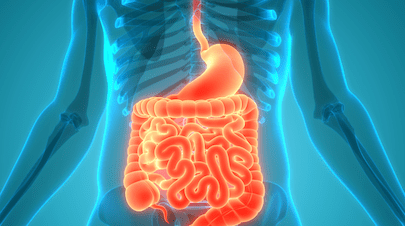
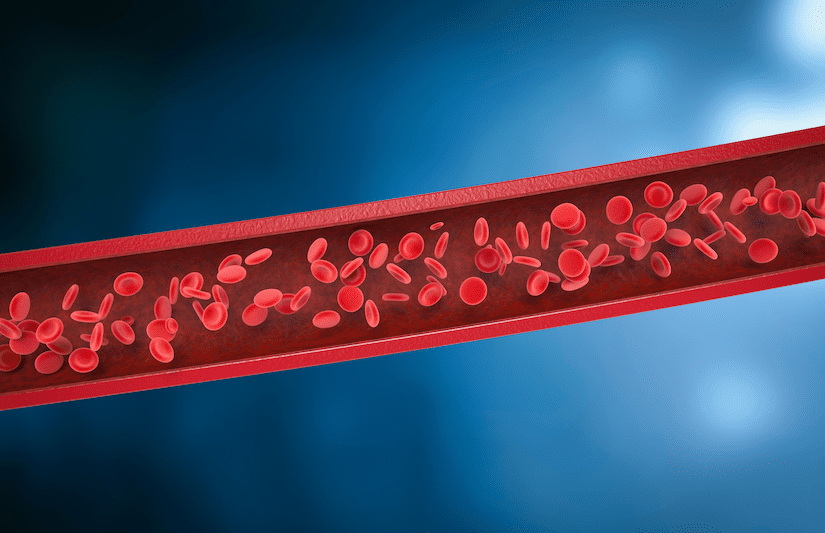
When people drink alcohol, the alcohol goes directly through the walls of the stomach and small intestine. It is absorbed into the bloodstream, and it is not digested. Since alcohol is very similar to water, the blood will carry the alcohol to various tissues and organs of the body. The brain and muscle tissues contain a high water content and will receive a large share of the distributed alcohol. Blood is carried to the brain, and this affects the central nervous system. About 20 percent of the alcohol is absorbed directly across the walls of an empty stomach and can reach the brain within one minute.
How Does Alcohol Leave Your Body (Elimination)?
As soon as alcohol enters the blood stream, the body begins getting rid of the alcohol. Most of the metabolism of alcohol takes place in the liver that breaks down 90% of the alcohol. Only a small portion (2-10%) leaves through the kidneys or lungs. Depending on your physical characteristics (body weight), or what you ate in the last several hours, alcohol will leave the body at a rate of 1 drink per hour. Example: If you have 3 drinks, it will take more than 3 hours for alcohol to leave your system. The weight of a person can affect the volume of alcohol in the blood. Usually a heavier person can consume more alcohol than a lighter person and still have the same proportion of alcohol in the blood. Black coffee, a cold shower, cool air, or your own special remedy will not work! Time is the only solution.
How is cocaine absorbed and eliminated in the body?
Cocaine gets into your body by snorting, smoking or injection. Snorting is the most common use of cocaine. When snorted into the nose, cocaine is slowly absorbed into the blood stream through the mucous membranes in the nasal and sinus cavities. The cocaine enters the blood stream and is circulated through the body. It is metabolized in the liver. Cocaine reaches the brain slowly and in small doses. Its high lasts 10 to 20 minutes. Cocaine's effects are short lived, and once the drug leaves the brain, the user can experience a "coke crash" that includes depression, fatigue and irritability. Cocaine will stay in your system 2 to 4 days.
How is marijuana absorbed and eliminated in the body?
Most people that use marijuana will roll it into a cigarette (called a "joint"). The marijuana plant contains over 400 different chemicals. The main active chemical in marijuana is delta-9-tetrahydrocannabinol; THC for short. The marijuana is inhaled into the lungs, adheres to the lining of nasal passages through which it enters directly into the bloodstream. A small amount is metabolized in the lungs. The liver metabolizes most of the THC. The liver converts the THC into a metabolite that makes the user "high". THC in marijuana travels to the brain. The brain has receptors found in the part of the brain called the hippocampus, which processes memory. When the THC attaches to the receptors, short-term memory is weakened. Within a few minutes of inhaling marijuana, a person will start to feel impaired. This feeling will last 2 to 3 hours. Marijuana will stay in the body from 3 to 30 days.
How Is Heroin Absorbed And Eliminated In The Body?
Heroin is a narcotic. The half-life for heroin is only 3-8 minutes and it clears most systems in the body within a couple of days. Heroin usually comes in powder form. It can be different colors depending on how refined it is - white powder is usually more refined than brown or pink rocks, which are lumpy powders. Heroin is usually injected, smoked or snorted. It is absorbed into the blood and acts on the brain. Heroin in the body is rapidly metabolized and its metabolites are rapidly excreted in the urine.
How are hallucinogens absorbed and eliminated in the body?
It depends on the hallucinogen. LSD is usually taken orally and is absorbed in the stomach. Mushrooms are eaten. Other hallucinogens such as salvia divinorum or DMT can be smoked. LSD is metabolized in the liver and is thereafter excreted in your urine.
How are inhalants absorbed and eliminated in the body?
Inhalant, chemical vapors are taken in several ways, including sniffing, snorting, or spraying the inhalant directly into the nose or mouth, putting it into a bag or other containers and then inhaling from there, putting the vapor onto a rag, or inhaling nitrous oxide from balloons. Due to the rapid entry of the fumes/chemicals into the bloodstream through the lungs, the effect will kick in within 20-30 seconds and last for the next 30-40 minutes. Inhalant vapors often contain more than one chemical. Some leave the body quickly, but others are absorbed by fatty tissues in the brain and nervous system. They can stay there for a long time.
How are amphetamines absorbed and eliminated in the body?
Amphetamines are taken orally on a strict schedule based on a doctor's orders. Illegal amphetamines are taken orally, smashed into a powder and "snorted," or shot into veins. Methamphetamines (crank) are melted on a spoon and inhaled as the vapor rises. Smoking Crystal Meth (ICE) effects occur in seconds.
Amphetamines are excreted through the urine after being transformed by liver enzymes. Half of the amount of amphetamine that you take is eliminated by your body in less than 11 hours (amphetamine elimination half-life). However, heavy and chronic amphetamine use can be detected in your system up to one week after your last dose.
How are MDMA, absorbed and eliminated in the body?
MDMA (Ecstasy) is taken orally, usually as a capsule or tablet. MDMA is rapidly absorbed into the human blood stream, but once in the body MDMA interferes with the body's ability to metabolize, or break down the drug. As a result, additional doses of MDMA can produce unexpectedly high blood levels, which could worsen the cardiovascular and other toxic effects of this drug. MDMA also interferes with the metabolism of other drugs, including some of the adulterants that may be found in MDMA tablets.
MDMA is metabolized in the liver to MDA, which is then excreted in the urine. Approximately 50-70%; of the total MDMA dose is recovered in the urine as MDMA and other metabolites. Although MDMA is metabolized in the body, a large proportion is excreted unchanged in the urine.
The Short Term Effects Of Alcohol And Other Drugs On The Human Body
(Specifically, How Heart Rate And Respiration Are Affected. Effects Of Alcohol On The Brain, Nervous System,
Judgment, Alertness, Vision, Physical Condition, Coordination And Reaction Time, Motor Skills)
The short term effects that alcohol and other drugs will have on an individual depends on several different factors such as how much a person weighs, his age, as well as his gender. Those factors will also vary depending on how much alcohol the person consumes - what type of alcohol he drinks, whether he mixes alcohols, if there is any food in his stomach, and if he has any medicine in his system.
Heart rate and Respiration: Alcohol can cause the heart rate to reduce more than normal, or healthy. More so, it also slows down the heart beat rate to an extent which may cause a person to lose consciousness altogether.
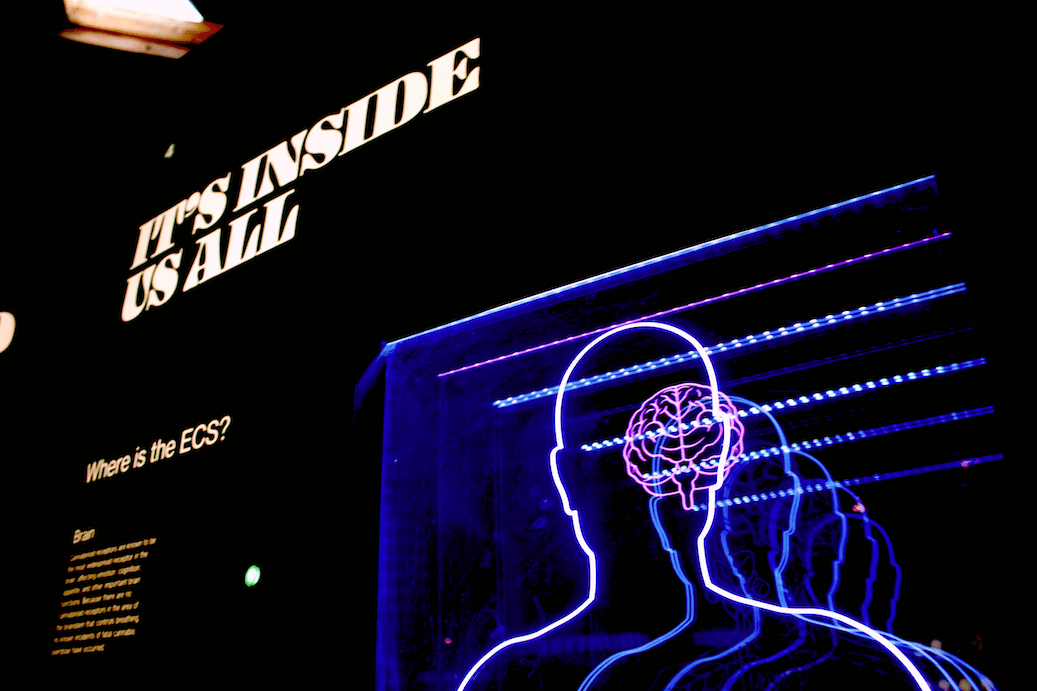
Brain: When you put them into your body (often by swallowing, inhaling, or injecting them), drugs find their way into your bloodstream and are transported to parts of your body, such as your brain. In the brain, drugs may intensify or dull your senses, alter your sense of alertness, and sometimes decrease physical pain. It may result in difficulty walking, blurred vision, slurred speech, slowed reaction times, and impaired memory.
Nervous System
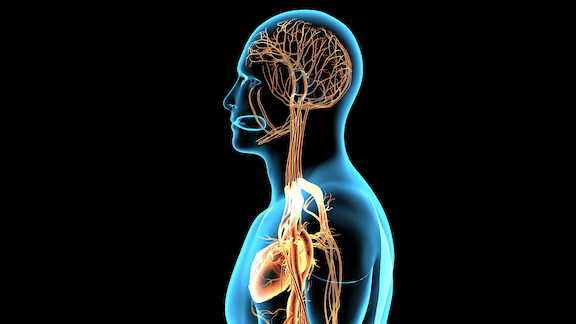
Our nerves have certain sensory receptors. These receptors pass messages for our sensory organs to the brain for processing. This is a very fast process. However, depressants cause the receptors to get blocked. This prevents the messages from getting processed, causing a flaw in functioning. This is the reason why people end up having blurry vision and reduced motor control in an impaired stupor, hence, following the rule "No Drinking and Driving" is very important. These are mostly what are perceived as the short-term psychological effects of alcohol.
Vision: Alcohol affects vision in the following ways - it narrows the visual field, reduces resistance to glare, interferes with the ability to differentiate intensities of light, causes blurred vision and lessens sensitivity to colors.
Judgment: Often alcohol impairs judgment - making someone seem more confident and do things he wouldn't normally do, which can result in injury, unwanted sexual activity, or even death. Good judgment decreases with the use of alcohol. The concern for physical well-being also lessens. An impaired driver may take unnecessary and dangerous risks. The driver may drive too fast, tailgate or run a red light.
Alertness: Alcohol is a depressant. Alcohol slows all nerve impulses and body functions. It hinders the driver's reaction to changing driving conditions and situations. Keeping your mind on the task of driving is diminished.
Physical condition: Alcohol has serious physiological effects on drivers. Physical fitness is a major aspect of being a safe driver. The use and abuse of alcohol and other drugs pose a serious health problem that can severely impair a person's ability to properly perform driving tasks. Alcohol also has some serious psychological effects that can cause abnormal behavior. Alcohol is a depressant that easily qualifies as a mind-altering drug, which can lead to anger and aggressive driving behavior.
Coordination and reaction time: The ability to react quickly and safely to emergencies or a hazard on the road is reduced. Alcohol consumption as low as .02 percent BAL will cause a person to take longer to react. The coordination skills necessary to control a vehicle with hands, eyes and feet in response to other vehicles on the road are reduced.
Driving an automobile is usually taken for granted as being a relatively easy task, not requiring much conscious effort or critical judgment. Because alcohol acts to depress the reticular activating system, several things can occur. The altering mechanism is depressed such that a person does not become aware of potentially hazardous or dangerous situations that the sensory functions detect. The sensory functions themselves are deteriorated and may not be supplying complete or correct information to the brain. A person's motor functions are impaired; yet, because of alcohol's depressant effect, that person will feel less inhibited and more self-confident about his driving skills. As a result, a person, after having consumed alcohol, is more likely to speed into high-risk situations which would normally be avoided or treated cautiously.
The Short Term Effects Of Drugs On The Human Body
Hallucinogens are as follows: Increased heart rate, increased blood pressure, heart failure, abnormal, rapid breathing, lung failure, changed emotional feelings, confusion, disorientation, suspiciousness, mixed-up speech, loss of muscle control, meaningless movements, irrational actions, violent behavior, distorted reality, aggressiveness, distorted sense of time and space, sense of relaxation and well-being, nausea and loss of appetite, chills and flushing, shaking and or poor coordination, distorted body image (feeling of floating or out-of-body experiences and dilated eyes are short term effects of hallucinogens).
Hallucinogenic properties can strongly influence the senses, so drivers may react to objects or sounds that aren't there, and place themselves and other road users in danger. Coordination skills are likely to be greatly affected, and you may experience anxiety, blurred vision and a sense of detachment from reality - all of which could be deadly on the road. Hallucinogenic properties, ecstasy can distort your sense of vision and heighten sense of sound. Your concentration can be affected, while you may become over-confident and are more likely to take dangerous risks.
Amphetamines short term effects are as follows: Anorexia, hyperactivity, fatigue, dilated pupils, blurred vision, dizziness, elevated heartbeat, headache, lack of appetite, rapid breathing, restlessness, increased alertness are short effects of amphetamines. Amphetamines might give you a sense of heightened alertness and confidence. They can be highly dangerous for drivers as they distort your perceptions and can make you feel anxious, prone to panic attacks and lose coordination.
Heroin short-term effects are these symptoms as follows: The initial euphoric effects of heroin cause the user to feel care-free, relaxed and drowsy with a sense of warmth and wellbeing. Although these euphoric effects appear pleasurable, there are many additional negative short-term effects that make heroin very dangerous and deadly; euphoria, nodding off (alternately alert and drowsy state), dry mouth, severe itching, constricted pupils, dizziness, nausea, vomiting, slowed mental function, reduced physical pain, warm flushed skin, weakness in muscles, slowed breathing, overdose and/or death.
Heroin can slow down a person's reaction time, distort perception of speed and distance, reduce concentration and coordination when driving.
Inhalants: short-term effects are these symptoms are as follows: Most inhalants act directly on the nervous system to produce mind-altering effects. Within seconds, the user experiences impairment and other effects similar to those from alcohol. There are a variety of effects that may be experienced during or shortly after use, including: slurred speech-drunk, dizzy or dazed appearance, inability to coordinate movement, hallucinations and delusions, hostility, apathy, impaired judgment, unconsciousness, severe headaches, rashes around the nose and mouth, prolonged sniffing of these chemicals can induce irregular and rapid heartbeat and lead to heart failure and death within minutes. Death from suffocation can occur by replacing oxygen in the lungs with the chemical, and then in the central nervous system, so that breathing ceases.
Driving is dangerous and unsafe because it affects your ability to judge speed and distance, which increases the chances of a crash.
MDMA short-term effects are these symptoms are as follows: Distorts time and perception, increases enjoyment from touching, inability to regulate temperature, sharp increase in body temperature, hyperthermia, heatstroke, liver, kidney, and cardiovascular system failure, perceptual changes, anxiety, jaw-clenching, dry mouth, and appetite changes, blood pressure increases, headaches, chills, eye twitching, blurred vision, nausea, dehydration, muscle tension, severe sweating, seizures and death.
It affects coordination and the ability to judge speed and distance. MDMA also increases a person's confidence so he/she is more likely to take dangerous risks.
The Long Term Effects Of Alcohol And Other Drugs On The Human Body
(Specifically, Liver Damage, Stomach Damage, Pancreatic Damage, Esophagus Damage, Heart Damage And Brain Damage.
Associated Weigh Loss/gain, Nutritional Factors. Long Term Effects Of Alcohol And Other Drugs.)
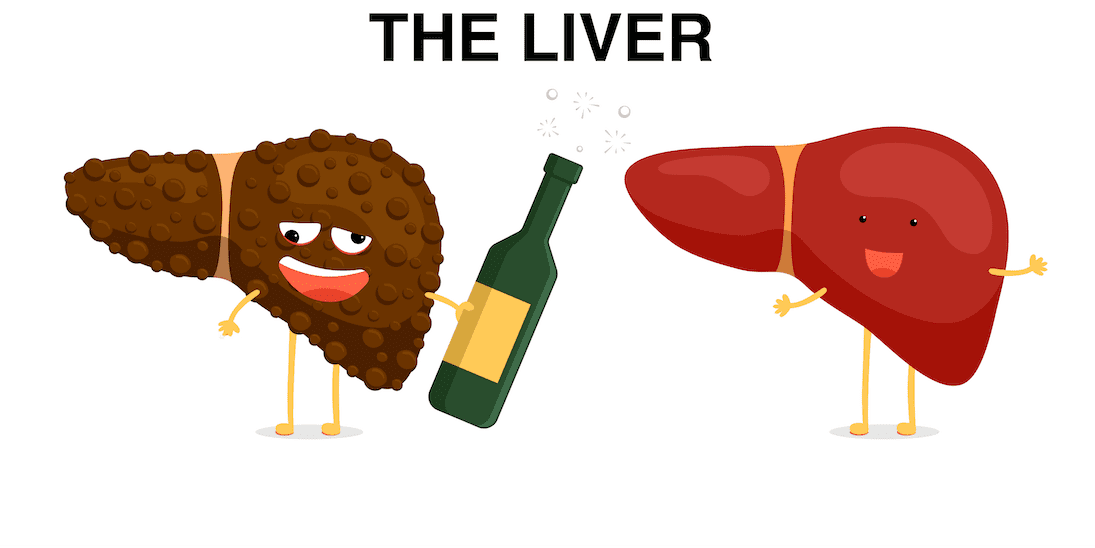
Alcoholism is the third leading health problem in the U.S. Malnutrition occurs when the enzymes that are produced in the liver are affected by alcohol draining the vitamins and minerals. It can produce brain damage and cancer of the mouth and stomach. It can lead to heart disease, ulcers, gastritis, damage to the pancreas and liver damage. The liver is the primary site of alcohol metabolism. It is the part of the body that is most affected by alcohol. When the liver becomes diseased, the functions of other systems that depend on a proper working liver will be affected. Cirrhosis of the liver is the ninth leading cause of death in the U.S. Hepatitis is the inflammation of the liver. Half of the cancers in the esophagus, larynx and mouth are linked to alcohol. Fetal Alcohol Syndrome is the leading known environmental cause of mental retardation in the Western World. Drinking of alcohol by a pregnant mother may cause physical birth defects, growth deficiencies, deformities, and/or behavioral abnormalities. Alcohol use impairs the functioning of the immune system as it weakens the body's ability to fight off disease, and a weakened immune system can increase in the number of colds a person experiences. Alcohol blocks the absorption of essential nutrients, and so alcohol consumption contributes to malnutrition.
Summary: Absorption and Elimination of Alcohol and Other Drugs
Alcohol Absorption and Elimination
Absorption: Alcohol enters the body through the stomach and small intestine, absorbed directly into the bloodstream without digestion. About 20% is absorbed quickly on an empty stomach, reaching the brain within a minute.
Elimination: The liver metabolizes 90% of alcohol, with a typical elimination rate of one drink per hour. Factors like body weight and food intake influence this rate.
Cocaine
Absorption: Commonly snorted, cocaine is absorbed through nasal membranes and metabolized in the liver. Effects last 10-20 minutes.
Elimination: Cocaine remains in the system for 2-4 days.
Marijuana
Absorption: Typically smoked, THC enters the bloodstream through the lungs and is metabolized mainly in the liver.
Elimination: Effects last 2-3 hours, with THC detectable in the body for 3-30 days.
Heroin
Absorption: Usually injected or smoked, heroin is rapidly absorbed and metabolized.
Elimination: It clears from the body within a couple of days.
Hallucinogens
Absorption: Varies by type; LSD is taken orally, while others may be smoked.
Elimination: LSD is metabolized in the liver and excreted in urine.
Inhalants
Absorption: Inhaled through various methods, effects are felt within 20-30 seconds.
Elimination: Some chemicals leave the body quickly, while others can remain in fatty tissues.
Amphetamines
Absorption: Taken orally or injected, they are metabolized in the liver.
Elimination: Half-life is less than 11 hours, but chronic use can be detected for up to a week.
MDMA
Absorption: Taken orally, it is rapidly absorbed and interferes with metabolism.
Elimination: Metabolized in the liver and excreted in urine.
Short-Term Effects on the Body
Alcohol: Affects heart rate, respiration, brain function, coordination, and judgment. Impairs motor skills and increases risk-taking behavior.
Drugs: Varying effects include increased heart rate, confusion, hallucinations