Pre-preg and prenatal lab (updated)
Anatomy and Physiology of Reproductive Systems
Female Reproductive Tract
External Structures:
Mons pubis: Rounded mass of fatty tissue located over the pubic bone, contributing to external protection and aesthetic form.
Labia majora and labia minora: External lips of the vulva that protect internal structures and provide sexual stimulation.
Clitoris: Highly sensitive organ that plays a significant role in female pleasure, consisting of erectile tissue similar to the male penis.
Vaginal orifice: The entrance to the vagina; it is flexible and varies in size.
Urethral opening: The external opening of the urethra, separate from the vaginal orifice, facilitating urination.
Internal Structures:
Vagina: Elastic muscular tube connecting the external genitals to the uterus, serving as the birth canal and the site for sexual intercourse.
Uterus: Hollow organ where fetal development occurs; consists of three layers: endometrium, myometrium, and perimetrium.
Cervix: Narrow passage forming the lower end of the uterus, regulating the entry of semen and the exit of menstrual fluid.
Fallopian tubes: Tubes through which eggs travel from the ovaries to the uterus; site of fertilization if sperm is present.
Ovaries: Paired organs that produce ova (eggs) and hormones such as estrogen and progesterone, crucial for regulating the menstrual cycle and maintaining pregnancy.
Female Anatomy
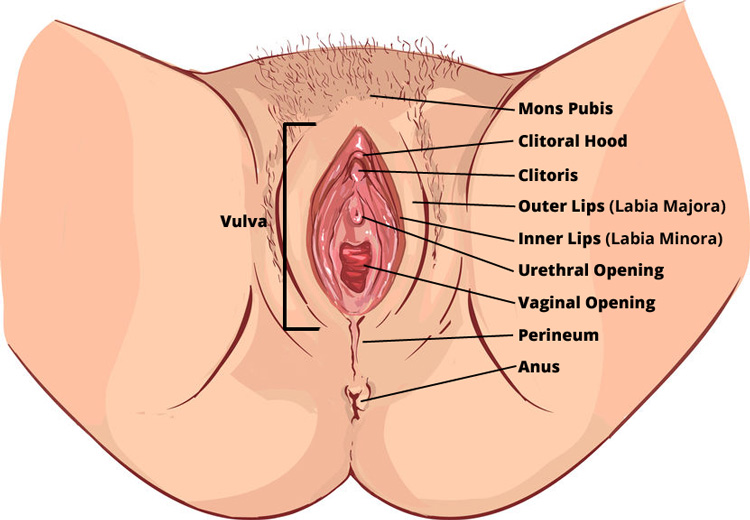
Mons Pubis: Rounded mass of fatty tissue resting over the pubic bone, providing cushioning and protection to underlying structures.
Labia: External lips of the vulva that create a protective barrier for internal reproductive organs, with the labia majora being more prominent.
Clitoris: A complex structure with numerous nerve endings, playing an essential role in sexual arousal and pleasure.
Cervix: This cylindrical structure measures about 2.5 inches long, serving as the gateway to the uterus and has vital functions during menstruation and childbirth.
Ovaries: Each ovary contains thousands of immature ova; the hormonal functions regulate the menstrual cycle and fertility.
Pelvic Anatomy
Bony Pelvis
Functions:
Protects pelvic structures: encases reproductive and urinary organs, safeguarding them from trauma.
Accommodates the growing fetus during pregnancy: The shape and size of the pelvis are crucial for childbirth.
Anchors pelvic support structures: muscles and ligaments attached to the pelvic bones provide structural support.
True vs. False Pelvis
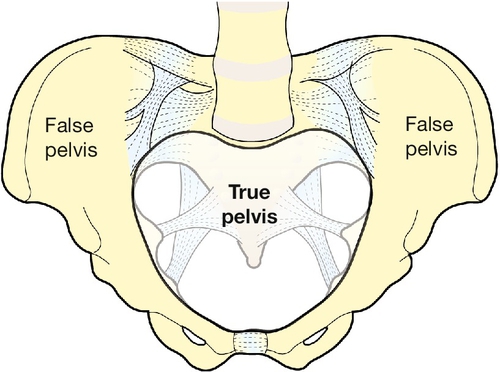
False Pelvis: upper portion of the pelvis that supports the weight of the growing fetus.
True Pelvis: The lower part involved in childbirth includes the inlet, the cavity, and the outlet through which the fetus passes during vaginal birth.
Female Reproductive System (Continued)
Breasts
Structure:
mammary gland composed of numbers of lobes, divided into lobules.
lobules are clusters of acini
acinus is a saclike terminal part of a compound gland emptying through a narrow lumen or duct
acini are lined with epithelial cells that secrete colostrum and milk.
colostrum as immunitys that the mother passes on to the baby
Hormonal Cycle Overview
Hypothalamic-Pituitary Cycle
GnRH (gonadotropin-releasing hormone) is released from the hypothalamus, stimulating the pituitary gland to secrete:
FSH (Follicle-stimulating Hormone): Stimulates the growth of ovarian follicles in the ovaries.
LH (Luteinizing Hormone): Triggers ovulation and stimulates the corpus luteum to produce progesterone.
Ovarian Cycle Phases: Three phases including the follicular phase, ovulation, and luteal phase, each regulated by feedback mechanisms.
Menstrual Cycle Phases
Proliferative Phase: The endometrium thickens due to rising estrogen levels preparing for potential implantation.
Secretory Phase: After ovulation, progesterone predominates, further preparing the endometrium for implantation.
Ischemic Phase: If implantation does not occur, levels of estrogen and progesterone drop, shedding the uterine lining, leading to menstruation.
Reproductive Health Issues
Amenorrhea
Primary: Anatomic or endocrine issues affecting menstruation onset, associated with conditions like Turner syndrome.
Secondary: Often results from pregnancy, hormonal imbalances, extreme weight loss, or stress, necessitating comprehensive evaluation.
Dysmenorrhea
Pain occurring before or during menstruation, categorized as:
Primary Dysmenorrhea: Linked to elevated levels of prostaglandins, causing heightened uterine contractions and discomfort.
Treatment Options: Include NSAIDs, hormonal contraceptives, heat therapy, and alternative remedies to alleviate pain.
Premenstrual Syndrome (PMS)
Symptoms: Emotional and physical symptoms occur cyclically in the luteal phase, affecting daily life.
Management Strategies: Address lifestyle factors through diet, exercise, and herbal therapies based on symptom severity.
Endometriosis
Condition: The growth of endometrial tissue outside the uterus leads to significant pain and infertility.
Management: Involves ongoing drug therapy, hormonal interventions, and surgical options when necessary.
major symptoms
dysmenorrhea: pain during or shortly before menstruation, often described as severe cramping in the lower abdomen.
deep pelvic dyspareunia (painful intercourse)
Sexually Transmitted Infections (STIs)
Definition: Encompasses over 30 infectious organisms that can be transmitted sexually, necessitating education and preventative measures.
Prevention:
Stresses safer sex practices,
knowledge of partners' sexual health
proper condom use
available vaccinations against preventable STIs.
Infertility
Common Factors
Affects approximately 12% of reproductive-age women; requires understanding of female (hormonal imbalance, tubal issues) and male (hormonal, testicular/transport issues) factors.
Assessment for infertility
Female Assessment:
ovarian and hormonal factors
tubal and peritoneal factors
uterine factors
vaginal-cervical factors
other factors (obesity, nutritional deficiencies, hyper or hypothyroidism)
Male Assessment: check sperm count
hormonal factors
testicular factors
factors associated with sperm transport ( drugs, sti’s, ejaculatory dysfunction)
idiopathic male infertility. ( we don’t know the cause.)
Care management
assessment of female infertility
test or examination
evaluation of the anatomy
detection of ovulation
hormone analysis
ultrasonography
endometrial biopsy
hysterosalpingography
laparoscopy
assessment of male infertility
semen analysis assesses sperm number, morphology, and motility
hormone analysis
scrotal ultrasound
plan of care and implementation
psychosocial considerations
nonmedical treatment
lifestyle changes, diet/exercise, and well-balanced nutrition
stress management, relaxation, exercise
antioxidant vitamins E and C, zinc
Medical therapy
clomiphene citrate-ovulation induction, treatment of luteal-phase inadequacy
menotropins (human menopausal gonadotropins) ovarian follicular growth and maturation
follitropins (purified FSH) treatment of polycystic ovary syndrome; follicle stimulation for assisted reproductive techniques
human chorionic gonadotropin (hCG) ovulation induction
GnRH agonists treatment of endometriosis uterine fibroids
progesterone treatment of luteal-phase inadequacy
metformin restores cyclic ovulation and menses in many women with polycystic ovary syndrome
letrozole ovulation induction
surgical therapies
assisted reproductive therapies (ART)
IVF-ET
GIFT
IVF and GIFT with donor sperm
zygote intrafallopian transfer
donor embryo
assisted reproductive therapies
invitro fertilization-embryo transfer (IVF-ET) eggs are fertilized in the lab with sperm, and then transferred intothe uterus after the embryo develops
donor oocyte eggs are donated by IVF procedure
therapeutic donor insemination (TDI) donor sperm are used
embryo hosting another woman carries the baby
Contraceptive Methods
Importance of Contraception
Primary method to decrease unwanted pregnancies, allowing for informed family planning decisions.
Types of Contraception:
coitus interrupts: pull out method
natural family planning; no sex during fertile days
basal body temp; slight drop in temp during ovulation
cervical mucus ovulation detection changes before and during ovulation to facilitate and promote the viability and motility of sperm
spermicides works by attacking sperm flagella from reaching the cervical
condoms barrier protection (prevent STIs) careful watch for latex allergies
diaphragm needs fitting, is a mechanical barrier to the meeting of sperm with the ovum
oral contraceptives birthbcontrol
DepoProvera injection every 3 months
IUD watch for infection risk ( pelvic inflammatory infection)
Considerations: Safety, accessibility, cost-effectiveness, and acceptability depending on personal health and lifestyle.
Fetal Growth and Development
Critical Changes: Major developments occur during both the embryonic and fetal periods, with each stage requiring specific nutritional support and monitoring.
Nutritional Needs: Increased demand for vital nutrients essential for fetal development, particularly folic acid for neural tube formation, and iron for blood volume.
nongenetic factors influencing development
teratogens - environmental factors that can produce abnormalities in the embryo or fetus
drugs
chemicals
infection
exposure to radiation
maternal conditions
maternal nutrition
malnutrition
Maternal Nutrition Before and During Pregnancy
Balanced Diet: Essential for ensuring adequate nutrition supply for fetal growth and development, with particular emphasis on whole foods rich in essential vitamins and minerals.
Nutritional Assessments: Conducted to guide weight gain goals and address nutritional deficiencies before and during pregnancy.
nutrient needs before conception
1st trimester crucial for embryonic and fetal organ development
healthful diet before conception ensures that adequate nutrients are available for developing fetus
folate or folic acid intake important in the periconceptual period
neural tube defects are more common in infants of women with poor folic acid intake, ( 600mg daily recommended)
nutrient needs during pregnancy
factors that contribute to the increase in nutrient needs
the uterine-placental-fetal unit
maternal blood vol and constituents: blood vol increase can lead to heart conditions
maternal mammary development
metabolic needs ( increase in calories about 500)
energy needs
weigh gain usually 25 lbs
BMI
pattern of weight gain
hazards of restricting adequate weight gain
excessive weight gain ( gestational diabetes)
protein
fluids
care management
collaborative care
N&V usually in 1st trimester
constipation 3rd trimester
pyrosis(heartburn)
cultural influence
vegetarian diets increase protein intake
Adolescent Pregnancy
Interventions: Aimed at improving the nutritional health of pregnant adolescents, emphasizing the importance of education and access to prenatal care services for healthy outcomes.
Lactation Nutrition
Nutritional Needs: Increased caloric intake and hydration during lactation similar to pregnancy to support maternal and infant health.
Recommendations: Emphasize wholesome foods, adequate rest, hydration, and the avoidance of harmful substances while lactating.
needs for energy (cal), protein, calcium, iodine, zinc, vitamin B, and vitamin C
energy intake increase of 300 cal
Physical Activity
Regular Exercise: Moderate physical activity is encouraged for enhancing overall well-being and reducing complications during pregnancy, promoting both physical and mental health.
Suggestions: Include recommendations for hydration and proper caloric intake when engaging in physical activity to support maternal health.