exam 2 Data
Complement - of event A, noted by the symbol A is the subset of outcomes that are not part of the event
Simple event - one that can only happen in one way, has a single outcome
mutually exclusive- a set of events that cannot occur at the same time.
Collectively exhaustive- if one of the events must occur
Certain events - is an event that is sure to occur such as “rolling a value greater than 0” for rolling one fair die
Impossible event - is an event that has no chance of occurring
Types of Probability
Priori probability - probability of an occurrence is based in having prior knowledge of the outcome that can occur
Empirical probability - based on observed data, not on prior knowledge of how the outcomes can occur
Subjective probability - differs from the other two approaches because subjective probability differs from person to person
Simple probability- occurrence of simple of a simple event A, (PA) in which each outcome is equally likely to occur
Joint probability - of an occurrence involving two or more events
Marginal Probability- an event consists of a set of joint probabilities
How many political party are there? 2 or more
Counting Rule
Rule 1: determines the number of possible outcomes for a set of mutually exclusive and collectively exhaustive events.
If any one of K different mutually exclusive and collectively exhaustive events can occur on each of n trails, the number of possible outcomes is equal to K^n
Rule 2: is a more general version of the first counting rule and allows the number of possible events to diff from trial to trial.
K1,K2,K3
Rule 3: involves computing the number of ways that a term can be arranged in order
n!= (n)(n-1)...(1): where n! Is called n factorial, and 0! Is defined as 1
Rule 4: the number of ways of arranging x object selected from n object in order is
nPx = n!
Rule 5: the number of ways of selecting x objects from n object, irrespective of order, is equal to
Permutations - number of ways in which a subset of an entire group of items can be arranged in order, possible arrangement
Counting rule 4
Combinations - in the order of the outcomes but only in the number of ways that x items can be selected from n items, irrespective of order, each possible selection.
Counting rule 5
How to read a contingency table?
A | A | total | |
|---|---|---|---|
B | |||
TOTAL | GRAND TOTAL |
Discrete Variable: is a mutually exclusive list of all the possible numerical outcomes along with the probability of occurrence of each outcome
z-score : z=
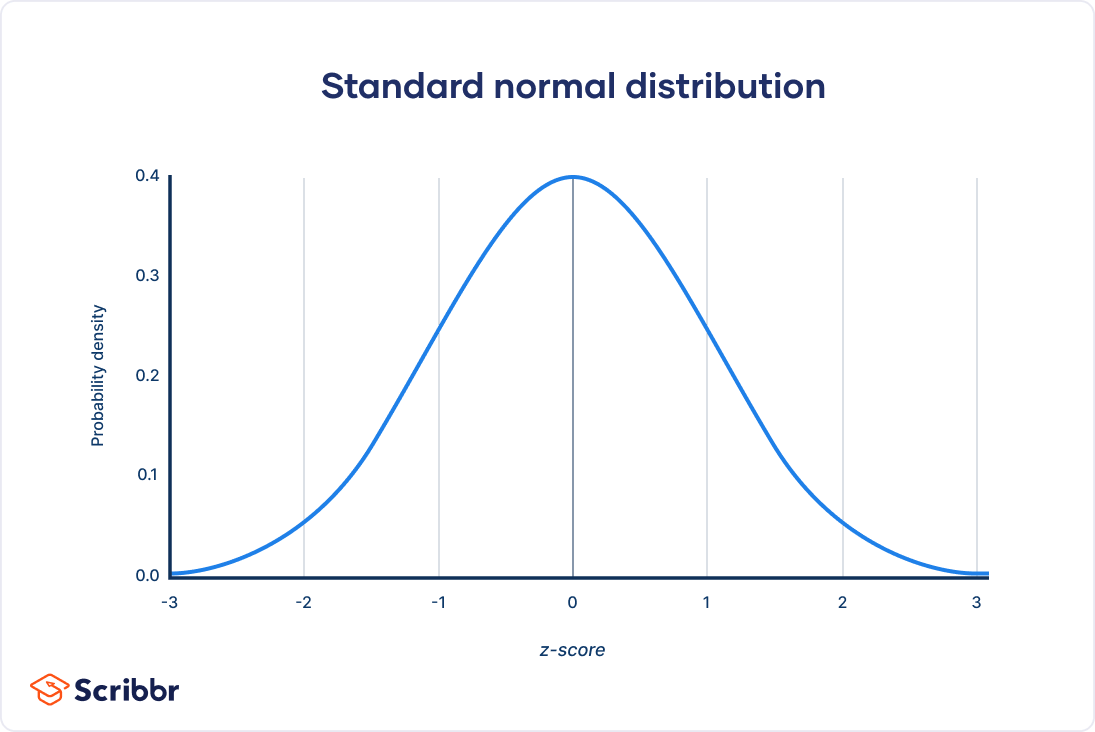
Value of x : normal distribution
Is not only symmetrical, but bell-shaped, a shape that (loosely) suggest the profile of a bell
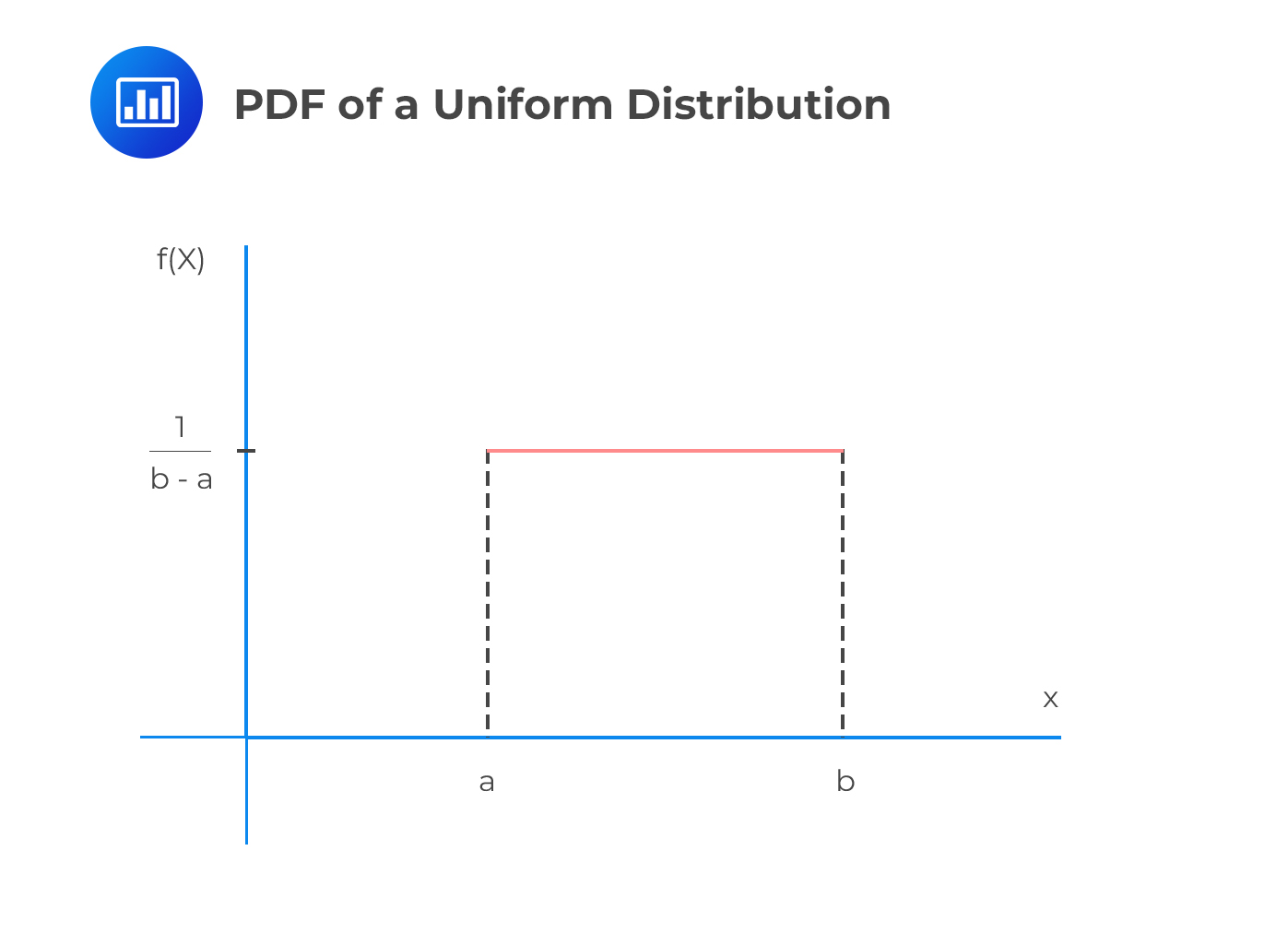
Values of X: uniform distribution
Rectangular distribution, contains values that are equally distributed in the range between the smallest and largest values
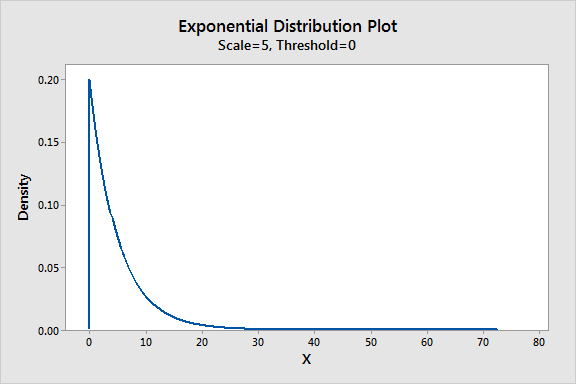
Values of X: exponential distribution
Contains values from zero to positive infinity and is right skewed, making the mean greater than the median
continuous probability: vary by the shape of the area under the curve