SKELETAL SYSTEM
SKELETAL SYSTEM
EXOSKELETON & ENDOSKELETON
- ENDOSKELETON: from mesodermal, cartilages, dermis, etc
- EXOSKELETON: integumentary origin
ORIGINS
- MESODERMAL: mesenchymal cells
- ENDOCHONDRAL OSSIFICATION
- INTEGUMENTARY
- SESAMOID BONES: formation from within tendons
THE SKULL
CRANIAL STRUCTURE OF VERTEBRATES
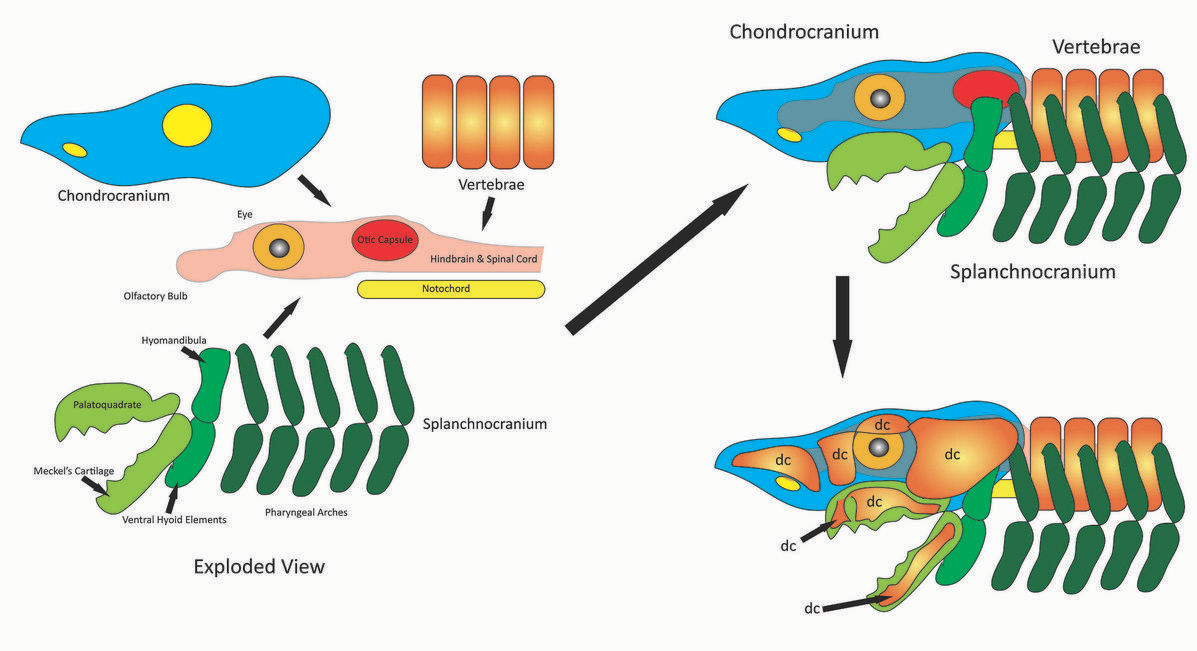
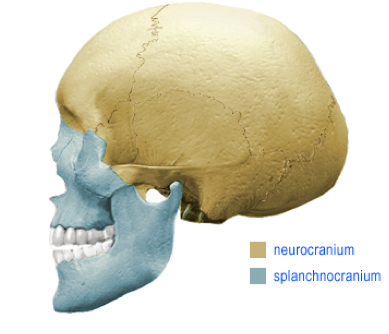
- CHONDROCRANIUM / NEUROCRANIUM
- cartilaginous
- FUNCTIONS:
- Protects the brain and other sense organs
- Provide attachment sites for jaw muscles
- mostly seen only embryonically except in some fish
- brain platform
- ELASMOBRANCHII: support
- Others: embryonic
- FATE:
- ossification in bony fish and tetrapods
- adult form in elasmobranchii
- SPLANCHNOCRANIUM
- ancient chordates - feeding structure
- vertebrates:
- supports gills and some respiratory structures
- develop into jaws and hyoid apparatus
- DERMATOCRANIUM
- derived from the dermis
- Covers and protects the underside of the chondrocranium
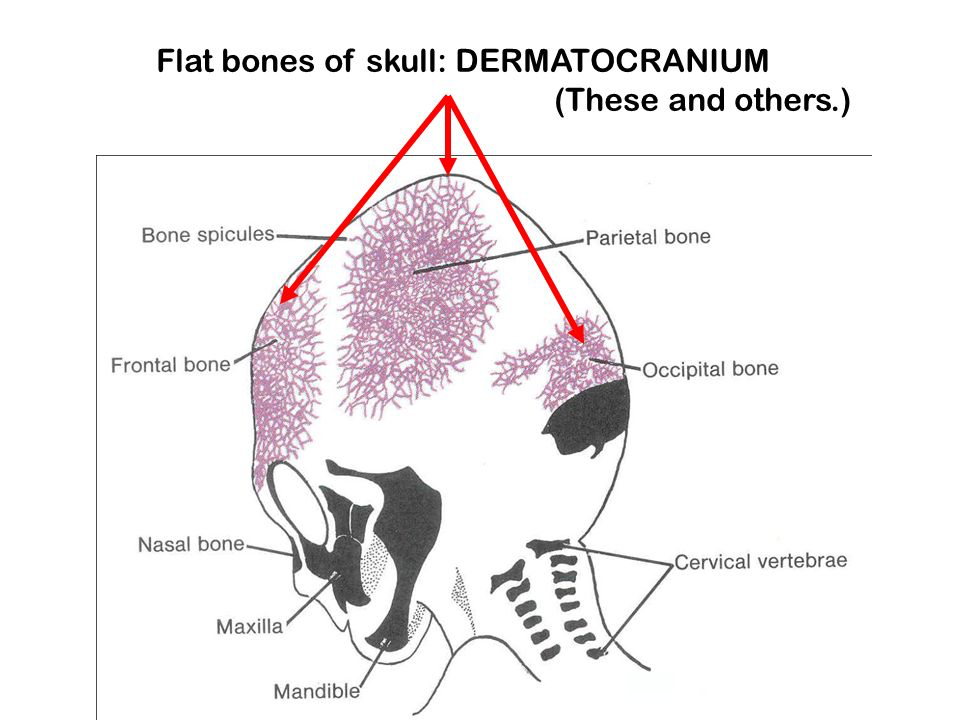
DERMAL BONE SERIES
FACIAL SERIES
- snout series
- premaxilla, maxilla, nasal
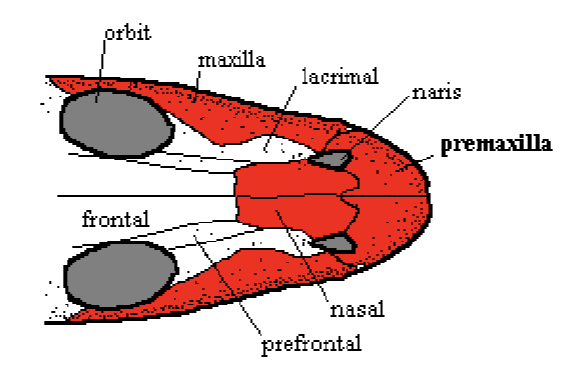
ORBITAL SERIES
- surrounds the eye sockets
- lacrimal, prefrontal, postfrontal, postorbital, jugal (aka mallar)
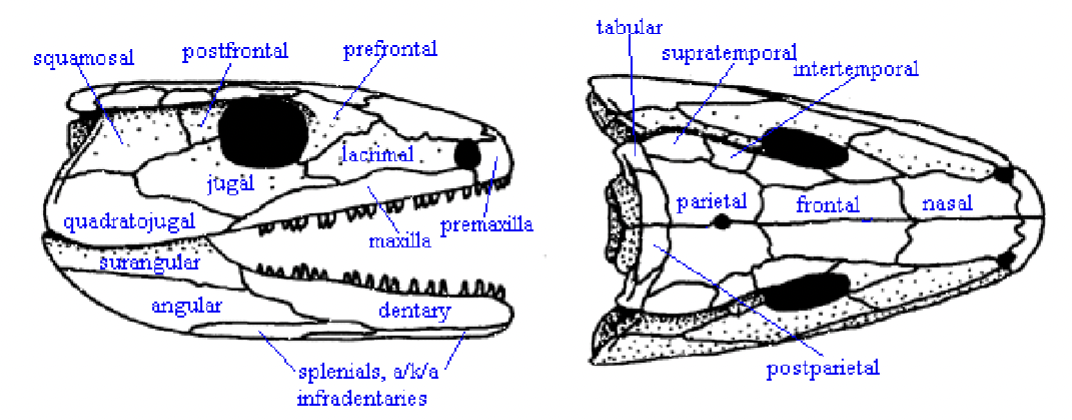
TEMPORAL SERIES
- beside the orbit
- intertemporal, supratemporal, tabular, squamosal, quadratojugal
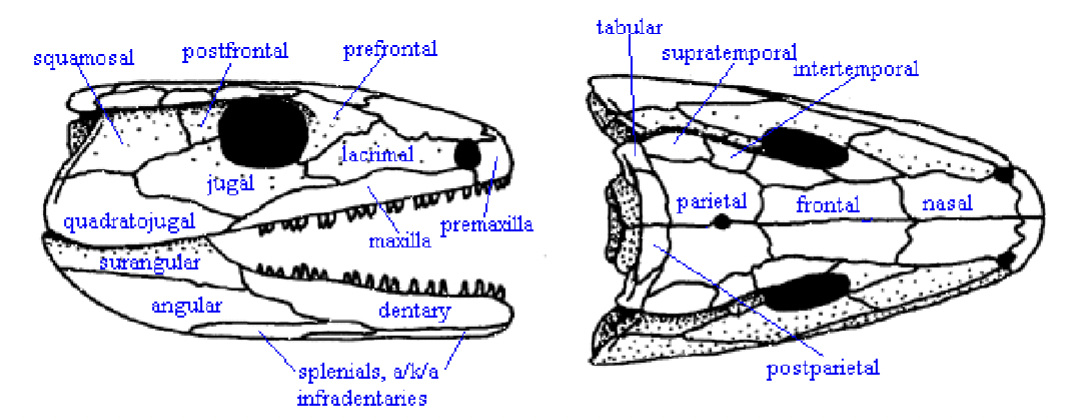
VAULT SERIES
- covers the brain (roof of the head)
- frontal, parietal, postparietal
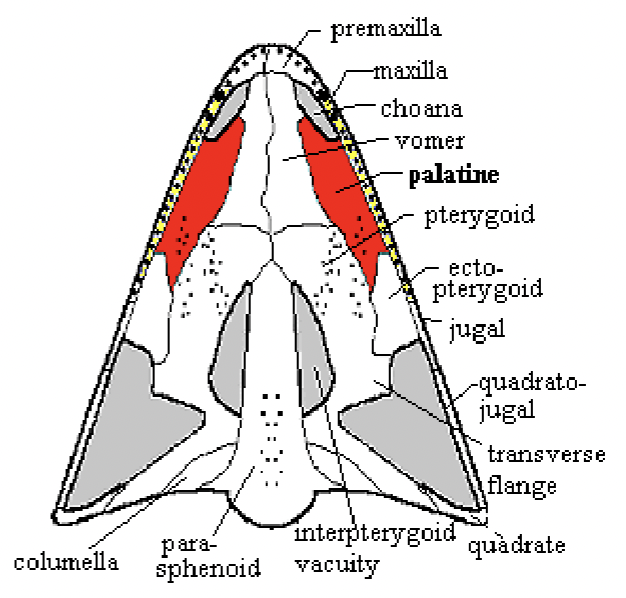
PALATAL SERIES
- roof of the mouth
- vomer, palatine, ectopterygoid, pterygoid, parasphenoid
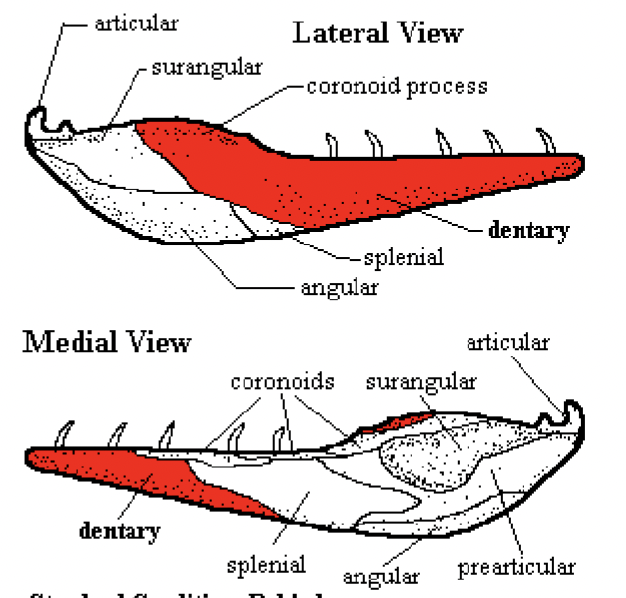
MANDIBULAR SERIES
- lower jaw
- lateral, dentary, splenials, angular, strangulation, prearticular, coronoid
NOTE:
bones fuse tgt as the organism develops to lessen the gaps btw them, thereby reducing risk of injury. this protects them from external forces.
SKULL PHYLOGENY
FISH
- cartilaginous in chondrichthyes
- no dermatocranium, expanded chondrocranium
- bony skeleton in actinopterygians
- major presence of dermal bones (dermatocranium)
- presence of opercular bones (protect the gills)
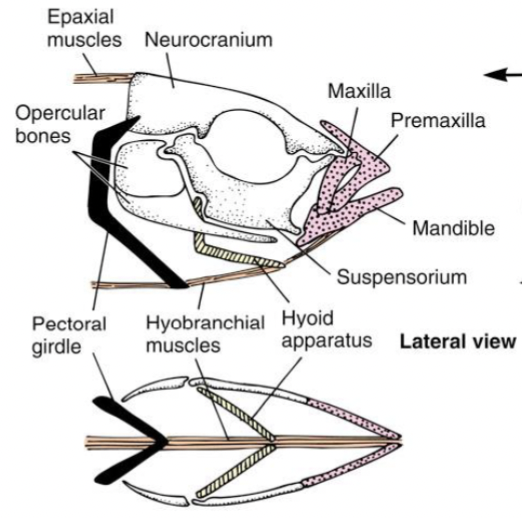
DISADVANTAGE: since more articulate, more vulnerable to injury
ADVANTAGES:
- more attachment points to the muscles, which pulls the muscles downward, allowing movement. creates lower pressure inside the mouth, allowing more water to rush in (along with food).
- thus, fish take in water through their mouths, run it through their gills and expel them through their opercular bones.
- puzzle-like arrangement allows for more efficient feeding
AMPHIBIA
- disappearance of operculum
- reduction of neurocranial mobility
- fusion of bones
REPTILIA
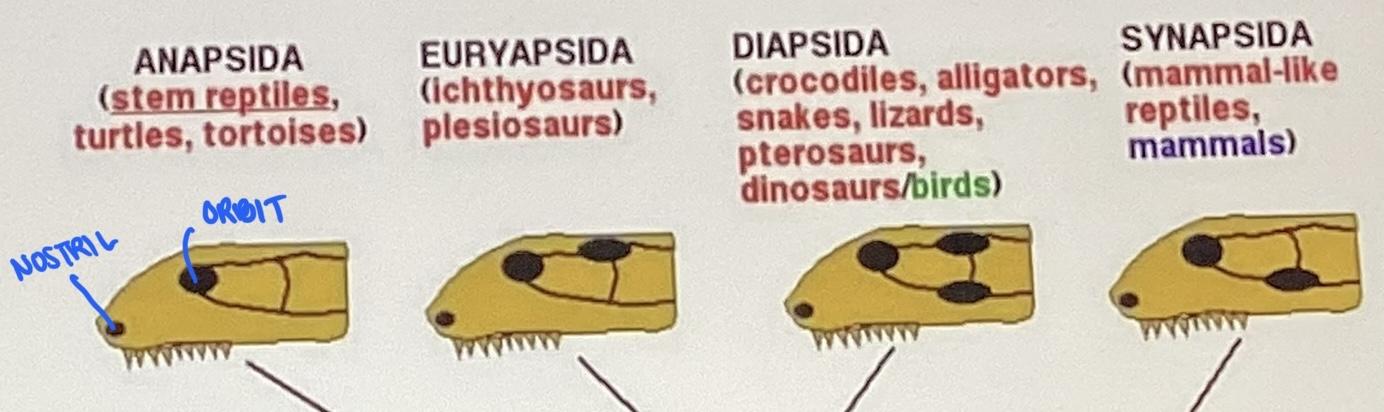
- temporal fenestrae: anapsid, diapsid, synapsid
AVIALAE
- diapsid
- mostly dermatocranial
- braincase is much larger
- have bigger brains
- highly elongated jaw, keratinized (for protection)
MAMMALIAN
- synapsid
- mostly dermatocranial
- fusion and loss of numerous bones
- secondary palate formation
- separates the nasal cavity and oral cavity
AXIAL SKELETON (trunk, back)
MAIN COMPONENTS
- ribs
- Sternum (aka breastbone)
- vertebrae
FUNCTIONS
- Protection (ribs protect internal organs)
- Streamlining (ex. In fish, allows them to move better in water)
- Stability (vertebral column)
- maintaining body form and posture (vertebral column)
- Locomotion (undulating movements from side to side of the axial skeleton allows organism to swim better underwater)
- weight suspension (in quadruped animals; enables suspension of animal's weight)
VERTEBRAL COLUMN - SEGMENTS IN HUMANS
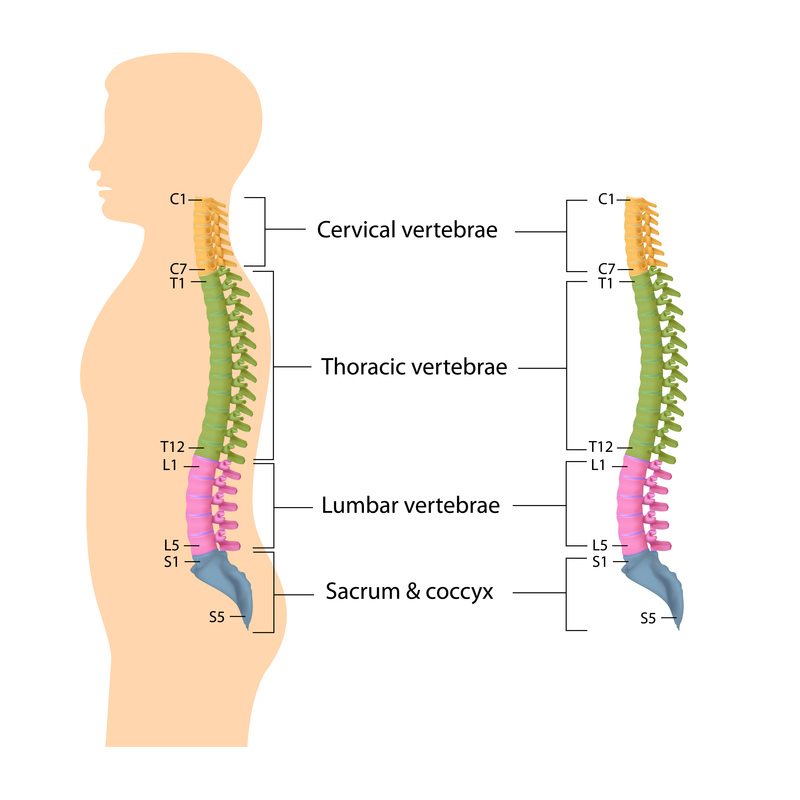
- Cervical (neck bones)
- Thoracic (upper back; attached to the ribs)
- Lumbar (lower back)
- Sacral (attached to the pelvic girdle)
- Caudal (tailbone; reduced in humans, elongated to make up the tail in other organisms)
RIBS
- FUNCTIONS:
- muscle attachment
- protection
- respiration
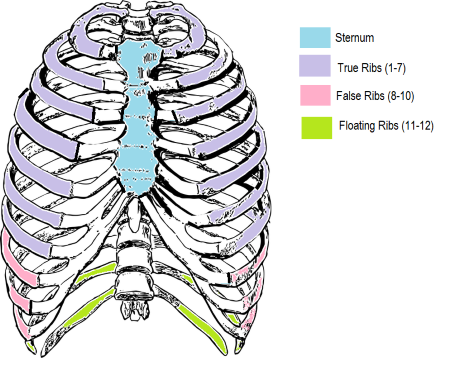
- true, false, floating ribs
- TRUE: dorsally attached to vertebral column and ventrally attached to breastbone
- FALSE: dorsally attached to vertebral column, can be ventrally attached to another rib
- FLOATING: dorsally anchored to the vertebral column but not attached to anything else on the other end
STERNUM
- attachment point for chest muscles (aids in movement of forelimbs)
- FUNCTIONS:
- Protection (shields internal organs: thoracic cavity)
- Stability (movement, structurally)
- part of the rib cage
- absent in fish, testudines, limbless lizards, snakes, and primitive tetrapods
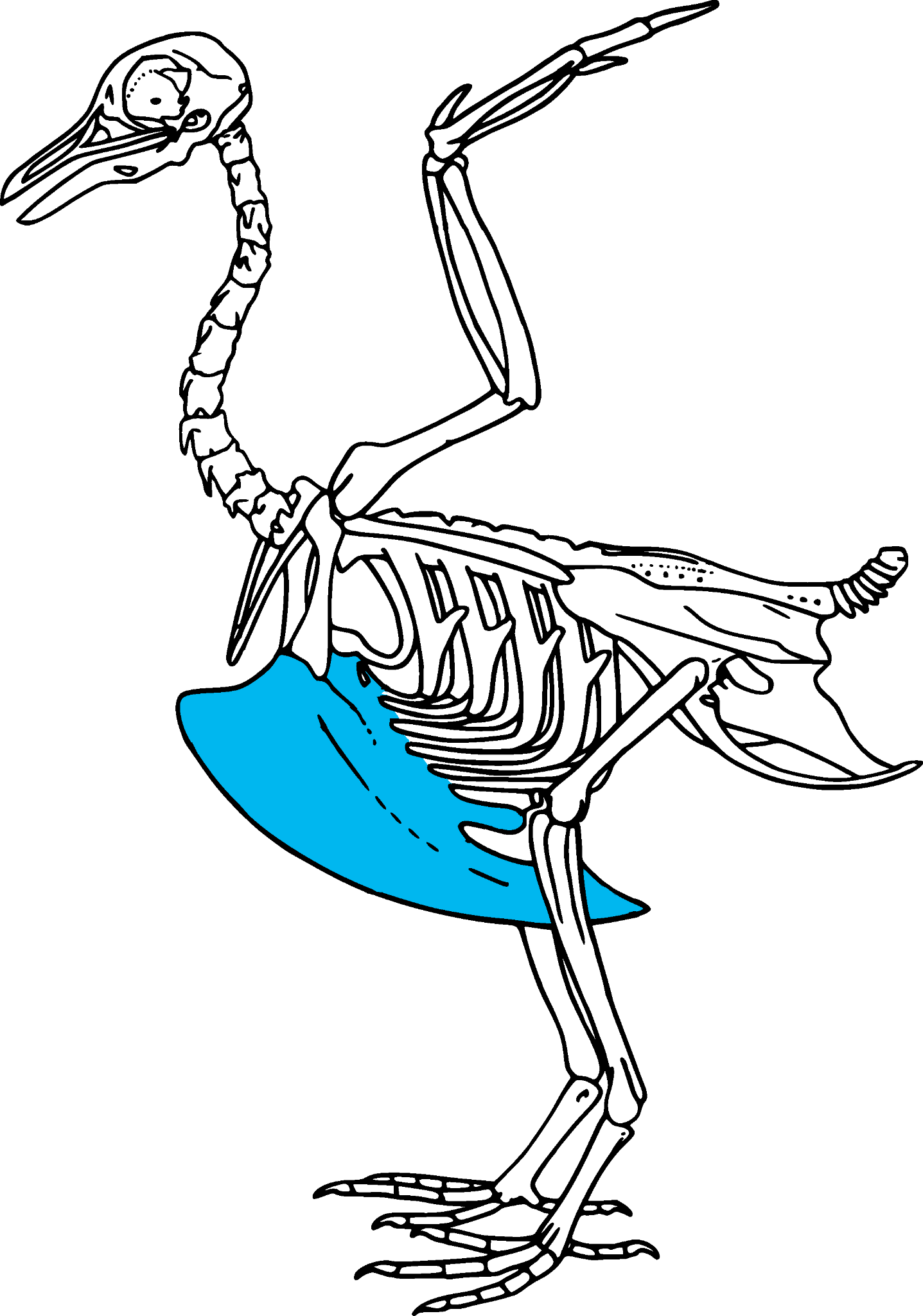
- highly modified in avialae (KEEL/CARINA)
- Flattened structure found in the ventral side that allows more muscles to attach. Modification for flight
APPENDICULAR SKELETON
COMPONENTS
- pectoral and pelvic girdles (support arms, legs, fins)
- limbs
- Fins (can be attached to the pectoral or pelvic girdles)
PECTORAL GIRDLE
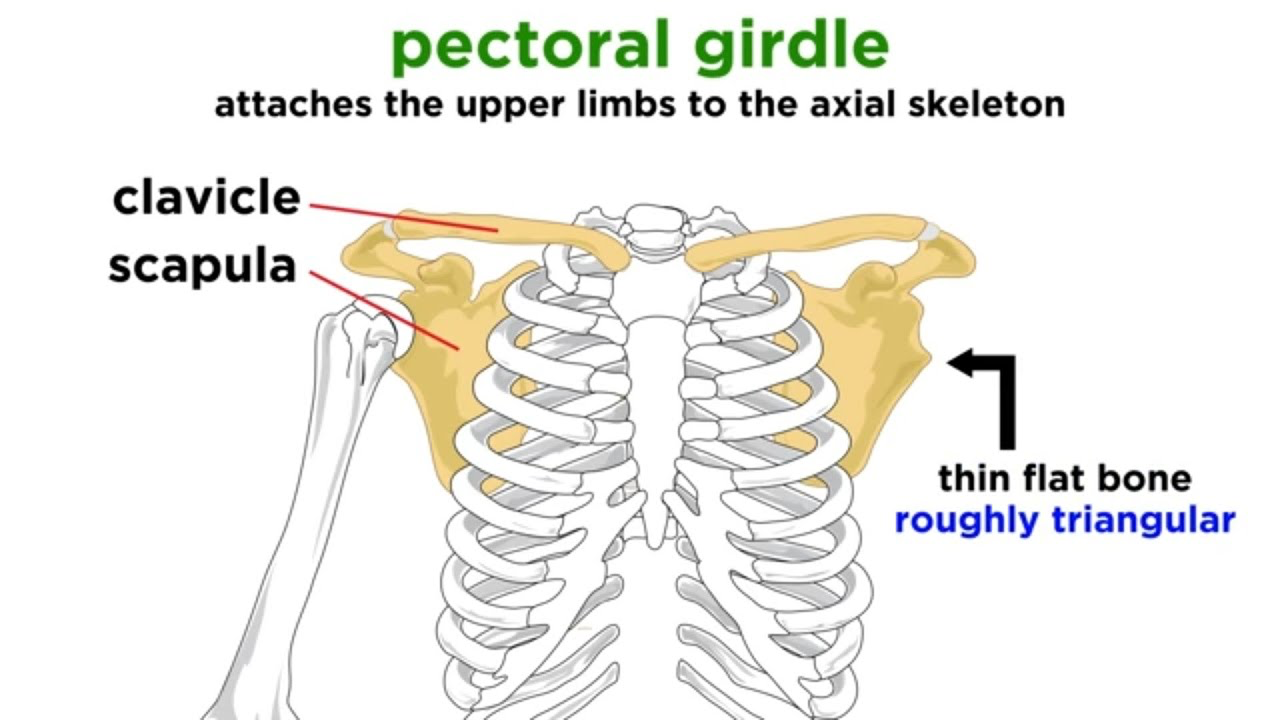
- supports pectoral limbs or fins
- In humans: clavicle, collarbone, shoulder, some bones in upper back etc
- Articulates w skull (in fish)
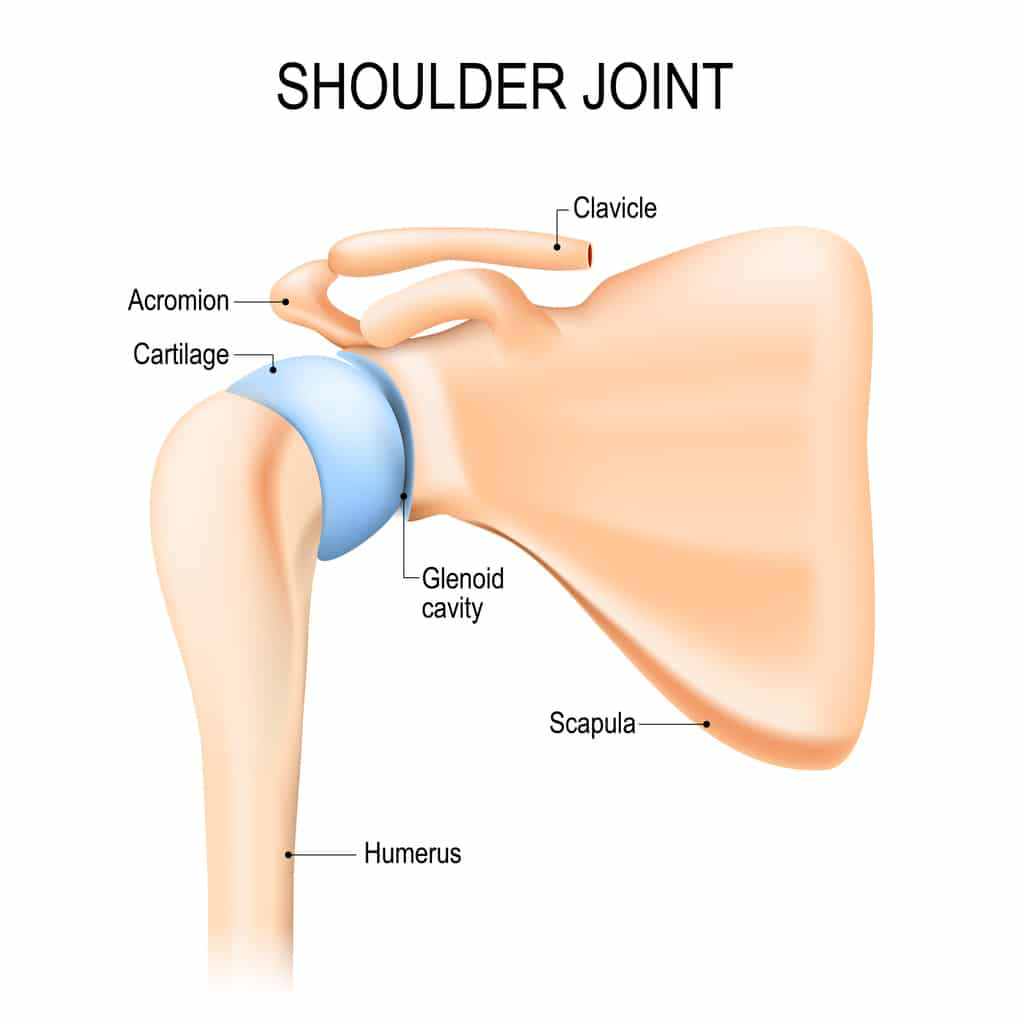
- GLENOID FOSSA (attachment point for forelimbs): socket in pectoral girdle
PELVIC GIRDLE
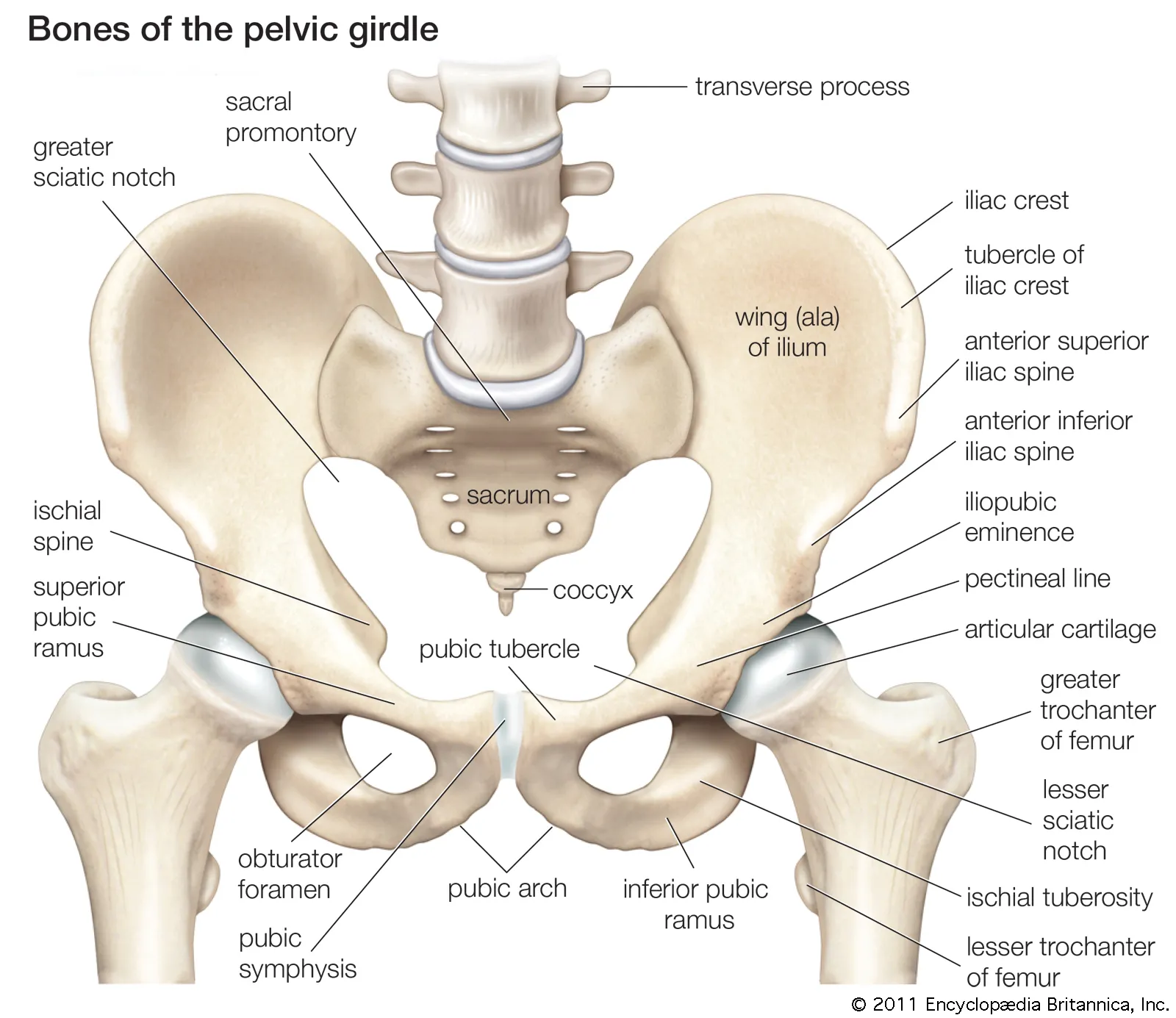
- Supports pelvic limbs or fin
- ACETABULUM (socket in pelvic girdle)
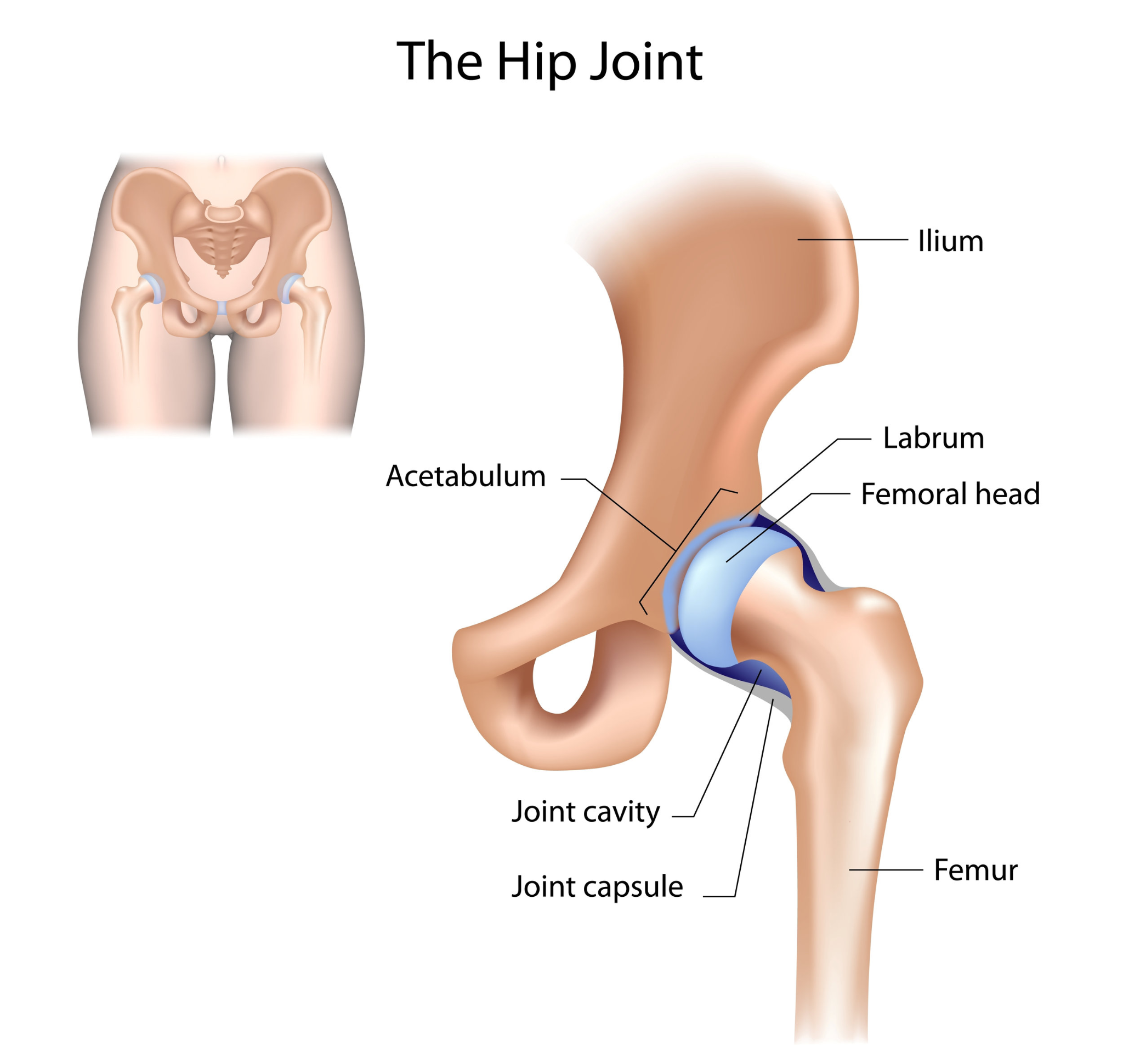
- presence of public symphysis in some animals (jointed cartilaginous area that aids in childbirth/movement
FINS
- Fin rays- lepidotrichia (in actinopterygians) & ceratotrichia (in cartilaginous fish)
- Phylogenetically, source of limbs of tetrapods
LIMBS
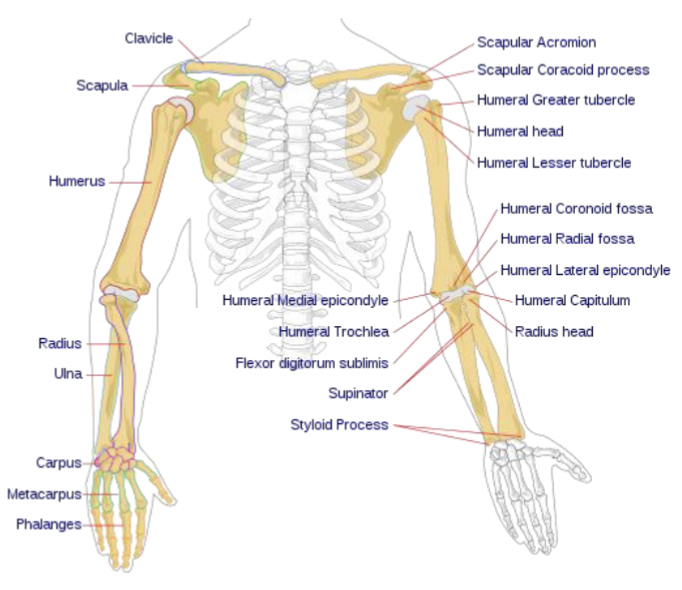
- jointed, bears digits
- components:
- STYLOPODIUM (bone directly attached to girdle)
- humerus for pectoral girdle, femur for pelvic girdle
- ZEUGOPODIUM (attached to lower limb)
- radius & ulna - forelimbs, tibia & fibula - hind limbs),
- AUTOPODIUM
- manus- forelimbs, pes- hind limbs
- made up of the:
- carpals, metacarpals, and phalanges - hands
- tarsals, metatarsals, phalanges - feet
- Autopodium can be further divided into the ff:
- BASIPODIUM (carpals & tarsals)
- METAPODIUM (metacarsals & metatarsals)
- ACROPODIUM (phalanges)
- STYLOPODIUM (bone directly attached to girdle)