Christianity : Beliefs and teachings
The nature of God
Branches of christianity
Chatholic - based in rome and lead by the pope
Orthodox - split from catholic christianity i 1054 CE and practiced in eastern europe
Protestant - split from catholic christianity in the 16th century and branched into different denominatons e.g. baptist, methodist. Protestants agree that te bible is the only authority for christians
What do christians belive about God?
There is only one god
‘‘We belive in one god’’ The nicene creed
God is the cretor and sustainer for all that exists
God works throughout history and inspires people to do God’s will
People can have a relationship with God throigh prayer
God is spirit - neither male nor female - but has qualities of both
God is holy (set apart for a special purpose and worthy of worship)
Jesus is God’s son - the truest representation of God on earth
God as omnipotent, benevolent and just
Some qualities of God
Omnipotent - God is the supreme being who is all-powerful and has unlimited authority
Benevolent- God uses hos power to do good and shows his love by creating human and caring for them aswell as sending his son, Jesus, to earth
Just - God is a just judge of humankind and will neer support injustice, predgudice or oppression
The problems of evil and suffering
The problem of evil and suffering challenges these qualities of God:
If God is benevolent, why does he allow people to suffer, and to hurt others?
If God is omnipotent, why does God not prevent evil and suffering, such as suffering form a natural disaster?
If God id just, why does God allow injustice to take place?
Christialns believe a just God treats people fairly, so they trust God even when things seem to be going wrong.
The oneness of God and the Trinity
The Trinity
God is understood by christians as a relationship of love between Farther, Son and Holy Spirit
In describing God as Trinity, ‘person’ doesn’t mean a physical being, although Jesus did have a physical presence in history
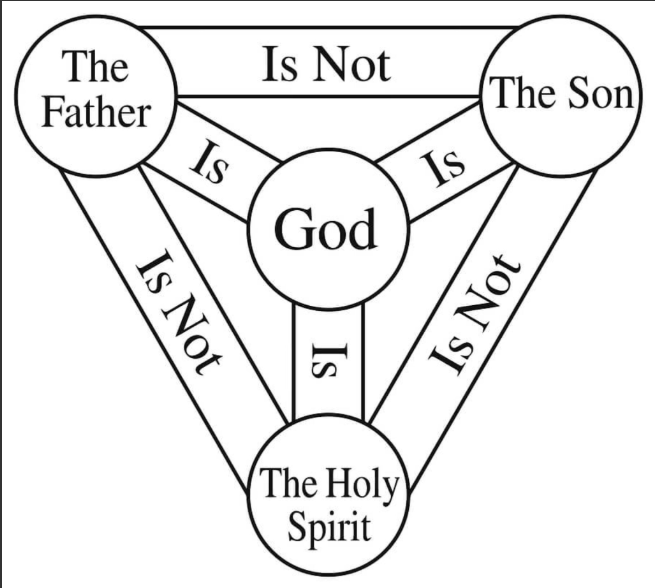
God the Father, the creator of all life, acts as a good farher towards his children. He is all powerful, all loving, all knowing (omniscient) and present everywhere (omnipresent).
God the son became incarnate through Jesus who was both fully human while on earth and fully God at all times. Jesus is called the son of God to show his special realtionship with God the Father.
God the Holy Spirit is the unseen power of God at work in the world, who influences, guides and sustains life on earth.
Different christian beliefs about creation
Creation Genisis 1:1-3
‘‘ In the beginning, God created the heavens and the earth. Now the earth was formless and empty, darkness was over the surface of the deep, and the spirit of god was hovering over the waters. nd God said,’’Let there be light,’’ ad there was light.’’
Many christians believe that the story of the creation in Genisis, while not scientifically accurate, contains religious truth
Some christians believe that God made the world in literally 6 days
God created everything out of choice and made everything ‘good’
Christians believe that God continues to create new life today
Although God the Father is referred to as the creator, the Holy Spirit was active in the creation, according to Genisis
Creation John 1:1-3
‘‘In the beginning was the Word, and the Word was with God, And the Word was God. He was with God in the beginning. Through him all thing were made; without him nothing was made that has been made.’’
In John’s gospel, everything was created through the Word, who was both with God and was God
The Word refers to the Son of God who eneter the history as Jesus
Chrstian belive that the Son of God, The Word of God , was involved in the creation
The incarnation of Jesus, the son of God
The incarnaton
‘‘This is how how birth of Jesus the Messiah came about: His mother Mary was pledged to be married to Joseph, but before they came together, she was found to be pregnant through the Holy Spirit,’’ Matthew 1:18
On sparate occasions an angel appeared to Mary and Joseph expaliing that is was not an ordinary conception and it ws not to be an ordinary child
The gospels of Matthew and Luke explain that Mary conceived Jesus without having sex
The virgin conception is evidence for the christian belief that Jesus was the Son of God , part of the Trinity
Through the incarnation, God showed himself as a human being (Jesus) for around 30 years
‘‘The Word became flesh and made his dwelling among us’’ John 1:14
Son of God, Messiah, Christ
Jesus was fully God and fully human, which helps expain his miracles ans ressurection
His words, deeds and promises have great authority because they are the word of God
Most Jews expected a Messiah who would come and save Israel and establish an age peace, but don’t belive that Jesus was that person
Christians believe that Jesus is the Messiah, but a spiritual rather than a political one
Gospel writers refer to Jesus as the Christ, but Jesus warned his diciples not to use the term, possibly because his opponents would have him arrested for blasphemy.
The crucifixion
What happened
Although Jesus was fully God, he was also fully human so suffered pain and horror
Jesus’ last words before dying were:
‘‘Father, in your hands I commit my spirit.’’
A roman centurion acknowleged Jesus ws innocent, and said he was the Son of God
The roman guards made sure Jesus was dead
Joseph of Arimathea was permitted to bury Jesus in a cave-like tomb, rolling a large stone to block the entrance
Jesus’ burial was rushed because the Sabbath was about to begin
Why is it important
Jesus’ sacrifice on the cross gives hope to christians that their sins will be forgiven if they sinserly repent
Christians belive that God understands human suffering because Jesus, who is God, experienced it.
Christians accept that suffering is part of life, just as it was part of Jesus’ life
The ressurection and ascetion
The ressurection
Early on Sunday morning, some of Jesus’ female followers including Mary Magdalene, visite the tomb to anoint Jesus’ body
His body wasn’t there
Either a man or two men, who may have been angels, told the women to spread the news that Jesus has risen from the dead
Over the next few days, Jesus appeared to several people including Mary Magdalene and his diciples. He told them he had risen from the dead, as he predicted he would before the crucifixion.
‘‘And if Christ had not been raised, our praeching is useless and so i your faith. but Christ has indeed been raised from the dead…For as in Adam all die, so in Christ all will be made alive.’’ Corinthians
The ascention
After meeting with his diciples and asking tem to carry on his work, Jesus left them for the last time, returning to thr Farther in heaven
‘‘While he was blessing them, he left them and was taken up into heaven.’’