Neurodevelopmental Disorders
Overview
Page 1
Learning Objectives
Describe the impact of neurodevelopmental disorders on a client’s overall health.
Explore epidemiological and etiological risk factors that contribute to clients experiencing neurodevelopmental disorders.
Differentiate the clinical presentation of clients experiencing neurodevelopmental disorders.
Explore the role of the nurse caring for clients experiencing neurodevelopmental disorders.
Apply the nursing process through the use of clinical judgment functions while providing care to clients experiencing neurodevelopmental disorders.
Neurodevelopmental disorders (NDD) are a group of conditions generally noted with onset in the developmental period, although some neurodevelopmental disorders are delayed and do not become evident until the client is diagnosed with another mental health disorder or experiences trauma. The onset of manifestations of NDDs often occurs during childhood and adolescent years. Developmental deficits associated with these conditions can produce impairments of personal, social, academic, or occupational functioning. Nurses working with children and/or adolescents must be fluent in identifying clients’ current developmental stages. Even though behavioral responses are individual, they are human responses that have commonalities and require varying types of interactions from caregivers. Responses and behaviors that fall outside the parameters of an expected developmental stage, such as aggression or regression, warrant closer assessment and investigation. Erik Erikson theorized that in each stage, a person must successfully address conflicts, such as those that pave the way for future development. If the conflict during each respective stage is not resolved, the person may struggle with the future sense of self and development.
neurodevelopmental disorders (NDD)
developmental deficits
behavioral responses
Erikson’s Stages of Psychosocial Development: Crises and Virtues Developed
Stage | Age | Crisis | Virtue |
|---|---|---|---|
Stage 1 | Infancy | Trust vs. mistrust | Hope |
Stage 2 | Early childhood | Autonomy vs. shame and doubt | Will |
Stage 3 | Preschool | Initiative vs. guilt | Purpose |
Stage 4 | School age | Industry vs. inferiority | Competency |
Stage 5 | Adolescence | Identity vs. confusion | Fidelity |
Stage 6 | Young adult | Intimacy vs. isolation | Love |
Stage 7 | Middle adult | Generativity vs. stagnation | Care |
Stage 8 | Mature | Integrity vs. despair | Wisdom |
Determining neurodevelopmental and psychiatric disorders in children can be difficult. Children, specifically from birth to age 5, often lack the abstract cognitive abilities and vocabulary to effectively describe what they are experiencing. Children frequently cannot distinguish which manifestations are unwanted or abnormal. Further, behaviors that are common in one developmental stage in a person without an intellectual disability may be cause for great concern in another. For example, an infant may cry to communicate hunger or desire to be held; however, a 5-year-old exhibiting this behavior warrants a closer look.
manifestations
Take Note
Frequently, by the time the certainty of a problem is evident, disorders that may have been effectively addressed in childhood have escalated and now require full services. Barriers to early identification include the following.
Lack of consistency and consensus in screening
Lack of interprofessional collaboration and coordination
Lack of community-based resources
Long waiting lists or lack of available services
Inconsistent or lack of communication with professionals
Costs and low reimbursements
Feelings of stigma
Lack of native-language speaker or cultural differences
This lesson addresses neurodevelopmental disorders commonly identified in infancy, childhood, and sometimes during adolescence. Therefore, the role of the therapeutic relationship should be examined throughout the lifespan. A detailed exploration of the nurse’s role in caring for clients who have neurodevelopmental disorders, including application of the nursing process and the Clinical Judgment Model, is also a focus of this lesson.
Case Study Part 1
A mother, Ms. Lafayette, enters a pediatrician's waiting room with a noisy 4-year-old who is running in circles without paying any attention to their mother’s requests to sit down quietly. The mother introduces the child, Darcy, to the nurse while going to an examination room for a neurodevelopmental screening appointment. Darcy fidgets constantly and talks rapidly to their mother and the nurse at the same time without making much sense as they settle in to wait for the doctor.
A Look at Neurodevelopmental Disorders
Page 1
Attention-Deficit/Hyperactivity Disorder (ADHD)
Manifestations of ADHD may involve inattention, hyperactivity, and/or impulsivity, occurring in various settings and more frequently and severely than is expected for others within the same developmental stage. Diagnostic criteria involve examining the various findings associated with inattention, hyperactivity, and impulsivity. ADHD can affect the ability to solve problems. Skills affected revolve around the ability to remember information while working on another task; putting a sequence of activities or events together to achieve a goal; resisting an instant impulse to react to an unexpected situation; and demonstration of cognitive flexibility, which is the ability to adjust an approach according to changes in circumstances.
inattention
hyperactivity
impulsivity
Children who have ADHD may also struggle with maintaining sustained attention and/or remaining alert to new information. As a child grows older, certain disabilities may disappear, and others may become permanent, even as manifestations or behaviors change. In addition to reducing school performance and vocational success, ADHD can impact relationships within the family and between peers. In adults, ADHD can impact job performance and interpersonal relationships, as it often manifests as anxiety and depression.
Examples of Manifestations of ADHD
Inattention
Unable to concentrate, easily distracted, short attention span
Unable to follow instructions
Difficulty with organization
Hyperactivity
Unable to sit still
Fidgeting
Excessive physical movement, talking, or interrupting
Impulsivity
Acting without thinking
Lack of regard for consequences
No sense of danger, frequently getting injured
Learning Disability
Learning disability is a general term for a neurological disorder that describes the way in which an individual's brain can receive, process, retain, and respond to information. Learning disabilities vary from child to child. Some children who have learning disabilities have trouble with reading, writing, listening, speaking, and/or reasoning. These children tend to have average or above-average intelligence, but their brains process information differently. Adolescents and adults who have learning disabilities will also see the effect in educational endeavors, job performance, and socialization. Specific learning disabilities can significantly impact clients across their lifespan. People who have learning disabilities and no support consequently have affected functioning, resulting in higher rates of unemployment, lower incomes, increased psychological distress, and greater risk for poor mental health.
learning disability
Signs of Specific Learning Disorder in School Children
Cognitive
Spelling the same word in various ways while writing
Difficulty providing an answer for open-ended test questions
Poor reading, language, organization, and memory skills
Inability to adapt to different learning settings
Working at a slow pace
Difficulty with following instructions, abstract concepts, filling out forms, and interpretating information
Other intellectual disabilities or mental health conditions
Difficulty in number mastery, math facts, reasoning, or calculations
Behavioral
Dissatisfaction with school, teachers, or assignments
Not willing to read or write to complete assignments
Avoiding going to school, doing homework, or following teachers’ instructions
Feeling inadequate or shame about schoolwork
Being bullied at school or bullying other students
Clients who have dyslexia can experience difficulties with the following.
Dyslexia-Related Difficulties by Age
Preschool Age | School Age | Adolescent and Adult |
|---|---|---|
Recognizing letters and sounds | Spelling rules and letter placement | Reading at grade level |
Word pronunciation | Remembering facts or numbers | Understanding jokes, idioms, or expressions |
Learning new vocabulary | Handwriting | Organizing and time management |
Learning the alphabet | Learning new skills | Learning a foreign language |
Learning days of the week | Reading | Memorization |
Rhyming | Following sequences | Summarizing a story |
Autism Spectrum Disorders (ASD)
Marked by significant and persistent deficits in social interaction and communication and restrictive, repetitive behaviors, activities, or interests, autism spectrum disorders (ASD) are a group of developmental disabilities limiting everyday functioning and relationships. Clinical manifestations range in severity from very mild to very severe, reflecting a spectrum. Some individuals diagnosed with ASD share common symptoms, yet each individual can be affected in different ways. Persistent social impairment, including lack of interest in other people, trouble showing or discussing feelings, maintaining poor eye contact, and resisting physical contact, is common among persons with ASD. A range of communication problems is seen in individuals with ASD: some speak well, while many children may not speak at all. Individuals who have autism do experience emotions, although these may be displayed with a blunted or flat affect. As a developmental disorder, ASD's clinical manifestations first become evident in early childhood, with some children showing a lack of social interaction during the first year of life.
Another hallmark characteristic of ASD is the demonstration of restrictive or repetitive interests or behaviors, such as lining up toys, flapping hands, rocking the body, or spinning in circles. Autism is considered on a spectrum, or on a graduated scale. Specific disorders such as Rett's disorder are no longer individually referenced in the most current Diagnostic and Statistical Manual of Mental Disorders, 5th Edition, Text Revision (DSM-5-TR).
Three Functional Levels of Autism
Level 1: I require some support
Please keep in mind:
Level 2: I require more support
Please keep in mind:
Level 3: I require the most support
Please keep in mind:
People who have any level of autism deserve respect and support. These levels may change over time in a person and can be dependent on stress, setting, or level of support. |
Click to download this file.
Intellectual Developmental Disorder (Intellectual Disability)

INTELLECTUAL DISABILITY: THREE AREAS OF FUNCTIONAL DEFICIT
An intellectual disability is characterized by less than the expected intellectual functioning and adaptive behavior, which is about two standard deviations below the typical reference range. The DSM-5-TR, a diagnostic resource that provides a standardized method for clinicians and researchers to communicate information about neurological and mental health conditions, defines intellectual disability as a "disorder with onset during the developmental period that includes both intellectual and adaptive functioning deficits in conceptual, social, and practical domains." Individuals who have an intellectual disability have neurodevelopmental deficits, with the main characteristics exhibiting limitations in intellectual functioning and adaptive behavior. These deficits are displayed before the age of 18 and can be associated with a considerable number of concurrent problems, including mental health, neurodevelopmental, as well as neurological and medical conditions. The incidence of intellectual disability is approximately 1% of the population. This disorder is characterized by deficits in intellectual functioning, social functioning, and daily functioning. These impairments are noted during childhood development and include mild intellectual disability, moderate intellectual disability, severe intellectual disability, and profound intellectual disability.
adaptive behavior
intellectual functioning
social functioning
daily functioning
Levels of Intellectual Disability
Mild: 85% of identified cases. Individuals can learn to read, write, and perform math skills at a 3rd to 6th grade level.
Moderate: Individuals are usually able to learn to read and write at a basic level, as well as perform basic life skills. Often requires assistance working or living independently.
Severe: It is likely individuals are not able to read or write, but are able to perform some basic living skills.
Profound: Individuals are usually able to communicate verbally or non-verbally to some degree.

The onset of intellectual developmental disorders is dependent upon the level of disability and severity of brain dysfunction. Often the initial presentation is that of delayed developmental milestones, such as delayed language or motor abilities. Mild intellectual disabilities are usually detected at school after difficulties are found in academic performance. Identification of intellectual disability is measured through assessment.
Associated Challenges
Clients who have intellectual disabilities typically experience associated conditions, which can be varied, often remain untreated, and may lead to comorbidities. As an example, mental disorders are particularly common, as are epilepsy, gastroesophageal reflux disease, constipation, sensory impairments, and injuries/falls. Aspiration and choking are also common in these clients. In general, these individuals may find it difficult to make healthy choices and may have to depend on others to assist them. This can have a detrimental impact on overall health if they cannot make choices such as nutrition and exercise.
Comorbidities
Many physical conditions have been linked to specific causes of intellectual disability. For example, heart defects and hypothyroidism are often present in clients who have Down syndrome, or deafness and blindness in clients who have rubella syndrome. Some causes of intellectual disabilities have typical behavioral characteristics, for example, hyperphagia in Prader-Willi syndrome and aggression in Smith-Magenis syndrome. Additionally, some developmental disorders set the stage for later mental illness, such as dementia in Down syndrome and affective psychosis in Prader-Willi syndrome.
Down syndrome
hyperphagia
Risk Factors
Self-harm, neglect, mistreatment, and environmental hazards are safety concerns for individuals who have intellectual disabilities. Because these individuals are often unable to effectively express thoughts and feelings verbally, they are far more susceptible to self-inflicted harm, predatory harm, and hazards within and outside of the home, and must therefore be protected. These clients are at risk of being exploited and being emotionally and/or sexually mistreated.
DSM-5-TR Criteria for Intellectual Disability
Deficits in intellectual functions such as reasoning, problem solving, planning, abstract thinking, judgment, academic learning, and learning from experience are confirmed by both clinical assessment and individualized, standardized intelligence testing.
Deficits in adaptive functioning result in failure to meet developmental and sociocultural standards for personal independence and social responsibility. Without ongoing support, the adaptive deficits limit functioning in one or more activities of daily life, such as communication, social participation, and independent living, across multiple environments such as home, school, work, and community.
The onset of intellectual and adaptive deficits during the developmental period.
According to the DSM-5-TR, insufficiencies in reasoning, problem solving, and planning are examples of deficits in which of the following areas?
A
Adaptive functioning
B
Intellectual functioning
C
Cognitive functioning
D
Nutritional functioning
Case Study Part 2
Ms. Lafayette and her daughter, Darcy, are still waiting in the exam room for the doctor. Darcy is walking around the room, singing softly and swinging her head side to side while clapping her hands together, despite Ms. Lafayette's attempts to get her to sit down quietly. Ms. Lafayette directs a question to Darcy, who responds with rapid, incoherent speech.
What cues should the nurse note? (Enter your response and submit to compare to an expert’s response.)
As the nurse considers Darcy’s behavior, which of the following developmental disorders will they screen for during the appointment?
A
ADHD
B
ASD
C
Learning disability
D
Tic disorder
Risk Factors for Neurodevelopmental Disorders
Page 1
Epidemiological and Etiological Risk Factors
The epidemiology of neurodevelopmental conditions has implications for both research and treatment protocols. The prevalence of neurodevelopmental disorders has been increasing in the United States with the current rate of one in six children. Epidemiological measures can be used to heighten awareness of a condition and help identify groups that may be underdiagnosed or underserved. Neurodevelopmental disorders change with maturation, and although they typically improve with age, the manifestations and associated problems may persist into adult life.
epidemiology
The etiology of neurodevelopmental disorders is complex and is often the result of more than one factor, as multiple hereditary and environmental influences may affect neurological development. These factors can have an impact at various stages of an individual’s growth including from before birth (as with genetic conditions) to during birth (such as delivery complications), to later in childhood (as from head injury or infection). The developing brain is highly sensitive, so any exposure to neurotoxicity during development can have a powerful effect on neurological functioning. A common factor in these neurotoxic events, both because of natural or human-made chemical causes, is oxidative stress, which occurs when the balance of free radicals and antioxidant defenses is disturbed. This stress, in the developing brain, can result in impairment in cognitive, sensory, and motor functions.
etiology
oxidative stress
In addition, interacting contributing factors—such as older parental age and exposure to toxins—could contribute to a child’s vulnerability to autism spectrum disorder (ASD). The simultaneous and/or sequential exposure of an individual to multiple risk factors remains to be completely explained and defined.
autism spectrum disorder
Furthermore, individuals who have neurodevelopmental disorders often have other medical conditions, known as a comorbidity, which exist concurrently with the neurodevelopmental disorder. These comorbidities may be medical conditions, such as diabetes, or other neurodevelopmental conditions. An example is when a child who has ADHD also has ASD. The presence of comorbidities combined with the chronic effects of neurodevelopmental disorders require health care coordination to include early intervention with an interprofessional team approach and inclusion of the family across the lifespan and throughout transition stages (such as childhood to adolescence) .
comorbidity
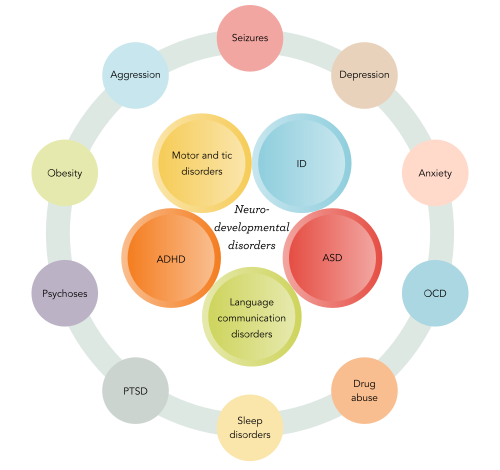
Two circles with disorders. The inner circle contains ID, ASD, language communication disorders, ADHD, and motor and tic disorders. In the outer circle: Depression, anxiety, OCD, substance use disorder, sleep disorders, PTSD, psychoses, obesity, aggression.
Neurodevelopmental disorders often coexist with other conditions.
Although there are manifestations, characteristics, and risk factors in neurodevelopmental disorders that often overlap or are comorbidities, it is important to examine the etiology and epidemiology of the different neurodevelopmental disorders to recognize each condition and provide preventive and remedial care that is both effectively targeted and well-coordinated.
A nurse is evaluating a client for neurodevelopmental disorders. What are some environmental factors that should be considered in the assessment? (Enter your response and submit to compare to an expert’s response.)
Intellectual Disabilities
An intellectual disability includes deficits in both intellectual and adaptive functioning. They are present in approximately 1% to 3% of the general population. The age of onset and the characteristic features vary, dependent on the etiology and the severity of the condition. Intellectual disabilities are generally not progressive, but early life factors, such as low birth weight, can influence cognitive functioning throughout the lifespan. Specific physical characteristics may be associated with genetic conditions, such as Down syndrome.
Despite some uncertainty in the data, severe and profound intellectual disabilities are estimated to occur in 9 to 14/1,000 in childhood, 3 to 8/1,000 in adults in high-income countries, and more frequently in low-income countries. Rates are higher in males than females.
intellectual disability
Intellectual disabilities have been associated with both genetic and environmental factors. Intellectual disabilities linked to genetic conditions, such as fragile X syndrome and Down syndrome can arise from either inherited genes or from de novo mutations that come from an alteration in the sperm or egg cell of the affected individual’s biological parent. Some researchers have concluded that de novo mutations account for approximately half of the genetic etiology of severe developmental disorders and more than 40% of intellectual disabilities. Environmental factors that have likewise been linked to intellectual disabilities include pre- or post-natal infections, such as rubella or HIV; nutritional deficiencies, such as insufficient iodine; and exposure to toxins, such as alcohol or heavy metals.
In evaluating an intellectual disability, it is important to account for the culture and language of the client being evaluated. Adults who have Down syndrome are at increased risk for Alzheimer’s. An assessment must be thorough and use many sources of information, including relatives and caregivers, to provide adequate care that recognizes changes across the lifespan. Although intellectual disabilities are not usually progressive, some individuals who have Down syndrome may experience accelerated aging, showing signs of growing old faster than the general population.
fragile X syndrome
de novo mutation
Which of the following conditions might a nurse expect when working with a 50-year-old client who has Down syndrome?
A
Autism spectrum disorder
B
Substance use disorder
C
Anxiety and depression
D
Premature aging
Communication Disorders
Communication disorders include language difficulties, such as a deficiency in vocabulary skills. This may be evident early in childhood, even though a stable measurement of deficiencies does not usually occur until age 4. Speech dysfluencies may also be present, such as stuttering, and this is usually identified between ages 2 and 4. Communication deficiencies, such as social communication disorder, are manifested as difficulty with conversational skills that can be exacerbated by age-related social pressures.
communication disorder
According to the National Institute on Deafness and Other Communication Disorders (NIDCD), 3.3% of U.S. children ages 3 to 17 have a language disorder, and approximately 5% of children have noticeable speech disorders, including stuttering, speech sound disorders, and dysarthria. Most of these speech and language disorders have no known etiology, although there is considerable interest in investigating genetic links.
Stuttering, which affects 1% of the population, can affect individuals of all ages. Boys are two to three times more likely than girls to stutter. Most children who stutter outgrow the condition while they are young, but as many as one in four will continue to stutter for the rest of their lives. Manifestations such as intonation patterns and repetitions can improve with treatment.
Severe speech and language disorders are likely to persist through childhood and can have long-term impacts. The trajectory of social communication disorder can be variable, however, with some children improving substantially over time and others continuing to have difficulties persisting into adulthood. Language disorders persisting into adulthood can affect social functioning as well as academic and professional achievement.
Language Disorder Comorbidities
Comorbidities with language disorders include hearing impairment, intellectual disabilities, developmental disabilities, autism spectrum disorder, attention-deficit hyperactivity disorder, traumatic brain injury, or psychological/emotional disorders.
Autism Spectrum Disorders
Autism spectrum disorder (ASD) is characterized by deficits in social interaction and communications and repetitive and restricted patterns of behavior, interests, or activities. Both genetic and environmental factors are linked to ASD. Studies have found that the increase of ASD is prevelant among those with a parent or sibiling with ASD. Researchers have identified several genes associated with the disorder. In addition to inherited genes, de novo mutations have been implicated in ASD and may explain the presence of the disorder when there is no pattern in the family. Although studies continue to help identify environmental factors, such as advanced parental age at conception or very low birth weight, these factors alone do not cause ASD but may increase vulnerability to ASD when combined with genetic factors. Despite the intensity of claims of a causal relationship between ASD and childhood immunizations, there is strong evidence that no relationship exists.
ASD Family Link
When one child in a family has ASD, the risk of having a second child with the disorder also increases.
The prevalence of ASD increased by 122.3% (from 1.12% to 2.49%) when comparing the years 2009 to 2011 and 2015 to 2017. Although there have been concerns expressed about this increase, a portion of this change can be related to improved awareness and identification screenings.
ASD Throughout the Life Cycle
For some individuals who have ASD, symptoms may improve with age and treatment, and they may be able to work and live independently. Others may experience depression or have behavioral difficulties as they mature.
There is a high rate of unemployment or underemployment for those with ASD, and the majority of clients who have the disorder continue to live with family members or relatives. Social life is limited, and 40% have been reported to spend little or no time in social activities with friends.
ASD is rarely diagnosed without associated comorbidities. A survey in Sweden found that half the number of individuals with ASD had four or more coexisting disorders while only 4% did not have a concomitant disorder. In ASD, 30% to 80% of people exhibit symptoms of ADHD. Epilepsy, psychiatric/behavioral concerns, and gastrointestinal (GI) disorders are common comorbidities of ASD, especially in people who have an intellectual disability (ID). The complexity of the comorbidities associated with ASD requires a multidisciplinary team approach involving caretakers, educators, and behavioral and medical specialists.
Which of the following common comorbidities might a nurse expect when working with a client who has ASD?
A
Epilepsy
B
Heart failure
C
Cancer
D
Arthritis
Attention-Deficit/Hyperactivity Disorder (ADHD)
Attention-deficit/hyperactivity disorder (ADHD), which is characterized by dysfunctional inattention and/or impulsivity, is the most common neurodevelopmental disorder. It is most commonly comorbid with learning disorders (LDs), evidenced by difficulty learning and using academic skills. Many genetic and environmental factors contribute to ADHD. Studies have suggested that it is hereditary, and strong evidence supports that low birth weight and prenatal exposure to alcohol and tobacco are identified risk factors. These factors are also recognized as contributors to specific learning disabilities. This strong comorbidity suggests that the multiple risk factors of each disorder have shared or overlapping genetic, neurological, and cognitive influences. Detecting the existence of coinciding disorders is important in assessing appropriate interventions.
attention-deficit/hyperactivity disorder (ADHD)
learning disorder (LD)
The prevalence of either ADHD or learning disabilities was reported to be approximately 14% of children. Hispanic children were less likely than non-Hispanic Black and white children to have these disorders. Younger non-Hispanic Black children had these diagnoses more frequently than younger Hispanic and non-Hispanic White children, and the percentage of children with these diagnoses decreased in all racial and ethnic groups, as income increased.
Learning disorders, oppositional defiant disorder (ODD), and conduct disorder (CD) are most common in children. Substance use disorders, sleep disorders, anxiety disorders, and somatic conditions can become more prevalent during adolescence and adulthood. ADHD is two to three times higher in children who have epilepsy than in the general population.
Which of the following comorbidities might a nurse expect in an adult with ADHD?
A
Gastrointestinal disorders
B
Epilepsy
C
Sleep disorder
D
Premature aging
Case Study Part 3
Nurse: I’d like to get some information about Darcy. First, does Darcy have any other health conditions?
Ms. Lafayette: Well, she was born with a low birth weight, and the doctor was a bit concerned. But she’s OK now, I think. Her grandparents both have type 2 diabetes, but not me or her. Not yet, anyway.
Nurse: Does Darcy go to any type of preschool or daycare?
Ms. Lafayette (a bit embarrassed): Well, she was kicked out of a few places, so now my mom watches her while I work. I just don’t understand why the teachers didn’t know how to deal with her active nature. One teacher told me she just wasn’t ready for school yet. She just has trouble writing her letters and doesn’t recognize easy words yet, even though I have really tried to work with her.
Which of the following comorbidities might Darcy be suspected to have along with an ADHD diagnosis?
A
Tourette syndrome
B
Hearing impairment
C
Learning disorder
D
Down syndrome
Motor Disorders
Developmental motor disorders are often associated with other developmental disorders both in comorbidities and etiology. Developmental coordination disorder (DCD) has been related to learning disorders, cognitive functioning, and ADHD. Psychological and behavioral issues, including attentional problems, deficient social skills, depression, and anxiety, are also frequently present. Tic disorders, such as Tourette syndrome (TS), are the most common movement disorder in children. Coprolalia is involuntary obscene language that characterizes vocal tics in Tourette syndrome. Although manifestations usually improve within 1 year, they may persist into adulthood with continuing comorbid disorders such as ADHD, depression, and OCD. More than 85% of clients who have TS have at least one psychiatric comorbidity.
motor disorders
developmental coordination disorder (DCD)
Comparing and Contrasting Tics
Vocal tics: involuntary sounds or speech
Motor tics: involuntary movements
The etiology of childhood movement disorders can be hereditary or acquired. Risk factors for DCD include low birth weight, premature birth, family history, and prenatal exposure to alcohol or drugs. TS is an inherited disorder involving many different genes. Environmental factors are under study and include maternal stress during pregnancy.
An accurate estimate of the prevalence of TS is elusive because some individuals who have TS do not recognize the signs or seek medical attention for the condition. The prevalence of TS in children who have ASD is about 22%. The prevalence of DCD has been estimated as high as 10%. Most people who have TS experience their symptoms most intensely in early adolescence, but they can sometimes worsen in adulthood.
Although neurodevelopmental disorders are classified diagnostically in ways that can facilitate research and treatment, they have many common and overlapping aspects. They often have symptomatology that waxes and wanes, problems that occur in the same functioning areas (such as academic skills or mental health), and risk factors that are both genetic and environmental.
Which of the following is a risk factor that a nurse should recognize in a child who may have a developmental coordination disorder?
A
Premature birth
B
ASD
C
Dyslexia
D
ADHD
Clinical Presentation of Selected Neurodevelopmental Disorders
Page 1
Developmental milestones are the behaviors and cognitive, social, physical, and communication skills that one should demonstrate by a specific age. Early identification and causation are essential when milestones are not achieved, as some individuals may have a neurodevelopmental disorder. This section will describe clinical manifestations and characteristics displayed by individuals who have neurodevelopmental disorders and discuss diagnostic approaches.
Communication Disorders
Communication is the ability to exchange information through verbal and nonverbal methods of delivery. Communication encompasses speech and language. Speech is the ability to make sounds, while language involves structuring and using words and gestures to express thoughts, ideas, and concepts. Communication disorders inhibit one’s ability to send, receive, interpret, and use information in an appropriate context. Communication disorders begin early in life and can impact an individual’s ability to effectively communicate throughout their lifetime. The disorders identified in the DSM-5-TR include social communication disorder, speech sound disorder, language disorder, and childhood-onset fluency disorder.
social communication disorder
speech sound disorder
language disorder
childhood-onset fluency disorder
Individuals who have a social communication disorder have difficulties communicating verbally and nonverbally in different social situations resulting in social impairment. For example, the individual may use the same communication patterns and style when talking to people of different age groups (children and adults). An inability to follow the social rules when communicating—such as taking turns when talking; effectively telling a story; and interpreting humor, the use of idioms, and nonverbal cues from others—can be seen in individuals who have social communication disorder. Individuals who have social communication disorder do not have intellectual disability, autism spectrum disorder, or a lack of ability with language structure, although there is association with attention-deficit/hyperactivity disorder and certain learning disorders. Speech sound disorder is the inability of the individual to enunciate words in a manner that is expected for the individual’s age due to a lack of physiological coordination (pursing of lips, movement of the tongue) with breathing during vocalization. Language disorder involves deficits in the ability to express and understand verbal and non-verbal language. Individuals who experience a language disorder often have a limited vocabulary and express themselves using simple sentences that may be grammatically incorrect. Childhood-onset fluency disorder, commonly known as stuttering, is related to alterations in “motor production of speech” such as prolongation or repetition of sounds or words and the need for increased physical effort to express words.
Early identification of communication disorders is necessary to implement targeted language intervention, prevent further regression, and improve quality of life. It is important for the nurse to communicate clearly and use simple phrases, allow the client time to process the information, seek clarity, and formulate a response. By taking this approach, the nurse can get a full scope of the problem and report accurate findings to the provider. Diagnostic criteria are noted below.
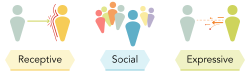
Receptive, Social, and Expressive Communication Disorders
Receptive: The individual has a hard time comprehending what others say and has a difficult time applying information and following instructions.
Social: The individual has a hard time relating to others resulting in isolation and feeling misunderstood.
Expressive: The individual has a hard time communicating thoughts, concepts, and ideas, as well as relating to others.
Motor Movement Disorders
Movement disorders are a result of neurological conditions that commonly impact the basal ganglia, causing both voluntary, involuntary, and slow or rapid movements.
Developmental Coordination Disorder
Developmental coordination disorder is the inability to demonstrate developmentally appropriate motor skills such as walking, crawling, skipping, jumping, hopping, and tying shoelaces. Some may describe the individual as clumsy. This deficit can interfere with activities of daily living and academic performance. Children might not sit or walk by the specified age, warranting further evaluation. Interprofessional collaboration among families, health care providers, and academic professionals increases the chance of achieving therapeutic outcomes. The following criteria must be met for diagnosis of developmental coordination disorder.
DSM-5-TR Criteria for Developmental Coordination Disorder
Clumsiness, slowness, and inaccurate performance of motor skills related to coordinated motor skills is substantially below expectations.
Deficiency of motor skills affects everyday function and basic life skills.
Onset occurs in the child’s early developmental period.
There is no evidence of intellectual disability, visual impairment, or other neurological condition.
Stereotypic Movement Disorder
Stereotypic movement disorder is characterized by repetitive nonpurposeful movement such as rocking back and forth, nail-biting, and grinding teeth for a period of four weeks or longer. Individuals who display this behavior should be assessed for intellectual disabilities. Interprofessional collaboration is important when making a diagnosis. Clinicians should be trained in the use of standardized motor assessment tools to make an appropriate diagnosis. Diagnostic criteria for stereotypic movement disorder are listed below.
stereotypic movement disorder
DSM-5-TR Criteria for Stereotypical Movement Disorder
Movements that are repetitive, driven, and seemingly without purpose.
Behavior interferes with social, academic, occupational, or other functions and possibly results in self-injury.
Onset occurs in the child’s early developmental period.
No evidence of substance use, a neurological condition, or other disorder that may cause similar symptoms.
Tic Disorders
Tic disorder is a type of movement disorder characterized by fast, unanticipated, nonrhythmic movement or vocalizations. Motor tics can vary in location, frequency, and severity, and they may involve movement of the head, torso, and limbs, as well as protrusion of the tongue. Vocal tics are words or sounds that are not associated with purposeful communication, such as continuous sniffing and animal sounds such as meowing or barking, coughs, and grunts. Tic disorder is not caused by any other condition or secondary to drug use.
tic
There are three common tic disorders, and classification is determined based on the tic type (motor or vocal), level of complexity (simple or complex), number of tics, when the tics first appeared (before or after 18 years old), and duration (more or less than one year).
Provisional tic disorder: one or more motor and/or vocal tics for less than 1 year prior to 18 years old.
Persistent (chronic) motor or vocal tic disorder: a single or multiple motor and vocal tics must be present for 1 year and prior to 18 years old.
Tourette syndrome is the most severe tic disorder characterized by multiple motor tics and a vocal tic, must persist for one year, and must be present prior to age 18.
When a diagnosis of a provisional tic disorder is made, specific criteria must be met to make the diagnosis.
The client experiences one or more motor tics.
The motor tics are present for fewer than 12 months in a row.
The client experiences tics prior to the age of 18.
The symptoms are not caused by side effects of prescription medications, drugs, or medical conditions such as Huntington's disease.
The client does not have a prior diagnosis of Tourette syndrome or a persistent (chronic) tic disorder (motor or vocal).
For a diagnosis of persistent tic disorder (motor or vocal), the client must meet all the following criteria.
Either one or more motor tics are present or one or more vocal tics are present, not both.
Tics occur several times each day or off and on throughout a period of greater than 12 months.
The client experiences tics prior to the age of 18.
The symptoms are not caused by adverse effects of prescription medications, drugs, or medical conditions.
The client does not have a prior diagnosis of Tourette syndrome.
For a diagnosis of Tourette syndrome, the client must meet all the following criteria.
The client experiences two or more motor tics and at least one vocal tic; these may not always occur simultaneously.
Tics are present for greater than 12 months.
Tics occur several times during the day, nearly every day, or off and on.
The client experiences tics prior to the age of 18.
The symptoms are not caused by adverse effects of prescription medications, drugs, or medical conditions.
Motor Tic
Shaking, copying others’ movements, obscene gestures, blinking
Vocal Tic
Throat clearing, echolalia (repeating words or phrases of others), pallia (repeating self constantly), copropraxia (use of curse words)
Provisional Tic Disorder
One or more motor and or vocal tics for less than 1 year and present prior to 18 years old
Persistent Motor Tic Disorder
Have a single or multiple motor and vocal tic; must be persist for one year and present before 18 years old
Tourette Syndrome
Most severe tic disorder; must have multiple motor tics and a vocal tic; must persist for one year and must be present prior to age 18
Specific Learning Disorder
Specific learning disorders are often identified in the academic setting because this is when skills such as reading, writing, and math are assessed most frequently. The individual's skills are compared to a chronological milestone assessment tool to identify deficits. Individuals may have challenges with learning one or more subjects. Some specific learning disorders make it difficult to read (dyslexia), write (dysgraphia), and perform calculations (dyscalculia). Individuals must exhibit the following criteria based on a clinical synthesis of the individual’s developmental, medical, family, educational, and school reports as well as psychoeducational assessment history.
DSM-5-TR Criteria for Specific Learning Disorder
Difficulties learning and using academic skills, with at least one of the following difficulties have persisted for at least 6 months despite interventions.
Pronunciation of words
Understanding the meaning of what is read
Spelling
Written expression
Mastering number sense, number facts, or calculation
Mathematical reasoning
Academic skills are below those expected for an individual’s age or grade level and interfere with academic or occupational performance or with activities of daily living.
Learning difficulties begin during school-age years but may not become fully apparent until later years or with standardized testing.
No evidence of intellectual disabilities, uncorrected visual or auditory acuity, other mental or neurological disorders, psychosocial adversity, lack of proficiency in the language of academic instruction, or inadequate educational instruction.
Manifestations of a Learning Disorder
Excessive amount of effort to learn and use academic skills even with targeted intervention (help from tutor and/or teacher and other accommodations). Examples include:
Difficulty reading (dyslexia)
Difficulty writing (dysgraphia)
Difficulty performing calculations (dyscalculia)
Intellectual Developmental Disorder (Intellectual Disability)
Intellectual developmental disorders (intellectual disability) are characterized by deficits in mental abilities, “such as reasoning, problem solving, planning, abstract thinking, judgment,” and learning from instruction/practice/experience. Adaptive abilities, including social interaction, consist of conceptual domain (school or academics), social domain (awareness of others), and practical domain (self-management). Families, clinical professionals, and academic and administrative personnel should collaborate to support the growth and development and achievement of appropriate goals. The following criteria must be met for diagnosis of an intellectual disorder.
DSM-5-TR Criteria for Cognitive/Intellectual Disability
Confirmation by both clinical assessment and individualized, standardized intelligence testing of deficiencies in intellectual functions, such as:
reasoning
problem solving
planning
abstract thinking
judgment
academic learning
learning from experience
Deficiencies of adaptive functioning that do not meet developmental and sociocultural standards of daily function and social responsibility, including areas of communication, social participation, independent living, and across multiple environments of home, work, school, and community.
Onset occurs in the child’s early developmental period.
Autism Spectrum Disorder
Autism spectrum disorder encompasses a variety of specific clinical manifestations (formerly identified as autistic disorder, Asperger's Syndrome, or pervasive developmental disorder not otherwise specified [PDD-NOS]). These individuals engage in repetitive and oftentimes restrictive activities, and they often have persistent deficits when interacting socially. As a spectrum disorder, the specific diagnostic criteria are included based on the clinical manifestation of behaviors. This includes specifying the level of severity, if accompanied by intellectual or language impairment as well as any known genetic, environmental or environmental factors. Diagnosis relies on objective information and observation of others who care for or work closely with the individual. Diagnostic criteria for ASD are noted below.
DSM-5-TR Criteria for ASD
Deficiencies in social communication and social interaction across multiple contexts may be characterized by the following.
Social-emotional reciprocity ranges from abnormal social approach and failure of normal back-and-forth conversation to reduced sharing of interests, emotions, or affect as well as failure to initiate or respond to social interactions
Nonverbal communicative behaviors used for social interaction ranges from poorly integrated verbal and nonverbal communication to abnormalities in eye contact and body language or deficits in understanding and use of gestures as well as a total lack of facial expressions and nonverbal communication
Developing, maintaining, and understanding relationships, ranging from difficulties adjusting behavior to suit various social contexts to difficulties in sharing imaginative play or in making friends as well as the absence of interest in peers
Engaging in restricted, repetitive patterns of behavior, interests, or activities.
Manifestations are present in the early developmental period but may not become apparent until later in life.
Manifestations cause clinically significant impairment in social, occupational, or other important areas of current functioning.
Inabilities are not better explained by intellectual disability.
Attention-Deficit/Hyperactivity Disorder (ADHD)
Attention-deficit/hyperactivity disorder (ADHD) is one of the most common neurodevelopmental disorders and is generally distinguished by persistent patterns of behavior, including inattention (unable to concentrate on tasks or following directions), hyperactivity (excessive motor activity or marked restlessness), and impulsivity (taking actions without forethought). ADHD diagnosis can include either attention deficit, hyperactivity, impulsivity, or a combination of these behaviors. Family and academic professionals may be the first to identify these behaviors and seek help from clinical professionals. Academic institutions can assist by completing a developmental assessment and documenting objective information. Clinical professionals may conduct psychological tests and request imaging studies. Adolescents and adults may present with anxiety, depression, and personality changes. These behaviors can result in low self-esteem, relationship complications, unstable employment, inability to cope with everyday tasks, mood swings, and substance misuse. Listed below are the diagnostic criteria for ADHD.
DSM-5-TR Criteria for ADHD
A persistent pattern (for at least six months) of inattention and/or hyperactivity-impulsivity that interferes with functioning, development, social activities, or other academic or occupational activities. Examples include:
Inattention to details
Difficulty maintaining attention span
Appears not to listen when spoken to directly
Shows a lack of follow-through with instructions, organization, or other tasks
Easily loses necessary items
Easily distracted
Forgetful in daily activities
Dislikes tasks that require concentration
Manifestations are present in two or more settings and are apparent before the age of 12, and interfere with, or reduce the quality of, social, academic, or occupational functioning.
The manifestations are not better explained by other mental disorder, including psychotic disorders, such as schizophrenia.
Case Study Part 4
Nurse (on the phone following up with Darcy’s appointment): As you know, the doctor has determined that your daughter has ADHD. I wanted to connect you with an ADHD specialist so we can develop a care plan. Can I help you make an appointment?
Ms. Lafayette (sighing): I’m having a hard time coming to terms with this diagnosis. I just want my little girl to be “normal.” I know she’s loud and a bit hyper.
Nurse: Ms. Lafayette, I understand a new diagnosis can be stressful and seem scary. We would like you to follow up with the specialist to help reassure you, get more education on ADHD, and learn suggestions for resources for you and Darcy. I can see Darcy is a happy child, and we want her to have every opportunity possible!
Ms. Lafayette: I certainly hope so. What was the name of that specialist you referred us to? And remind me about that pre-K program you mentioned that many other kids with ADHD have gone to?
Which difficulties might the nurse tell Ms. Lafayette to expect that a child who has ADHD, like Darcy, could experience while at a preschool? (Enter your response and submit to compare to an expert’s response.)
Supporting Growth and Development Through Academics
The Individuals with Disabilities Education Improvement Act is a law that supports the growth and development of children and adults ages 3 to 21 years old in the academic environment. Clinical professionals, school officials, students, and parents should collaborate to identify and evaluate levels of disability, develop individualized learning plans, and identify the least restrictive environments to prevent isolation and maximize learning. Early identification of neurodevelopmental disorders leads to a better quality of life.
The Interdisciplinary Health Care Team
Interdisciplinary care teams are a group of clinicians and professionals involved in the client's treatment plan who collaborate and share clinical expertise to maximize cost-effective, client-centered care interventions and achieve therapeutic health outcomes. Teams may collaborate in person or remotely through text messaging, voice, or video conferencing applications. The nurse will review the client's data inside the electronic health record and assess the client's current health status by asking them questions about their health, performing a physical assessment, and documenting findings. Teams may utilize a checklist that specifies each member's role and the information to be obtained from the client. Each member will take turns reporting their findings, and the care team will create a comprehensive plan of care.
interdisciplinary care team
Roles of the Health Care Team
Professional Role | Role Description |
|---|---|
Provider (DO, MD, NP) | Helps confirm medical diagnosis of neurological disorder |
Registered Nurse | Utilizes various assessment techniques to examine client's health status and documents findings in the client’s health record; updates school health care staff about plan of care and medication regimen |
Speech Language Pathologist | Identifies speech and language deficits; works with client to develop compensatory strategies and prevent further deterioration |
Occupational Therapy | Assess client’s ability to perform activities of daily living; teaches and guides the client in performing competing behaviors (i.e., control tics) |
Physical Therapy | Assess client’s status; teaches and guides the client in performing competing behaviors (i.e., control tics) |
Academic Professionals (Teacher, Counselors) | Utilizes clinical and academic assessments to develop a supportive learning plan |
Nursing Role in Providing Care for the Client Who Has Neurodevelopmental Disorders
Page 1
Clients who have neurodevelopmental disorders should be treated with the same respect as all clients, as they can experience physical illness like any other client. Clients who have neurodevelopmental disorders can have specialized needs, and when the nurse is educated in caring for clients who have neurodevelopmental disorders, the probability of positive outcomes increases.
The nurse’s role as part of the interdisciplinary team is important in providing person-centered care to each client regardless of their individual health needs. The nurse assists in managing physical needs, helps in preventing further illness, treats conditions according to prescribed interventions, and maintains the best interests of the client by providing holistic care. Providing holistic care ensures that the psychosocial, developmental, cultural, and spiritual needs of the client are being met. Advocating for the client’s best interests is a significant role of the nurses to help maintain the client's dignity.
At times, such as in the case of clients who have neurodevelopmental disorders, the client may not understand or comprehend their medical situation; therefore, the nurse collaborates with the interdisciplinary team to provide a plan of care representing the best interests of the client. The nurse is an educator, ensuring the client and caregivers understand, to the best of their abilities, their health, illness, medications, and interventions.
Clients who have neurodevelopmental disorders are susceptible to experiencing abuse, neglect, and exploitation. Nurses must be aware of signs indicating this occurrence and report actual or potential abuse, neglect, and exploitation.
Nursing Role for Clients Who Have Intellectual and Learning Disabilities
Nurses provide care using established best practices and evidence-based practice. The nurse will address challenges and unmet needs and reduce stigma or negative feelings toward this group of clients. An important aspect of caring for clients who have intellectual disabilities is to see the individual and not just the disability. The nurse should focus on what the client is able to do, not only what the client cannot do. This empowers the client as well as formulating a person-centered plan of care. For care to be effective and person-centered, the nurse must have knowledge and understanding of how to care for clients who have these comorbidities and intellectual disorders.
Nurses are charged with promoting health and wellness among clients who have intellectual disabilities, which can be challenging, as nurses may feel inadequate and unprepared to provide the care needed for these clients. Clients who have intellectual disabilities have the same right to receive the highest level of care as any other client. These individuals experience the same types of illness, which could lead to hospitalization. Nurses will be expected to care for these clients regardless of the setting, and without proper education and understanding of the needs of this specialized group, their risk of complications and mortality increases.
Developing a therapeutic relationship between the nurse and client who has intellectual disabilities plays a key role in the care the client receives. When possible, creating a long-term relationship between nurse and client helps in creating a therapeutic relationship, where the client trusts the nurse and the nurse empowers the client. A trusting relationship helps create an environment in which the client feels safe, secure, and understood. As a result, the client can be empowered by the nurse to take part in their plan of care as appropriate.
When the nurse communicates with clients who have intellectual disabilities, it is important to understand there is an increased possibility that communication may need to be nonverbal. Nurses must learn to effectively communicate with clients who have a cognitive disability, based on the client’s individual circumstances. This helps ensure that an effective therapeutic relationship is formed.
Advocacy is a nursing role in which the nurse acts on behalf of the client, taking the client’s needs and desires into consideration. This includes collaborating with the interdisciplinary team members and caregivers when creating a person-centered plan of care. Clients who have an intellectual disability are at a higher risk of not understanding their plan of care, making it critical for nurses to advocate on their behalf as well as the client’s caregiver, if they have one. Advocating for the client’s caregiver assists with the ongoing needs of the client.
Nursing Role for Clients Who Have Communication Disorders
A client who has a communication disorder displays difficulty with speech, communication, language, or a combination of these. The presentation of communication disorders is difficulty with word articulation, written language, or understanding and participating in verbal and nonverbal communication. The four types of communication disorders are the following.
Language disorder
Speech sound disorder
Child onset fluency disorder
Pragmatic communication disorder
communication disorder
Common causes of communication disorders include, but are not limited to, hearing loss, brain injury, autism spectrum disorder, emotional disorders, intellectual disorders, and cerebrovascular accidents (CVA). Communication disorders can be seen throughout the lifespan and commonly in adults after a CVA, brain injury, or when a childhood communication disorder has been left unmanaged.
Common Causes of Communication Disorders
Common causes of communication disorders include but are not limited to hearing loss, brain injury, autism spectrum disorder, emotional disorders, intellectual disorders, and cerebrovascular accidents (CVA).
Effective communication between clients and nurses assists in building trust throughout the therapeutic relationship, allows the nurse to provide the client with the education needed regarding their health and plan of care by providing clarity and direction, and increases client involvement in their health care. Clients who have communication disorders are at a greater risk of experiencing adverse events and decreased satisfaction with their health care services and experiences. However, when effective communication between nurse and client is established, there is an increase in positive healthy outcomes and an improvement in the quality of care.
Often, nurses and other health care providers misinterpret the communication needs of their clients. Imagine a nurse speaking louder and slower to an older client because they assume they cannot hear due to their age, or not allowing a client with a history of a CVA adequate time to respond because they assume they are unable. This can be frustrating and offensive to the client and may cause barriers in the therapeutic relationship.

When communicating with clients who have communication disorders, the nurse must take the initiative to assess for communication barriers and assess the client's needs. This helps to establish a rapport between nurse and client and assists in creating alternative methods of communication, such as using a communication board or asking yes/no or single-answer questions. The nurse will become familiar with the client’s communication needs and abilities and their preferred method of communication. It is important that the nurse demonstrate patience, taking time to allow the client to process and respond to communication, and always be present while communicating with the client. It may take the client longer to respond, but the nurse should not rush the client as this could frustrate the client and hinder the communication process. The nurse can promote the client's comprehension by rephrasing questions. Mixing communication methods, such as using both verbal and nonverbal cues or pen and paper, can be helpful. When addressing the client, the nurse should make eye contact and speak clearly, addressing the client even if there are family members in the room.
Nurses have a significant role in collaborating with the interdisciplinary team in formulating a person-centered plan of care for the client who has a communication disorder. Nurses ensure treatment is started as early as possible for the best results and assist with referrals to other members of the health care team, such as a speech-language pathologist.
Which of the following communication disorder disorders would a nurse expectfor a child who has difficulty with written language?
A
Language disorder
B
Speech sound disorder
C
Child onset fluency disorder
D
Pragmatic communication disorder
Nursing Role for Clients Who Have Autism Spectrum Disorder (ASD)
The role of the nurse caring for the client who has ASD includes educating and advocating for early screening and intervention to obtain the best results. Abilities and effects vary with each client. Early screening is critical to identifying and providing needed services to clients who have autism spectrum disorders. Although the American Academy of Pediatrics recommends universal developmental screening for infants, including specific screenings for autism spectrum disorder, these screenings are not occurring with all clients as best practices dictate. Nurses can function as important change agents to advocate on behalf of clients and families and provide education on the importance of early screening, as early interventions produce the best outcomes for these clients.
Early screening is critical to the treatment of autism spectrum disorders, preferably before the child is two years old. This timeframe for treatment is when there is a period of tremendous neuroplasticity and accelerated brain growth. Studies show that children who receive early intervention for autism spectrum disorder experience fewer symptoms, accumulate lower health care costs, enroll and participate in mainstream educational programs, and enjoy more opportunities for employment, making them productive members of society in the long run.
ASD: Early Screening Is Critical
Screening children for ASD prior to the age of 2 years along with interventional treatments can result in improved outcomes because of the increased neuroplasticity among this age group.
Clients who have autism spectrum disorders and who do not receive early screening and services as recommended experience more disparities in health and social outcomes. There are also economic effects of a delay in screening and provision of services. A study has revealed these costs reach greater than $60 billion for affected children and more than $175 billion in the United States for adults and children combined.
Nurses must ensure clients are further evaluated after screening if the parent or primary care provider continues to have concerns about the child following a negative screening, two or more risk factors for autism spectrum disorder are present, or if the screening is positive. Wandering is a safety risk for those who haveautism spectrum disorder, which can cause severe harm or death. The nurse must educate families on safety measures regarding wandering and other safety concerns. Nurses must be familiar with evidence-based practice recommendations to provide education and support to families. Nurses must not dismiss any concerns parents and caregivers have about the child’s development, and the nurse must be available to provide support for any parents/caregivers experiencing grief and denial.
ASD is a lifelong condition, with ongoing services and support required across the lifespan. The CDC estimates that 5,437,988 (2.21%) adults in the United States have ASD. States with the greatest estimated number of adults living with ASD included California (701,669), Texas (449,631), New York (342,280), and Florida (329,131).
Further support and advocacy are provided by the nurse, communicating any issues with the interdisciplinary team. The nurse is also a catalyst to refer families and caregivers to the proper resources, such as educational and therapeutic resources. The nurse acts as a facilitator, ensuring parents, caregivers, and clients have been to all recommended specialists and therapies as prescribed and they bring all the proper documentation to these appointments.
Case Study Part 5
Ms. Lafayette: Thank you for referring us to the specialist. She had some great parenting suggestions for me and Darcy's grandmother. They have made a world of difference.
Nurse: I’m glad. So now that you and Darcy have seen the specialist, I thought we could set some reasonable goals to work toward and create a plan of how we can meet them. I spoke with the specialist on the phone after we received a report of your visit.
Ms. Lafayette: That would be great. What type of goals do you think we could set?
Nurse: First, let’s talk about school. You said Darcy was enrolled in a pre-K program now and you have met with her teacher for a parent-teacher conference. Let’s discuss Darcy's teacher’s observations.
In what way is the nurse acting as a facilitator for Ms. Lafayette and Darcy? (Consider your own answer, and then click the card to compare against an expert's response.)
Nursing Role for Clients Who Have Attention-Deficit/Hyperactivity Disorder
Attention-deficit/hyperactivity disorder (ADHD) is one of the most common mental health disorders in children. ADHD is also present in adults, so nurses should be prepared to care for adult clients who have ADHD as well. Clients who have ADHD present with inattention, hyperactivity, and impulsivity. These characteristics are more extreme in this population than in children without ADHD. Distress can be seen in clients when they exhibit problems functioning at home or school and have issues with friends and peers.
As with other neurodevelopmental disorders, early recognition and the implementation of a plan of care yield improved client outcomes. It has been shown that an untimely identification causes undesirable effects in every aspect of an individual's life, including an increased risk for mental health issues, poor academic performance, social issues, and increased risk for substance misuse, including tobacco, alcohol, and illicit drugs, and legal problems.
A significant role for the nurse caring for clients who have ADHD is to advocate for the best interests of the client, ensuring parents, caregivers, and schools are properly educated on behaviors and unmet needs, which can manifest as anxiety or stress from stimuli. An important part of awareness is advocating for screening for ADHD in schools. Research has shown that early screening for mental health disorders increases identifying the number of children who have learning and behavioral difficulties, thereby increasing the chances of successful treatment. Early identification and treatment reduce the risk of students who experience severe learning issues, social problems, and mental health problems.
The ADHD-FX is a helpful ADHD screening tool that uses a questionnaire to assess function in a variety of settings, such as academic, social, and at home. Adult ADHD is known to affect more than 4% of U.S. adults. However, there are many adults who manage behaviors and effects of ADHD in their lives without acknowledgment of the disorder or understanding the cause of its manifestations. The World Health Organization (WHO) has developed a ranked scale questionnaire that can be used for identifying adult ADHD, the Adult Self-Report Scale (ASRS) screening tool. Nurses can help clients be aware of and access these tools to promote improved outcomes.
ADHD: Nurses Advocate for Early Screening
An important part of awareness is advocating for screening for ADHD in schools. Research has shown that early screening for mental health disorders increases identifying the number of children with learning and behavioral difficulties, thereby increasing the chances of successful treatment.
Nurses should also establish resources for support and treatment options. Although medication can be used in managing ADHD, it is not the sole option. Nurses provide education regarding medications and associated adverse effects and options regarding nonpharmacologic interventions, such as therapy. Medications commonly include stimulants such as methylphenidate, SSRIs such as fluoxetine, and alpha-2 adrenergic agonists such as guanfacine. For more information, seePsychopharmacology. Collaboration with members of the interdisciplinary team provides the opportunity for developing a person-centered plan of care for the client who has ADHD.
Nursing Role for Clients Who Have Tic Disorders
As discussed previously, tic disorders are a group of disorders in which the client experiences motor tics, verbal tics, or both, which are involuntary and spontaneous. Tic disorders can be embarrassing and disruptive to the client’s everyday activities. The nurse must be sensitive to this when interacting with the client and when developing their person-centered plan of care.
Nurses play several roles when caring for clients who have tic disorders. The nurse should follow evidence-based practice guidelines while advocating for and educating clients, caregivers, and the public to bring awareness to these disorders. Assisting with education on diagnostic criteria, manifestations, and treatment and management options using pharmacologic and nonpharmacologic interventions helps clients and caregivers feel empowered to participate in their care.
Providing nursing care for clients who have neurodevelopmental disorders takes commitment from the nurse to provide evidence-based care, attain and maintain education on these disorders, practice ethically, and advocate for their clients. Neurodevelopmental disorders are present across the client’s lifespan, and nurses should expect to care for clients in this group in any health care setting. Although several nursing roles are the same for each client population, the nurse must understand the specialized needs of each client to provide person-centered care to meet the unique needs of each client.
Exploring Peplau's Phases of Therapeutic Relations When Providing Care for the Client Who Has Neurodevelopmental Disorders
Hildegard Peplau’s theory of interpersonal relations focuses on the therapeutic relationship between the nurse and the client, which is the core of nursing, and how different people relate to one another. The nurse and client work together to reach the common goal of the client’s wellness. Peplau’s theory is important in the field of nursing as it encourages the client to continue their path of wellness after the relationship is terminated.
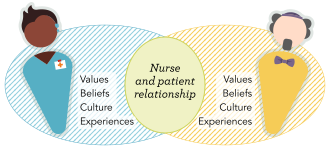
PEPLAU’S THEORY OF INTERPERSONAL RELATIONSHIPS
Peplau’s theory is divided into phases: the orientation phase; the working phase, which is divided into the two subphases of the identification phase and the exploitation phase; and the final phase, which is the resolution or termination phase. During the orientation phase, the nurse and client meet for the first time, and the nurse introduces themselves to the client, expressing their role and professional status. During the orientation phase, a health need has arisen that needs to be addressed by a health professional, as the client has presented to a health care setting. The orientation phase initiates the therapeutic relationship between the client and nurse, and they become familiar with each other.
During the identification and exploitation phase, the client identifies how the nurse can help them achieve their goals, and the nurse discusses treatment options and provides the needed education to empower independence with their health care and wellness. The termination phase is the final phase in this interaction, and the client separates from the nurse and adopts the new goals and interventions to become as independent as possible.
Prior to the introduction phase, the nurse should take the time to reflect on personal feelings toward the client population they will be caring for. Often, clients who have neurodevelopmental disorders are perceived negatively and stigmatized. Nurses may not recognize that behaviors could be due to unmet client needs. It is necessary for the nurse to educate themselves on clients who have neurodevelopmental disorders including manifestations, treatments, and how to advocate for these clients.
Using the Nursing Process to Care for Clients Who Have Neurodevelopmental Disorders
Page 1
Recognize Cues (Assessment)
A comprehensive assessment of language, cognitive, and functional abilities, along with sensory status, is important when providing care for a client who has a neurodevelopmental disorder. Assessment data for recognizing specific cues of a neurodevelopmental disorder can be obtained through screening, interviews, observation, testing, and direct interaction. Data can come from the client, parents, teachers, and other caregivers. The nurse must then decide from this data which cues are important to note.
The American Academy of Pediatrics recommends developmental screenings for early diagnosis and interventions to improve outcomes. This includes standardized developmental screening at various intervals of well-child visits or whenever a parent or clinician expresses concern, as well as autism-specific screening at 18 and 24 months of age and at any subsequent visits in which concerns about autism spectrum disorder are raised.
Screenings are easy-to-administer tests to quickly determine if a child is at risk for or shows signs of a disorder and are often performed in community-based settings such as schools or during routine health care visits. Questionnaires, rating scales, or checklists can also be helpful for parents, caregivers, or teachers to provide data. Mental status examinations are useful not only for adults, but these can be adapted to a child’s stage of development to identify problems with cognitive function, emotions, social skills, or behavior. Neurological functions, such as reflexes, can also be easily and naturally observed during activities or even playtime. The specific data and the methods used for collection will depend on the clinical setting, the severity of the manifestations, as well as the resources available.
Injury can cause physical damage to the brain, and traumatic or psychologicalstressors can sometimes be a contributing factor to a disorder, so a client should also be assessed for a history of physical injury to the head or situations causing severe emotional distress.
traumatic stressor
psychological stressor
Assessment of Differences Across the Lifespan
Neurodevelopmental disorders usually become apparent early in life, often before a child goes to school. Nurses play an important role in recognizing cues. Many times, the first health care provider a parent or child encounters is a nurse, whether at a pediatrician’s office for a well visit, a school nurse’s office, or a community center clinic. Neurodevelopmental disorders begin in childhood and last throughout a person’s life span. However, as it may take time to observe clinical manifestations, it is essential for nurses to develop a therapeutic alliance with the child/adolescent/parent and, in some incidences, wait to see if cues persist in a child/adolescent. Observation and care for the child/adolescent must be done through the context of the child in the family and in the community, not in isolation of the client alone. This approach takes the care of the child/adolescent to family-centeredness, which has been linked to better satisfaction and client outcomes.
Other barriers to adequate assessment in childhood often include:
Lack of parental consent or engagement
Poor coordination of care
Lack of available resources
Lack of qualified providers
High cost
Social stigma
Nevertheless, waiting or delaying awareness can be extremely detrimental because it prevents early interventions that can promote the best outcomes.
Skills assessments, such as testing scores, usually alert educators to the need for further investigation into cognitive difficulties. However, acquired compensation skills can sometimes prevent an earlier acknowledgment of some neurodevelopmental disorders, especially in children who are intellectually gifted. A disorder may later become apparent as the child gets older and encounters situations that present academic or social barriers to function.
Older children, and even adults, are easier to assess because language skills and emotional and cognitive development improve with age and maturity. Because of this, early childhood recognition may become more accurate or specific as a child gets older.
Analyze Cues (Analysis)
After relevant cues have been identified from data collected during the assessment process, these can then be analyzed as to which relate most to neurodevelopmental disorders. Some developmental disorder cues may be difficult to notice, for example, if a child has a mild disorder; therefore, the acknowledgment may not happen until the child begins school at age 5 to 6. An infant or a child may also fail to meet certain expected motor skills milestones, such as crawling or walking, at a typical age. When a child is too young to be evaluated using systematic methods of intellectual function, such as standardized tests, a diagnosis of global development delay is used.
global development delay
Motor disorders and conditions are often observed through repetitive motions or a noticeable lack of coordination in a child, especially as the child matures. Tic disorders, such as Tourette syndrome, may be observed in children displaying sudden rapid erratic body movements or vocalizations. Attention-deficit/hyperactivity disorder (ADHD) impairs typical function in social, academic, and occupational settings. Clients may have excessive energy, difficulty concentrating, or express impulsivity. Even if not detected in childhood, impairment with most developmental disorders eventually becomes evident at some level in relationships, social situations, self-care, and occupational function.
impulsivity
Since neurodevelopmental disorders often coexist, multiple cues may need to be considered together. For example, a child who has ASD may also have an intellectual disability. This child may exhibit cues of frequent absences from school, have poor grades, and not want to participate in school activities due to social and cognitive dysfunction. Analyzing all the cues a client presents and relating them to multiple disorders may be necessary.
Prioritize Hypotheses (Analysis)
After recognizing and analyzing the cues, hypotheses that identify a problem are used to relate cues with disorders. It is important to know which problems should be addressed first, so these should be evaluated and ranked according to the priority of importance. However, the etiology of the disorder, the client’s abilities, the impairment to function, and the severity of manifestations vary in each developmental disorder situation. These factors need to be taken into consideration when deciding how to best meet the needs of the client. For example, a child may be demonstrating cues of a mild intellectual disability through the lack of ability to master complex language skills and difficulty at school. Hypotheses may be generated that specialized education, speech therapy, family support, and community resources will provide an expected outcome of basic skill acquisition of language, reading, writing, and math. These can then be placed in order of which is most urgent, accessible, and attainable for the child, family, educational system, and community.
Generate Solutions (Planning Solutions)
Nurses are able to coordinate, educate, and support clients’ families and communities as well as other health care team members involved in interventions. All can collaborate and work together to generate solutions once one or multiple neurodevelopmental disorders have been identified. Although it is never too late to implement interventions, treatment is most successful when started as early as possible. Research shows that before the age of 2, a child has increased neuroplasticity and brain growth. Families should be involved in the selection of intervention approaches and remain involved in all educational and therapeutic decisions.
Case Study Part 6
Nurse: Now that we have implemented strategies for Darcy, I thought we would evaluate how these are working out.
Ms. Lafayette: I have noticed that her behavior at home has improved quite a bit with the new parenting techniques we have learned, and she can finally sit still for a few minutes.
Nurse: What about at school?
Ms. Lafayette: Her teacher has commented about how time-outs have really worked when she gets out of hand.
Nurse: That’s great to hear. Is there anything that you feel still needs addressing?
Ms. Lafayette: I know we discussed the possibility of another problem affecting her ability to read and write, and I would like to know what to do when Darcy enters kindergarten in the fall. Her teacher says she still isn’t making much progress with learning simple words with the specialized reading practice she has been given and she still has trouble keeping the letters in order when writing her name.
Put the nursing process steps in order that the nurse took with Ms. Lafayette and Darcy. (Drag the option from the left column to match it with the order number in the right column.)
Implemented planned interventions to meet goals.
Evaluated goals to improve outcomes for Darcy.
Discussed the diagnosis with Ms. Lafayette and coordinated care.
Screened Darcy for ADHD and explored comorbidities.
1
2
3
4
Interventions and Therapies
Interventions need to be individualized to the client and the disorder, as well as developmentally appropriate, considering the age and abilities of the client. Some neurodevelopmental disorders, such as Tourette syndrome, recommend behavioral therapies versus medication for tics. Evidence for other neurodevelopmental disorders, such as ADHD, recommend first trying interventions with behavioral training, with medication then considered for relief of any remaining signs or symptoms, especially when nonpharmacological interventions were used with only limited success. Parents may have preferences for specific interventions, especially pharmacological ones, which should be considered during treatment planning. These preferences may relate to beliefs and values, access to care, or concerns about adverse effects or community stigma.
Sample Care Plans for Common Neurodevelopmental Disorders
Disorder | Sample Care Plan |
|---|---|
Autism Spectrum Disorder | Refer to an early intervention program at school. Educate parents to provide structure and consistent expectations. Utilize behavior management with a reward system. Physical, occupational, and speech therapy as needed. |
ADHD | Refer for family therapy to improve communication and coping skills. Use cognitive behavior therapy to improve behavior patterns and develop problem-solving skills. Music or art therapy school program. Pharmacological intervention with stimulant medication, such as methylphenidate, to treat unresolved signs of restlessness and distractibility. |
Tourette Syndrome | Teach child and parents behavioral techniques to reduce tics. Family therapy to improve stress management. Pharmacological intervention with a second-generation antipsychotic medication, such as risperidone, to treat unresolved tics. |
Discharge Planning
In some cases, clients may require short-term hospitalization related to aggression, self-harm, or a severe lack of self-care related to a developmental disorder. After discharge, pediatric clients should be referred to early intervention or school services, in which cognitive, social, and language testing can be done. Once a definitive diagnosis is made, the importance of the client’s specific disorder should be discussed with family and caregivers. The client’s cognitive ability and developmental stage should be taken into consideration, especially when discussing a care plan for a disorder with a very young pediatric client. A care plan should be made with input from the client’s caregivers. Then, assistance should be provided in navigating care options, including providing connections to community resources.
Goal Setting
Specific goal setting can be used to improve adherence with interventions, school or occupational performance, and function that affects the quality of life. Skills can be taught in a progressive method by using positive reinforcement as cognitive development continues. Long-term planning for pediatric clients can include considerations of care and skills training needed as the child matures and becomes an adult. However, treatment goals should be appropriate for the client’s age, stage of development, and acceptable and practical for the family and any educators involved in the client’s care to implement.
Short-Term Versus Long-Term Goals
Short-term focused intervention goals should address a limited range of skills, such as increasing social communication or learning a specific skill or task to improve quality of life. Long-term goals should revolve around less focused intervention and include broader behavioral, developmental, and educational improvement, such as acquiring basic skills to be able to have a job as an adult.
Take Actions (Implementation)
Implementation of a care plan must be individualized to and practical for the client, their family, and any educators or caretakers. Interventions should be designed to meet specific client outcomes. For clients who have neurodevelopmental disorders, these can often be provided through modified educational practices, developmental therapies, and as needed, behavioral interventions. For example, an intervention for a toddler who has a recent diagnosis of autism spectrum disorder may include a specialized preschool program with therapies built into the curriculum. For an older child who has the same disorder, intervention might occur at public school, with the integration of behavioral and developmental therapies to promote skill development as the child prepares for a career. On the other hand, a child who has ADHD might benefit from organizational skills training, increased opportunity for physical exercise, and medication therapy.
Pharmacological Intervention
The dosing of medications should always be individualized based on the client’s response to the lowest dose. Increases can be made in small increments at regular intervals until improvement in signs and symptoms is noted. It is important to closely monitor a client until the effectiveness and tolerability of a medication have been established. Monitoring should continue to ensure the dose remains appropriate and be adjusted as needed, as well as for any adverse effects. For more information, see Psychopharmacology.
Behavioral Crisis
A behavior crisis can occur when a client has a neurodevelopmental disorder and symptoms are not managed. In such a situation, the principle of least restrictive intervention should be implemented. The use of more restrictive interventions, such as physical force, should only be used once less restrictive interventions have been unsuccessful. However, if the client is in danger of harming themselves or another person, action must be taken immediately. While this could include the use of force, it could also include less direct interference, such as the use of medication. Positive behavior support that seeks to understand the root cause of the behavior and provides clients with tools to meet emotional needs can often be used to help prevent or limit the effect of a behavior crisis and prevent the use of more restrictive measures.
Handling Disruptive Behaviors
Strategy (in order of use) | Example | Rationale |
|---|---|---|
1. Verbal warning | Ask a client to talk about how they feel. | Allows the child an opportunity to express their emotions and diffuse aggression. |
2. Time-out | Have a client sit in a designated area away from activity. | Allows an opportunity for self-reflection and time to regain self-control. |
3. Quiet room | Send a client alone to an unlocked room with carpet and soft objects. | Provides an environment of decreased stimulation and a safe area of privacy to express frustration. |
4. Medication | Giving a client prescribed medication to enable the client to control their behavior. | A health care provider may prescribe pharmacotherapy as regular regimen or on an as needed basis to provide symptom relief. |
5. Seclusion and restraint | Using physical restraints to prevent harm to self or others. | Prevents harm to self or others in the event of severe crisis when extremely dangerous or destructive behavior presents but should be last resort and done in harmony with facility and state regulations. |
Evaluate Outcomes (Evaluation)
Both short- and long-term goals should be evaluated. Since most neurodevelopmental disorders are identified in children, school performance indicators can be used to evaluate outcomes. In adults, employment standards can be used as a benchmark. Specific areas related to resources and function can also be evaluated, such as whether the client is receiving appropriate social services to meet their needs. Input from the client, the family, caregivers, educators, and community resource organizations can be helpful in this process.
Sample Outcome Statements for Neurodevelopmental Disorders
Disorder | Sample Outcome Statement |
|---|---|
Autism spectrum disorder |
|
Attention-deficit/hyperactivity disorder |
|
Intellectual disability |
|
Tic/Tourette syndrome |
|
Communication disorder |
|
Motor disorder |
|
Interprofessional Team
Most clients will require a specialist, such as a developmental-behavioral or neurodevelopmental pediatrician, psychologist, neurologist, or psychiatrist. However, a pediatrician or child psychologist is often able to provide a diagnosis to facilitate the initiation and coordination of interventions.
A client’s primary health care provider usually has an important role in determining the need for initial assessment, evaluation, and coordination of further treatment. Because of the varying needs a client may have, professionals from a variety of disciplines often work together to provide the best outcomes. This includes not just coordinating clinicians, but also possibly governmental and community agencies to assist with function into and throughout adulthood. Nurses may have the role of the case manager in an outpatient setting to coordinate all needed services.
Since neurodevelopmental disorders often coexist together in a client, multiple teams may need to work together to provide care for the individual client. For example, a child with autism may also have an intellectual developmental disorder, and a child who has ADHD may also have a learning disorder such as dyslexia. Because of this overlap of disorders, from assessment to outcome evaluation, different professionals, including special education teachers, child psychologists, and occupational therapists, may be necessary to provide care. Good communication between these professionals is also vital.
Case Study: Jada and Zoe
Bindu is a nurse educating Jada about her 3-year-old daughter, Zoe. Zoe has not reached typical language milestones and only speaks occasionally using a few simple words. Jada didn’t say much to the pediatrician who is referring her to a communication disorder specialist, but she feels more comfortable talking to the nurse about the situation.
Bindu: Understanding your daughter’s disorder is important because the early intervention of speech therapy the doctor mentioned can help improve her speech.
Jada: Will my daughter ever be able to speak properly? By this age her older sister was saying full sentences and able to repeat her favorite bedtime story.
Bindu: I understand your apprehension. Every child is different, so expectations must be different. Zoe needs to be evaluated by the specialist we’re referring you to. However, with therapy, we can expect positive results. I have seen good results in children with speech delays.
Jada: Does this mean Zoe has a cognitive disability? I don’t think I could deal with that!
Bindu: Just because your child shows symptoms of a communication disorder doesn’t mean she has a cognitive disability. However, it is important to get her seen by a specialist to arrange for therapy and to monitor her development. I can also connect you with an online support group for parents with similar situations.
Jada: Yes, of course, we should see about getting her in to be evaluated by the specialist. I know that is important. It’s just been hard to get to things since her dad passed away a few months ago. Thank you for helping us. Please give me that information.
Bindu provides Jada with the referral information. He also gives her a helpful fact sheet with websites that provide additional information and a link to an online parent support group. He makes a note in the computer system to follow up with her next week to make sure she can get an appointment and to see if she has any questions.
Which of the following pieces of data collected during Zoe’s assessment is relevant to her symptom of language delay and should be further investigated by Bindu?
A
The family lives with Jada’s parents.
B
Zoe has a sister who is six years older than her.
C
The family experienced a traumatic loss in the last year.
D
Zoe likes to listen to music to fall asleep.
What barriers to Zoe's care might Bindu address with Jada when they follow up with her? (Consider your own answer, and then click the card to compare against an expert's response.)
Summary
Page 1
Neurodevelopmental disorders are a group of conditions resulting in personal, social, or occupational functions that occur during childhood or adolescence.
Manifestations of ADHD may involve inattention, hyperactivity, and/or impulsivity.
The etiology of neurodevelopmental disorders is complex and may be inherited, environmental, or a combination of both.
Neurodevelopmental disorders have an increasing prevalence in the United States.
Different neurodevelopmental disorders have both overlapping causes and comorbidities.
Two or more neurodevelopmental disorders may coexist in a client.
ADHD and/or learning disabilities are seen in approximately 14% of children.
Stereotypic movement disorder is a condition characterized by repetitive non-purposeful movement.
Nurses can advocate for the client by educating caregivers on the importance of early screening for autism spectrum disorders or ADHD.
Early detection and treatment of neurodevelopmental disabilities yield the best outcomes.
Staying up to date on education, research, and evidence-based practices allows the nurse to address any stigma related to clients who have disabilities.
In a therapeutic relationship, the nurse should focus on helping the client to be as independent as possible.
Application of the nursing process with neurodevelopmental disorders involves properly identifying and analyzing cues, prioritizing hypotheses, generating and planning solutions, implementing interventions, and evaluating outcomes.
Non-pharmacological interventions should be tried before medication, but medication can be used with success to treat manifestations, provided dosage is carefully calculated and the client is monitored.
Care for a client who has a neurodevelopmental disorder usually requires several professional disciplines, with parent or caregiver and educator involvement.
Ali and the Autism Specturum
00:00
05:51
Transcript
Lesson References