STS-MIDTERM-TRANSES
Missile weapons
Coverage: Lesson 5-10
- The state of science and technology during the middle
- The advance of S and T during Renaissance
- The LEAP of S and T during the Scientific Revolution
- During the Industrial Revolution
- S and T in the 20th century
- Longbow with massed, disciplined archery (13th) -The Longbow was powerful, accurate and contributed to the eventual demise of the medieval knight class. It was used by the English against the French during the Hundred Years' War (1337-1453).
Lesson: 6 The State of Science and Technology during the Middle Ages
The Middle Ages
What comes to mind when we say, “Middle Ages”?
- Nights
- Castle
- Feudal Warfare
- Chivalry – Code of honor
- Vikings
- Jousting Tournaments
- Invaders and Raiders – make life dangerous.
- Medieval Times, Middle Ages and Dark Ages – Generally referring to the same period of time from 500 to 1500 AD. That’s 1000 yrs.!!!
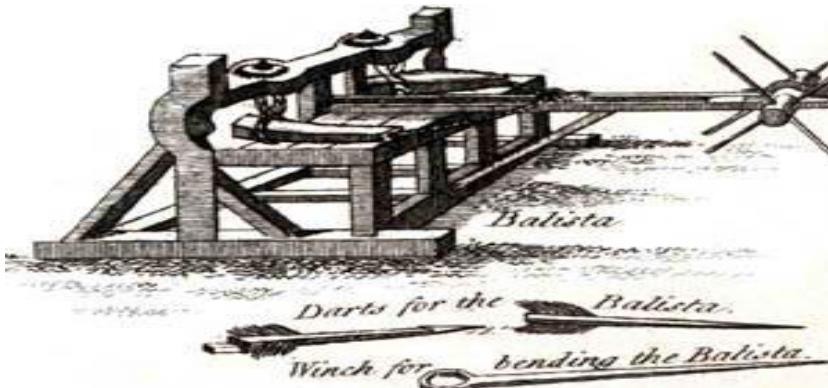
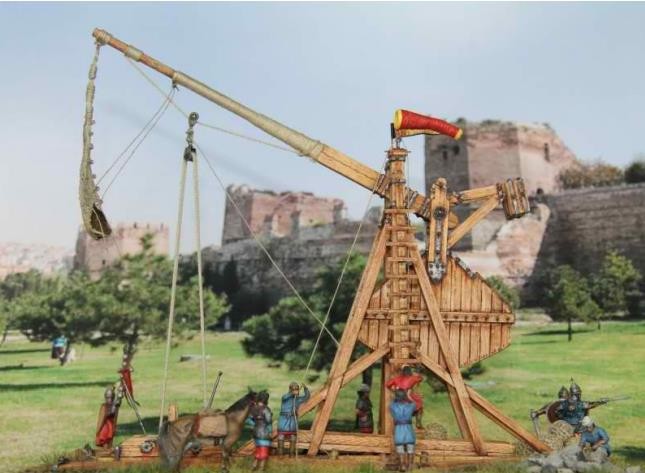
Mechanical Artillery
- Gravity powers these weapons revolutionized medieval siege weapons by use of counterweights allowing it to hurl huge stones very long distances. It was first used in the eastern Mediterranean basin. Trebuchets were used in the Crusades by the 1120s, Byzantium by the 1130s and in the Latin West by the 1150s.
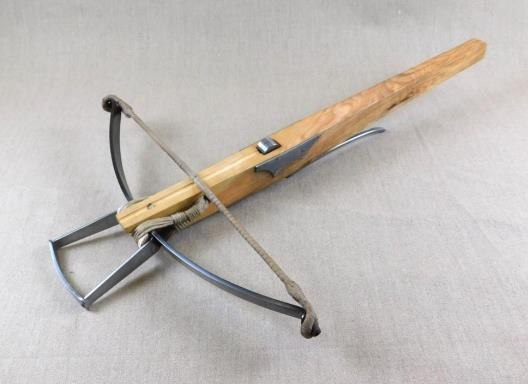
Steel Crossbow
- First hand-held mechanical cross-bow. This European innovation came with several different cooking aids to enhance draw power.
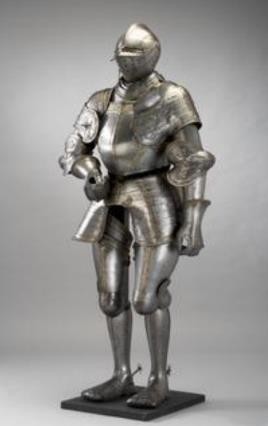
Complete Full Palate Armour
- Appeared by the end of the 14th century. The armour chain mail was made from thousand of metal rings. “hauberk”. Plate armour is considered best in personal armour “hauberk”
Agriculture
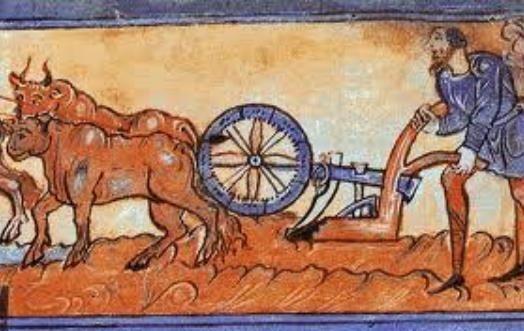
Heavy plough (5th - 8th)
- Important In cultivation of rich, heavy, often most sales advance. Northern Europe advance their agricultural practices.
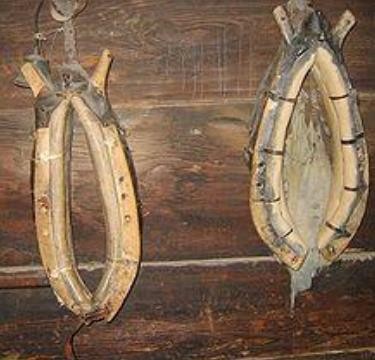
Horse collar (6th - Gth)
- Went through multiple evolutions that from 60’s-90’s centuries.
- It allowed more horse pulling power, such as with heavy ploughs.
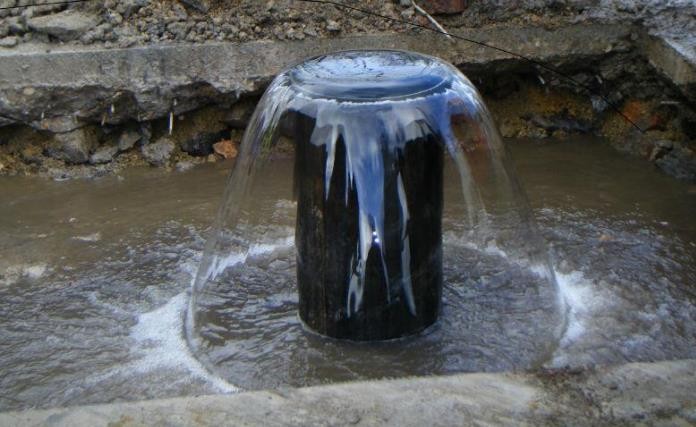
 Architecture and Construction
- A thin rod with a hard iron cutting edge is placed in a bore hole and repeatedly struck with a hammer. Underground water pressure forces the water up the hole without pumping. Artesian wells are named for Artois in France, where the first was drilled by Carthusian monks in 1126.
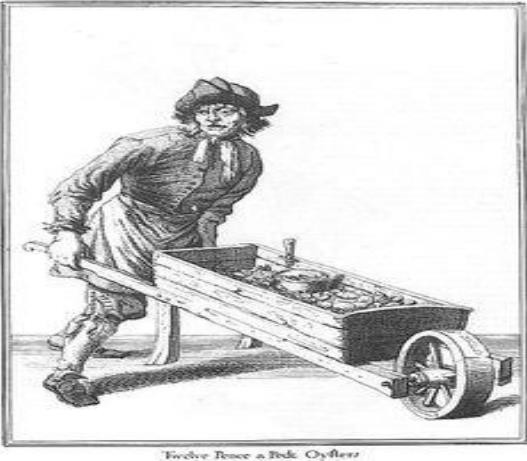
Wheel-barrow
- Useful in construction, mining, and farming. Wheelbarrows appeared in stories and pictures between 1170 and 1250 in Northwestern Europe. First depiction in a drawing in the 13th century.

Lesson: 7 The Advance of Science and Technology during RENAISSANCE
Michaelangelo
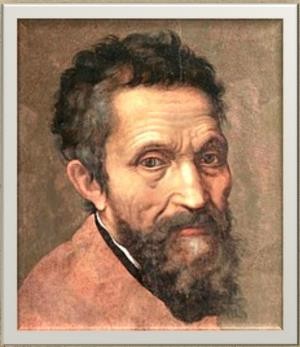 Sculptor
- Painter
- Poet
- Engineer
- Architect
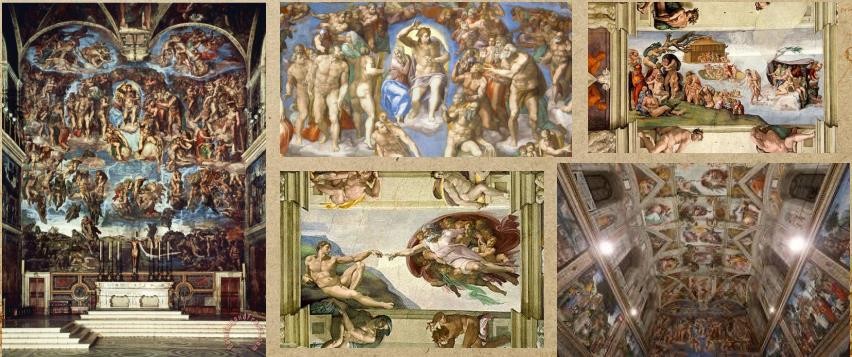
Sistine Chapel Mural
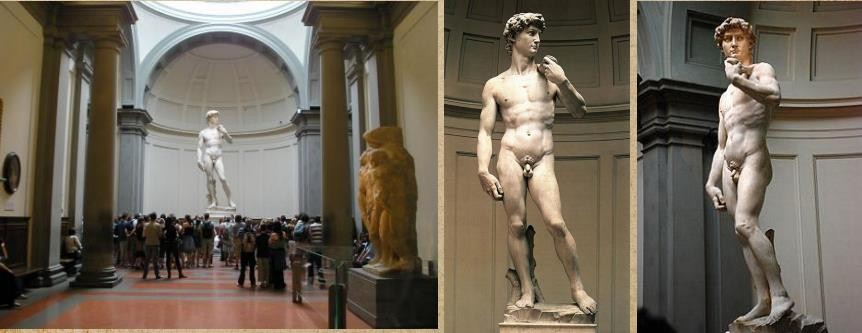
David
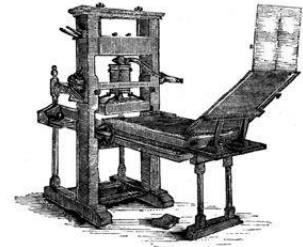
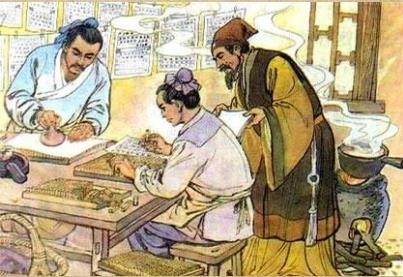
Printing Press
- The most important technological innovation at that time
- China – 1300
Johann Gutenberg
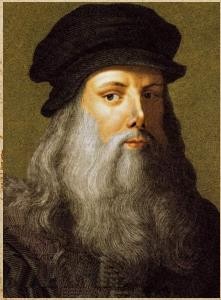
- 1400s – movable type in Europe
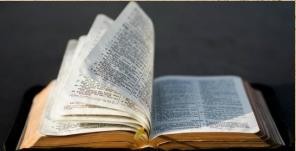
- Bible in every language
- Higher literacy rate
- Spread ideas
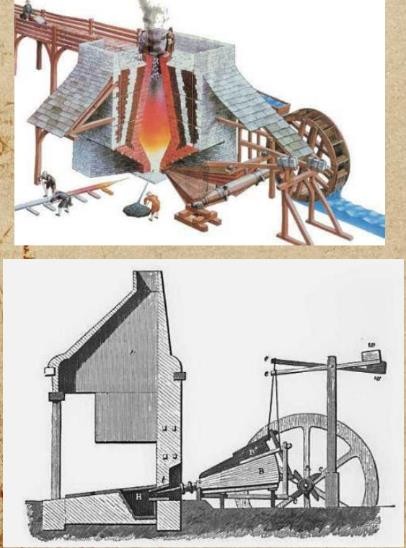
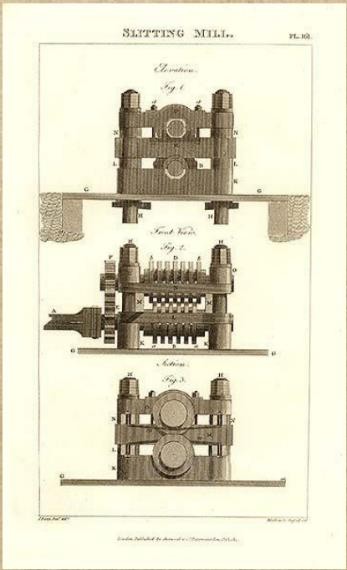
Mining and Metallurgy
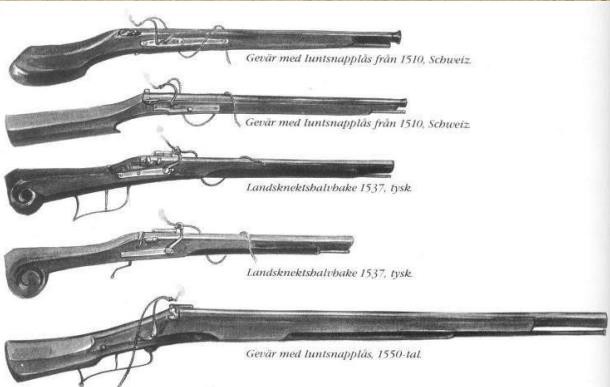
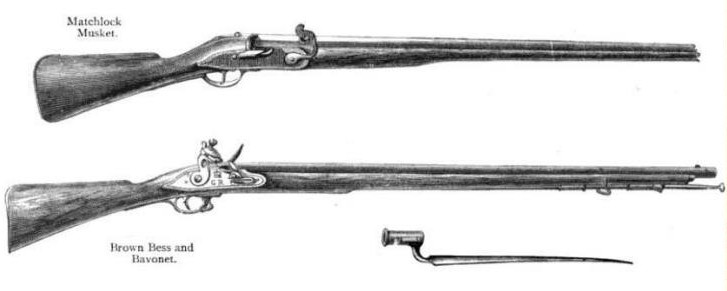
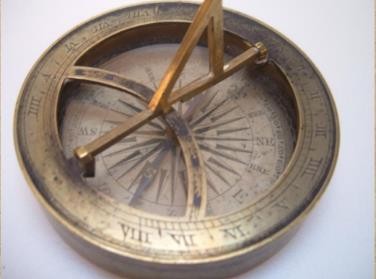
Firearms and Nautical Compass
- To communicate
- Exercise power
- Travel
Parachute “Flying Man”
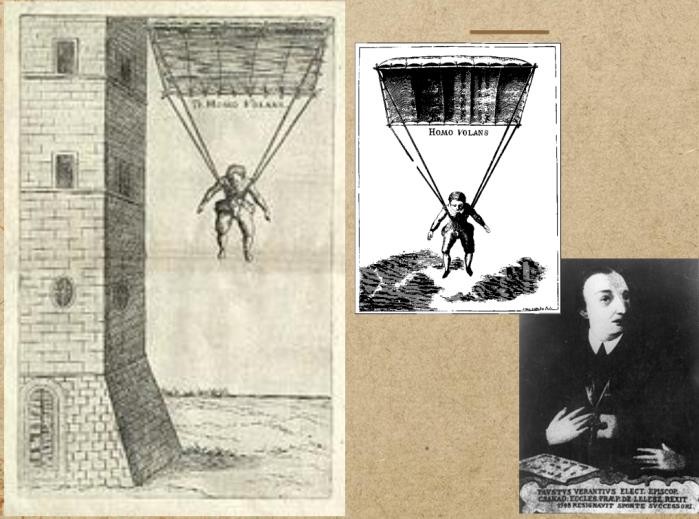 Veranzio’s 1595 parachute design
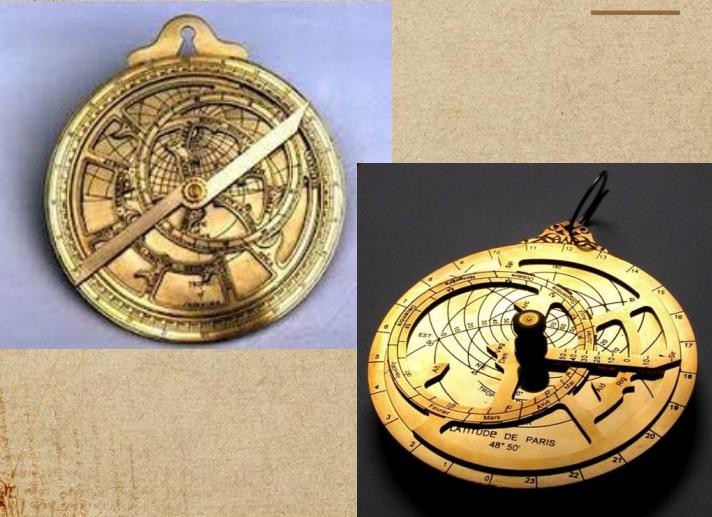
Mariner’s Astrolabe
- The earliest record uses for navigational purposes
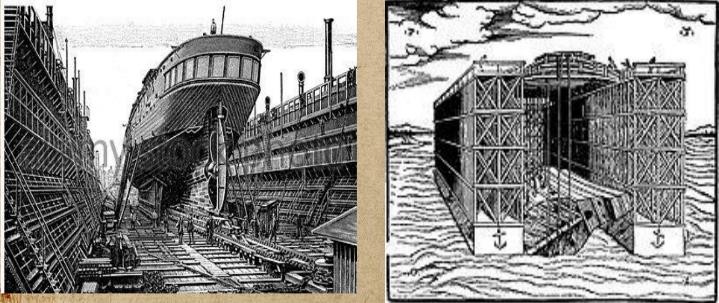
Dry and Floating Dock
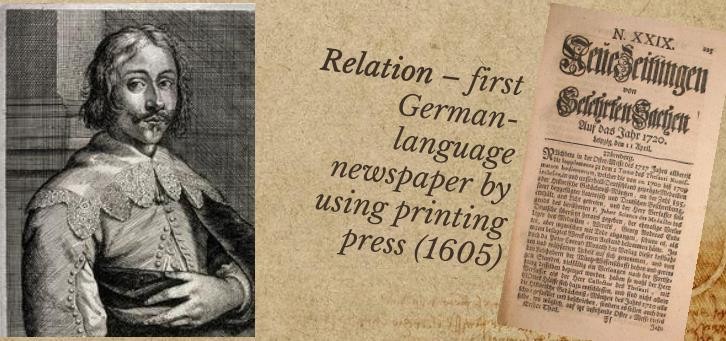
Newspaper
- Offspring of the printing press
- 16th century – demand for up-to-date information
Johann Carulos of Strassburg
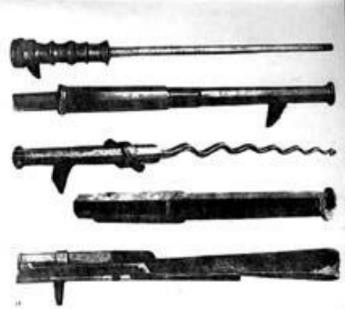
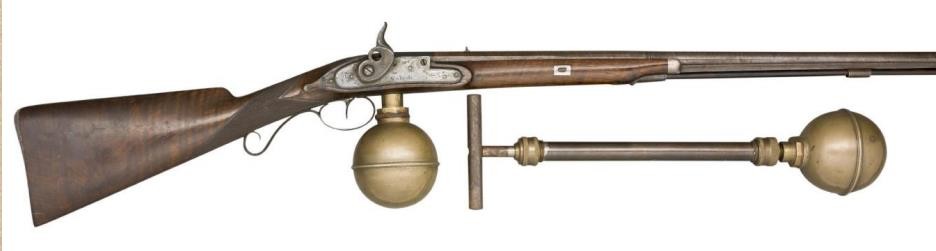
Air-gun
- Equipped with powerful spiral spring
Alchemy
- Study of the transmutation of materials through obscure process
- Earliest form of chemistry
- Main aims: find a method of creating gold from other substances
- Two main elements: sulphur and mercury
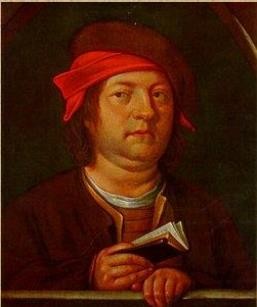
Paracelsus
- Salt – added by Paracelsians
trinity of alchemical elements
Astronomy
- Nicholaus Copernicus – scientist
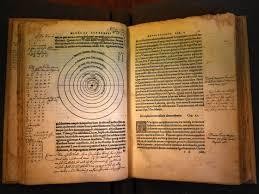
- Founded the theory of Heliocentric
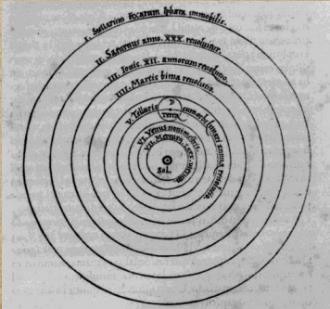 Sun – center of the universe
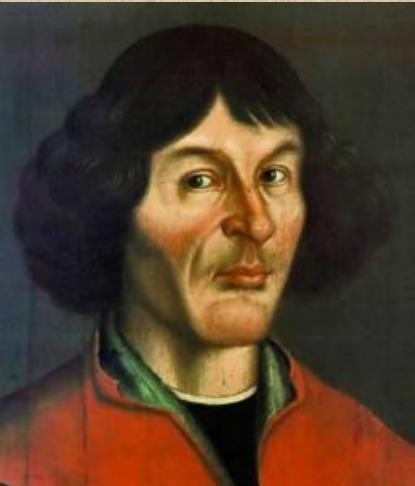
- de revolutionibus orbium coelestium (On the Revolutions of the Celestial Spheres) – book (1543)
Medicine
- Increase in experimental investigation:
- Dissection
- Body examination
- Human anatomy
- Few effective drug existed beyond opium and quinine.
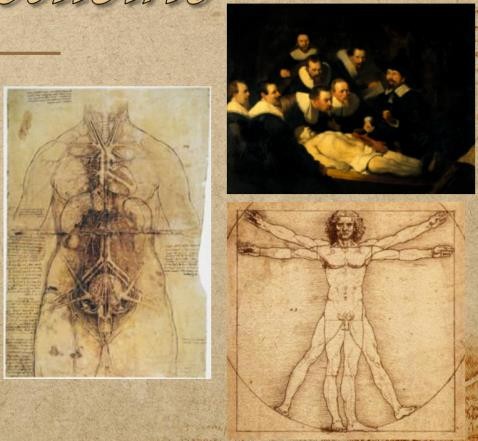
MODERN NEUROLOGY
- Andreas Vesalius
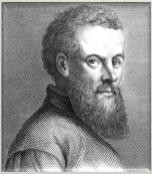 described human anatomy of the brain and other organs
De Fabrica (On the Fabric of the Human Body)
- most important texts of the century
- Criticizes the work of the ancient Galen
- William Harvey
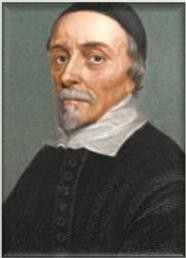 Refined and complete description of the circulatory system
- Materiae medicae and pharmacopoeiae – most useful tomes in medicine used by students and professionals
- Otto Brunfels
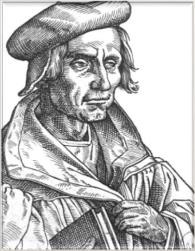 Portraits of Living Plants
- A botanical work that employed freshly drawn illustration from living plants
Lesson: 8 The LEAP of Science and Technology during the Scientific Revolution
Scientific Revolution
- The emergence of modern science during the modern period.
- Began in Europe towards the end of Renaissance period and continued through the late 18th century, influencing social movement known as Enlightenment
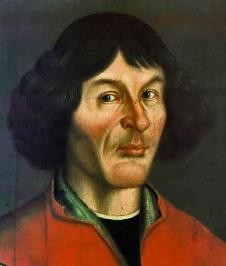
Nicolaus Copernicus
- In 1543, De revolutionibus orbium coelestium is often cited as marking the beginning of the scientific revolution.
William Gilbert
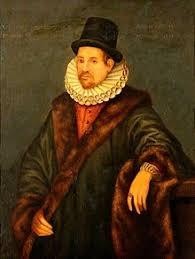 Published books On the Magnet and Magnet Bodies, and the Great Magnet the Earth in
1600, which laid the foundations of a theory of magnetism and electricity
Tycho Brahe
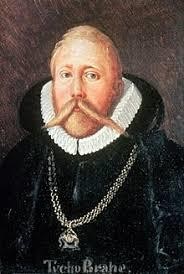 Known for his accurate and comprehensive astronomical and planetary observation
- Discovered “ Tycho Star”
- Propose Geo-Heliocentric theory
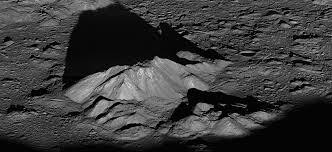
- Crater tycho was named after him.
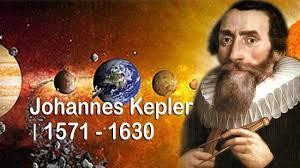
Johannes Kepler
- - Published the first 2 of his 3 laws of planetary motion in 1609: The Optical Part of Astronomy and New Astronomy
- Harmonies of the World presented his so called “Third Law”
Sir Francis Bacon
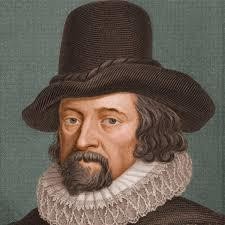
 - Published Novum Organum in 1620, which outlined a new system of logic based on the process of reduction, which he offered as an improvement over Aristotle’s philosophical process of syllogism
Galileo Galilei
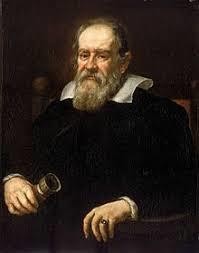 First Italian Astronomer who demonstrated that a projectile follows parabolic path
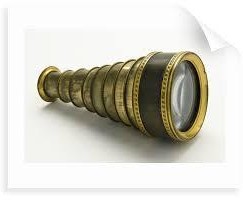
- Invented telescope (spyglass) which employs a convex objective lens and concave eyepiece
- Constructed his first telescope and turns it toward the heaven
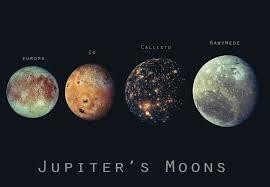
- Discovered mountains on the moon and for moons circling Jupiter
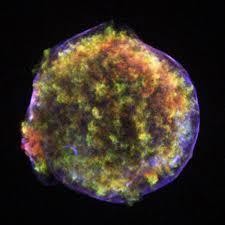
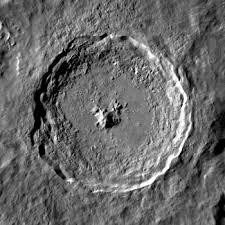
Tycho Brahe
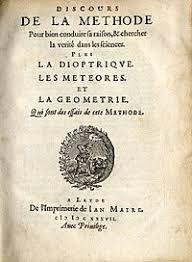
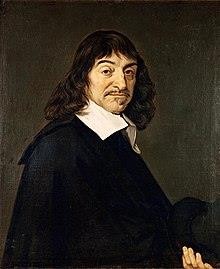 Published the Discourse on the Method in 1637, which helped to establish the scientific method
Antoine van Leewenhoek
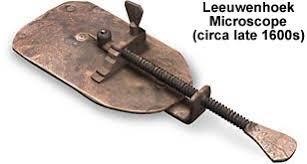
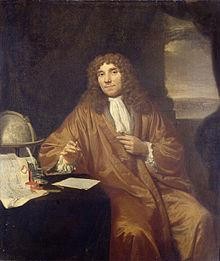 Constructed powerful single lens microscope and made extensive observation opening up the micro-world of biology
Isaac Newton
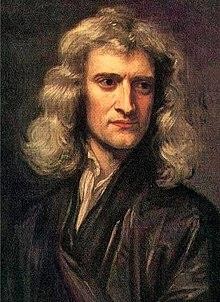 Law of universal gravitation and Newton’s three laws of Motion
Alexander Koyre
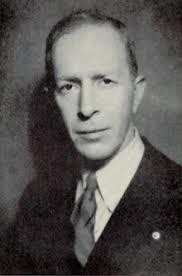 Introduced the term “Scientific Revolution” centering his analysis on Galilei, and the terms was popularized by Butterfield in his Origin of Modern Science
John Locke
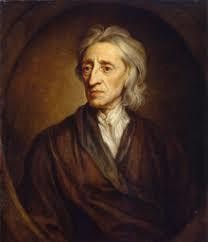 Founder of Empiricism
- Argued that human mind has blank tablet
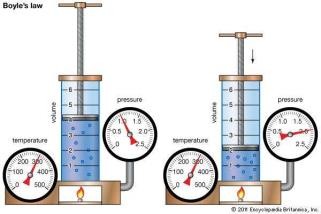
Robert Boyle
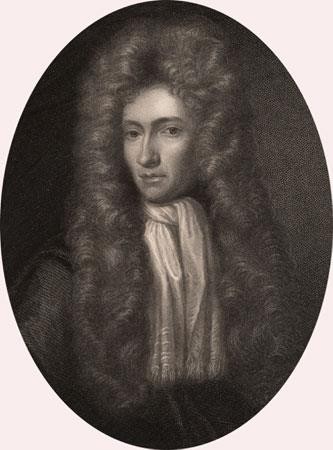 One of the founders of modern chemistry
- Boyle’s Law
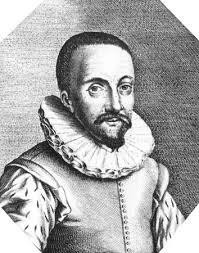
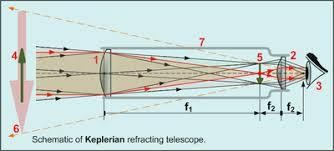
Hans Lippershey, Zacharias Janssen, Jacob Metius
- Inventors of refracting telescopes
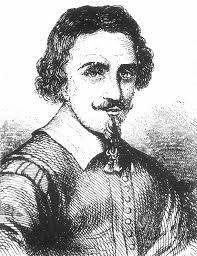
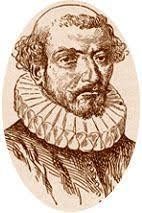
Evangelista Torricelli
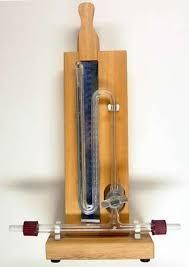
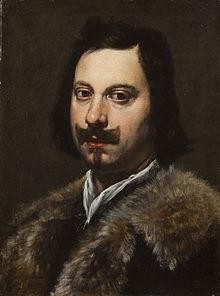 Invented mercury barometer
NOTABLE PEOPLE
Lesson: 9 Science and Technology INDUSTRIAL REVOLUTION
Most influential scientists in the Industrial Revolution Period
Albert Einstein
- He proposed the theory of relativity.
Charles Darwin
- He proposed natural selection as an explanation of evolution, published in “On the Origin of Species” in 1859.
Electronics Industry
- Born in the early 20th century, this has greatly advanced (e.g. computers). The electronic computer has become one of the key tools of the modern industry. Other developments include new communication devices (radio, TV, laser).
Watt steam engine
- Made of iron and fuelled primarily by coal, this became widely used in Great Britain during the Industrial Revolution.
Technological Developments
Important technological developments during the Industrial Revolution
Gregor Mendel
- His theory of genetics stated the pattern of inheritance using
Metallurgy
- The replacement of wood and other bio-fuels with coal was a major
a pea plant and developed the Mendelian Principles of Heredity.
change in this period. Coal required less labor to mine , and was more abundant.
Louis Pasteur
- Known as the father of microbiology, he pioneered pasteurization C proposed the germ theory of disease. He also developed a vaccine for rabies and disproved spontaneous generation theory.
Hugo de Vries
- He stated that the survival of a given species was thus related to its ability to adapt to its environment through mutations.
Machine Tools
- There was a demand for metal parts used in machinery, which led to the development of several machine tools used for cutting parts.
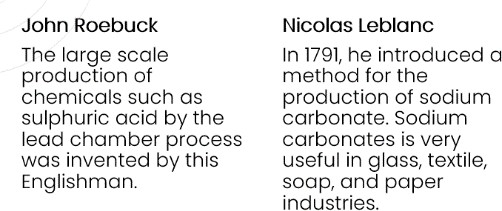 Chemistry
James Watt & Matthew Boulton
- They succeeded in 1778 in perfecting the steam engine, which incorporated a series of radical improvements.
Cement
- In 1824, Joseph Asdin patented a chemical process for
Scientific Developments
Important scientific discoveries during the Industrial Revolution
Radioactive isotopes
- Used as tracers in complicated chemical and biochemical reactions C was also applied in geological dating.
Microscope
- Introduced by the Janssen team, this paved way for the establishment of the cell theory and study of minute things.
Development of Biochemistry
- This led to the rapid growth of the field of molecular biology, with resulted with the fundamental discovery of the structure of deoxyribonucleic acid (DNA), the molecule carrying the genetic code.
Modern Medicine
- Profited with new methods of treatment from penicillin, insulin, and other drugs to pacemakers and implantation of artificial or donated organs.
Astronomy
- The space age began with the launch of the first artificial satellites in 1957. A human first went to space in 1961. Larger telescopes led to the discovery of the Milky Way, one of the many galaxies in the vast Universe.
Electromagnetic Radiation
- Notable results include the field of radio astronomy, studies of quasars, pulsars, and other unusual objects, and detection of relatively complex organic molecules floating in space.
making cement which was an important advance in building trades. The process involves sintering a mix of clay C limestone at 1400 degrees Celcius C grinding it to fine powder.
Gas lighting
- The large-scale introduction of this was the work of William Murdoch. The process consisted of the large-scale gasification of coal in furnaces, purification of gas, storage and distribution.
Glass making
- A new method, the cylinder process, was developed in Europe during the early 19th century. This advancement allowed for larger panes of glass created without interruption.
Paper machine
- A machine for making continuous sheets of paper on a loop of wire fabric was patented in 1798 by Nicholas Louis Robert.
Agriculture
- Advancements in this include the seed drill, the Dutch plough, and the threshing machine.
Transportation
- Modes of transportation went from wagons to automobiles and the early airplane to modern supersonic jet and giant rockets that take men to space.
Food & Nutrition
- Food supply increased while prices fell due to better agricultural practices.
Housing
- Living conditions varied from splendour for factory owners to
squalor for workers. There were also a new middle class of professionals, such as lawyers and doctors.
Clothing and consumer goods
- Consumers benefitted from falling prices for clothing and household articles such as cast iron cooking utensils, and soon after, stoves.
Lesson: 10 Science, Technology and Society in the 20th Century
Airplane
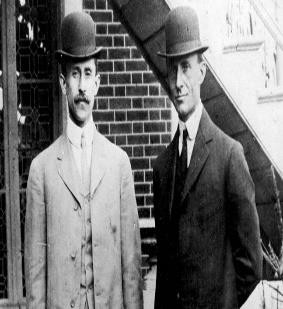 Invented by the Wright brothers, Wilbur and Orville.
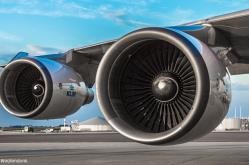
- A powered, fixed-wing aircraft that id propelled forward by thrust from a jet engine or propeller.
- Used for recreation, transportation of goods and people, military and research.
- Flown by a pilot on board or be remotely or computer-contolled.

Internet
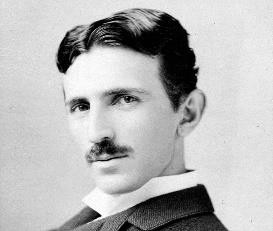 Started in early 1900 when Nikola Tesla toyed with the idea of a “world wireless system.”
- a global computer network providing a variety of information and communication facilities, consisting of interconnected networks using standardized communication protocols.
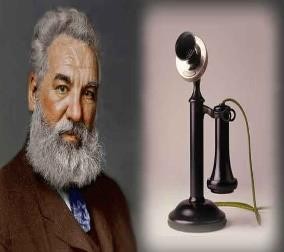 Optical Fiber
- In 1880, Alexander Graham Bell created a very early precursor to fiber-optic communications, the world’s first wireless telephone (Photophone).
- In 1952, UK based physicist Narinder Singh Kapany invented the first actual fiber optical table based on John Tyndall’s experiments three decades earlier.

 Used by many telecommunications companies to transmit telephone signals, Internet communication, and cable television signals.
Computers
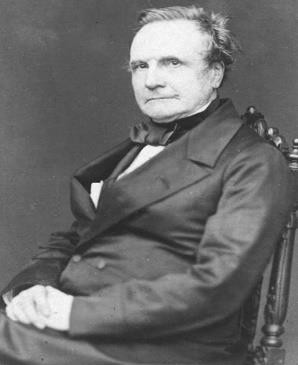
- Charles Babbage is referred to as “Father of Computers”.
- An electronic machine that accepts information, stores it, processes it according to the instructions provided by a user and then returns the results.
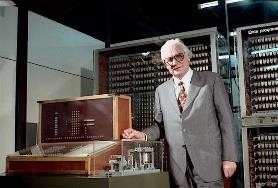
Konrad Zuse built the very first electronic computers in Germany called Z3. It was the first working, programmable, and fully automatic digital computer. Zuse is regarded as the “inventor of the computer”.
Air Conditioning System
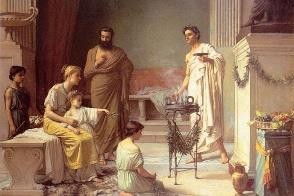 Attempts to control indoor temperatures began in Ancient Rome.
- Started from cool water circulating through the walls of Roman homes.
- A 25-year old engineer named Willis Carrier
invented the first modern air-conditioner.
 Magnetic Resonance Imaging(MRI)
- A non-invasive medical test that physicians use to diagnose medical conditions.
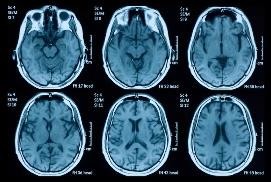
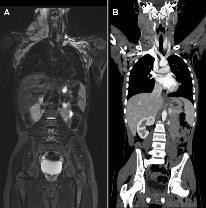
- Uses a powerful magnetic field, radio waves or pulses and a computer to produce detailed pictures of virtually all internal body structures.