Autonomy 9
Independence
focuses on external an ability to do things without supervision
driving and making money at 16 without legal no
autonomy
focuses on inner experiences
fundamental psychological need for agency
Autonomy as an adolescent issue
sense of self and autonomy are both very important
slef autonomy means to be self-governing is fundamental to development
capacity ot behave on your own
autonomy is more cohesive and dynamic
has emotional, cognitive, and behavioral aspects
all are important to feel independent and think healthily for yourself
is not the same of rebellion, and does not automatically equate to breaking away from family
is gradual, progressive, and relatively undramatic
adaptive in nature, does require some distance
increases novelty seeking and exploration
facilitates reproduction outside of the family, or creating stability for themselves
learn to govern their own behavior and in a responsible fashion
may feel pressure to grow up quickly and act like adults due to media these days
take on adult responsibilities to assist in times of need
need to develop psychologically and socially, but in modern world economic autonomy comes much later in life
cean lead to incogruencies, conflict, etc. due to rules
abilitiy to make own decisions should not have to do with financial independence to them
must find new ways to function more for economic support and stability, guidance, and nurturance….and from more sources (may be ground for a new theory on economically challenged minorities and teens…seek these things more often but have poor examples
is also about self-reliance and comes when challenged with appropriate challenges
find different things necessary for them to do in their own way, improves through time
can start with guidance
must establish and maintain healthy sense of autonomy
Puberty and Developing autonomy
change in emotional relationships at home
turn away from parents and towards friends, romantic partners (probs why i struggle to open up now bc i was never allowed to do this when i was younger)
naturally driven away from emotional exclusive dependence…but need good examples
cognitive change
being able to make independent decisions
intellectual abstraction increases
foresee future consequences of alternative courses of action all help the adolescent weigh various factors in a decision
begin to develop a sense of values and morals, rather than just of parents, and other sources of authroity and law
social roles
happens more the more you approach situations and ages when things occur
emotional autonomy
transformation of their close relationships
expression of affection, distribution of power, patterns of interaction based on competencies, concerns, and social roles
Emotional autonomy: detachment or individuation?
rush to parents a lot less when distressed as they get older
see their parents less all powerful and all knowing as before
emotional energy distributed in other relationships these days
see and interact with their parents as people, not just parents
bickering is not always an indication of diminishing relationships in fam
get closer as they get older, due to distance being correct, meaning it is good and transformation is best
should not become distant: be separate without becoming alienated, conflict, or hostility
individuation is the gradual, progressive sharpening of one’s sense of self as autonomous, competenet, and spaerate from their original support and environment
relinquish childish depdencecies on family in favor of more mature, responsible, and less dependent
those who do this accept responsibility of choices and actions rather than rebell
will respect parents choices and find solutions together through respect and critical thinking
Research on emotional autonomy
de-idealization
not putting parents on pedestal too much
more likely to happen in early adulthood
maintain connection
should not feel distant even if they become emotionally autonomous
adjust better psychologically
can be good or bad
bad: parents don’t have skills due to lack of effort and begin going to other sources for support, who have different skills or resources, etc.
individuation (370-371)
coined by Carl Jung
things about themselves that their parents aren’t aware of
emotional distancing (a good thing)
stimulated by cognitive adjustment
become separate and distinct from origin
value privacy more, and respect parents privacy more
have their own separate life, need trust to do things well
parents should have less control over their lives
psychological control
both de-idealization and individuation lead to children wanting to decide what is best for them
maybe parent should ask why they want to do that, and say it is ok to tell them the real reason why to come to an agreement
Parenting and emotional autonomy
parenting styles 72
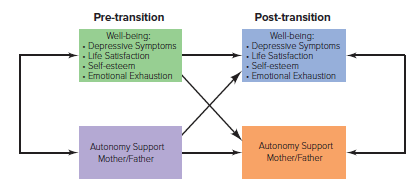
Development of behavioral autonomy
hold multiple viewpoints in mind at once (prefrontal correlation)
compare them
contemplate long-term consequences of possible decisions, and risks and benefits
long-term planning and logic
separating logic from emotion
self-reflection
PF is the last area of the brain to develop in adolescence
enhance role-taking capabilities
can sense why someone has the advice they do, biases, vested interests, and where expertise may be or be lacking
make these decisions on their own, rather than while solely taking on the thinking and permission of others
have weight and real reason behind their decision
early vs. late adolescence
early
rewards and immediate consequences
rewards come first, don’t consider risks
looking cool vs. falling
risks seem much less real
late
changes in decision-making abilities
improvements in self-regulation
control impulses
READ THIS SECTION MORE THOROUGHLY
when do adolescents make decisions as well as adults
by age 16
basic information process skills
working memory
attention
logical reasoning abilities
differentially within mid 20s
sophisticated cognitive skills
planning ahead
judging relative costs and benefits of risky situations
coordination of cognition and emotion
feelings interfere with logical reasoning
logic can overcome strong feelings like passion, love, hate, anger, laziness, etc.
changes in susceptibility to influence
READ MORE THOROUGHLY
peers and parents
behavioral autonomy is important in both relationships
peer pressure
differences
parenting and behavioral autonomy
READ MORE THOROUGHLY
ethnic and cultural differences in expectations for autonomy
READ MORE
are not universal in different parts of the world
much more independent in Japan
generational changes
ways children are raised
balance of space and quality time
spending time to teach them skills they want and need
what children are allowed to do
times per week teens go out with friends
downturn after 2008 and just continued ot go down
may be due to electronic hobbies and changes in what industries are open due to covid and advances
less malls to hangout and other places of leisrure
less likely to have jobs
gas more expensive these days
underdevelopment of emotional and behavioral
less professional
kids more sassy and rude due to being online all the time
negative emotional connections with parents
underestimate the effect of media
new generation of parents more strict at first (70s parents)
new generations of parents less strict (80s-2000s)
m
one minute note
is a teaching strategy
stopping and see what the kids have learned so far and taken from this
Jonathan Haidt interview (New York Times) & one minute note
what is a good childhood
effective in making you a successful adult
what is a functional member of society in this sense
what is a fun childhood?
thrive if this overlaps with a good childhood
roamed and highly aged diverse with random kids
kids are always almost exclusively around kids their age
what is a functional member of society in this sense
not parents job to socialize kid
most important development do not happen around parents
schools are like factories
one minute note
society freaked out about abduction in the 90s
freaking out can lead to helicopterism, but I do think it can also lead to good supervision
could’ve had a jump in how much both fathers and mothers spend time with a jump in productivity, but less distance in culture
quality time seen as the most important and maybe the only tek of quality time
less trust in neighbors (loss of social capital and connection in society)
adults a lot more detached these days
The Development of Cognitive Autonomy
stimulated by emotional and behavioral autonomy
put in situations to where you realize or decide your values and what feels right or wrong
clearly can also be good or bad
values, opinions, beliefs
three trends
become more and more abstract in how they think about morals, politics, and religion
more comp. decisions about how to act when their beliefs clash with those of others
beliefs become more rooted in general principles
e.g. breaking the law is less important than protesting for the environment
beliefs become increasingly founded in their own values, not those passed on from various sources
may or may not lead to stubborn challenging
why childhood is so important to be loving, explanatory
avoid traumatizing them
enhanced reasoning, exploration of different values systems
Moral development during adolescence
affects both reasoning and behavior
how they think about moral dilemmas and how they behave in situations that call for moral judgements
Moral reasoning and moral behavior
Piaget stages
preconventional
childhood mostly
reference to external and physical events
not based on society’s standards, rules, or conventions
focus on rewards and punishments associated with diffrent courses of action
conventional
late ch. early ado.
based on rules of society, institutions and conventions and how they’ll be judged by others
special importance given to role people are expected to pay
behave properly based on if they have approval of certain people and to maintain social order
correctness of rules is not questions
duty by upholding and respecting rules they are supposed to dfollow
maybe a 9 yr old
most common type of rules
ok but only insofar as those standards support and serve moral ends.
postconventional
- ado or early YA
prosocial reasoning, prosocial behavior, and volunteerism
political thinking
religious beliefs
civic engagement