CST Practice test 2
which of the following is a type of tissue forceps?
a. Brown-Adson
b. Pean
c. Allis
d. Schnidt
Answer: The Brown-Adson tissue forceps are used during minor procedures to grasp tissue
Which endoscope is used to visualize the heart and major vessels?
a. Ventriculoscope
b. Bronchoscope
c. Mediastinoscope
d. Angioscope
Answer: The angioscope is used for visualization of the heart and major vessels
The goal of the surgical scrub is to lower the population of which flora to an irreducible minimum?
a. Parasitic
b. Resident
c. Transient
d. Enteric
Answer: Resident microbes habitually live in the epidermis, deep in the crevices and folds of the skin
Which needle is used during the bladder suspension procedure for treating stress incontinence in women?
a. Stamey
b. Chiba
c. Dorsey
d. Tru-Cut
Answer: The Stamey procedure involves suspending the fascial attachments of the bladder to the recuts fascia with sutures placed through a Stamey needle
Which procedure can be performed without making an incision to treat varicose veins?
a. Sclerotherapy
b. Varicocelectomy
c. Vein Ligation
d. Vein Stripping
Answer: Sclerotherapy is the injection of sodium chloride, dextrose or saline solution into the small varicosities to destroy the lumen
When repairing a direct hernia, the surgeon works within the anatomical triangle formed by the inguinal ligament, inferior epigastric vessels and the lateral border of the rectus abdominis called:
a. Femoral
b. Anterior
c. Hesselbach’s
d. Calot’s
Answer: A direct hernia presents through Hesselbach’s triangle
there are many anatomical triangles throughout the body to aid the surgeon and surgical team in describing the location of a pathology
Which of the following is the correct postoperative sequence of actions completed by the surgical technologist:
-1 assist with postoperative patient
-2 Remove drapes
-3 remove gown and gloves
-4 Break down sterile setup
a. 2,1,4,3
b. 2,3,1,4
c. 3,2,4,1
d. 4,2,1,3
Answer: 2,3,1,4
Remove outer gloves, Remove down and gloves, assist with postoperative patient, break down sterile setup
What should be completed before the sterile items are opened for the first procedure of the day?
a. Lower temperature in the OR
b. Wipe down furniture and surfaces
c. test sterilizer in substerile room
d. Test anesthesia machine
Answer: Prior to opening sterile supplies for the first case of the day the OR furniture, equipment, Surfaces and lights should be wiped down (also referred to as “damp dusting”) with a disinfectant solution
Cardiac muscles are are controlled by which division of the nervous system?
a. Sympathetic
b. Somatic
c. Autonomic
d. Central
Answer: The autonomic nervous system (ANS) conducts impulses to the cardiac muscles
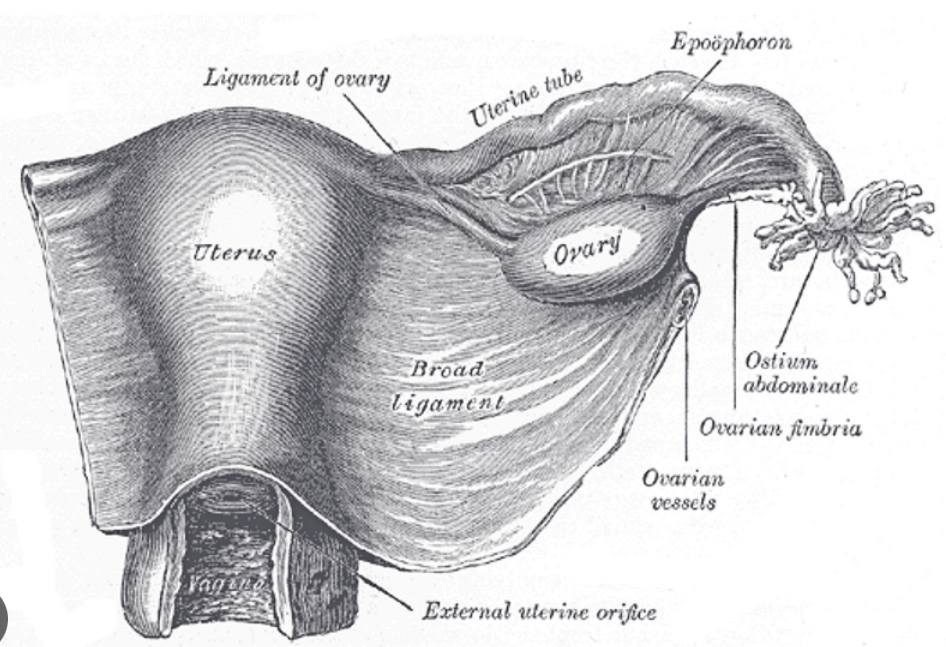
Oophor/o is the root word for which anatomical structure?
a. Ovary
b. Uterus
c. Cervical os
d. Fallopian tube
Answer: Oophor/o is the root word for ovary
In which of the following would absorbable suture be contraindicated?
a. Peritoneum
b. Muscle
c. Intestinal anastomosis
d. Vascular anastomosis
Answer: When a vascular anastomosis is being performed, it requires the ability to heal and have a long term, secure anastomosis; therefore, absorbable suture would not be used
During a cesarean section, which organ is freed from the uterus to prevent injury?
a. Pelvic ligaments
b. Ureters
c. Fallopian Tubes
d. Bladder
Answer: Before the incision is made in the uterus, the bladder is dissected free from the uterus and retracted inferiorly
Which of the following refers to the absence of pathogens?
a. Pathological
b. Aseptic
c. Septic
d. Nosocomial
Answer: Aseptic means without sepsis or no pathogens are present
Which surgical procedure would use the instrument shown below?
a. D&C
b. Colporrhaphy
c. LAVH
d. Myomectomy
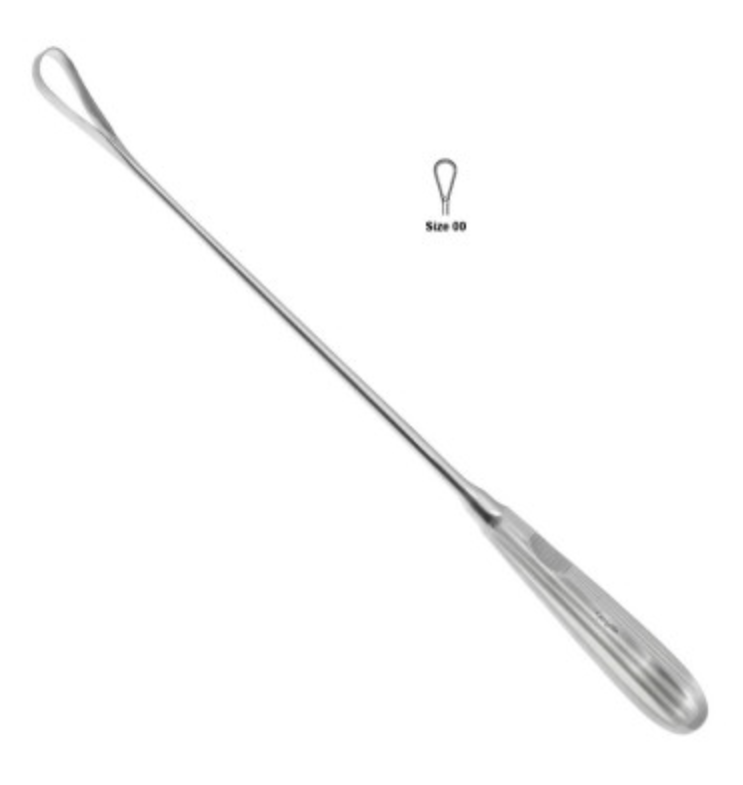
Answer: The sims uterine curettes have sharp ends that are graduated in size and used during a D&C to obtain endocervical and endometrial tissue specimens
What must be done prior to positioning a patient undergoing a posterior lumbar laminectomy?
a. Attachment of arm boards
b. Padding of knees
c. Endotracheal intubation
d. Skin prep
Answer: Prior to positioning the patient undergoing a posterior lumbar laminectomy, endotracheal intubation is completed
What is the name of the instrument shown below?
a. Carmalt
b. Ochsner
c. Adair
d. Pennington
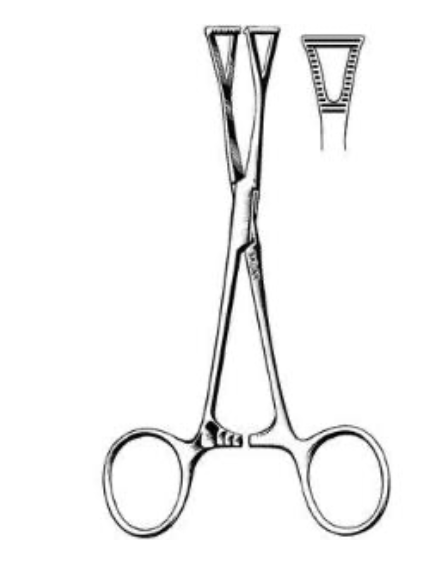
Answer: The penning clamp may be used by a surgeon to grasp a hemorrhoid for excision or a small piece of the lung during a segmental resection
Which of the following damages the mastoid air cells and ossicles of the ear?
a. Meniere’s disease
b. Acoustic neuroma
c. Cholesteatoma
d. Otosclerosis
Answer: Cholesteatoma is a benign tumor that invades the mastoid cavity and destroys the mastoid air cells and can also damage the ossicles
When placing a swaged needle onto a needle holder, the needle should be clamped:
a. one-third distance from swaged end of needle
b. one-fourth distance from the needle point
c. At the junction of suture and needle
d. Half-way distance form the needle point
Answer: The needle holder is clamped approximately one-third of the distance from the swaged end of the needle
Which endoscope is used for the removal of foreign bodies from the airway of a pediatric patient?
a. Flexible esophagoscope
b. Flexible bronchoscope
c. Rigid esophagoscope
d. rigid bronchoscope
Answer: Rigid bronchoscopy is usually performed for the removal of foreign objects from the airway of children
Which of the following elements primarily make up the body’s mass?
a. oxygen, carbon, magnesium, sodium
b. oxygen, potassium, hydrogen, sulfur
c. oxygen, carbon, hydrogen, nitrogen
d. oxygen, carbon, phosphorus, magnesium
Answer: 96% of the body’s mass is made up of oxygen, carbon, hydrogen and nitrogen
Which instrument is used to contract the ribs for suturing purpose?
a. Bailey
b. Semb
c. Matson
d. Doyen
Answer: the Bailey rib contractor is positioned over two ribs and tightened to bring them together to facilitate suturing
The largest muscle of the upper calf is the:
a. Tibialis
b. Peroneus
c. Gastrocnemius
d. Quadriceps
Answer: The gastrocenmius is the muscle that forms the bulk of the upper calf
What is the length of time when thrombin loses its potency?
a. 30 minutes
b. 60 minutes
c. 2 hours
d. 3 hours
Answer: 3 hours. Thrombin should be immediately used when reconstituted with saline or discarded if not used within several hours because it loses potency
The function of the small intestine is:
a. Synthesis of vitamins
b. Absorption of nutrients
c. Production of bacteria
d. Excretion of bile
Answer: The functions of the small intestine are digestion and absorption
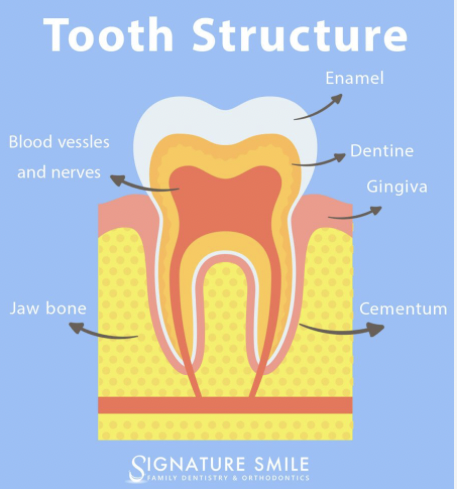
The teeth are composed primarily of:
a. Dentin
b. Cementum
c. Enamel
d. Pulp
Answer: Teeth are composed of dentin, a calcified connective tissue
The basis for the design of electrical equipment in the OR is:
a. Alternating current
b. Isolating circuit
c. Electron theory
d. Ohm’s Law
Answer: The principles that govern the movement of electrons is the electron theory that serves as the basis for the design of all types of electrical equipment
Which of the following procedures is performed to decrease gastric secretions?
a. Pyloroplasty
b. Vagotomy
c. Billroth I
d. Gastrostomy
Answer: To aid in controlling gastric secretions, a vagotomy is performed
A patient who underwent an appendectomy enters the emergency department with severe abdominal pain, constipation, and vomiting. Which of the following is occurring?
a. Cholecystitis
b. Obstructed bowel
c. Diverticulitis
d. Strangulated hernia
Answer: The patient most likely is experiencing an obstructed bowel due to the formation of postoperative adhesions
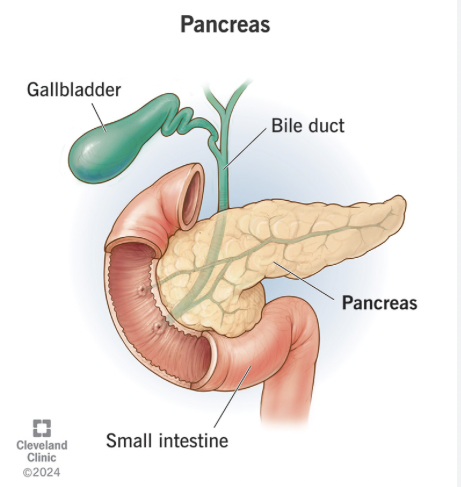
Which organ shares the same blood supply with the pancreas and must be romved during a Whipple procedure?
a. Kidney
b. Duodenum
c. Bladder
d. Spleen
Answer: The head of the pancreas shares the same arterial supply with the duodenum. Since the Whipple procedure is performed for cancer of the head of the pancreas, the duodenum must be removed
During a cleft palate procedure, which equipment should the surgical technologist be prepared to set up quickly?
a. Drill
b. Microscope
c. Nerve stimulator
d. Saw
Answer: To facilitate placement of the sutures in the hard palate, the surgeon may use a drill with drill bit
The muscle that flexes and supinates the forearm and covers the anterior portion of the upper arm is the:
a. Flexor radialis
b. Biceps brachii
c. Brachioradialis
d. Teres major
Answer: The biceps brachii flexes and supinates the forearm and covers the anterior portion of the upper arm
A surgeon tells patient she has terminal cancer but requires prophylactic surgery to prevent a bowel obstruction and the patient replies, “This can’t be happening to me” Which stage of grief is the patient displaying?
a. Denial
b. Depression
c. Bargaining
d. Anger
Answer: Denial is the first stage of grief when the patient doesn’t accept what is happening to him/her
What is the purpose of inserting a ureteral stent character?
a. Monitor urine output
b. Bypass calculi obstruction
c. Excise calculi
d. Prevent postoperative hemorrhage
Answer: Bypass calculi obstruction. The ureteral catheter stent is implanted to bypass partial or total obstructions of the ureter due to ureteral tumors, calculi or strictures
Which of the procedure is used to create the trough on the anterior glenoid rim during a Bankart procedure?
a. Periosteal elevator
b. Bone cutting forceps
c. Shaver with abrader tip
d. Reciprocating saw
Answer: Periosteal elevator. Once exposure is completed the repair of the rotator cuff begins by creating a bony trough on the humerus near the tuberosity using a rongeur, curette, curved osteotome or powered burr
Which of the following secretes hydrochloric acid?
a. Parietal cells
b. Salivary glands
c. Pancreas
d. Duodenum
Answer: Parietal cells are glands located in the stomach and secrete the digestive juice hydrochloric acid
Which of the following preoperative diagnostic tests would be administered to patient with a brain injury?
a. EEG
b. EMG
c. SAO2
d. TEE
Answer: Electroencephalography (EEG) is a recording of the electrical activity of the brain used to help diagnose seizure disorders, brain tumors, epilepsy, and injuries to the brain
Which of the following is a type of fenestrated drape?
a. Incise
b. Three-quarter
c. Extremity
d. Split
Answer: The extremity drape has an opening, called a fenestration, for placing over an extremity
The walls of the vagina are lined with:
a. Fascia
b. Mucosa
c. Serosa
d. Peritoneum
Answer: The vagina is a tubular, fibromuscular organ lined with mucous (mucosa) membrane
Which type of scalpel uses ultrasonic energy to cut and coagulate tissue?
a. Fulguration
b. Hemostatic
c. Harmonic
d. Plasma
Answer: The ultrasonic scalpel (harmonic scalpel) uses a single-use titanium blade attached to a hand piece and connected to a generator that causes the blade to move by rapid ultrasonic motion to cut and coagulate
A Fogarty catheter is used during a/an:
a. Gastrectomy
b. Thoracotomy
c. Embolectomy
d. Craniotomy
Answer: The balloon-tipped Fogarty catheter is inserted through an arteriotomy to facilitate removal of an embolus (embolectomy)
Which of the following positioning devices is needed when placing the patient in the supine position?
a. Kidney rest
b. Elbow pads
c. Mayfield headrest
d. Beanbag
Answer: One of the pressure points of the supine position is the elbows; gel pads or foam should be used for protection
During a trabeculectomy, which two layers are incised at the beginning of the procedure?
a. Cornea; iris
b. Pupil; lens
c. Conjunctiva; Tenon’s capsule
d. Sclera; retina
Answer: The layers initially incised during a trabeculectomy procedure are the conjunctiva and Tenon’s capsule
What instrument set should the surgical technologist have available in the OR when preparing for an inguinal herniorraphhy?
a. Rectal
b. Bowel
c. Vascular
d. Biliary
Answer: The surgical technologist should always anticipate strangulated or incarcerated bowel when preparing for an inguinal herniorraphy and have the bowel instruments in the room incase a bowel resection has to be performed
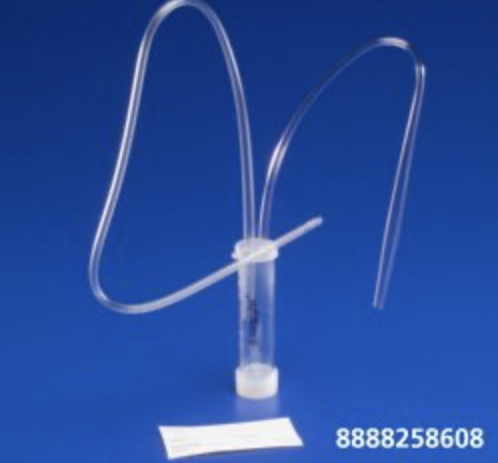
Which of the following is used to obtain specimens during a bronchoscopy?
a. Test tube
b. Suction container
c. Lukens tube
d. 4×4 Raytec sponges
Answer: The Lukens tube is connected to the suction system of the broncjoscope to collect the specimens
Which suture material would be used in the presence of infection?
a. Polyglycolic acid
b. Silk
c. Chromic gut
d. Steel
Answer: Steel is the least inert material used as a suture material and is used in the presence of a wound infection
Which surgical procedure uses the instrument shown below?
a. Vulvectomy
b. Meniscectomy
c. Laminectomy
d. Blepharoplasty
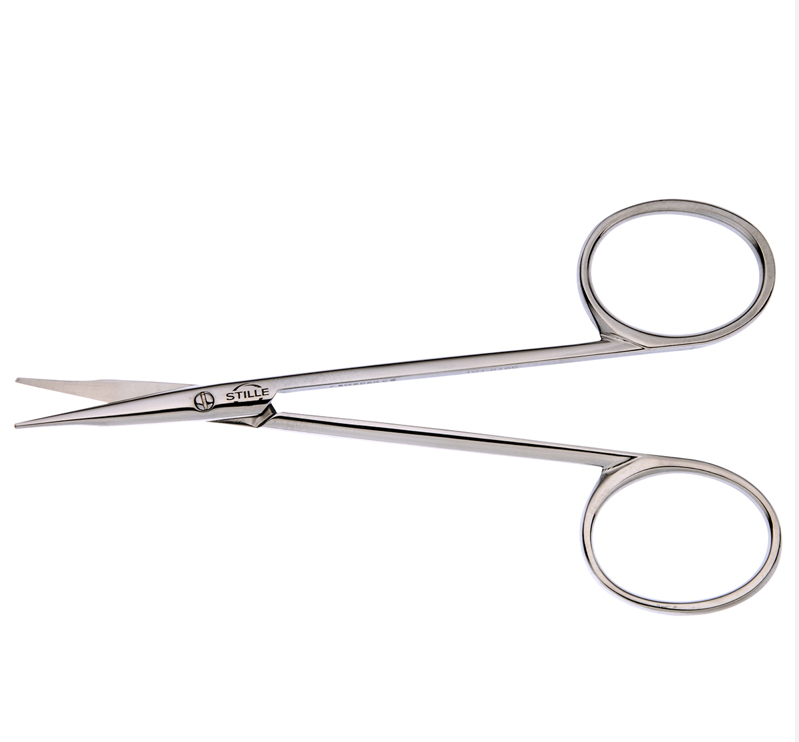
Answer: Blepharoplasty. The Stevens tenotomy scissors are used during delicate procedures, such as eye surgery
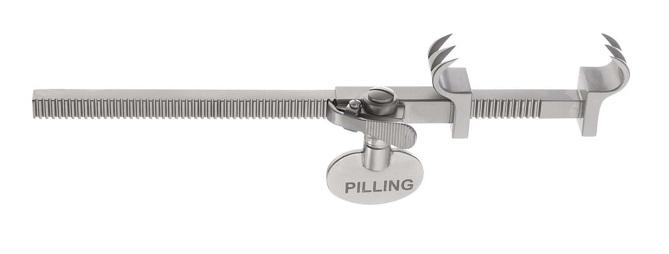
Which surgical specialty most often uses the instrument shown below?
a. Gynecologic
b. Genitourinary
c. Maxillofacial
d. Orthopedic
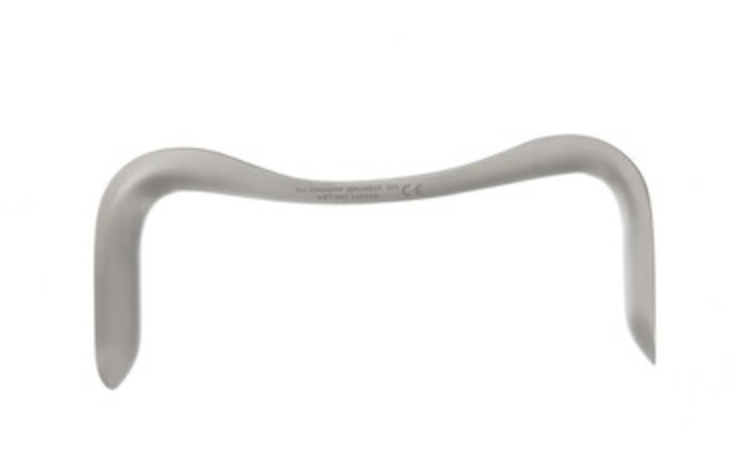
Answer: Gynecologic surgery is what the sims retractor is used for
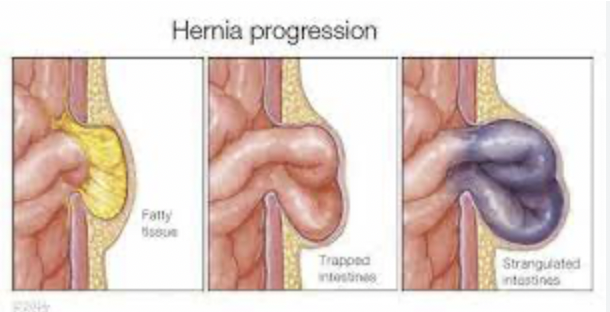
Which of the following hernias can result in necrosis of the viscera?
a. Irreducible
b. Strangulated
c. Femoral
d. Sliding
Answer: A strangulated hernia occurs when bowel is trapped within the hernia sac, and the blood supply us compromised
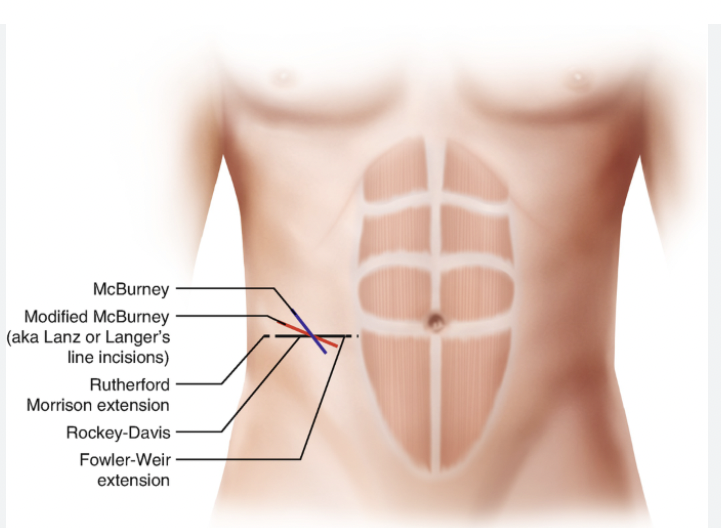
When the surgeon makes a McBurney’s incision, which muscle is encountered first and divided in the direction of its fibers?
a. Transverse abdominis
b. Rectus abdominis
c. Internal oblique
d. External oblique
Answer: When using the McBurney’s incision for an appendectomy, the first muscle encountered is the external oblique which is bluntly divided in the direction of its fibers
Which of the following maintains the position of the uterus?
a. Suspensory Ligament
b. Levator muscle
c. Broad Ligament
d. Public symphysis
Answer: The Board (Ligament), uterosacral and cardinal ligaments maintain the position of the uterus