SCIENCE EXAM REVIEW
Unit 1 - Biology
Topics: Chapters 1-3
Key Concept: Cell Theory
Statement 1: All living things are made up of one or more cells.
Statement 2: Cells are the basic units of life
Statement 3: New cells arise from existing cells.
Cell Structure
Cell Components:
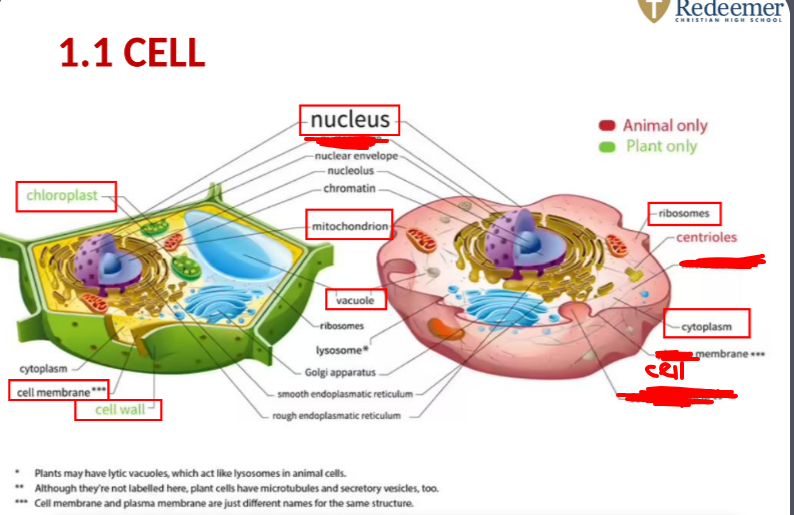
Nucleus: Control center of the cell containing DNA.
Cytoplasm: Jelly-like substance where cell components are suspended.
Mitochondria: the powerhouse of the cell, they generate ATP through cellular respiration.
Ribosomes: Synthesize proteins.
Chloroplasts: Organelles responsible for photosynthesis in plant cells.
Cell membrane: Controls the movement of substances in and out of the cell, maintaining homeostasis.
Cell Wall: A rigid outer layer that provides protection and structure to a plant cell
Vacuole: Store nutrients and water for the cell
DNA and Cancer
DNA:
Contains genetic information crucial for cell functions.
Four bases: Adenine (A), Thymine (T), Cytosine (C), Guanine (G).
Cancerous Cells:
Characterized by uncontrolled and rapid growth.
Caused by carcinogens and can be treated with radiation, chemotherapy, or surgery.
Mitosis and Cell Cycle
Mitosis Stages:
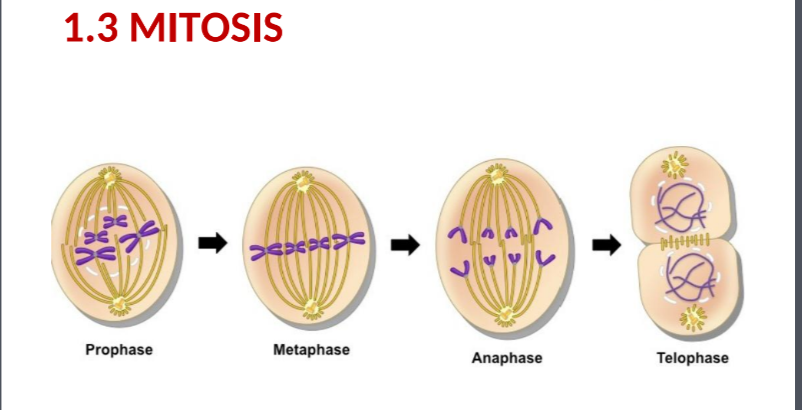
Prophase, Metaphase, Anaphase, Telophase
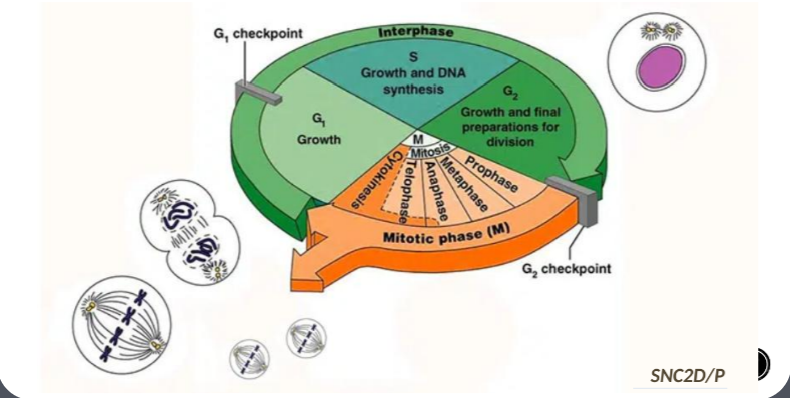
Cell Cycle Phases:
Mitosis: The division of the nucleus
Prophase: Chromosomes condense and the nuclear envelope breaks down.
Metaphase: Chromosomes align at the middle of the cell.
Anaphase: Chromosomes are pulled to opposite poles of the cell.
Telophase: Nuclear envelopes reform around the two sets of chromosomes.
Cytokinesis: The cytoplasm divides, resulting in two daughter cells.
Interphase: Longest phase where the cell grows and replicates its DNA in preparation for division.
Plant Organs
Three principal organs of seed plants:
Roots: Anchor the plant, absorb water and nutrients.
Stems: Support the plant and transport nutrients.
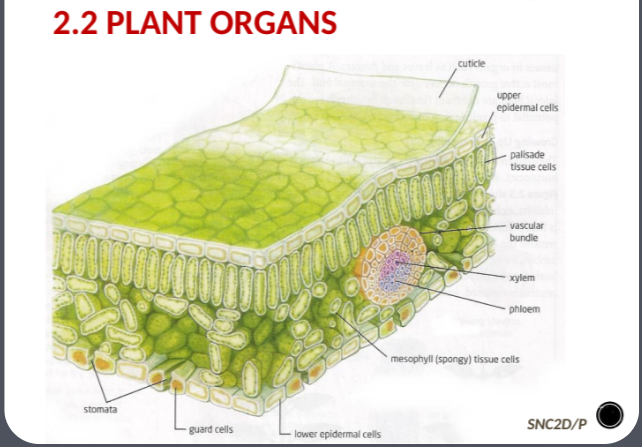
Leaves: Main site for photosynthesis and gas exchange.
Flower: Reproductive structure of the plant
Other structures: Xylem (water transport) and Phloem (nutrient transport).
Levels of Organization
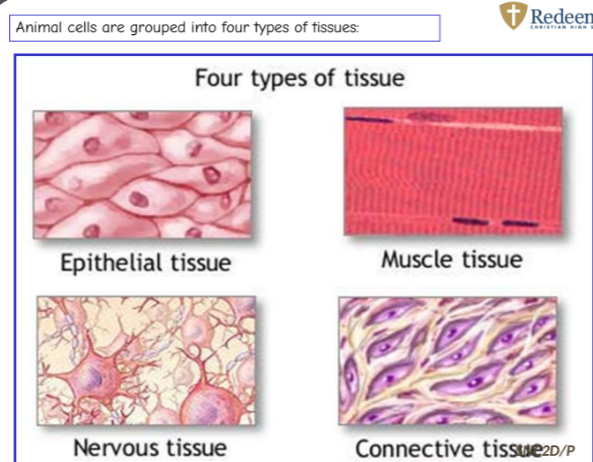
From simplest to complex: Cells → Tissues → Organs → Organ Systems → Organisms
Connective tissue strengthen and support. It can be found near our bones, blood, fat, and ligaments
Organ Systems
Circulatory System:
Transports blood, oxygen, nutrients, and removes waste.
Composed of the heart, arteries, veins, and capillaries.
Digestive System:
Consists of organs that break down food and absorb nutrients.
Involves the mouth, stomach, intestines, liver, pancreas, and anus.
Interaction: The circulatory system transports oxygen provided by the respiratory system and nutrients absorbed by the digestive system.
Unit 2 - Chemistry
Key Concepts: Atoms, Compounds, and Chemical Reactions
Atoms Structure:
Composed of protons, neutrons, and electrons.
Bonding Types:
Ionic (transfer of electrons) and covalent (sharing of electrons).Law of Conservation of Mass:
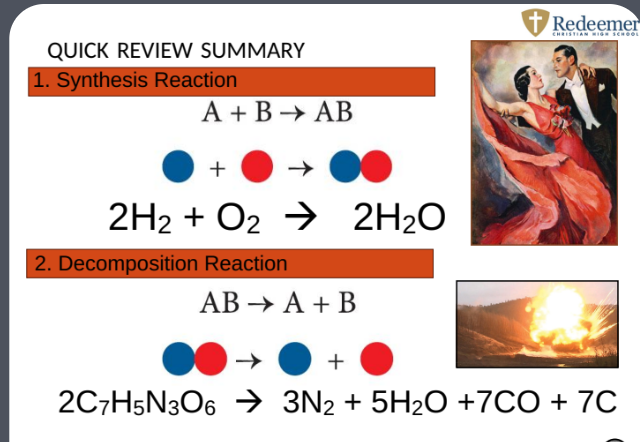
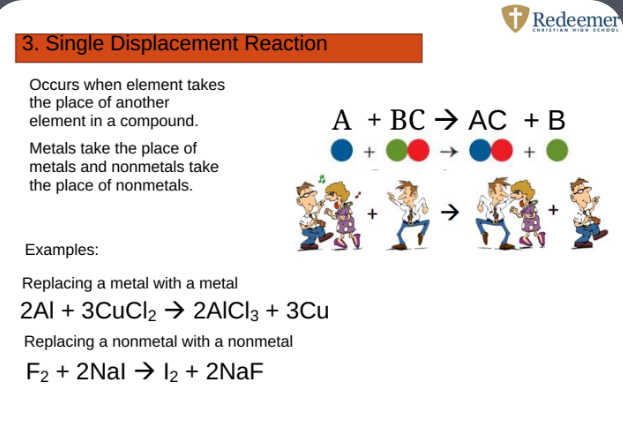
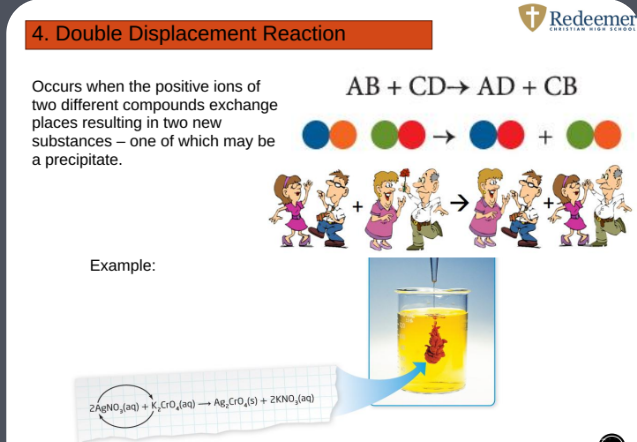
In a chemical reaction, the total mass of the reactants equals the total mass of the products, meaning that matter cannot be created or destroyed.
Acid Characterization:
Acids are substances that produce Hydrogen ions [H+] when dissolved in water, they are corrosive, and they typically have a sour taste and can turn blue litmus paper red. ALWAYS BONDED to NEGATIVE
Base Characterization:
Bases are substances that produce Hydroxide ions [OH-] when dissolved in water, they feel slippery to the touch, have a bitter taste, and can turn red litmus paper blue. ALWAYS BONDED to POSITIVE
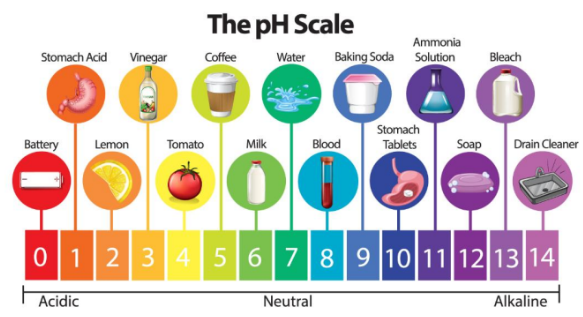
Acid-Base Reactions:
Neutralization occurs when acids and bases react to form salt and water.
Unit 3 - Climate Change
Climate vs. Weather:
Weather: Short-term atmospheric conditions.
Climate: Long-term averages of weather patterns.
Factors Affecting Climate:
Sun's energy, atmospheric composition, hydrosphere, and plate tectonics.
Greenhouse Gases:
Water vapor, carbon dioxide, methane, and ozone.
Unit 4 - Optics
Light Properties and Behavior:
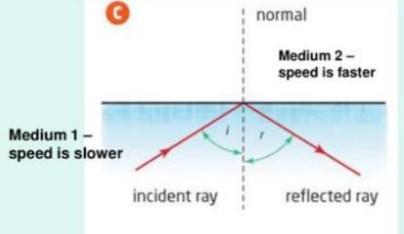
Reflection, refraction, and total internal reflection.
Index of refraction describes how light bends when entering different media.
Image Formation:
Plane mirrors produce virtual images that are inverted
Total Internal Reflection:
occurs when: angles of incidence are greater than the critical angle or when light travels from a medium in which it speed is lower to a medium in which its speed is higher
Apparent Depth:
an image created by a combination of the range of wavelengths visible to the human eye and the physical properties of light. Usually caused by light refraction
Objects placed in a denser medium appear to be at a lower depth
Miscellaneous Topics
Paleoclimatology: Study of past climates using ice cores, tree rings, and sedimentary rocks.
Emission Regulations: Understanding of carbon tax and cap-and-trade systems as methods for reducing greenhouse gas emissions.