Depression
Depression
We have all had days when we have felt sad or down. There may be times when you think there isn't a reason to smile. There may also be periods when your feelings are deeper than just being sad. When the days of feeling downturn into a week or longer, your feeling is depression. You may or may not know what is bothering you. Depression can result from events you can't control as well as from the personal choices you make.
One of Satan's tools is to make you think you are alone—that you are the only one who has felt a certain way. A tactic used in war—divide and conquer—is also used by Satan. Half the battle has been won if he can get you away from others who may encourage or support you. You are called to share one another's burdens if you are a believer. This means you need to be there for others and allow others to be there for you. Talk to someone if you are feeling depressed, whether it is a parent, a mentor, a pastor, or a friend.

Articulate Content Library
Since you know now that separating a hurting person from others is one of the enemy's best tools, you can learn more on the subject from 2 Corinthians 1:3–5 (ESV):
"Blessed be the God and Father of our Lord Jesus Christ, the Father of mercies and God of all comfort, who comforts us in all our affliction, so that we may be able to comfort those who are in any affliction, with the comfort with which we ourselves are comforted by God. For as we share abundantly in Christ's sufferings, so through Christ we share abundantly in comfort too."
Pastor Chuck Swindoll said that "life is 10% what happens to me and 90% how I react to it." This is in relation to the attitude we have about life.
This gives hope. When others have been comforted through their struggles, they can help others with the comfort Christ has shown them.
Medical Assistance
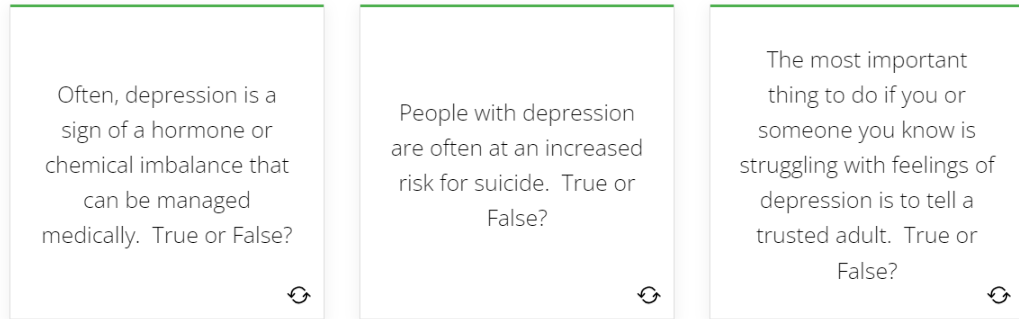
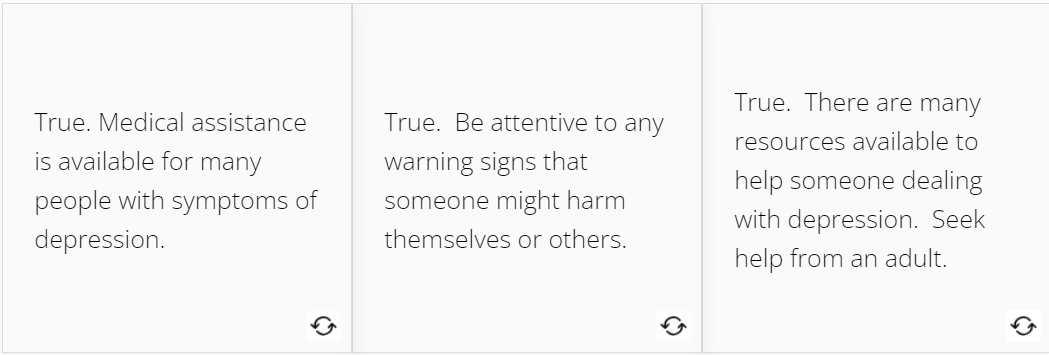
In some cases, the cause of depression or anxiety can be related to the balance of chemicals and hormones in the brain. If you or someone you know is in this situation, speak to a trusted adult to determine if medical assistance may be necessary. With prayer and God's direction, seeking medical help may be the best option for managing or overcoming these conditions.
Biblical Examples
King Saul, in his latter days, was severely depressed. Much of his depression was caused by his running from God's plan. He was affected by his own choices. It is interesting that one of the things that helped him in these times was soothing music. This is something that can be of great help in times of sorrow or even in times of anxiety. The next time you feel down or anxious, try playing uplifting music or listening to a podcast that reinforces the truths of God's Word.
Below is a psalm of David. It reflects the depressed state David was in when it was written. A lesson from this is that it is important to honestly take your cares, concerns, thoughts, and feelings to the Lord in prayer, just as David did.
"Be gracious to me, O Lord, for I am in distress; my eye is wasted from grief; my soul and my body also. For my life is spent with sorrow, and my years with sighing; my strength fails because of my iniquity, and my bones waste away." –Psalm 31:9–10 (ESV)
Helping Others
Sometimes, a friend or family member exhibits signs of depression. Look at the following information to learn about some things that may indicate an issue and what to do.
Symptoms of Depression
–
People who struggle with depression will have noticeable symptoms daily at school, work, or social settings. Signs and symptoms of depression vary from person to person. They can include:
Feelings of emptiness, sadness, or anxiousness
Focusing on death or negative feelings
Getting angry or "cranky" and lashing out at people for minor things
Losing interest in previously enjoyable things
Changes to eating or sleeping habits
Slowed thinking or difficulty making decisions
Feeling like you aren't worthy and focusing on negative things
Experiencing chronic headaches or other general pain
Reaching Out to Help
–
Sometimes people have been living with depression for so long they think their feelings are normal. They may need a friend to help encourage them to get help.
People sometimes feel ashamed or as if they can fix their depression themselves. Unfortunately, this is usually not the case, and medication is often the best way to treat depression.
Here's what you can do to help:
Tell your friend or loved one that you are concerned about them.
Encourage them/go with them to speak to a trusted adult about their feelings.
If they are hesitant to tell an adult, you speak to an adult you trust to get help to help them. This is a courageous thing to do to help someone you care about.
Risk of Suicide
–
When someone has depression, statistics show that the person may be at an increased risk of suicide. Be alert for any unusual signs of thoughts of suicide or self-harm. In addition to the symptoms of depression listed above, individuals contemplating harming themselves may begin participating in risky behaviors, seem to say goodbye to people, or withdraw without explanation.
What to Do
–
It is important that if you have a friend or loved one who struggles with depression, you know the signs in case you need to seek help immediately.
Don't be afraid to ask if the person has had thoughts about harming themself.
Ask for help. Tell an adult immediately so that medical support can be contacted if necessary.
Call for help, but stay with someone that you fear may be a threat to themselves or others.
Call 911 if someone is in immediate danger.
Ongoing Support
–
Once your friend or loved one has obtained support, remember that dealing with depression can be ongoing.
Being positive and listening to a depressed person are important ways to support them. Encourage them to follow the doctor's orders and pray with and for the individual.