6Tb: NSAIDs
Mechanism of Action
NSAIDs function by inhibiting the synthesis of prostaglandins and leukotrienes in the arachidonic acid pathway through cyclooxygenase (COX) inhibition.
No effect on other inflammatory mediators.
Effective in reducing signs and pain related to inflammation.
Generally safer than corticosteroids, but can be ineffective without corticosteroid therapy.
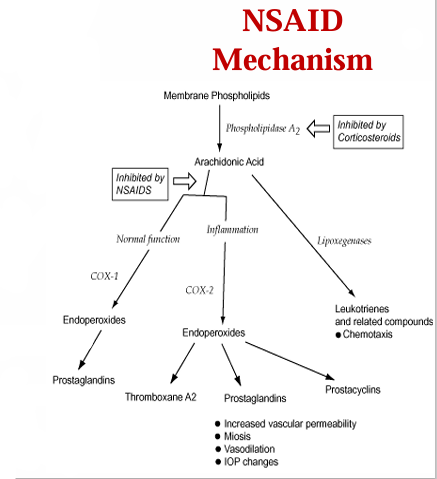
Types of Cyclooxygenase Enzymes
COX-1:
Found in most tissues, involved in housekeeping functions.
COX-2:
Induced in inflammatory cells and blood vessels.
The anti-inflammatory effects of NSAIDs are primarily related to COX-2 inhibition.
COX-2 selective agents have reduced gastrointestinal side effects.
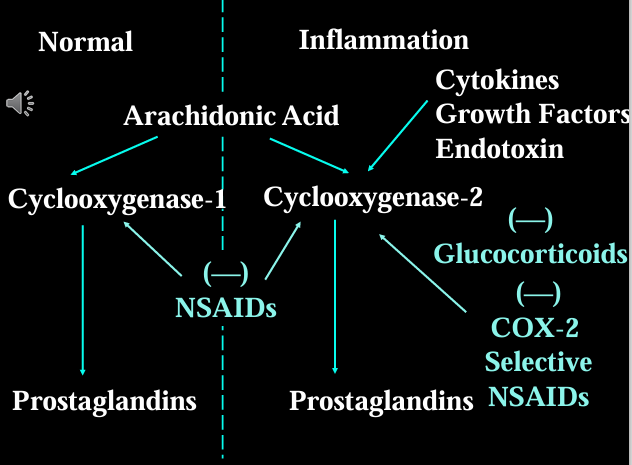
Selectivity and Potency
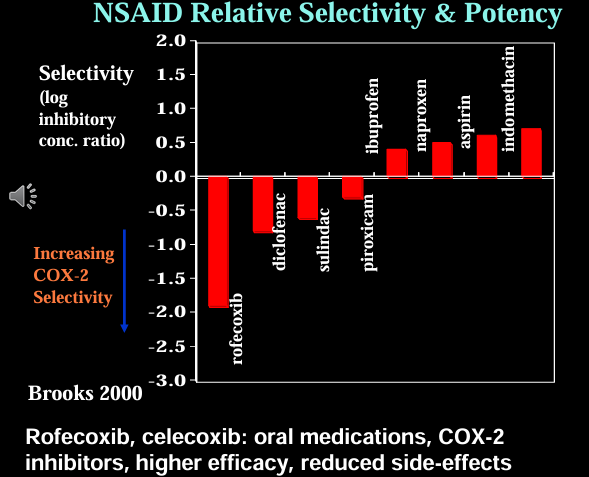
Different NSAIDs have different levels of COX-2 selectivity and potency, affecting their therapeutic effects.
NSAIDs Ordered by COX-2 Selectivity:
Rofecoxib, Celecoxib (higher efficacy, reduced side effects)
Diclofenac, Sulindac, Piroxicam, Ibuprofen, Naproxen, Aspirin, Indomethacin
Major Actions of NSAIDs
All NSAIDs possess three major therapeutic actions:
Anti-inflammatory: Reduces redness and swelling.
Analgesic: Alleviates pain.
Anti-pyretic: Lowers fever.
Oral NSAIDs
NSAIDs are among the most widely used drugs globally, with over 50 available on the market.
Commonly used NSAIDs include Aspirin, Paracetamol, Indomethacin, and Ibuprofen.
Indications for use:
Headaches, menstrual pain, sprains, colds, flu, arthritis, and other chronic pain conditions.
side effects: GI problems
Side Effects
Common side effects include:
Nausea, vomiting, and gastric damage.
Protective agents, such as synthetic prostaglandin (PGE1) analogs, can be used to guard against gastric mucosa damage.
Other adverse effects:
Reversible renal insufficiency, nephropathy (caution in kidney disease), skin reactions, liver disorders.
COX-2 Inhibitors and Associated Risks
Newer NSAIDs like Valdecoxib and Rofecoxib were developed to avoid gastrointestinal issues; however, they have shown increased risks of vascular events (e.g., myocardial infarction, stroke).
Potential mechanism: Inhibition of COX-2 leads to decreased prostacyclin production, resulting in prothrombus conditions and elevated blood pressure.
Ocular Use of NSAIDs
NSAIDs have both analgesic and anti-inflammatory effects in ocular conditions:
Control of corneal surface pain & photophobia
Corneal abrasions, recurrent corneal erosions, bullous keratopathy
Pain after refractive surgery
Prophylaxis (cataract surgery, cystoid macular oedema, inflammation)
Mild inflammatory conditions (episcleritis)
Allergies, treat itch
Topical NSAIDs are prescribed for conditions such as:
Ketorolac (Acular): allergic conjunctivitis, inflammation in cataract surgery
Diclofenac (Voltaren): miosis, cataract surgery inflammation
Nepafenac (Ilevro): inhibition of post-op inflammation, episcleritis, allergic conjunctivitis
Specific Drugs and Their Uses
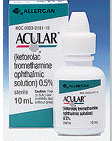
Ketorolac (Acular): S4
Action: Topical NSAID, prostaglandin D2 inhibitor
Other Uses: Effective relief of itching in seasonal allergic conjunctivitis (SAC); no effect on hyperemia.
Contraindications/Cautions: Aspirin/NSAID sensitivity, peptic ulcers, pregnancy, lactation.
Adverse Effects: Significant stinging/burning upon instillation; an uncomfortable burning sensation in approximately 40% of patients; may delay wound healing.
Packaging: 0.5%, 10 ml.
Dosage: Up to 4 times per day for 2-4 weeks; questionable efficacy noted.
Note: No oral form available due to risks of gastrointestinal bleeding, severe allergic reactions, and fluid retention.
Diclofenac (Voltaren):
Action: Topical NSAID, potent cyclooxygenase inhibitor, analgesic properties
Use: Corticosteroid sparing agent, episcleritis, postoperative inflammation and pain, allergic conjunctivitis, cystoid macular oedema
Contraindications/Cautions: Aspirin/NSAID sensitivity, peptic ulcers, pregnancy, lactation
Adverse Effects: Delayed wound healing
Packaging: 0.1%, 10 ml
Dosage: One drop 3-5 times per day.
Nepafenac (Ilevro):
Action: Topical NSAID, potent cyclooxygenase inhibitor, analgesic properties
Use: Corticosteroid sparing agent, episcleritis, postoperative inflammation and pain, allergic conjunctivitis, cystoid macular oedema
Contraindications/Cautions: Aspirin/NSAID sensitivity, peptic ulcers, pregnancy, lactation
Adverse Effects: Delayed wound healing, punctate keratitis
Packaging: 0.1%, 10 ml
Dosage: One drop 3-5 times per day.
Topical NSAID Adverse effects
delayed epithelial growth
impaired wound healing
epithelial toxicity