Geometry
Basics
A plane is a flat, 2D aurvace.
A point is a location or position on a plane. It is denoted by a capital letter and a dot.
A line is a straight infinitely thin 1D figure that continues forever in both directions. It has no endpoints.
A ray is a part of a line that starts at a fixed point and goes on forever in only one direction.
Anline segment is a part of a line.
The point of intersection is the point where two or more lines, rays or line segments meet or cross.
Points that lie on the same line are collinear.
Angles
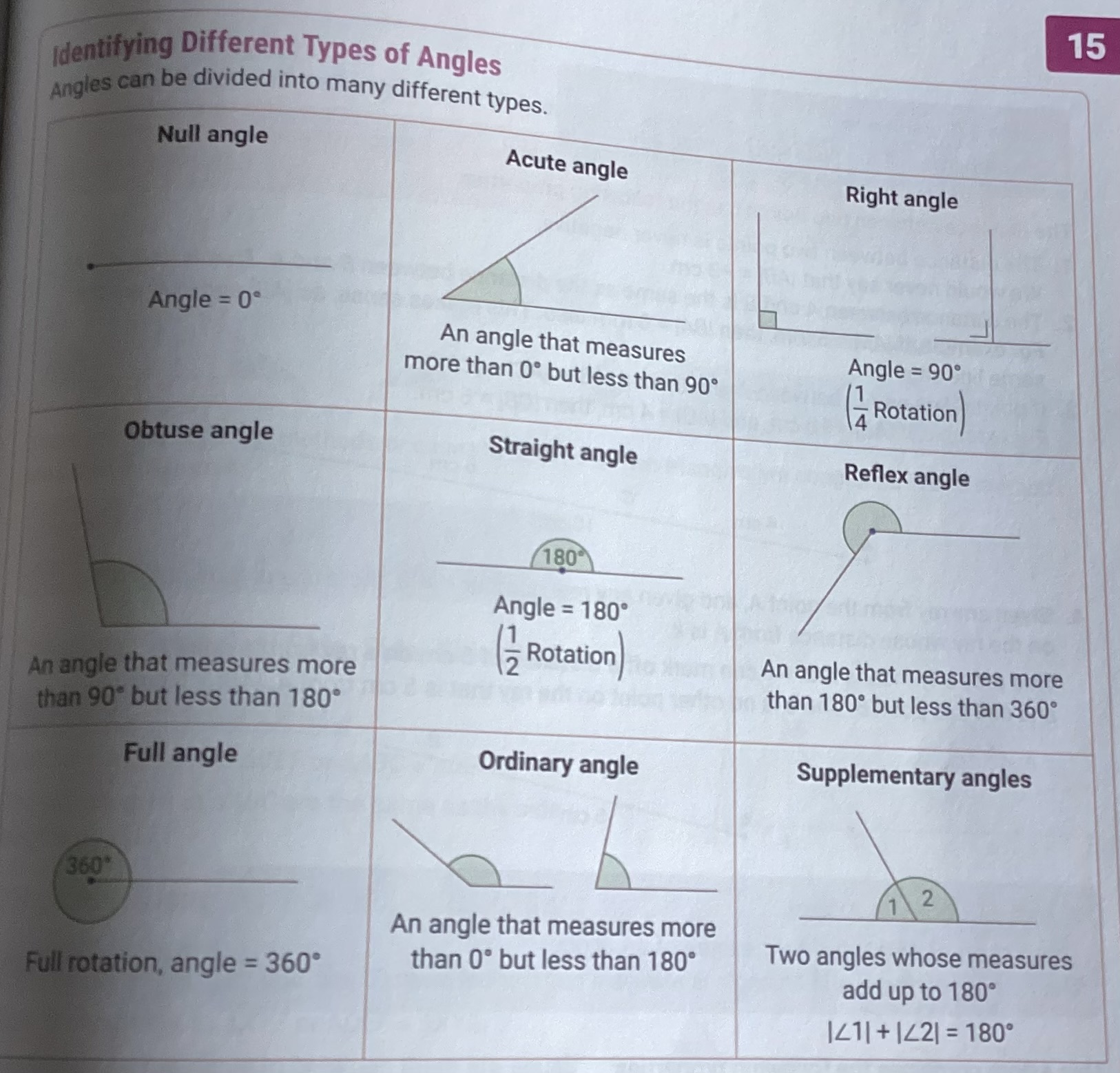
An angle is a meaure of rotation.
An angle is formed when two rays meet at a point called the vortex.
A null angle is 0 degrees.
Points that lie on the same line are called collinear points.
An scute sngle is more than 0 degreees but less than 90.
A right sngle is exzctly 90 degrees.
An obtuse angle is more than 90 degrees but less than 180.
A straight angle is exactly 180 degrees.
A reflex angle is more than 180 degrees but less than 360.
A full angle is 360 degrees.
An ordinary angle is more than 0 degrees but less than 180.
Alternate angles are on opposite sides of the transversal that cuts two lines but are between the two lines.
Corresponding angles are on the same side of the transversal that cuts two lines. One angle is between the lines and the other angle is outside the lines.
If we have two parallel lines then the corresponding angles formed by a transversal are equal.
If the corresponding angles are equal, the transversal has cut two parallel lines.
Lines
Perpindicular lines are at right angles to each other.
Parallel lines are always the same distance apart and never meet.
A line that cuts two or more lines is called a transversal.
If we have two parallel linesthen the alternate angles formed by the transversal are equal.
If the alternate angles are equal, the transversal has cut two parallel lines.
Triangles
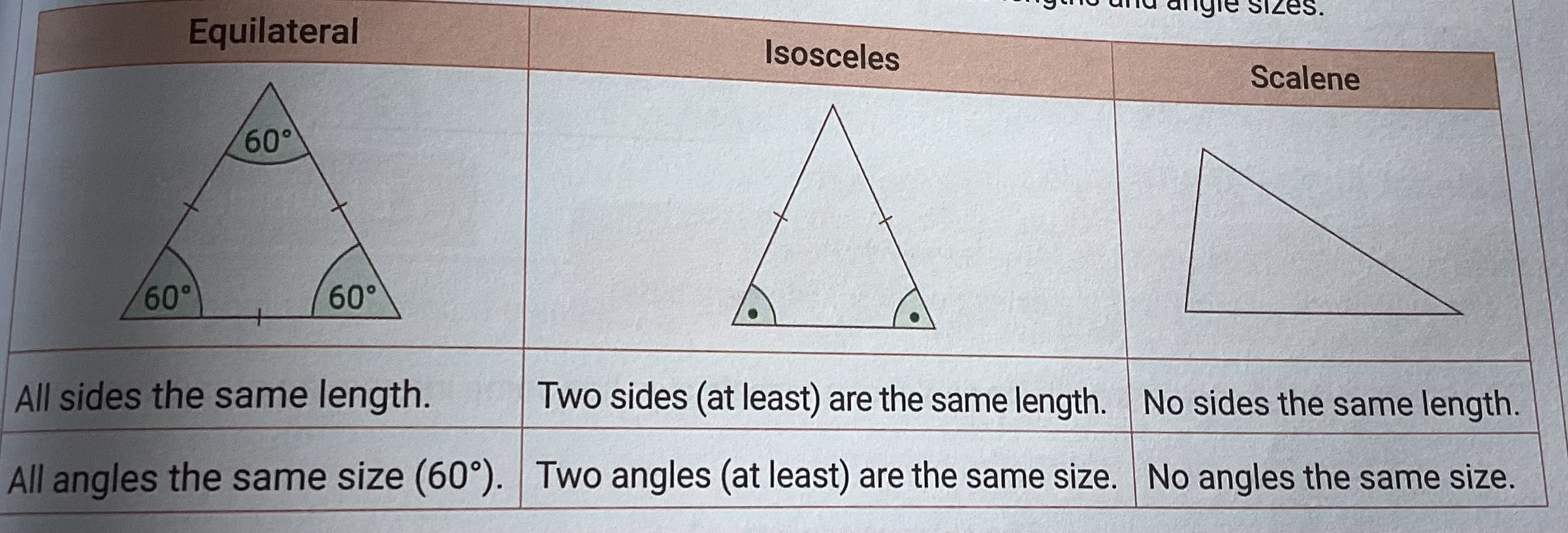
Types of triangles
The side opposite the right angle in a right angle triangle is the hypotenuse.
An exterior angle of a triangle is the angle between one side of the triangle and the extension of an adjacent side.
In similar triangles all three angles in one triangle have the same measure as the corresponding thre angles in the other triangle.
Congruent Triangles
Congruent triangles are triangles where all the corresponding sides and interior angles are eaual in measure.
SSS
Side Side Side
The side lengths are the same in two triangles
SAS
Side Angle Side
Two sides and the angle in between them are equal.
ASA
Teo angles and the side in between them are equal
RHS
Right angle Hypotenuse One other side
Circles
A circle is a set of points in a plane that are all the same distance from a fixed point its centre.
The radius is any line segment from the cenre ofnthe circle to a point on the circumference.
A chord is a pine segmnt from one point in the circle to any other point on the circle. A chord doesnt have to go through the radius.
The oength around the whole circle is called its circumference.
An arc is any part of the circumference of s circle.
A tangent is a line that touches the circle at only one point.
A sector of a circle is a region of the plane enclosed by an arc and the two radii to its endpoints.
A semicricle is half s circle whoses base is its diameter.
Corollaries
A corollary is a statement that follows readily from a previous theorem.
Corollary 2.
All angles at points of a circl standing on the same arc are equal in measure.
Corollary 3
Each angle in a semicircle is a right angle.
Corollary 4
If the angle standing on a chord at some point of the circle is a riht angle then its a diameter.
Axioms
An axiom is a statement that we accept as true without any proof.
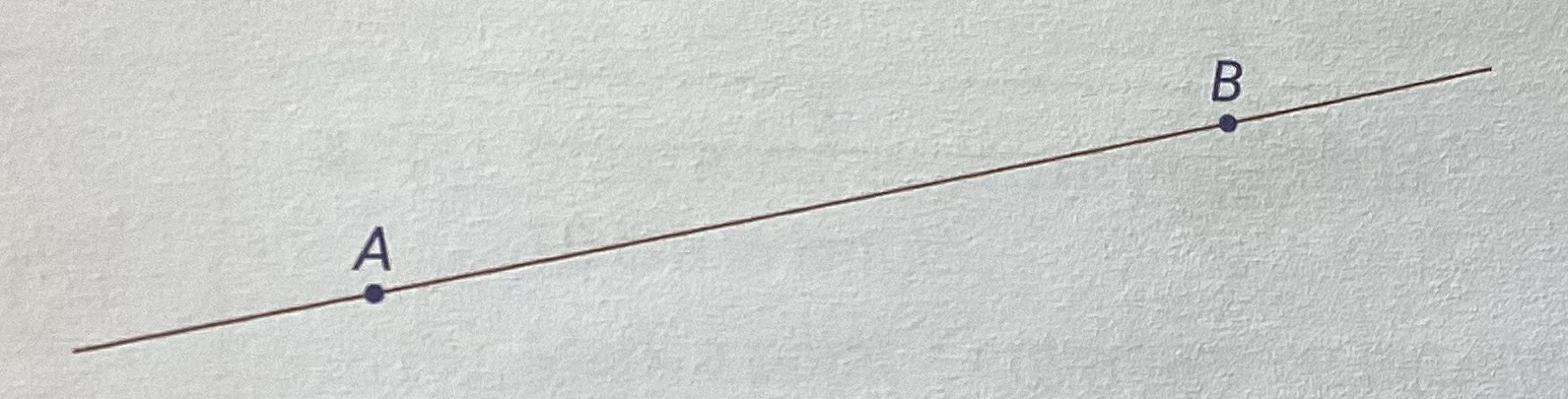
Axiom 1 (Two points axiom)
There is exactly one line through any two given points.
Axiom 2 (Ruler Axiom)
The properties of the distance between two points

Axiom 3 (Protractor Axiom)
The properties of the degree measure of an angle. The number of degrees in an angle is always a number between 0 and 360.
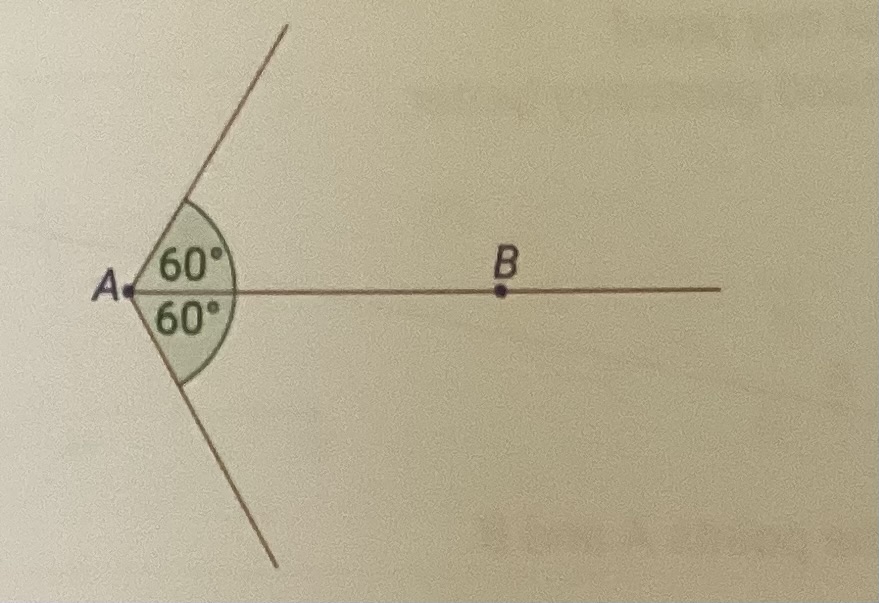
Axiom 4
Congruent triangles
Axiom 5 (Axiom of Parallels)
Given any line and a point, there is exactly one line through the point that is exactly parrele to the l
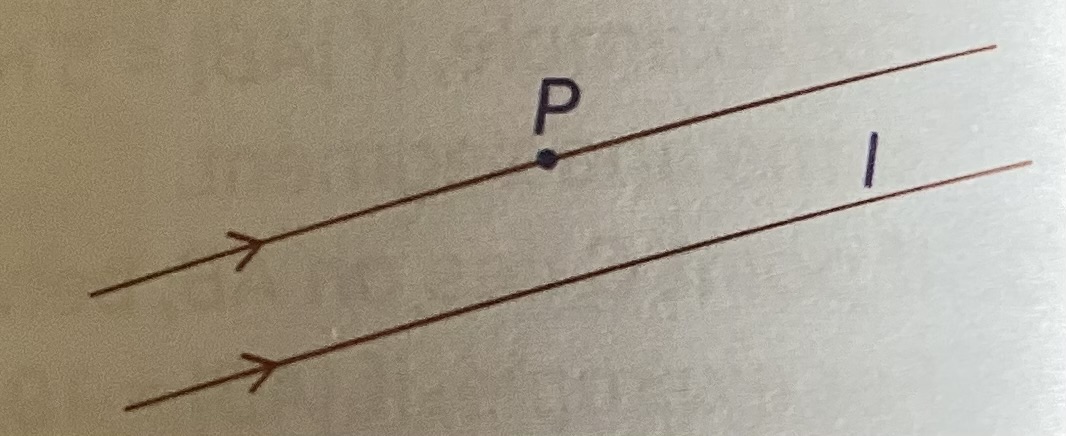
Axis of Symmetry
If an imaginery line can be drawn through a shape which divides the shape into two halves that are reflections of each other that they are symmetrical.
Transformations
A transformation is when the size or position of a point or shape is changed.
The point or shape we start with is called the object.
The transformed point or shape is called the image.
A translation is when a point or shape is moved in a straight line. A translation moves every point the same distance and in the same direction.
A central symmetry is a reflection through a point. The image will be upside down and back to front relative to the object.
An adial symmetry is a reflection in a line or axis.
A rotation transforms a shape to a new position by turning it about s fixed point called the centre of rotation.
Theorems
A theroem is a statement that may be proved by following a certain number of logical steps.
Theorem Terms
A proposition is a mathematical statement. It may be true or false.
Anproof is a seires of logical steps that we use to prove a proposition.
An axiom is a rule or statement that we accept as true whithout any proof.
The converse of a theorem is formed by swapping the order of the hypothesis snd conclusion.
Implies is a term we use in a proof when we write down a fact or a conclusion that follows from our pregious statements.
Theorem 1
Vertically opposite angles are equal in measure.
Theorem 2
In an isoceles triangle the angles opposite the equal sides are equal in measure, if two angles are equal in measure, then the triangle is isoceles.
Theorem 3
If a transversal makes equal alternate angles on two lines then the lines are parallel and converse.
Theorem 4
The angles in any triangle add up to 180 degrees.
Theorem 5
Two lines are parallel if and only if for any transversal the corresponding angles are equal.
Theorem 6
Each exterior angle of a triangle is equal to the sum of the interior opposite angles
Theorem 9
In a parallelogram, opposite sides are equal and opposite angles are equal.
Converse to theorem 9 :
For a convex quadrilateral, if opposite angles are equal then the auadrilateral is a parallelogram.
For a convex quadrilateral, if opposite sides are eaual then the quadrilateral is a parallelogram.
Theorem 10
The diagonals of a parallelogram bisect each other.
Converse to theorem 10 :
If the diagonals of a quadrilateral bisect each other, then the quadrilateral is a parallelogram.
Theorem 11
If three parallel lines cut off equal segments on some transversal lines, then they will cut off equal segments on any other transversal.
Theorem 12
Theorem 13
If two triangles are similar then their sides are proportional in order.
Converse to theorem 13 :
If the sides of two triangles are proportional then the two triangles are similar to each other.
Theorem 14 (The theorem of Pythagoras)
In a right angle triangle the sauare on the hypotenuse is equal to the sum of the squares on the other two sides.
Theorem 15
If the square on one side of a triangle is eaual to the sum of the squares on the other two sides then the angle opposite the first side is a right angle.
Theorem 19
The angle at the centre of a circle sanding ona given arc is twice the angle at any point of the curcle standing in the same arc.
Constructions
Construction 1 Bisector of a given angle
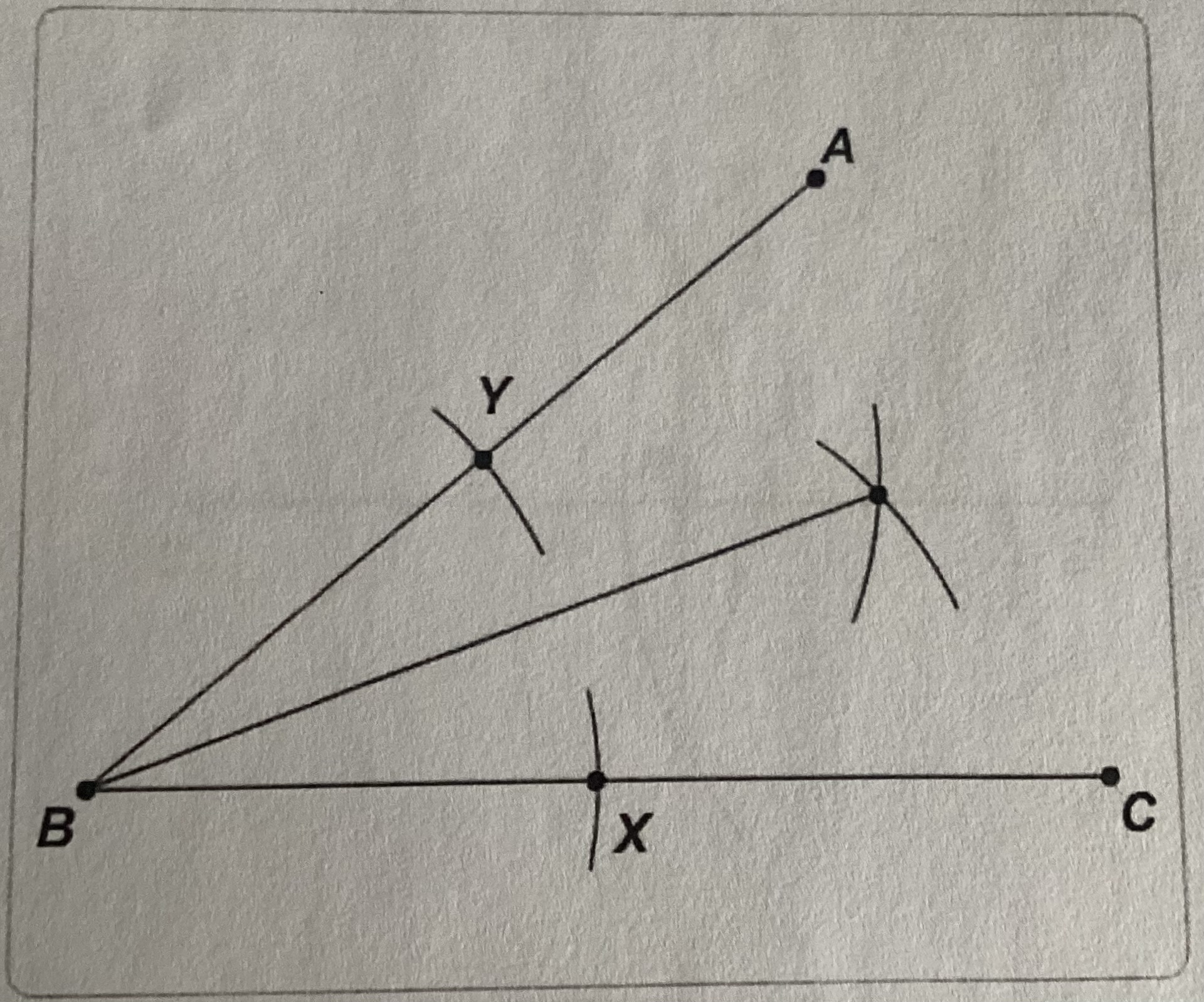
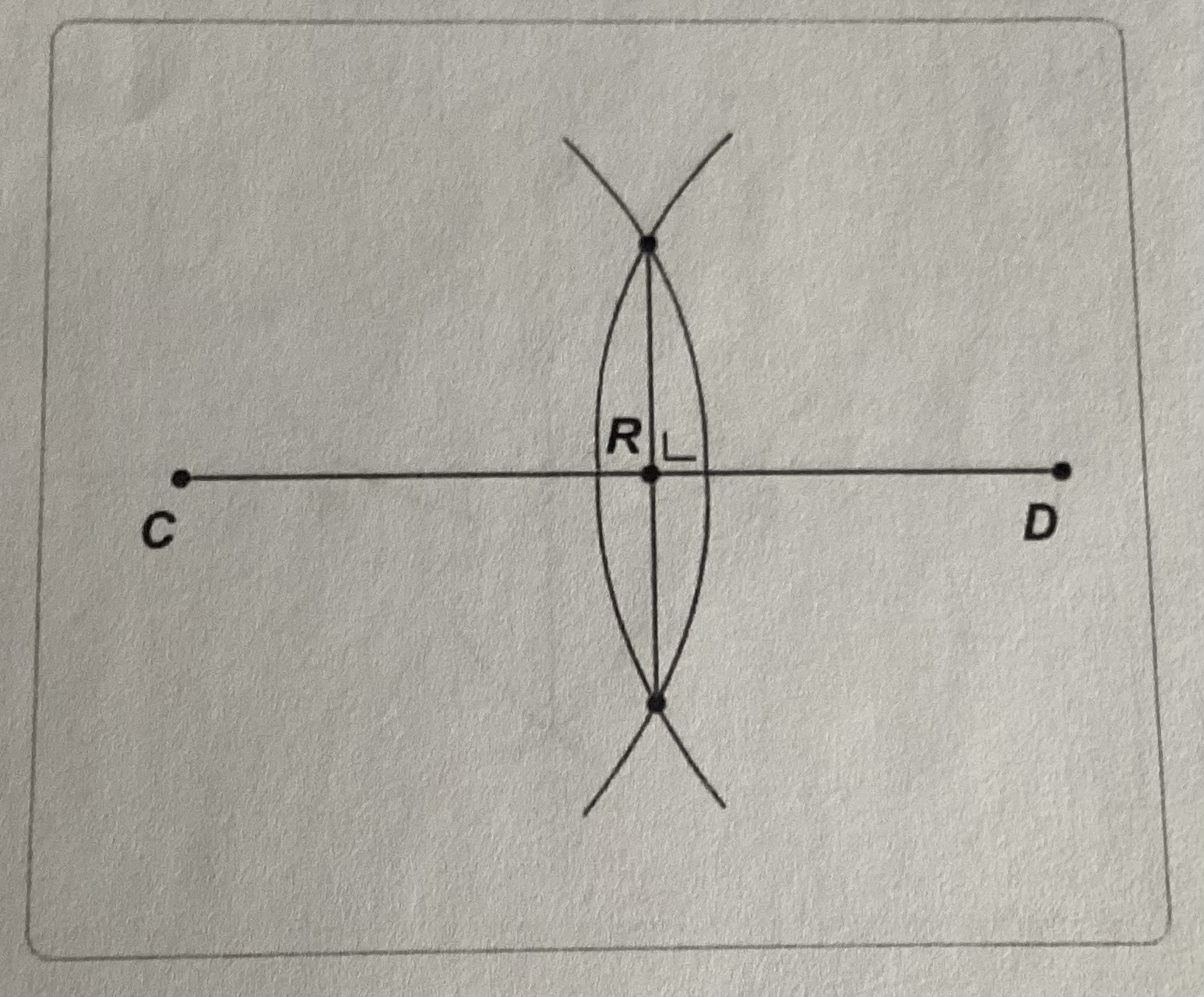
Construction 2 Perpendicular bisector of a line segment
Using C as centre and a compass width greater than half of CD draw an arc.
With the same compass width and D as a centre draw another arc.
Mark where the arcs meet.
Draw a line through these points.
R is the midpoint of CD.
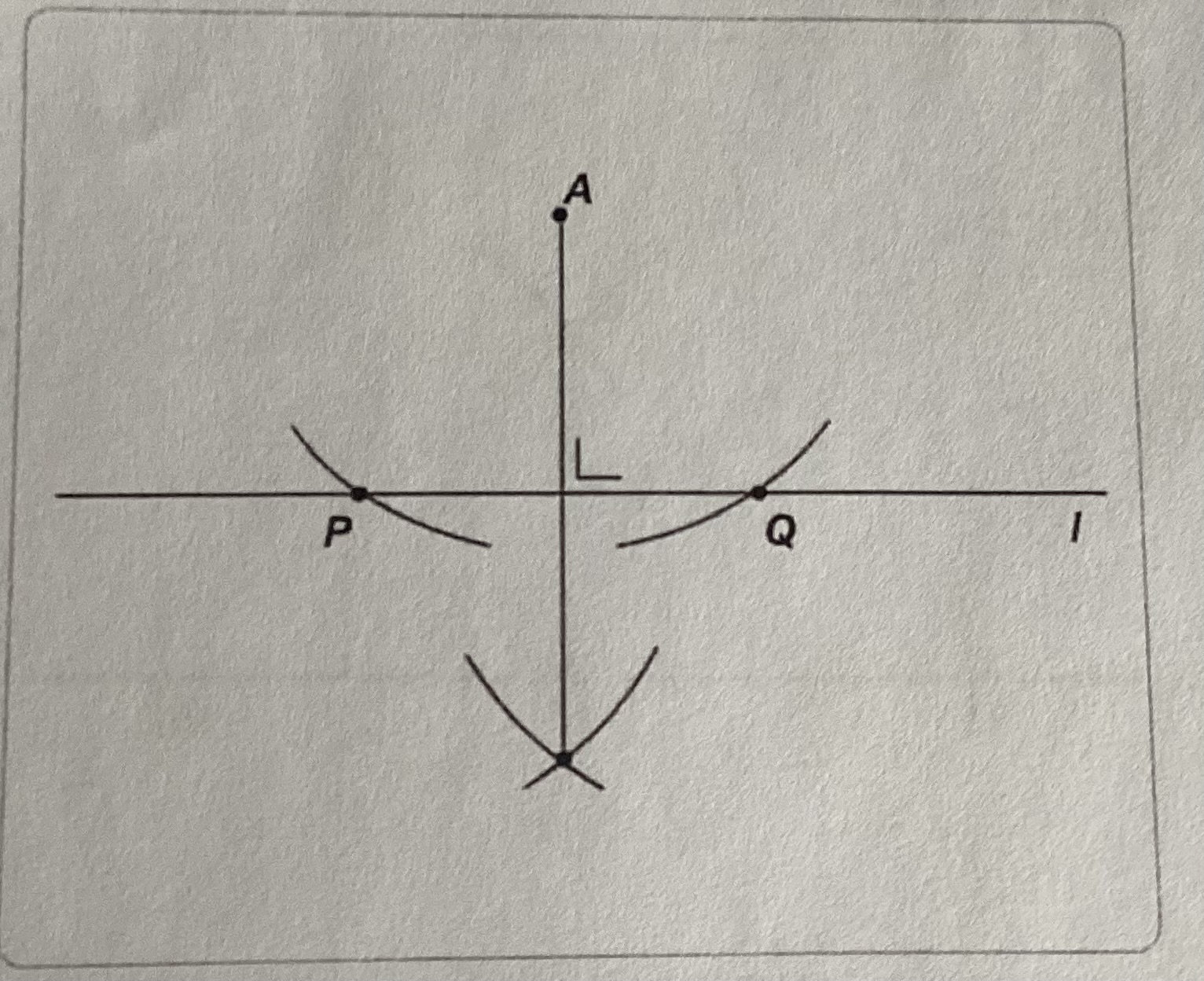
Construction 3 A line perpendicular to a given line l passing through a given point not on l
Using A as a centre draw arcs to cut l at P and Q.
Write P as centre and draw an arc below the line.
With Q as centre and the same compass width draw an overlapping arc.
Mark the point where these arcs intersect.
Join this point to A
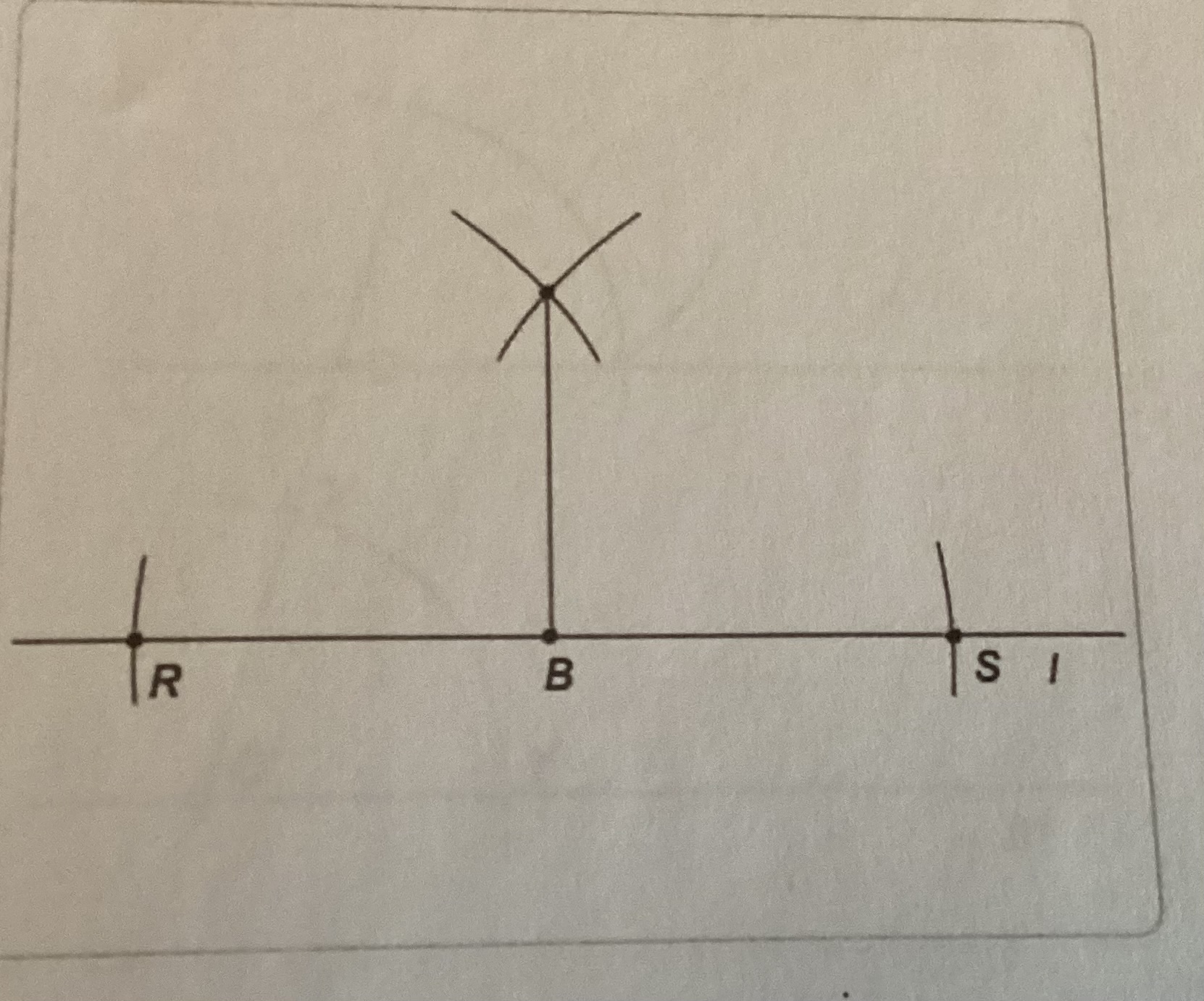
Construction 4 A line perpendicular to a given line l passing through a given point on l
Using B as centre draw arcs to cut l at R and S.
With R as the cntre draw an arc above the line.
With S as centre and the same compass draw an overlapping arc.
Mark ths point ahere these arcs intersect.
Join this point to B.
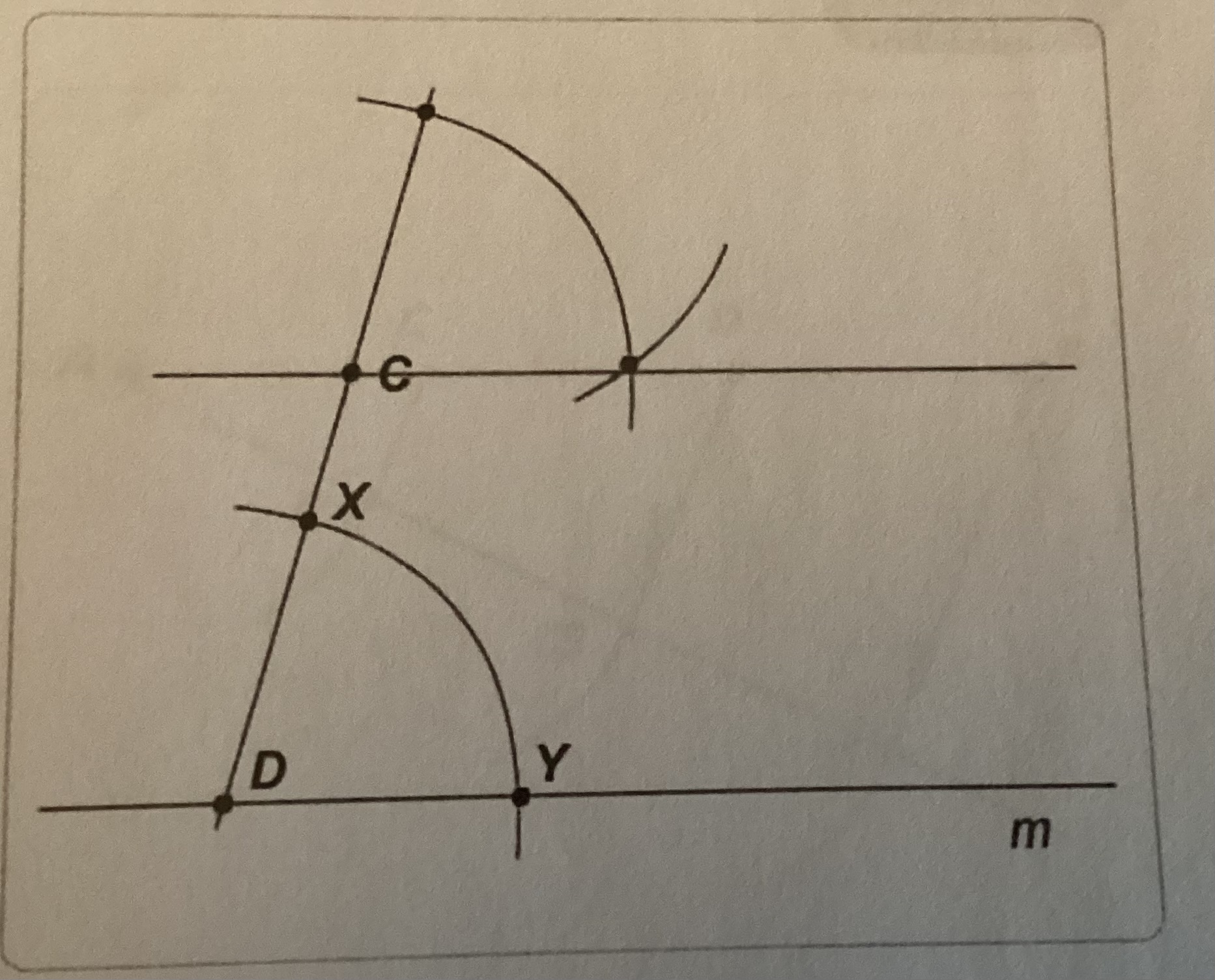
Construction 5 A line parallel to a given line passing through a given point
Draw a line through C to cut the line m at D.
With D as centre and a compass with less than DC draw an arc across both arms.
Label the intersections as X and Y
With DX as compass width and C as centre draw an arc.
With XY as compass width and the top arcs intersection as centre draw an arc.
Mark the point where the arcs meet.
Join this point to C
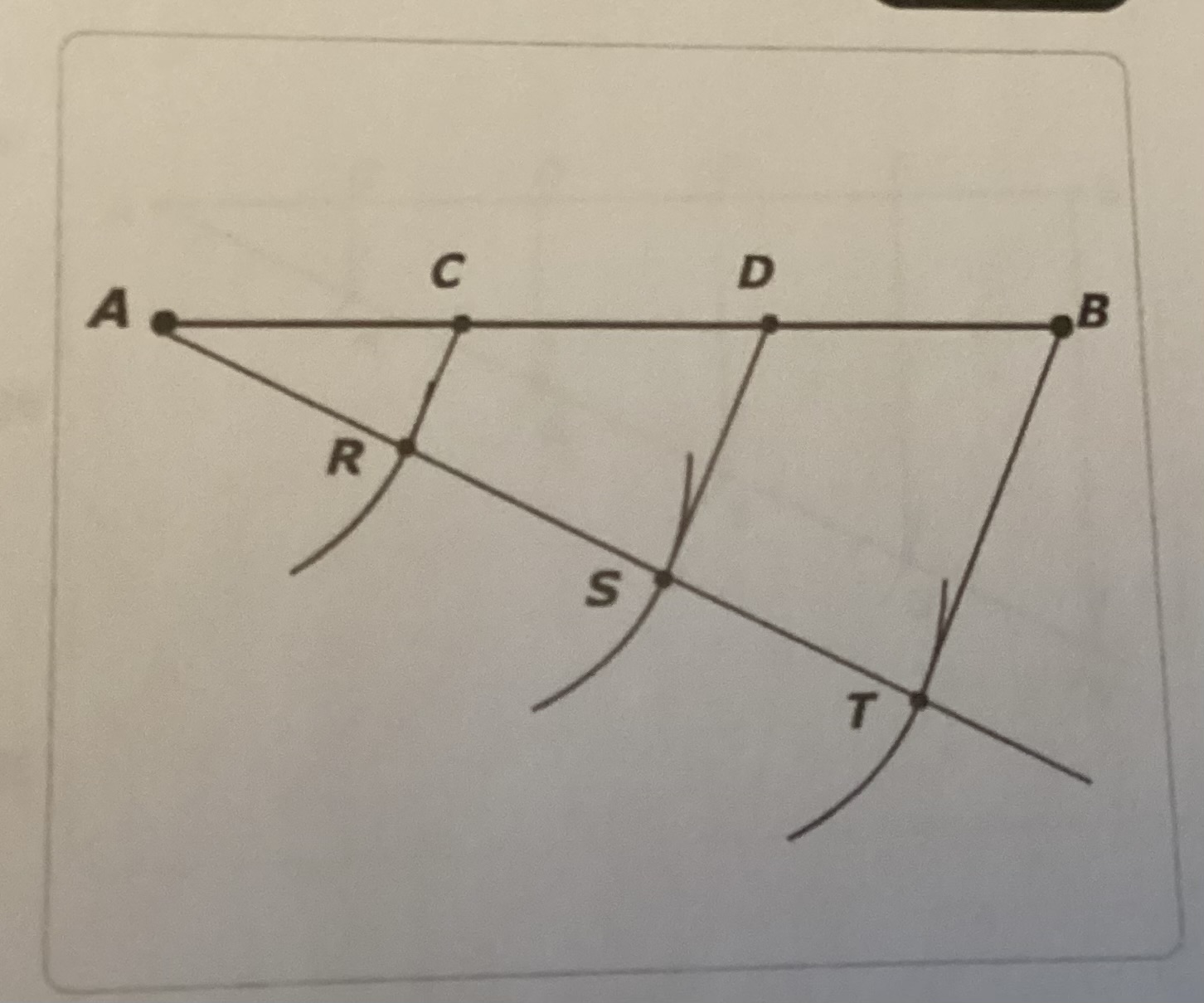
Construction 6 Division of a line egment into two or three equal segments without measuring it.
From A draw a ray at an acute angle to AB.
Starting at A mark off equal segments along the ray.
Label the points of intesection of the arcs and ray Label as C and D ths points where these lines cut AB. AC = CD = DB.