CVs and Interviews
CV Types
Reverse Chronological CV | Skills Based CV |
Reverse chronological account of your education and work experience (latest first) | A focus on the core skills and competencies you have and how you intend to use them |
Sells your track record through education and work history. | Utilises a personal statement which covers which sector or role you plan to work in |
Focuses on recent educational achievements so suits recent graduates with less experience | Suits those with more experience and transferable skills for the workplace |
Traditional style which suits most employers and you can still pick out parts of your degree that you feel are most important | Sections are separated by skills and the evidence you have of this skill e.g. technical or digital skills 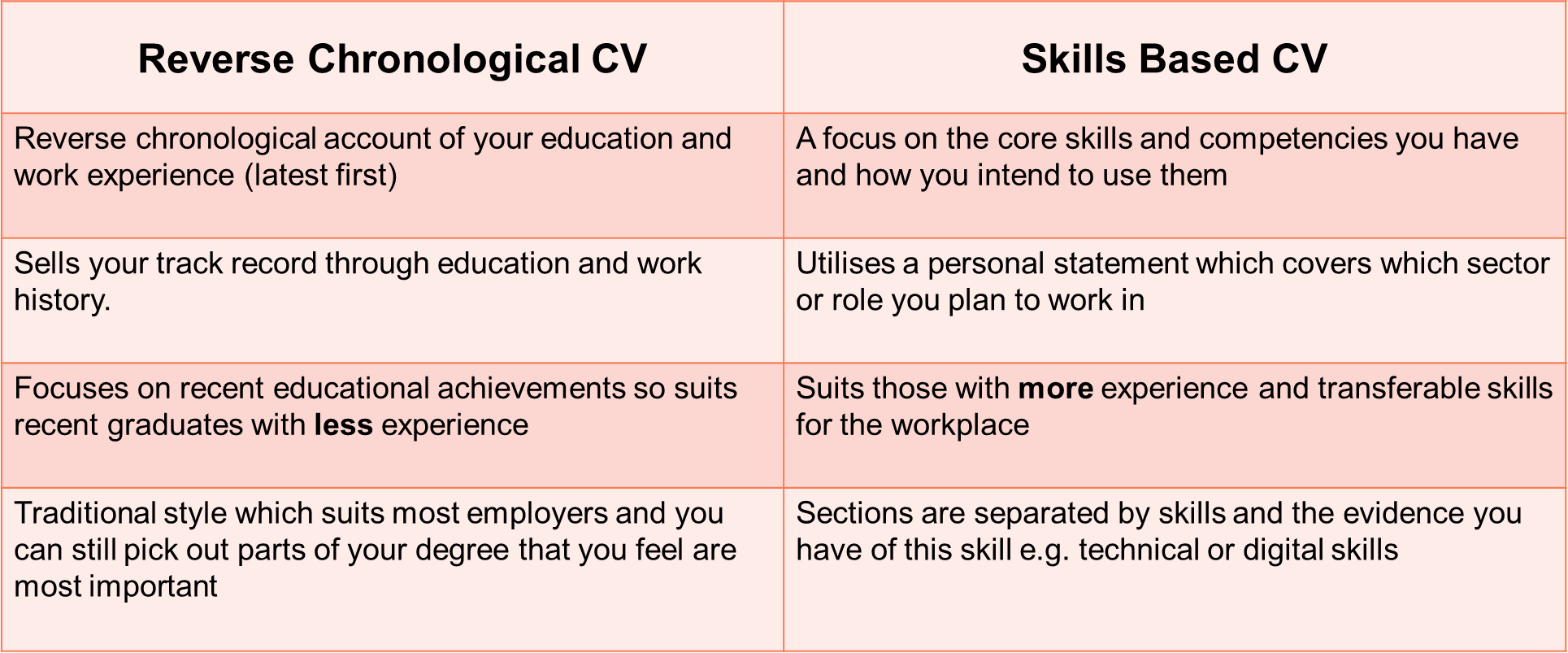 |
CV Content
Check the organisation’s website in case there are any particulars that they like to see.
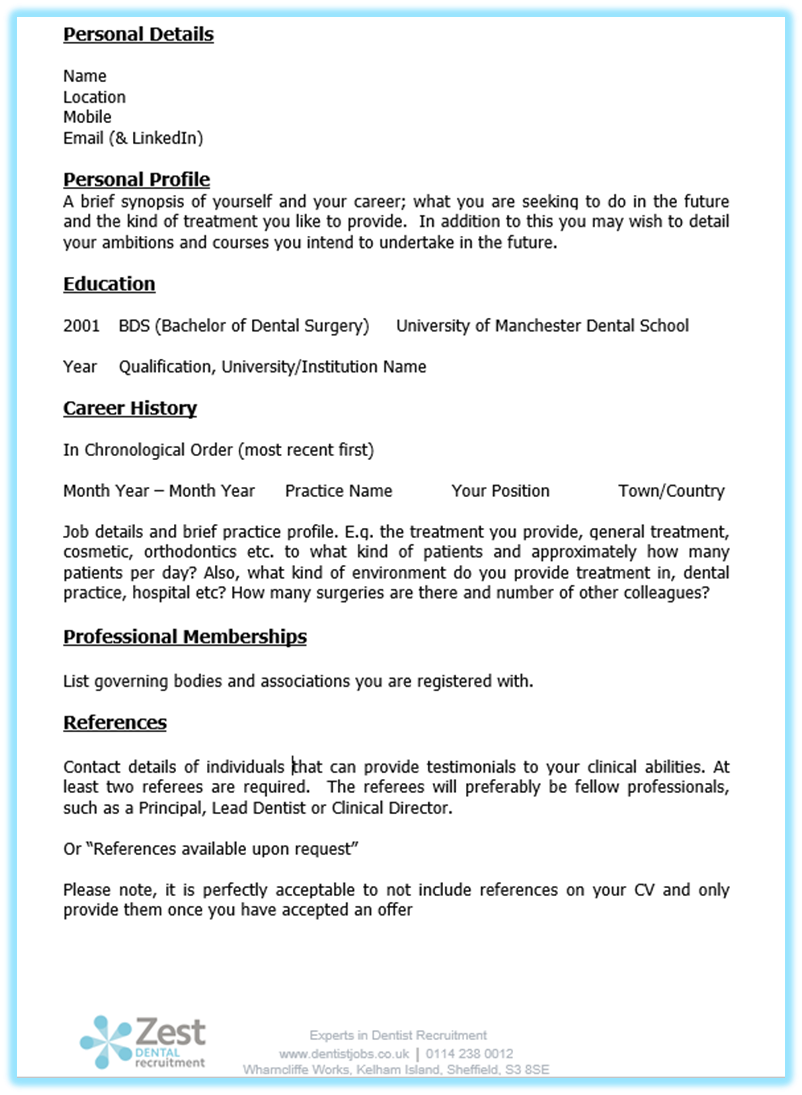
Most CVs require:
•Personal Details
•Personal Profile
•Education & Training
•Work History/ Experience
•Professional Membership
•References
Tailoring Documents
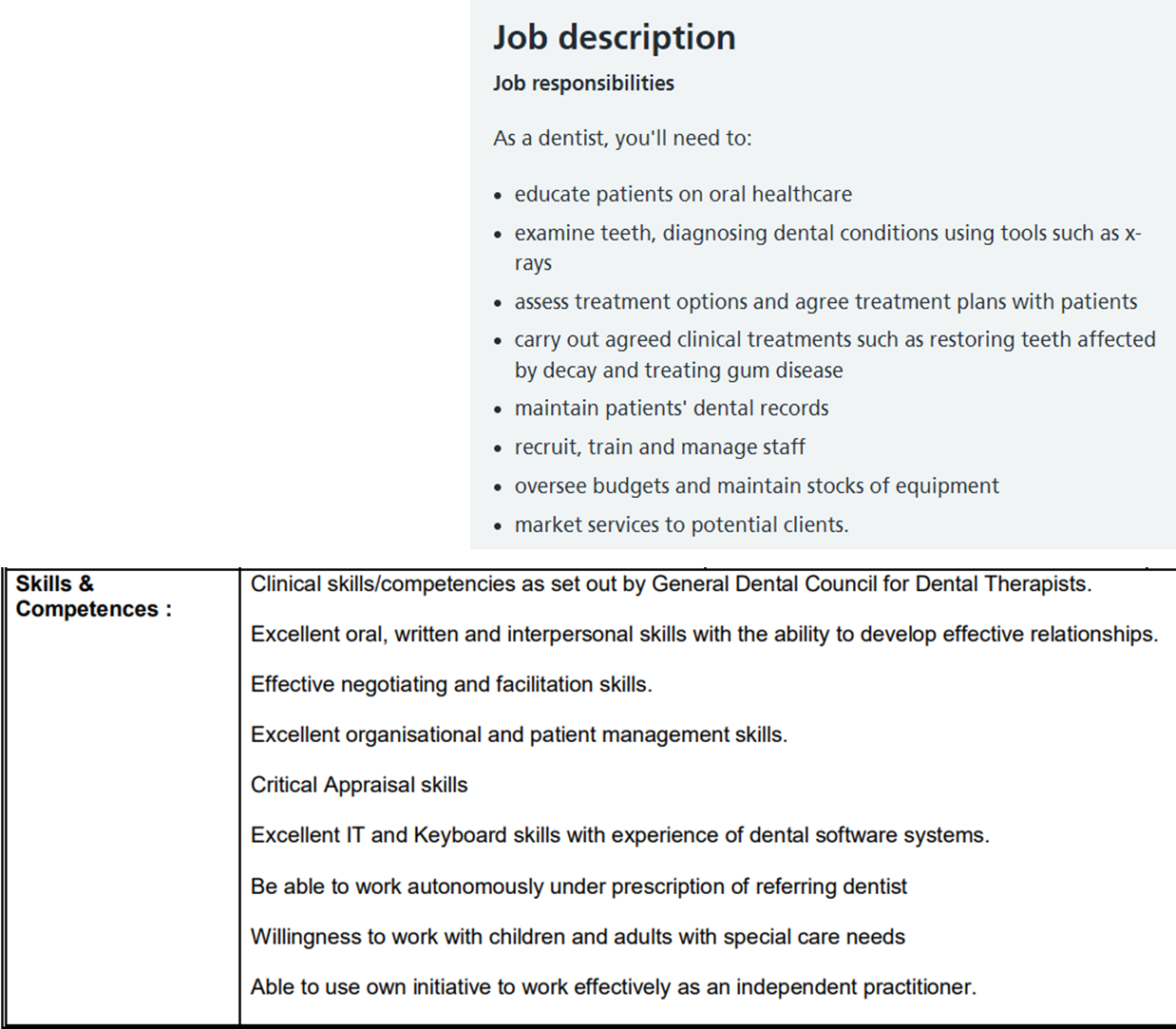
You can tailor the skills on your CV and cover letter to align with those on the job description and person specification.
This allows you to give examples of when you have used these skills, so that it is clear to the employer that you fit their needs.
You can find more support to create a strong CV on Handshake, as well as cover letter guidance and templates.
Take your CV and Skills Online
LinkedIn provides you with a profile to share your achievements and experience with a huge array of employers. You can also search alumni from your course and make connections with people who inspire you. It’s almost like an online version of your CV.
•Work Experience
•Volunteering Experience
•Extra- Curricular Activities
•Education – Modules etc.
•Online courses/training
•Values and Motivations
•Commercial Awareness
Interview Confidence
There is no secret to great interviews- it is all practice, preparation and being able to confidently articulate your skills and strengths to the employer.
It can be difficult to know where to start but just like with your CV and cover letter, your interview prep should centre around the skills required on the job description and person specification.
If they are looking for excellent communication skills and someone who can use their initiating in the job advert, it’s likely they will ask you about those skills at interview.
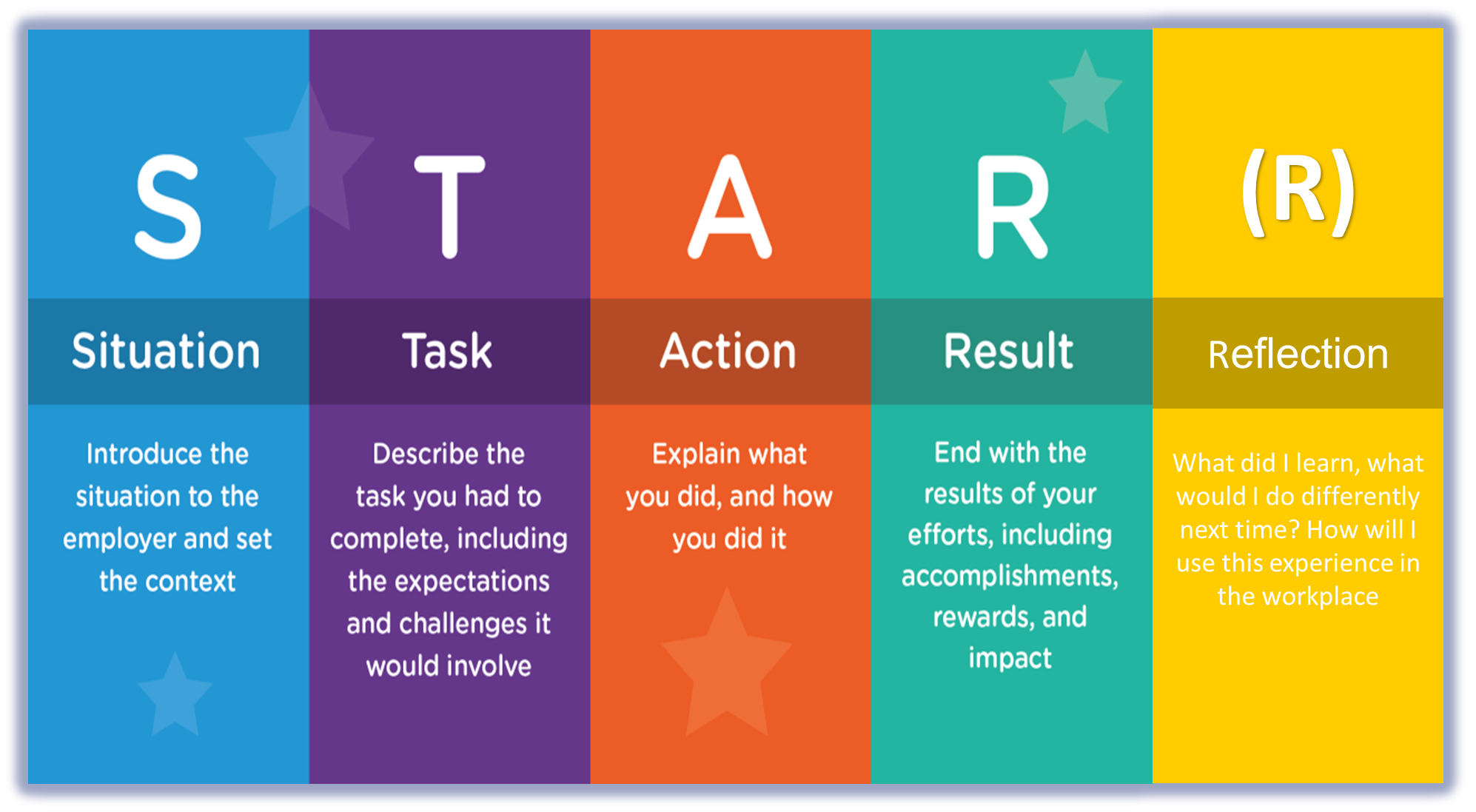
You can practice interview answers ahead of time by using the STARR method
Interview Top Tips
There are a number of question types that employers may use during an interview. Looking into these and consider how you might answer:
Motivation | •Why did you choose this career path? •Why do you want work in this organisation/ practice? •What attracts you to this job role? •Where do you see yourself in five years time? |
Knowledge Based/Technical | •Describe how you might educate patients on good oral care. •How might you support a nervous patient? •What would you need to consider when supporting patients with additional needs? |
Competency Based | •Describe a situation when you have had to adapt your approach to achieve positive results. •Give a specific example of a time when you used good judgment and logic to solve a problem. •How do you show initiative in the workplace? |
Values Based | •Can you think of an example of an occasion when you have made a patient or carer feel valued? •What does a commitment to quality of care mean to you and how would you go about demonstrating it in this role? •What do you know about the governance/ audit processes? |
Sector/Commercial Awareness | •What technological advances in the provision of dentistry/ dental therapy interest you and why? •Tell me what you know about the practice/ organisation and the services we offer. 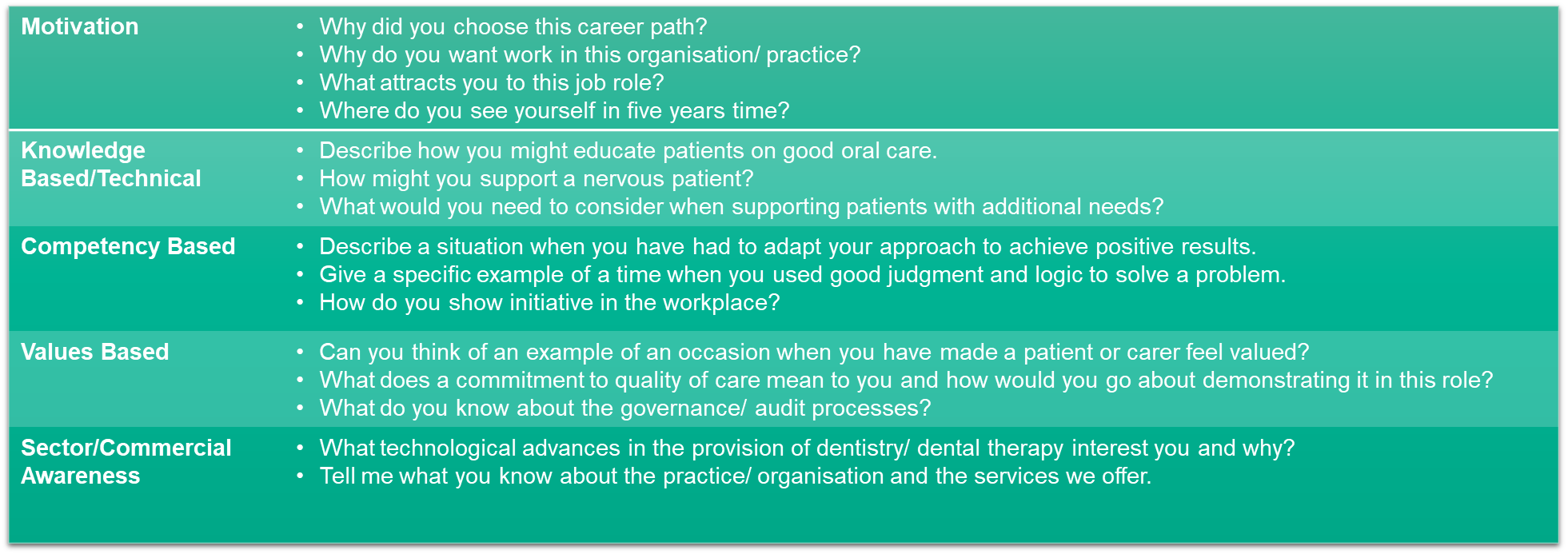 |
In Summary
•Consider which CV style suits you/ the employer best
•Ensure that all application documents are tailored to each role
•Consider a LinkedIn profile to connect with employers
•Prep for interviews by using the STARR method to articulate your skills
