Lab J
Lecture Quiz 1:
Question:
In the Skills Review Lab (Lab J)
I need to participate fully the whole 2 hours 50 minutes to get credit
Feedback & Reflections
Due on wednesday of week 10
I have done my mini-presentation already
No
I need to take the LS7L final
in person during my individual signed up time slot
Notes:
Lab Skills Review: wow
d
Group Exam (20 points)
Meet with group and its due on friday at noon
20 questions
geared towards discussion
Individual Exam (80 points)
45 minutes and 40 questions
4 questions per topic (lab)
Beta Gal Assay (week 3)
Lecture Quiz 2:
Questions:
-
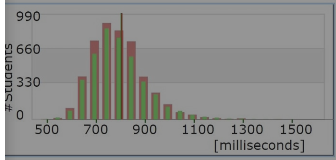
In the graph, is the data parametric or non-parametric?
Non-parametric, because the data is skewed
right skewed
If the p value is smaller than 0.01?
We reject the null hypothesis
Do you think this hypothesis is specific and testable?
The null hypothesis is that heavy alchohol use has no effect on cognition. The alternative hypothesis is that there is a significant difference in cognition between those who use alcohol heavily and those that dont".
Is neither specific nor testable
Is not specific in the amount of alcohol consumed cause what is heavy use perceived as here? And is not stating how cognition is measured like is it short term or long term.
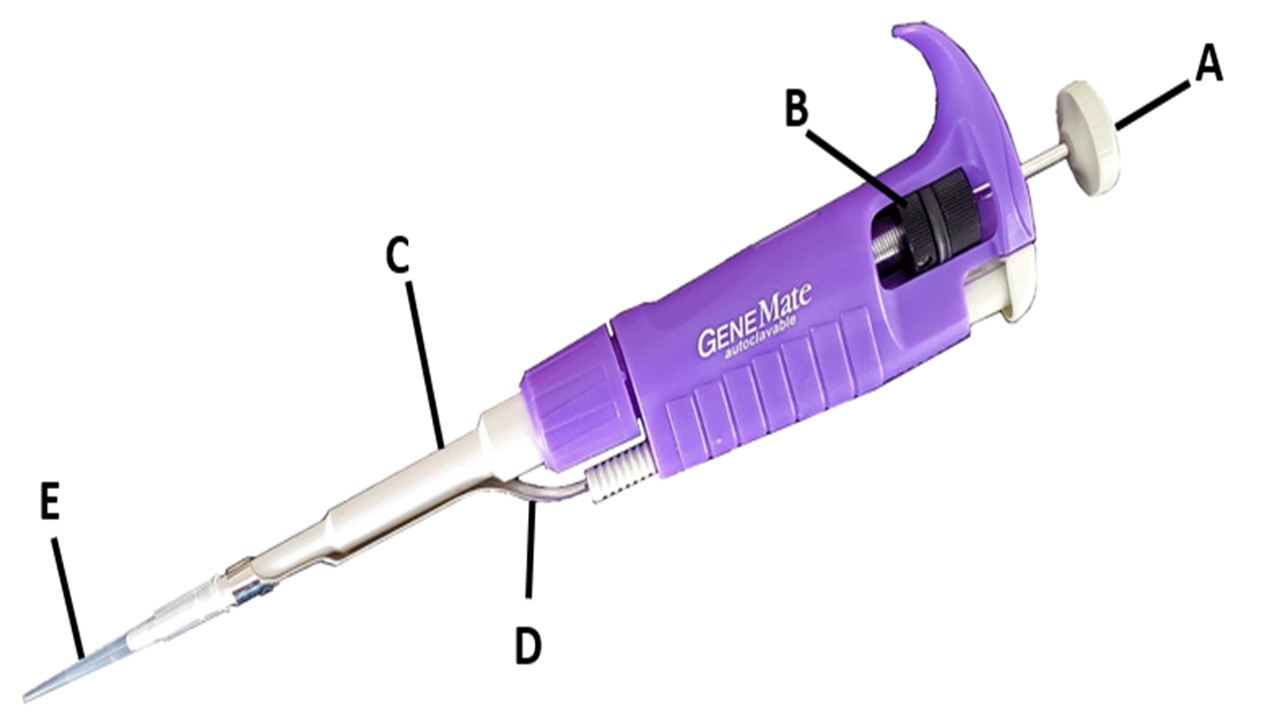
The Disposable tip
You want to pipette a volume of 250 microliters? What type of pipette do you use?
P1000
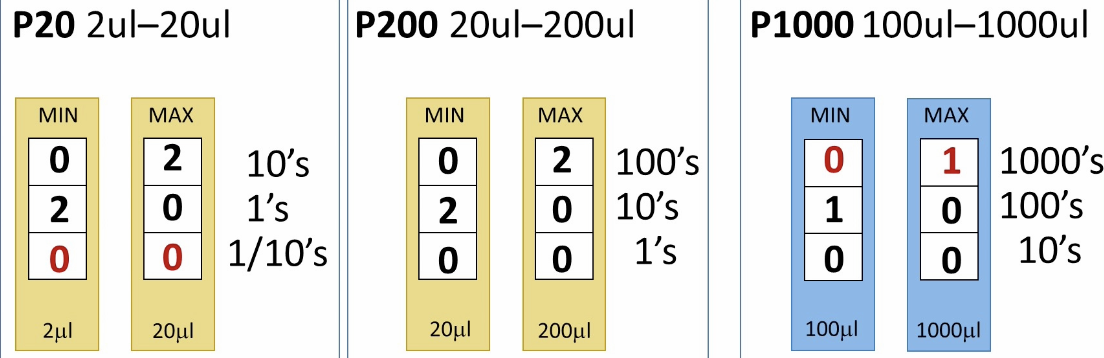
For the following window shown:
What type of pipette does it belong to?
And what volume is it set to?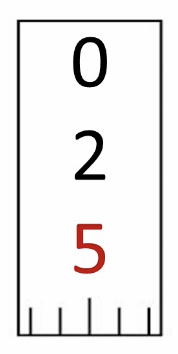
P20 and 2.5
remember that the p 20 has the red on the bottom and the p1000 has the red number on the top portion
What is the infection rate in this image?
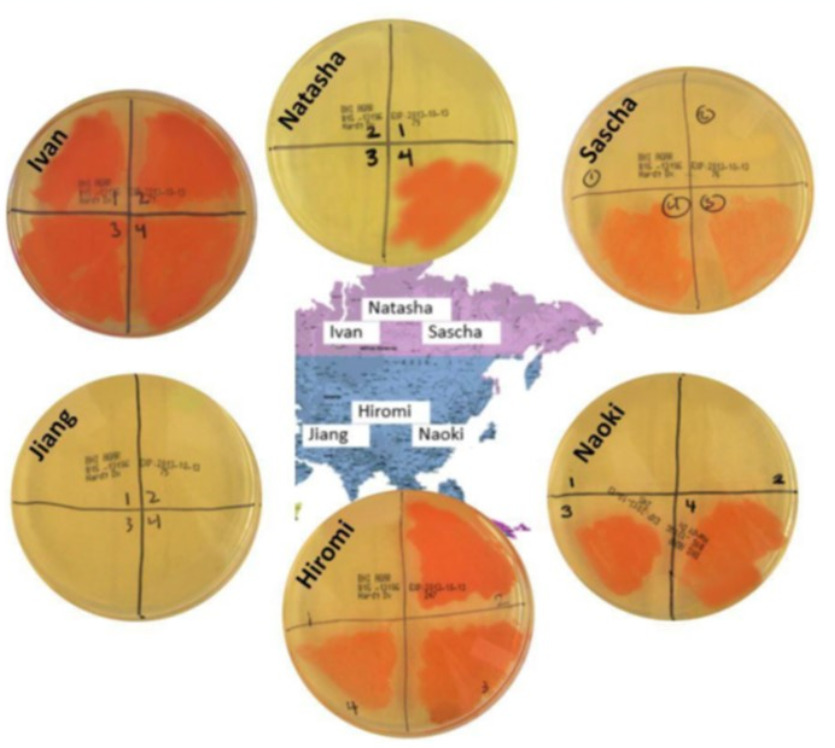
5/6
The Lac Repressor?
Falls off the lac operator when lactose is present
When the lac repressor falls off the operator ...
RNA polymerase binds to the promoter and begins transcribing the lac operon genes.
What is the purpose of ONPG in this lab?
Substrate that gives a yellow color when cleaved
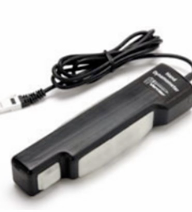
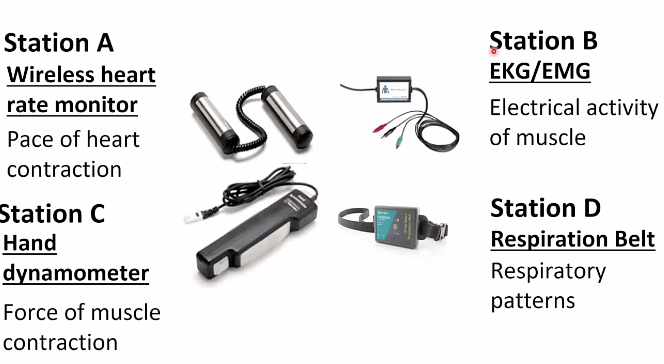
Which of the following is the correct function of the sensor pictured below?
The sensor measures the force with which you can grip or pinch an object.
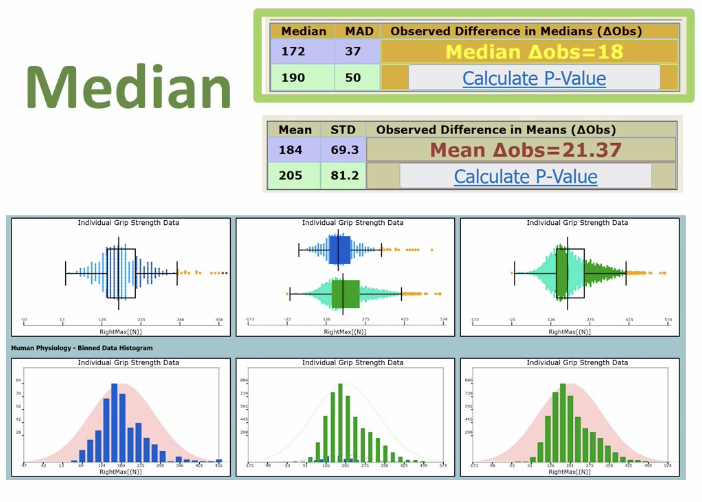
Considering the data in the graph. Which summary measure (Mean or Median) would be most appropriate to use in your resampling simulation and why?
The median, because the data is right skewed.
In a boxplot, which of the following statements accurately describes how suspected outliers are typically identified?
Any data points that lie more than 1.5 times and less than 3 times the interquartile range (IQR) below the first quartile (Q1) or above the third quartile (Q3). Because we have upper and lower fences that will help identify outliers
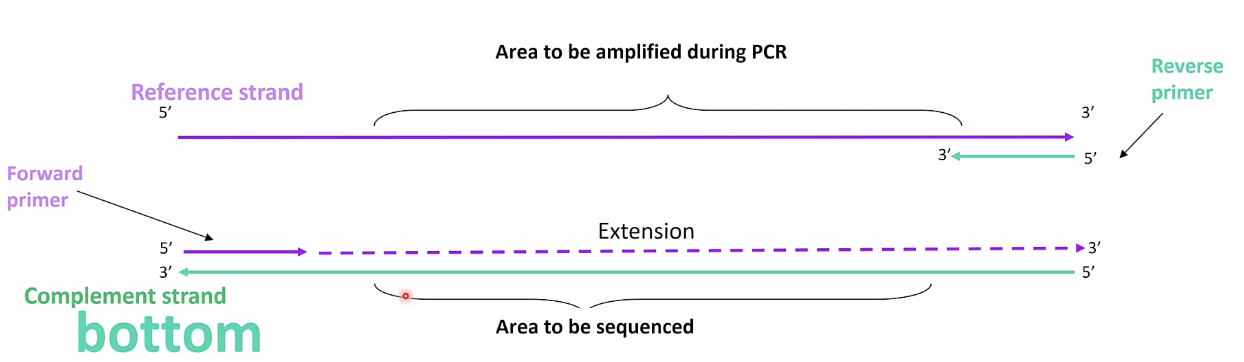
Which strand of the DNA (top or bottom) will the forward primer hybridize to during the PCR reaction?
Bottom Strand
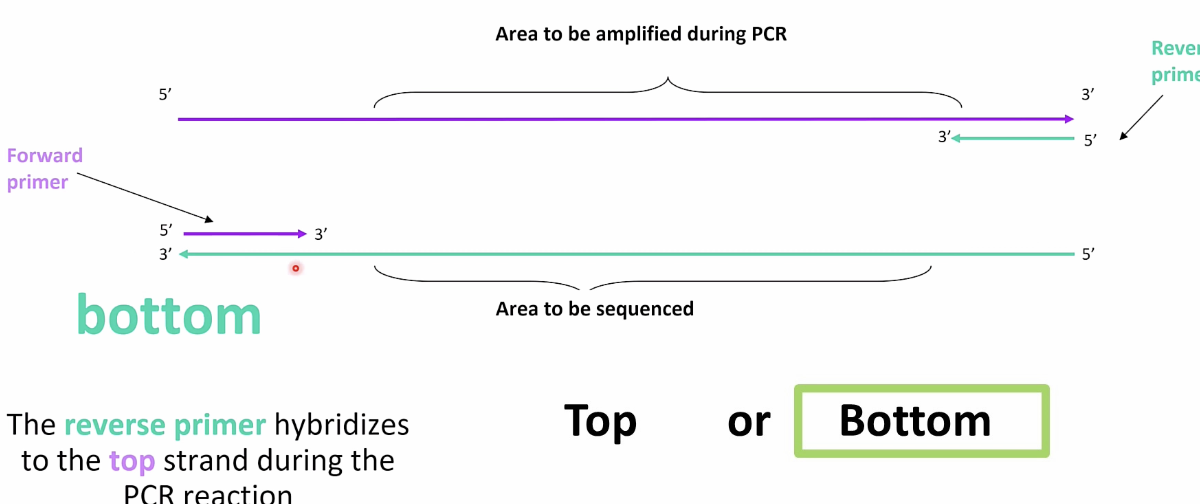
The forward primer binds to the Complement strand
and extends in the 5' to 3' direction.
What mutations do you expect to find in someone with haplogroup x?
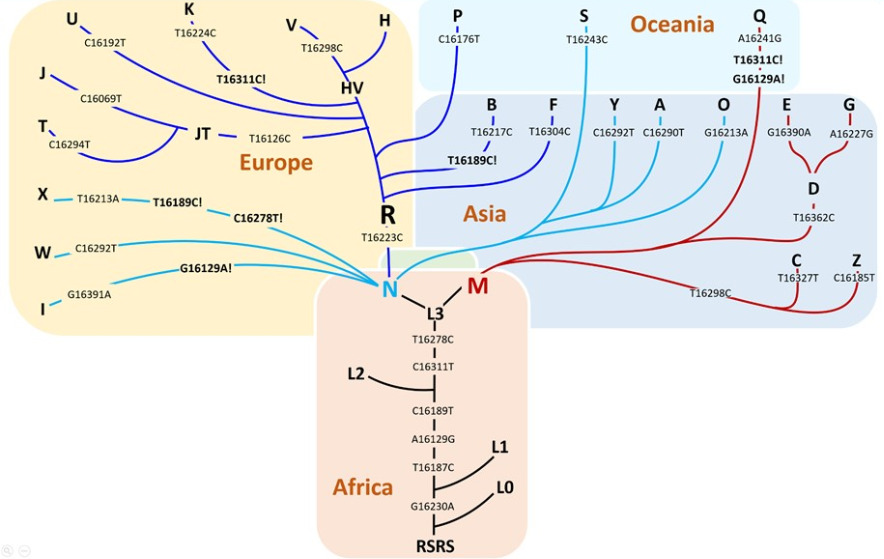
C16311T
Concerning Label 2. What is it indicating?
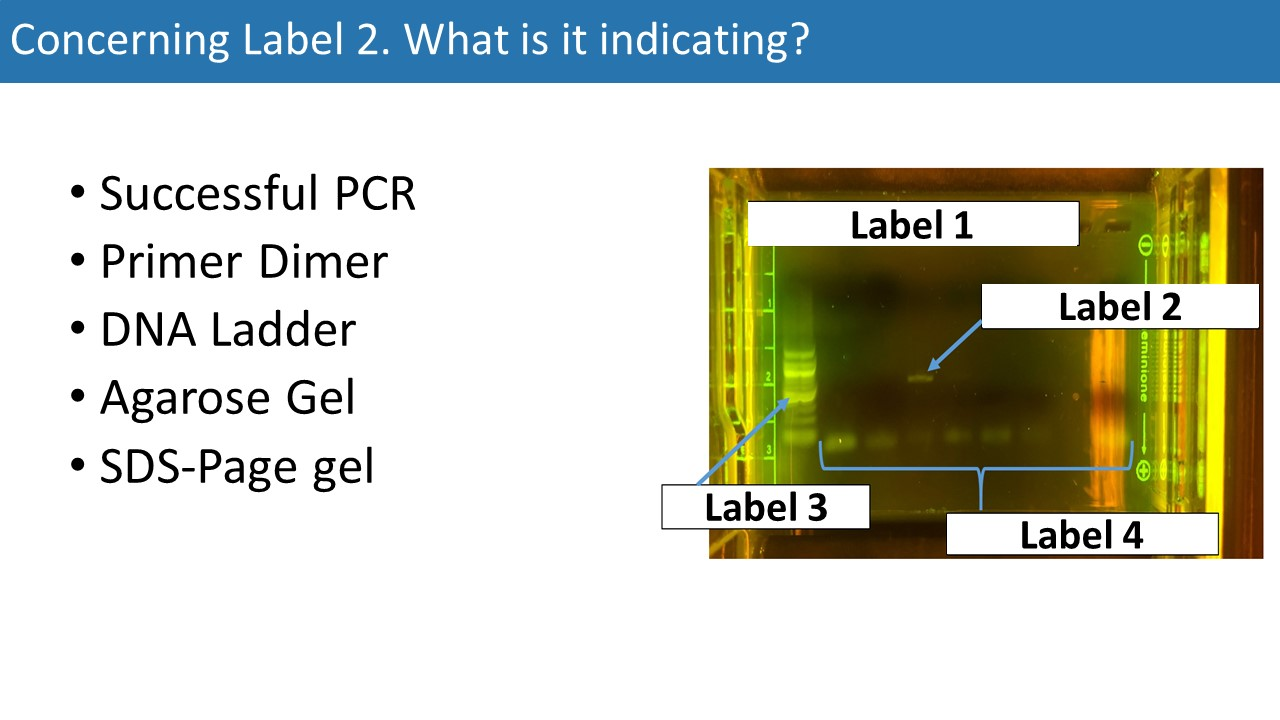
Successful PCR
Use the provided information to answer following question.
Standard curve equation based on your protein ladder: MW = 345x^(-1.235)
A measured at 5.5 cm
B measured at 10.5 cm
C measured at 14.1 cm
What is the Molecular Weight (MW) of A, B & C?
Drag the MW into the correct boxes
Subunit A is 42 kD, Subunit B is 19 kD and Subunit C is 13 kD
Total molecular mass of your unknown protein (determined via gel filtration): 106 kDa. There are three subunits with A=42kD, B=19kD and C=13kD. What is the protein composition of this protein?
Drag the number of subunits into the correct boxes
The protein is composed of 1 subunits of A and 2 subunits of B and 2 subunits of C.
Notes:
Lab A (The MIT)
introduced the scientific method
calculating p value from random sampling
pubmed
working with the online database
Lab B (Epidemiology & Lab Techniques)
Introduction to pippettors
Handshake Exercise
Introducing all lab materials
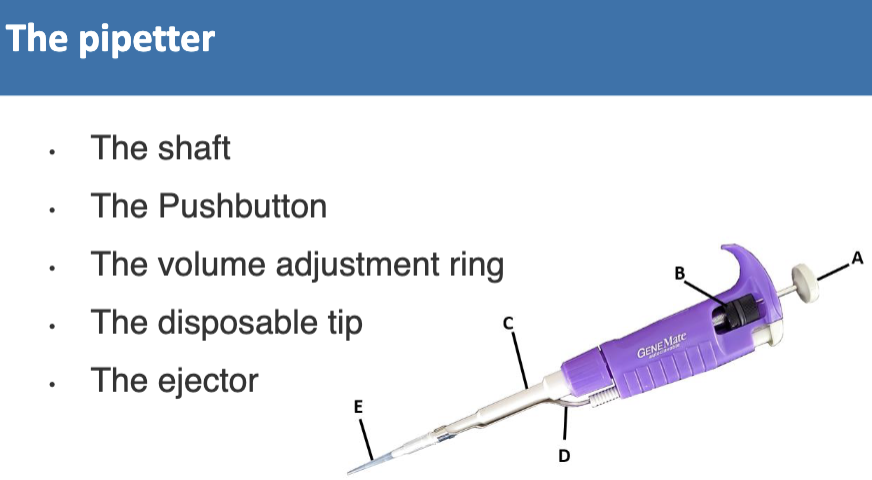
A: The push button
B: The volume adjustment ring
C: The Shaft
D: The ejector
E:Disposable Tip
Pipettes
P1000
100-1000 microliters
large blue tips
P200
20-200 microliters
small yellow tips
P20
2-20 microliters
small yellow tips
Lab C (Beta Gal Assay)
lac repressor is bound to the operator and prevents transcription
When lactose is present then the repressor will fall off
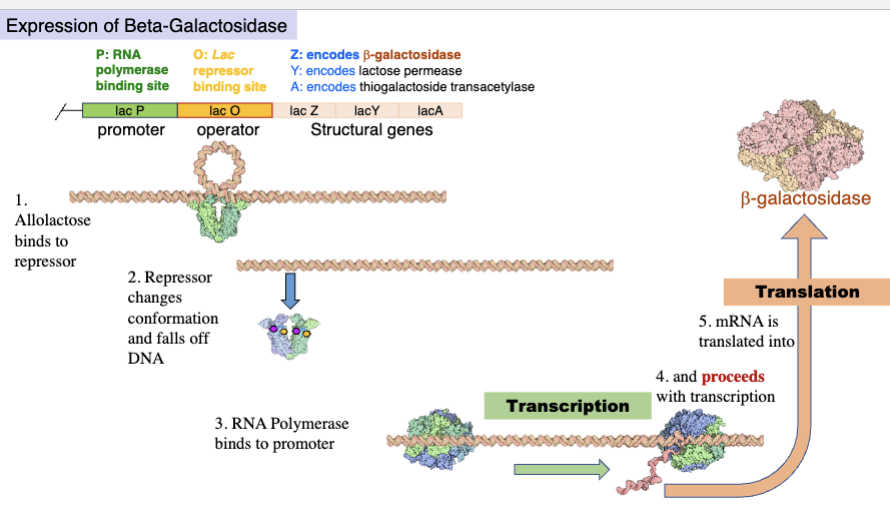
When the cells were opened then the ONPG acts as a substrate for beta gal
we were measuring the yellow color in the tube
Lab E (DNA Isolation)
Back mutations are not found in the individuals
Lab F (Gel electrophoresis)
Primer Dimers are very small
A 42
B 19
C 13
When working with identifying the protein compostion make sure to plug in the measurement into the equation that was calculated for the graph
Lab G (Metabolic Pathways of Algae)
LabManual:
B-gal – What is an experimental control and why did we include one in the beta-galactosidase assay?
An experimental control serves as our baseline of an experiment as it functions to measure the independent variable without any other influences from variables that will be incorporated in the experiment. The results provided by the control could be used as a reference when interpreting the results from the experimental trial. In the beta- gal assay lab our goal was to measure the activity of the beta gal in e.coli cells through measuring product synthesis of glucose over a given amount of time using ONPG in different substrate conditions. We included an experimental control in this experiment, made up of only 4 mL of luria broth and no sugar, in order to determine if there was a change in the products synthesized by the beta- gal in the luria broth with glucose and in the luria broth with lactose. By using an experimental control we could answer the questions of the lab and determine under which conditions beta-gal activity was the highest, if beta-gal could be synthesized by e.coli when sugar was not present in the substrate, and if there was a time component to the beta-gal activity.