Speed
Speed is the rate at which something changes - can be anything.
It’s a change of distance over a set amount of time.
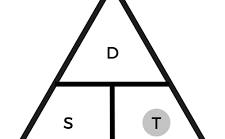
The formula for speed is Distance / Time , where distance is measured in units such as meters or miles, and time is measured in seconds or hours.
Speed can also be affected by various factors such as acceleration, friction, and air resistance, which play significant roles in physical systems.
Instantaneous speed: Your speed at one exact moment in time
Average Speed: All your instantaneous speeds over a trip are added up and averaged.
VELOCITY
Velocity is a vector quantity that refers to the rate of change of displacement, incorporating both speed and direction. Unlike speed, which only provides the magnitude of movement, velocity indicates the specific path taken by an object.
The formula for velocity is Total Displacement/ Total Time
Acceleration
Acceleration is the rate at which velocity changes.
Acceleration is the rate at which velocity changes. Essentially, it describes how quickly an object speeds up, slows down, or changes direction.
Acceleration is when an object's velocity changes. Acceleration has 3 ways it can occur: slowing/speeding, and stopping. Here are a few simple examples:
Speeding up: When a car starts from a standstill at a traffic light and presses the gas pedal, it speeds up. This is positive acceleration.
Slowing down: When a car approaches a stop sign and applies its brakes, it slows down. This is often called deceleration or negative acceleration.
Changing direction: When a car goes around a curve in the road, even if its speed stays constant, its direction is changing. Changing direction means its velocity is changing, which means it is accelerating.