Early Childhood
Physical: Big Picture
2-6 years old
body growth slows after year 2 but continues steadily
lose more baby fat
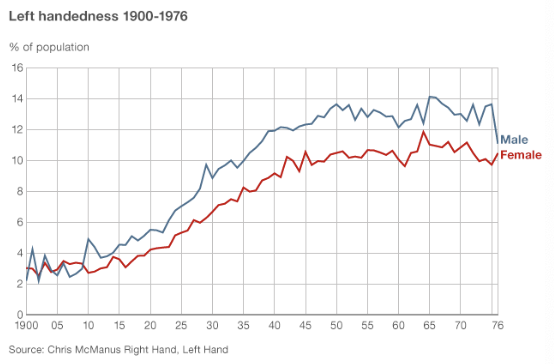
handedness
relationship with brain lateralization
Brain Development
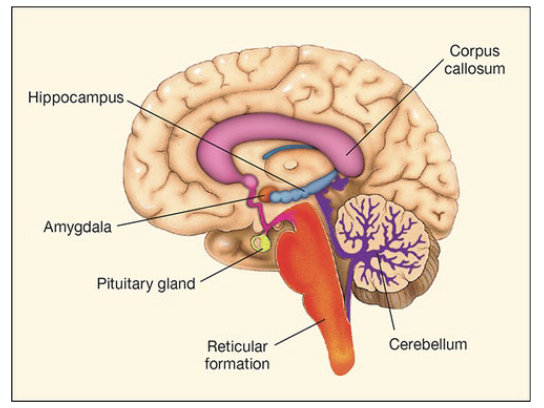
cerebellum
movement, procedural memory
reticular formation
alertness, attention
amygdala
emotion
hippocampus
memory
corpus callosum
connection between hemispheres
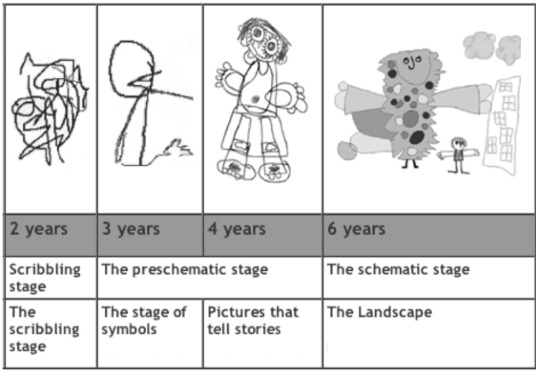
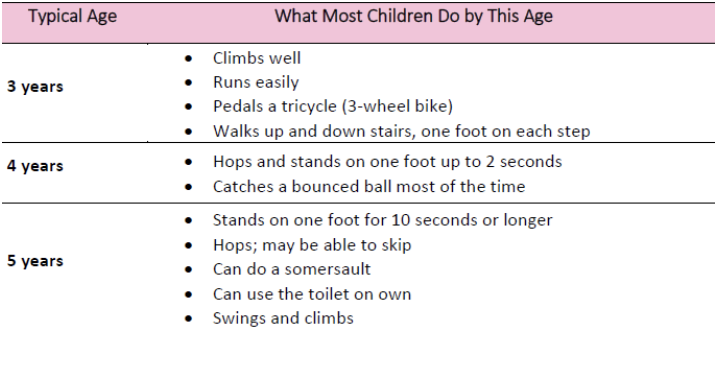
Gross and Fine Motor Skills
Cognitive: Big Picture
executive function improves
inhibition, flexible shifting, planning
memory improves (especially episodic memory)
scripts
role of scaffolding autobiographical memory - elaborative style
vocabulary explosion (250 to 10k)
fast-mapping
emergent literacy, phonological awareness
Limitations of “Preoperational’ Thought
dual representations (big snoopy and little snoopy; symbols)- better by around age 3
egocentrism (3 mountains)
‘egocentric speech’ vs. ‘private speech’
conservation (where does the water go?)
hierarchical classification (‘more red flowers or more flowers?’)
in general, more logical than piaget gave credit for (can classify on different levels, simplified conservation tasks, egocentrism is limited)
Changes in Play
advances in mental representation
less realistic objects (no longer need to just imitate adults)
less self-centered (e.g., baby dolls)
more complex (entire tea party) - sociodramatic play
is make-believe important for development? Vygotsky thought so
learning social rules
scaffolding/ guided participation
Social-Emotional: Big Picture
erikson: initiative vs. guilt stage
self-concept advances, self-esteem
emotion regulation and understanding improve; empathy and sympathy
friendships and cooperation
morality
gender identity
Peers and Play
classic model of advancing social play with age
nonsocial
parallel
associative
cooperative
do not necessarily replace each other, but more cooperative forms tend to become more common
Moral Development Perspectives
often rigid at first, begin to understand importance of intentions
freud - the ‘superego’
driven by guilt, adopting standards of same-sex parent
induction (highlighting effects of actions)
social learning theory (modeling)
cognitive-development perspective
moral imperatives vs. social conventions, matters of personal choice
Gender Development Perspectives
gender stereotypes also often rigid at first; little gender constancy
perspectives on gender differences and stereotypes:
evolutionary (biologically based differences)
social learning (modeling and reinforcement)
cognitive- developmental (understanding gender constacy)
gender schemas (combination of above)
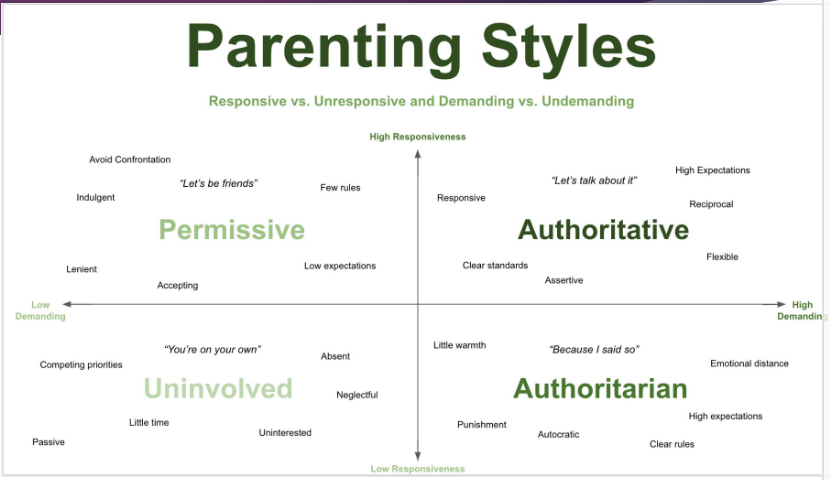
Parenting Styles
which is most effective?
long term outcomes
cultural differences
relationship to:
personality
discipline choices
generation