unit 2- cells
CELL STRUCTURE AND FUNCTION
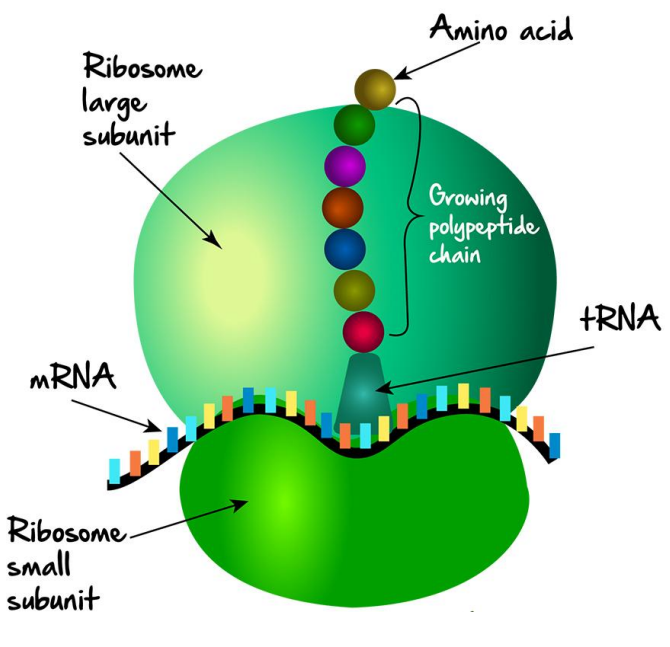
Ribosomes:
Compostion- rRNA and protein non-membrane, subcellular structures(large/small)
Role- synthesize proteins according to mRNA sequences
Found- in cells in all forms of life and reflect the common ancestry in all known life
Endomembrane System: group of MBOs and subcellular components that work tg to modify, package, and transport polysaccharides, lipids, and proteins intercellularly
endoplasmic reticulum(ER)
golgi complex
lysosomes
vacuoles
transport vescicles
nuclear envelope
plasma membrane
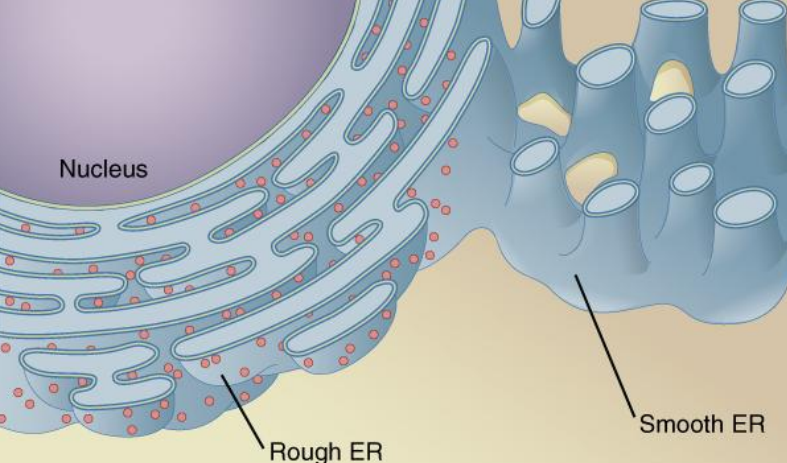
Endoplasmic Reticulum:
Role- provides mechanical support to maintain shape & intracellular transport
Rough ER: compartmentalization; protein synthesis
Smooth ER: detoxification of cells; lipid synthesis
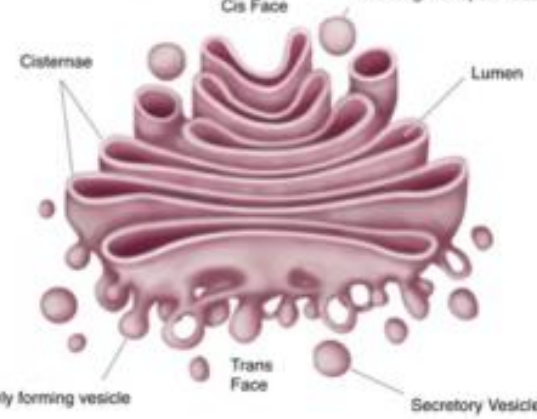
Golgi Complex: membrane-bound structure w/ series of flattened membrane sacs
Role- correctly folding and chemically modifying newly synthesized cellular products; packaging proteins for trafficking
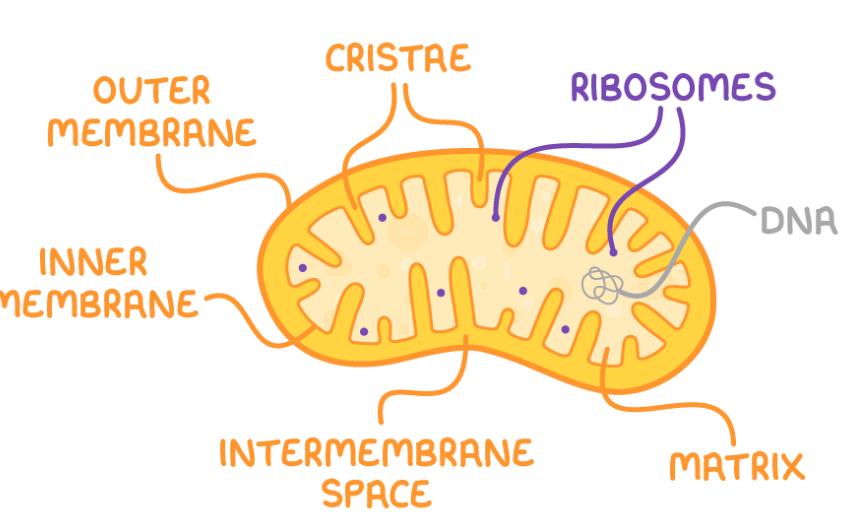
Mitochondria:
Role- provides compartments for diff metabolic rxns involved in aerobic cellular respiration
inner membrane(cristae) is highly folded to help ATP to be synthesized more efficiently
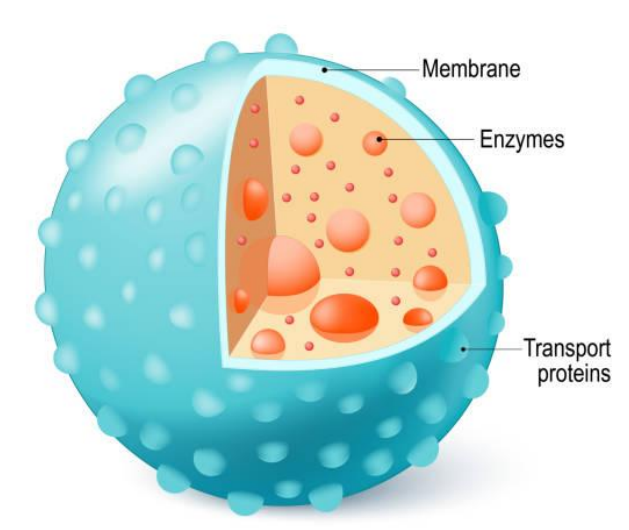
Lysosomes: membrane-enclosed sacs w/ hydrolytic enzymes
Role- intracellular digestion; apoptosis
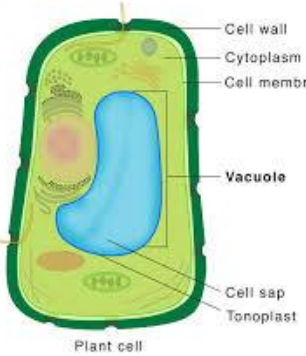
Vacuoles: membrane-bound sacs
Role
central vacuole- maintains turgor pressure w/ nutrient and water storage(plant cells)
contractile vacuole- maintains osmoregulation in some single celled orgs
food vacuole- formed from phagocytosis and fuses w/ lysisome
smaller in size in animal cells compared to plant cells
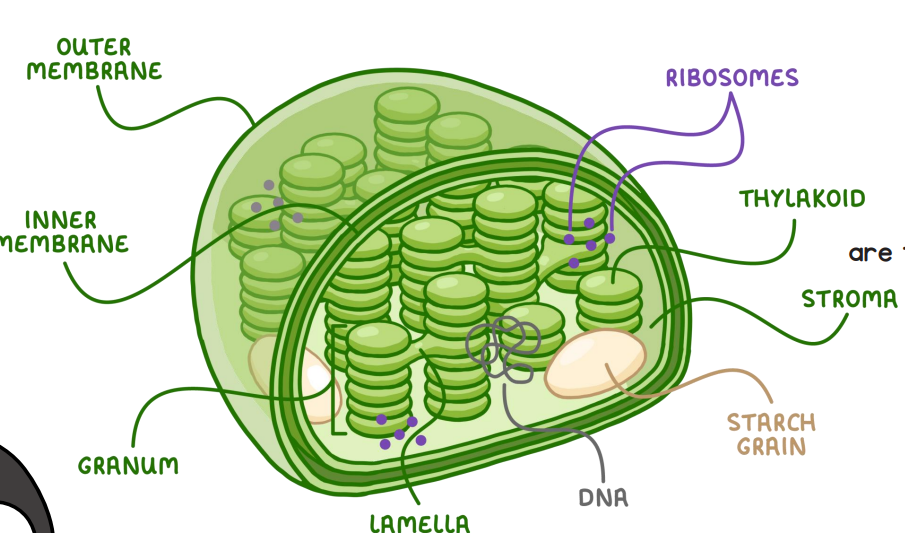
Chloroplast:
specialized organelles that are found in plants and photosynthetic algae
contain a double membrane
Role- location for photosynthesis
CELL COMPARTMENTALIZATION
MBOS:
compartmentalize cells intracellular metabolic process and specific enzymatic rxns
rough & smooth ER
golgi complex
lysosomes
mitochondria
chloroplast
vacuoles
Internal Membranes:
facilitate cellular processes by minimizing competing interactions & increases surface area where rxns occur
Mitochondria- Cristae - Oxidative Phosphorylation
Chloroplast- Thylakoid- Light Reactions
CELL SIZE
Surface Area to Volume Ratio affect:
obtain nutrients
eliminate waste products
acquire/dissipate heat
exchange chemicals/energy w/ environment
smaller cells typically have a higher surface area-to-volume rater and more efficient exchange of materials w/ the environment
relationship b/w metabolic rate per unit body mass and the size of multicellular organisms; typically, the smaller the org; the higher the metabolic rate per unit body mass
PLASMA MEMBRANE
Composition:
phospholipids
membrane proteins
glycolipids/glycoproteins
steroids(i.e. Cholesterol)
Phospholipid:
Phosphate(head)- POLAR(oriented intracellular/extracellular)
Fatty Acid(tail)- NONPOLAR(oriented toward interior of membrane)
Cell Wall:
bacteria, Archaea, Fungi, and Plants — barrier for substances and prevent osmotic lysis
MEMBRANE TRANSPORT
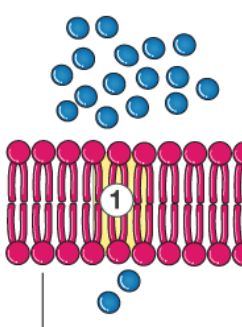
Simple Diffusion:
passive transport, NO NRG
down concentration gradient
small, nonpolar
no transport protein needed
ex: CO2, O2, N2, steroids
small amount of small polar, uncharged mols ( h2o or nh3) leak thru membrane
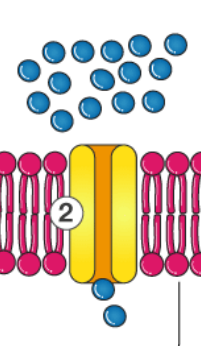
Facilitated Diffusion:
passive transport, NO NRG
down concentration gradient
small molecules
requires transport protein(channel vs carrier protein)
ex: h2o, Na+, K+, Ca+
membrane becomes polarized due to movement of ions
aquaporins transport large quantities of water across membranes
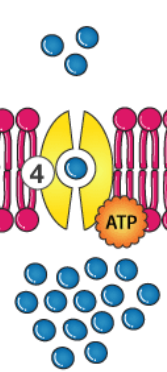
Active Transport:
requires input of NRG
against concentration gradient
requires transport protein(carrier protein)
ex: Na+,K+,Ca+,H+
Na+/K+ pump and ATPase —> maintains membrane potential
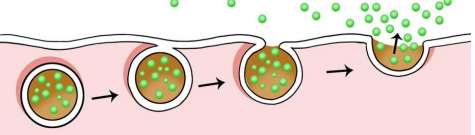
Exocytosis:
internal vesciles release materials from cells by fusing w/ the plasma membrane and secreting large molecules from the cell
pathway- rough ER(synthesize), golgi complex(package/modification), transport vescile, plama membrane
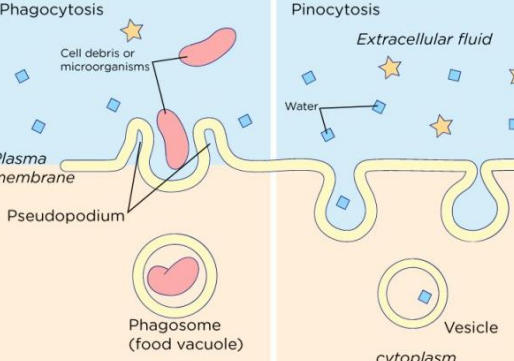
Endocytosis:
takes in large molecules and particulate matter by folding the plasma membrane in on itself and forming new(small) vesciles that engulf material fro mthe external environment
pinocytosis- cellular drinking
phagocytosis- cellular eating
receptor-mediated- endocytosis
TONICITY AND OSMOREGULATION
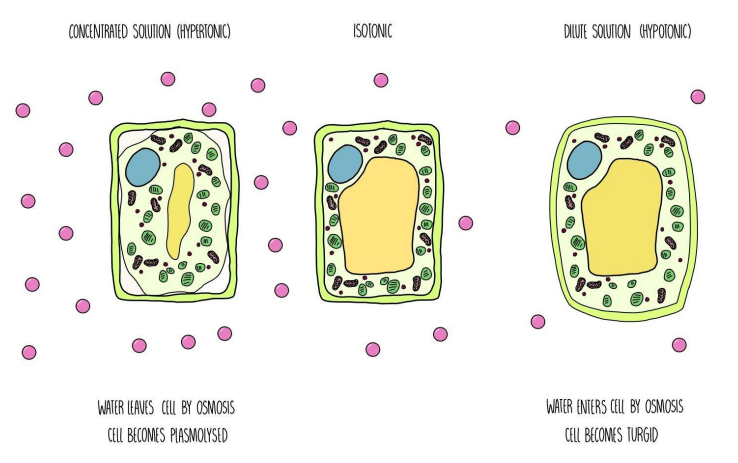
Hypotonic solution:
LOW solute concentration
HIGH free water concentration
LOSES water to hypertonic solution
Isotonic Solution:
EQUAL solute concentration(as other solution)
EQUAL free water concentration(as other solution)
EQUAL water movement into and out of solution
Hypertonic solution:
HIGH solute concentration
LOW free water concentration
GAINS water from hypotonic solution
Water Potentional:
High- less solute(hypotonic)
Low- more solute(hypertonic)
water moves by osmos from HIGH to LOW water potential