A4.1 Evolution and speciation Notes
A4.1.1 evolution as change in the heritable characteristics of a population
Evolution Requires Genetic Changes
Definition
EvolutionEvolution is defined as a change in the heritable characteristics of a population over time.
Only traits that are genetically inherited (passed from parent to offspring via DNA) contribute to evolution.
Heritable vs. Acquired Characteristics
Heritable traits: encoded in DNA, subject to mutation, recombination, and natural selection.
Acquired traits: result from environmental influence or learning during an organism's lifetime.
Example
Heritable traits: darker fur color in moths due to a genetic mutation.
Acquired traits: a tennis player develops stronger bones and muscles in their dominant arm.
Note
Acquired traits cannot be passed to offspring.
Darwinian Evolution (Natural Selection)
Definition
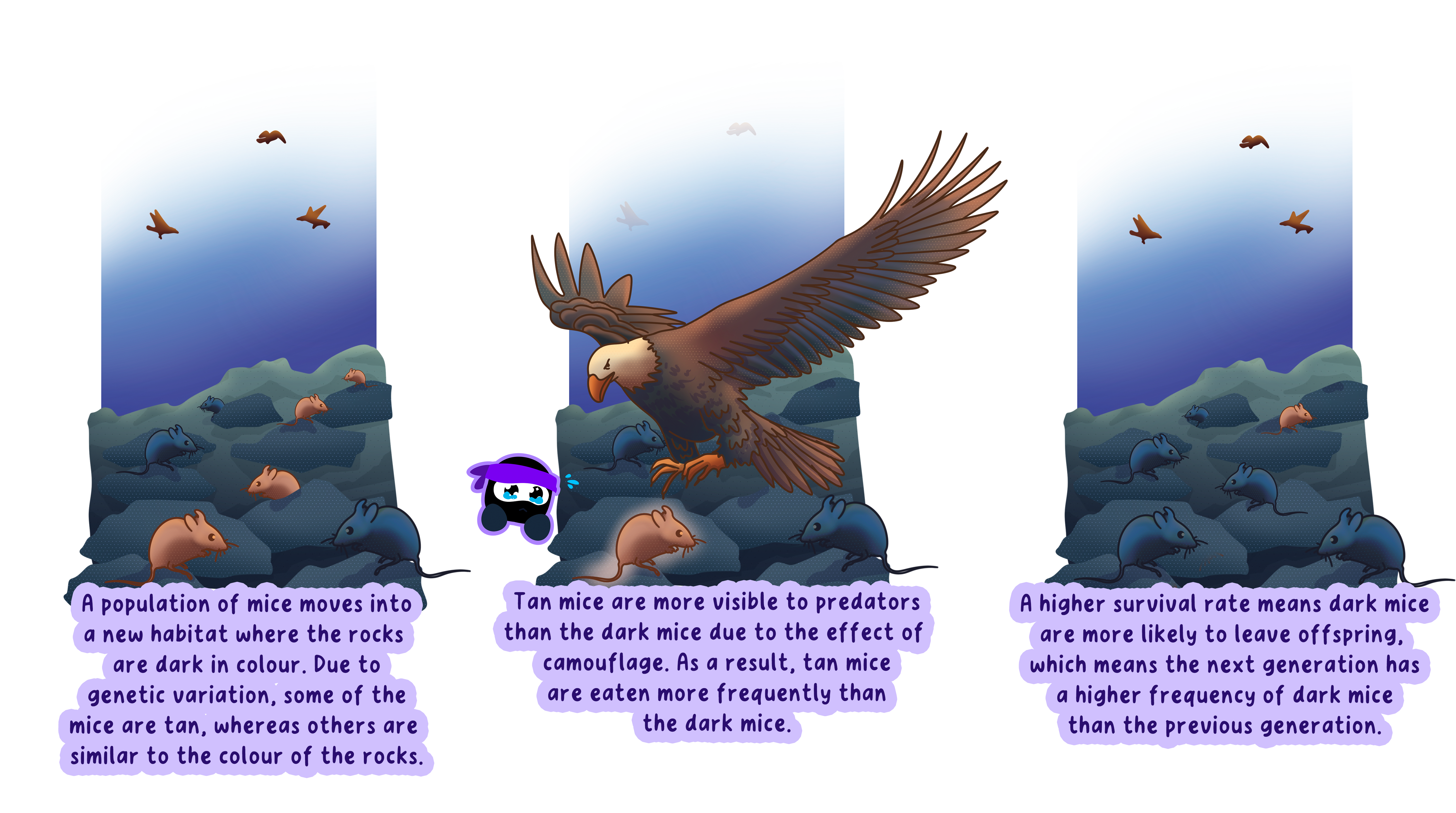
Natural selectionNatural selection is the process where individuals with traits better suited to their environment have higher reproductive success, passing these traits to the next generation.
Charles Darwin's theory of evolution by natural selection explains how populations change:
Variation exists in populations due to random mutations, crossing over, independent assortment, and random fertilization.
Overproduction of offspring means competition for resources (food, space, mates).
Selection pressures (predation, disease, climate, competition) affect survival chances.
Individuals with advantageous heritable traits survive and reproduce more successfully.
These traits (alleles) become more common in the population over time.
Lamarckism and Its Falsification
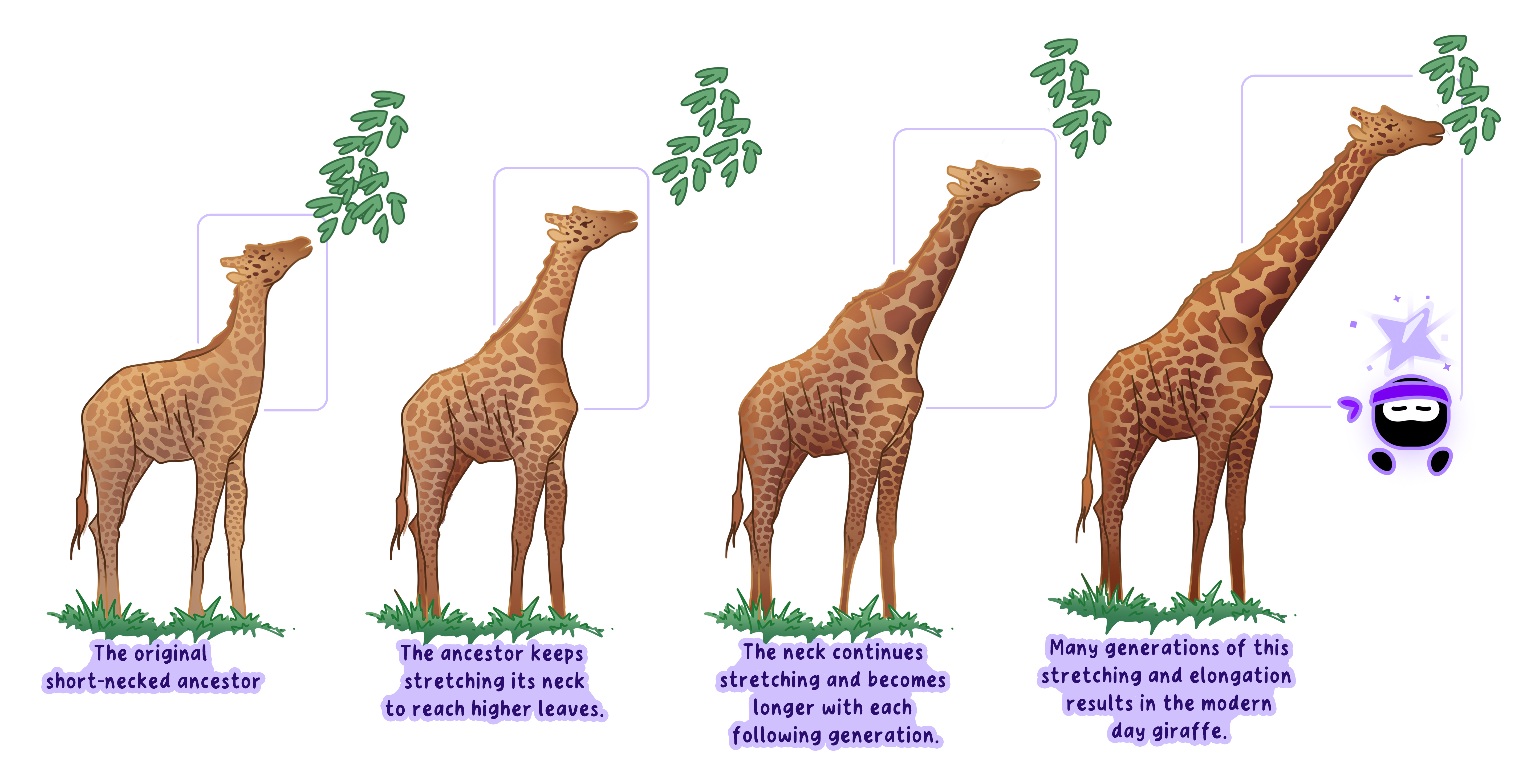
Jean-Baptiste Lamarck proposed that acquired characteristics (traits gained during an organism's lifetime) could be inherited.
No mechanism exists for changes in muscle use, behavior, or environment-driven traits to alter DNA in gametes.
Example
Giraffes stretched their necks to reach higher leaves, and this lengthened neck was passed to offspring.
Note
Modern genetics, which was unavailable during Darwin's time, has confirmed that evolution occurs through changes in DNA within populations, not through the inheritance of acquired traits.
Tip
If asked to compare Darwin and Lamarck, always emphasize inheritance of heritable vs. acquired traits.
Mechanisms of Evolution
To understand how heritable characteristics change over time, we need to explore the mechanisms that drive evolution.
The most important of these is natural selection.
1. Natural Selection: Survival of the Fittest
Natural selection occurs when individuals with certain traits are better suited to their environment
This leads them to having higher reproductive success.
Over time, these advantageous traits become more common in the population.
Example
In a population of moths, darker-colored moths may be better camouflaged against predators in a polluted environment, giving them a survival advantage.
Over generations, the population becomes dominated by darker moths.
2. Genetic Variation: The Raw Material for Evolution
Natural selection can only act on traits that vary within a population.
This variation arises from:
Mutations: Random changes in DNA that can create new traits.
Sexual Reproduction: The mixing of genes during reproduction creates unique combinations of traits in offspring.
Without genetic variation, evolution would not occur because there would be no differences for natural selection to act upon.
Hint
Remember, evolution acts on populations, not individuals.
An individual cannot evolve during its lifetime, but a population can change over generations.
Nature of Science (NOS) - The Theory of Evolution
Darwin's theory of evolution by natural selection explains a vast range of observations (fossil record, biogeography, homologous structures, DNA evidence).
It is extremely well supported and widely accepted.
However, science cannot provide "absolute proof."
The theory of evolution is therefore called a theory, but in science this means a well-substantiated explanation, not a guess.
Self Review
Define evolution in terms of heritable characteristics.
Why does the inheritance of acquired traits not lead to evolution?
Compare Darwin's theory of evolution with Lamarck's theory.
Explain why the theory of natural selection is described as a theory in science.
A4.1.2 evidence for evolution from base sequences in dna or rna and amino acid sequences
Introduction to Molecular Evidence for Evolution
Molecular evidence refers to the genetic and protein sequences that provide insights into evolutionary relationships.
DNA, RNA, and proteins are the fundamental molecules that carry genetic information and perform essential functions in all living organisms.
Think of molecular evidence as a biological "family tree" where the more similar the sequences, the closer the relationship between species.
Molecular Evidence
The genetic and protein sequences that provide insights into evolutionary relationships.
A4.1.3 evidence for evolution from selective breeding of domesticated animals and crop plants
Selective Breeding is Strong Evidence for Evolution
Definition
Selective breedingSelective breeding, or artificial selection, is the process by which humans intentionally breed animals or plants to enhance specific traits.
Selective breeding mirrors the principles of natural selection, but with a key difference:
Natural selection: Traits are selected by environmental pressures, favoring survival and reproduction.
Artificial selection: Traits are selected by humans, based on preferences or utility.
Hint
By examining domesticated animals and crop plants, scientists can observe evolutionary changes on a much shorter timescale than in the wild.
Tip
Recognize that in artificial selection, humans are the selective force, choosing traits to amplify.
Steps of Selective Breeding
A population contains heritable variation due to genetic differences (e.g., mutations, recombination).
Humans select parents that show traits considered valuable (e.g., high yield, docility, rapid growth).
These parents are bred together and produce offspring.
Offspring are screened for the desired traits, and only those with the strongest expression are selected for further breeding.
Over many generations, the trait becomes fixed in the population.
Examples of Selective Breeding
Domesticated Animals
1. Dogs (Canis lupus familiaris)
All modern dog breeds descended from gray wolves (_Canis lupus_).
Humans selectively bred wolves for traits like size, behavior, and coat type, leading to the wide variety of breeds we see today.
Example
Siberian Husky: Bred for endurance and pulling sleds.
Dachshund: Bred for hunting burrowing animals.
Chihuahua and Great Dane: Dramatically different in size due to selection for extreme traits.
2. Chickens
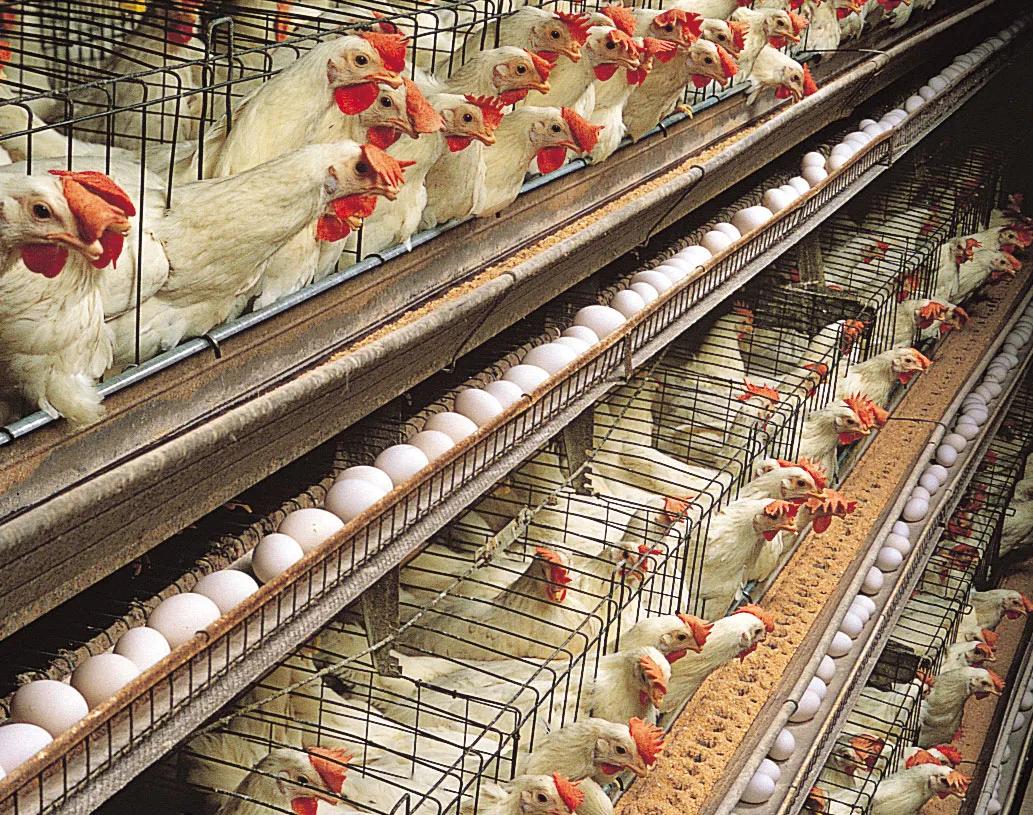
Modern egg-laying hens produce hundreds of eggs annually, while their wild ancestor, the red junglefowl, lays only a few eggs per year.
Domesticated Crops
1. Maize (Corn)
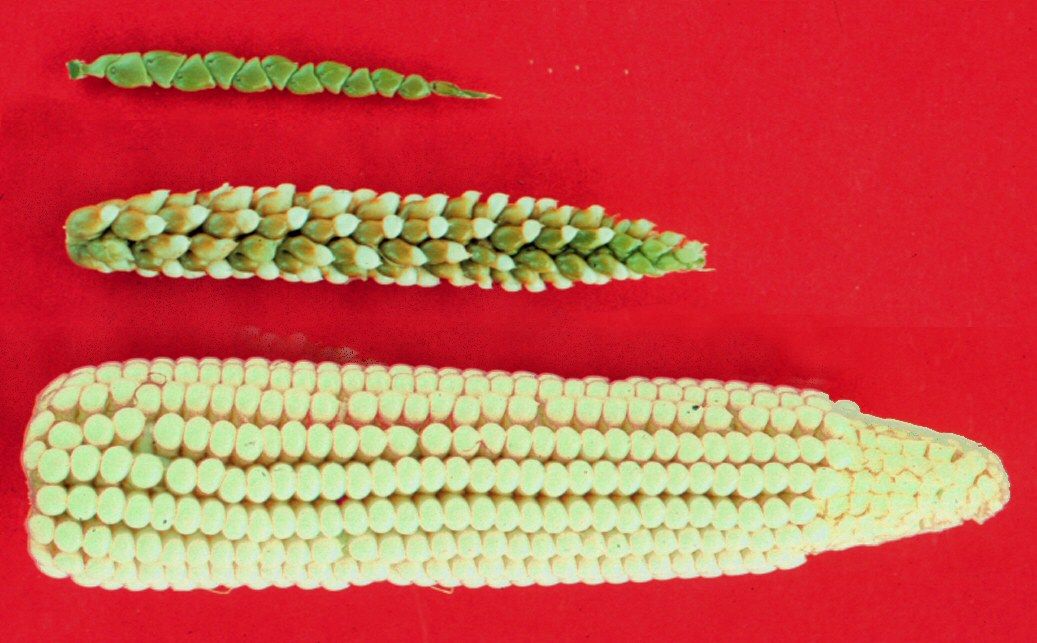
Modern maize evolved from a wild grass called teosinte.
Early farmers selected plants with larger, softer kernels, transforming teosinte into the high-yield crop we rely on today.
2. Brassica Crops
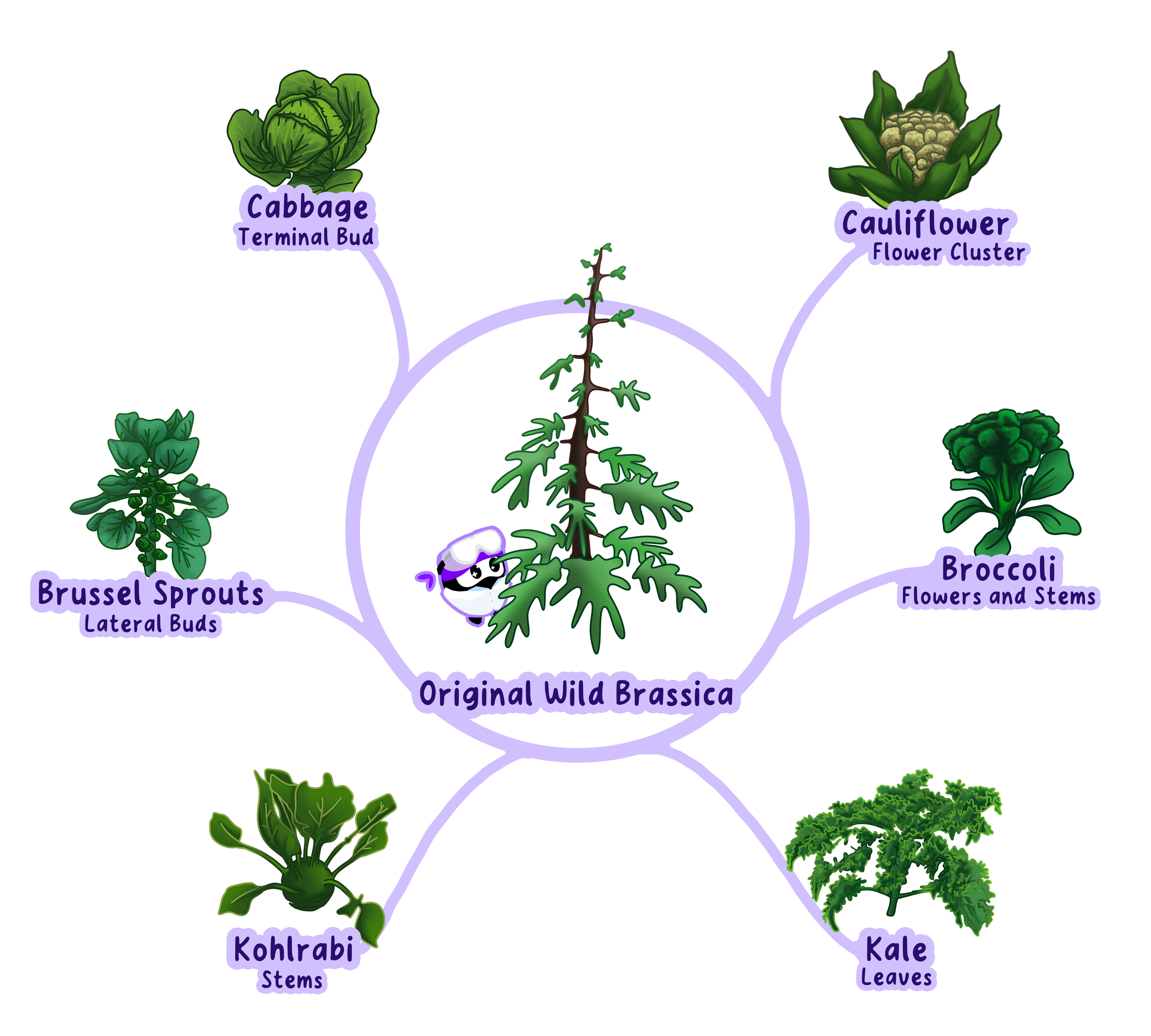
The wild mustard plant (_Brassica oleracea_) is the ancestor of crops like cabbage, broccoli, kale, and cauliflower.
Selective breeding focused on different traits:
Cabbage: Large, tightly packed leaves.
Broccoli: Dense flower buds.
Kale: Large, edible leaves.
Case_study
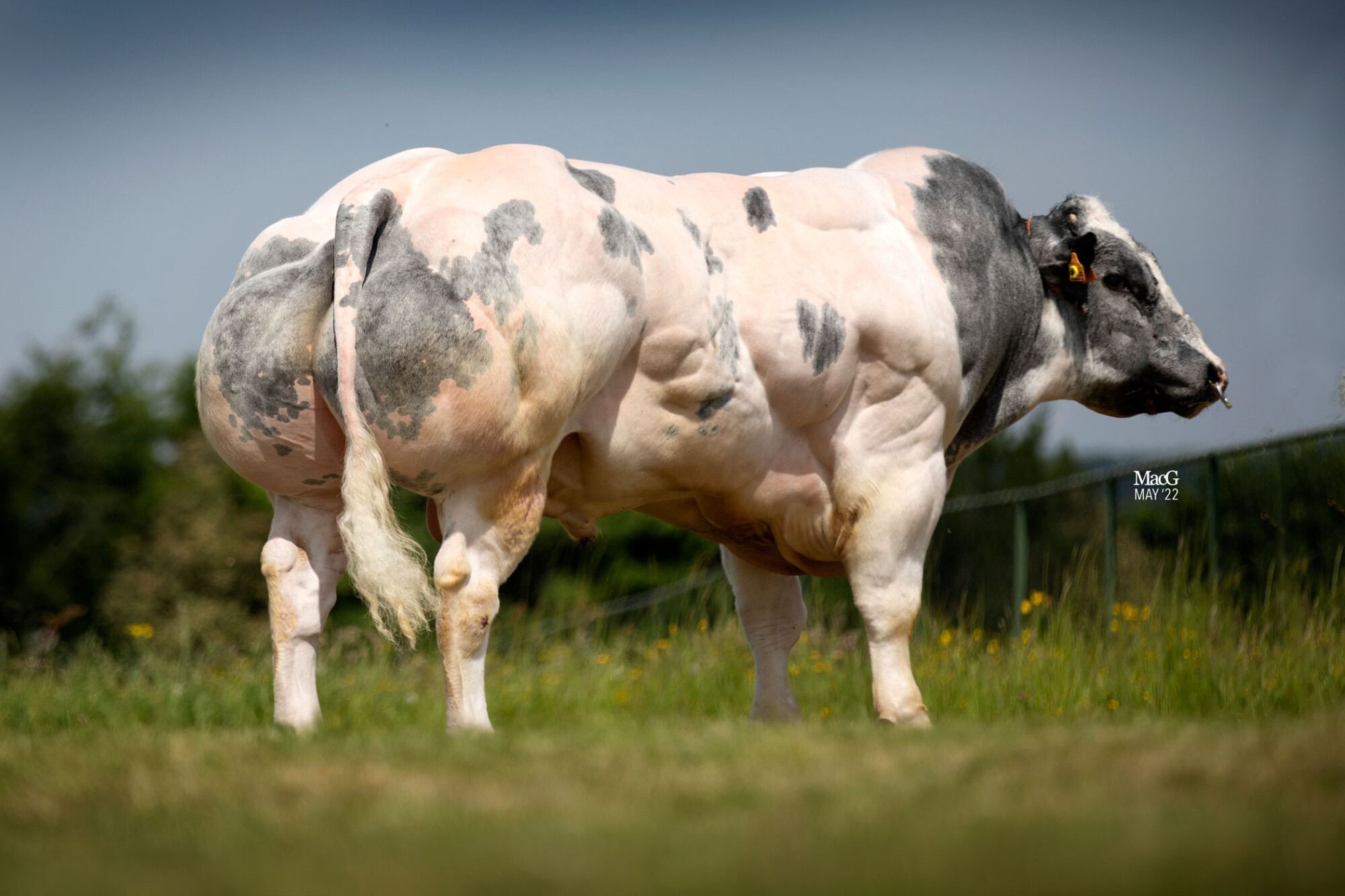
The Belgian Blue Cattle:
The Belgian Blue cattle are a remarkable example of selective breeding.
These animals have a mutation in the , which normally limits muscle growth.
By breeding individuals with this mutation, farmers produced cattle with significantlyincreased muscle mass, ideal for meat production.
This rapid and targeted change illustrates how selective breeding can drive significant evolutionary shifts in a short time frame.
How Selective Breeding Supports Evolution
Selective breeding shows that populations can undergo heritable changes in a relatively short period of time.
It proves that allele frequencies shift when certain traits are favored, just like in natural selection.
It demonstrates that small genetic differences accumulate, leading to major phenotypic divergence between breeds/varieties.
It mirrors the process of natural selection, except that the selective agent is human choice rather than the environment.
Note
The rapid changes achieved through selective breeding highlight the power of selection pressures, whether natural or artificial, in driving evolution.
They also demonstrate how small genetic changes can lead to significant phenotypic differences.
Tip
Selective breeding is evolution in action, but at an accelerated pace.
While natural selection may take thousands or millions of years, humans can achieve similar changes in just a few generations.
Implications for Evolutionary Theory
Selective breeding strengthens the evidence that:
Heritable variation exists in populations.
Traits can accumulate over generations.
New varieties (and potentially new species) can emerge.
It provides a miniature model of evolution, showing that gradual accumulation of changes can have large evolutionary consequences.
Tok
Selective breeding also raises ethical questions.
For example, some dog breeds suffer from health problems due to breeding for extreme traits.
How does this ethical dilemma relate to the broader question of human intervention in nature?
Self Review
Define selective breeding and explain why it is considered evidence for evolution.
Describe two examples of selective breeding in animals and explain how they provide evidence for heritable change.
Compare artificial selection with natural selection, highlighting at least two similarities and two differences.
A4.1.4 evidence for evolution from homologous structures
Homologous Structures Are Evidence For Evolution
Definition
Homologous structuresHomologous structures are anatomical features that share a similar structure and position across different species but serve different functions.
Homologous structures have a similar structural layout, despite differences in function.
They serve as evidence of inheritance from a common ancestor.
They illustrate the concept of "unity of type" (shared design due to common ancestry, as coined by Charles Darwin).
Example
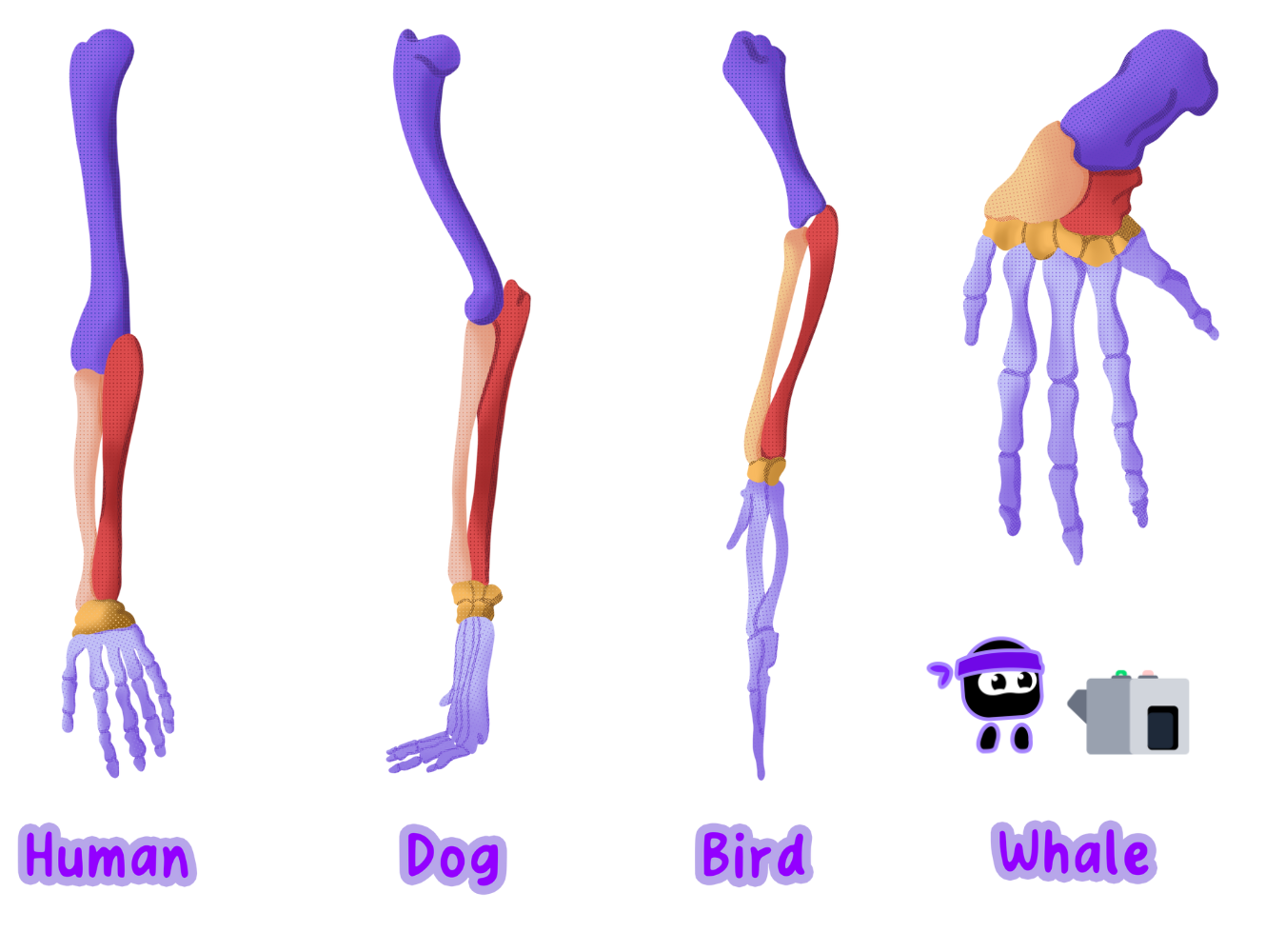
A human hand (grasping), a bird wing (flying), and a whale flipper (swimming) all follow the same basic bone arrangement but are specialized for different activities.
The Pentadactyl Limb: A Classic Example
The pentadactyl limb is the foundational structure seen in all tetrapods (four-limbed vertebrates).
It consists of:
Proximal Bone (single): Humerus in the forelimb, femur in the hindlimb.
Distal Bones (paired): Radius and ulna in the forelimb, tibia and fibula in the hindlimb.
Wrist/Ankle Bones: Carpals in the forelimb, tarsals in the hindlimb.
Digits (fingers/toes): Metacarpals and phalanges in the forelimb, metatarsals and phalanges in the hindlimb.
How the Pentadactyl Limb Has Evolved
Humans: Manipulation and tool use, with a strong opposable thumb.
Bats: Elongated fingers form the framework of wings for flight.
Whales: Shortened and flattened bones create a flipper for swimming.
Horses: The Central digit elongates into a hoof for efficient running
Warning
Homologous Structures share a common origin, even if their functions differ (e.g., pentadactyl limb).
Analogous Structures serve similar functions but do not share a common origin (e.g., wings of bats and insects).
Vestigial Structures as Supporting Evidence
Definition
Vestigial structureA vestigial structure is a reduced anatomical feature that has lost its original function but is retained as an evolutionary remnant of a common ancestor.
Vestigial structures are reduced, often non-functional remnants of features that were functional in ancestral species.
They reinforce evolutionary theory by showing structural inheritance even when no longer needed.
Example
Embryonic teeth in baleen whales (lost before adulthood).
Tiny pelvis and femur bones embedded in whale and snake bodies.
Human appendix (remnant of a larger herbivorous cecum).
Self Review
Define the term "homologous structure" and give one example apart from the pentadactyl limb.
Describe the structural arrangement of the pentadactyl limb, naming the key bones in order.
A4.1.5 convergent evolution as the origin of analogous structures
Same Function, Different Structure
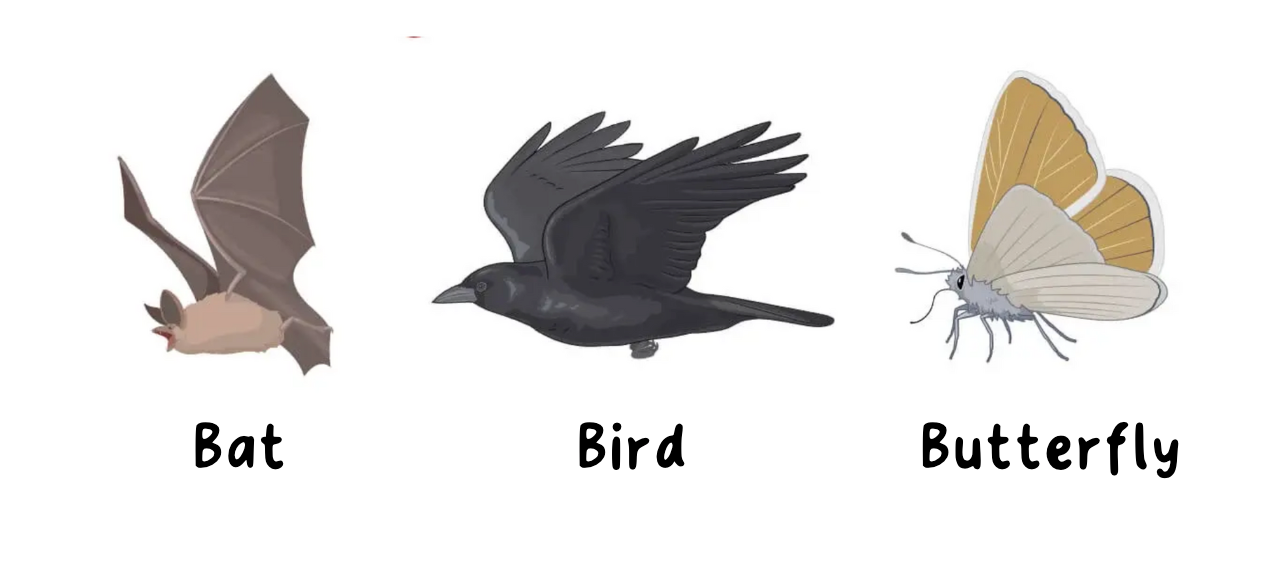
The wings of birds and insects perform the same function but differ fundamentally in structure and origin.
These similarities, arising from independent evolutionary paths, are a result of convergent evolution, which produces analogous structures.
Definition
Convergent evolutionConvergent evolution is when distantly related organisms independently evolve similartraits or behaviors to adapt to similar environments
Analogous Structures = Similar Function
Definition
Analogous structuresAnalogous structures are anatomical features in different species that serve similar functions but do not share a common evolutionary origin.
They are similar in function, performing the same role (e.g., flight, swimming).
But arise from unrelated ancestral traits,
Adapting and evolving separately due to similar environmental pressures.
Example
The wings of birds and insects both enable flight but evolved independently.
The streamlined bodies of dolphins (mammals) and sharks (fish) reduce drag for efficient swimming.
Characteristics of Analogous Structures
Analogous structures arise not from a shared ancestor, but from similar selection pressures acting on unrelated organisms.
They usually appear in organisms that:
Occupy similar habitats (e.g., aquatic environments).
Face similar survival challenges (e.g., need for flight, defense, or water conservation).
Develop functionally equivalent solutions despite unrelated evolutionary pathways.
How Convergent Evolution Works
Convergent evolution occurs when unrelated species face similar selection pressures which are environmental challenges that favor specific traits.
Over time, these pressures lead to the development of comparable adaptations, even in species with distinct evolutionary histories.
Steps in Convergent Evolution
Similar Environmental Challenges: Aerial navigation, aquatic locomotion, or acute vision.
Independent Adaptations: Species evolve traits suited to their environment, but starting from different ancestral features.
Functional Similarity: Analogous structures emerge, performing similar tasks despite differing origins.
Tip
Convergent evolution demonstrates how natural selection can lead to similar solutions for shared challenges, even in species with no recent common ancestry.
Examples of Analogous Structures
1. Wings of Birds and Insects
Birds and insects both use wings to fly, but their structures and origins are vastly different:
Bird Wings: Modified forelimbs with bones, muscles, and feathers.
Insect Wings: Thin, membranous structures supported by veins, without skeletal components.
Despite these differences, both types of wings evolved to solve the same problem: navigating through the air.
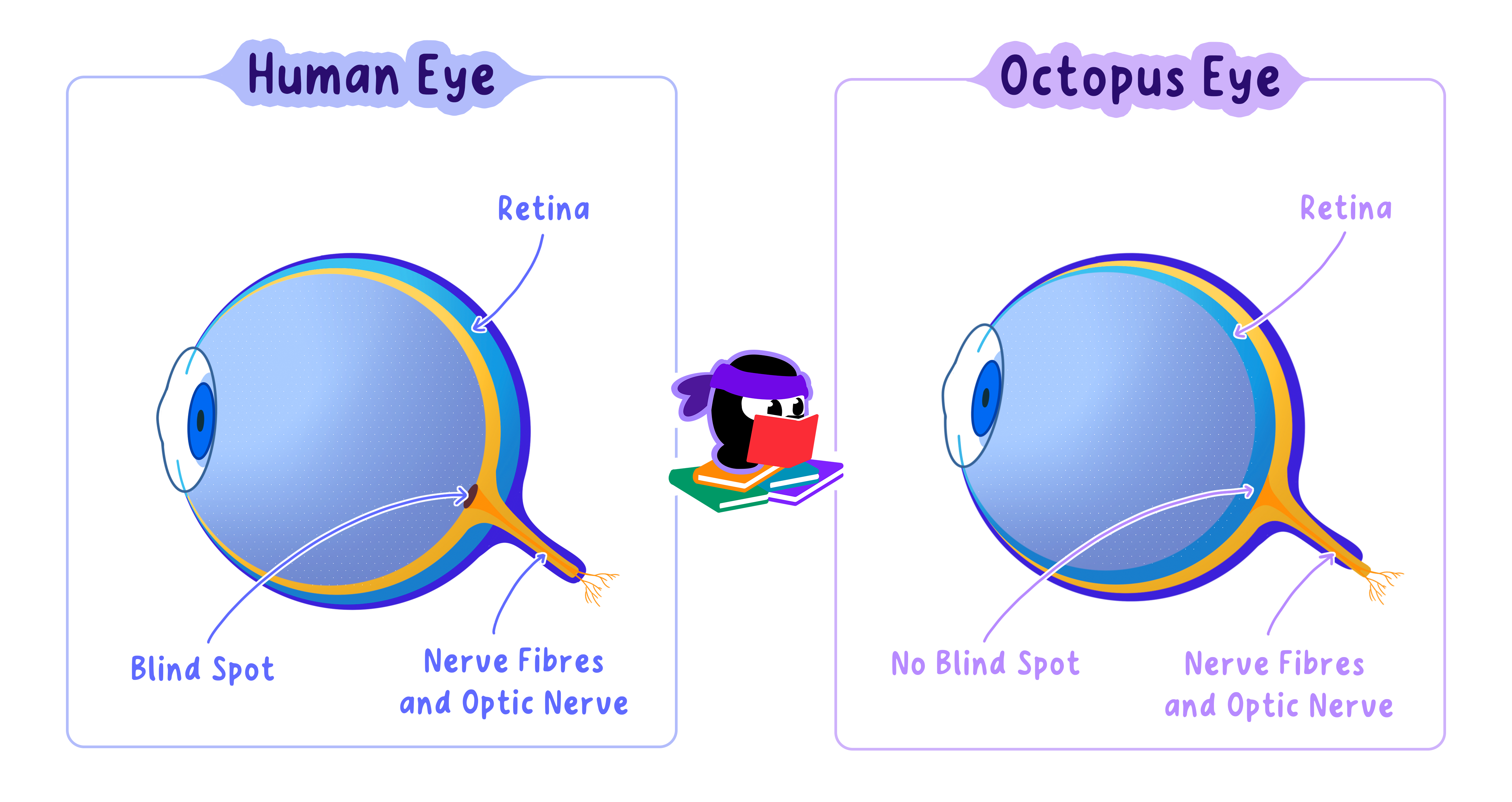
2. Eyes of Humans and Octopuses
The eyes of humans and octopuses are remarkably similar in function, despite their distinct evolutionary paths:
Human Eye: Nerve fibers in front of the retina create a blind spot.
Octopus Eye: Nerve fibers are located behind the retina, eliminating the blind spot.
These similarities arose independently as both species adapted to environments where acute vision was advantageous.
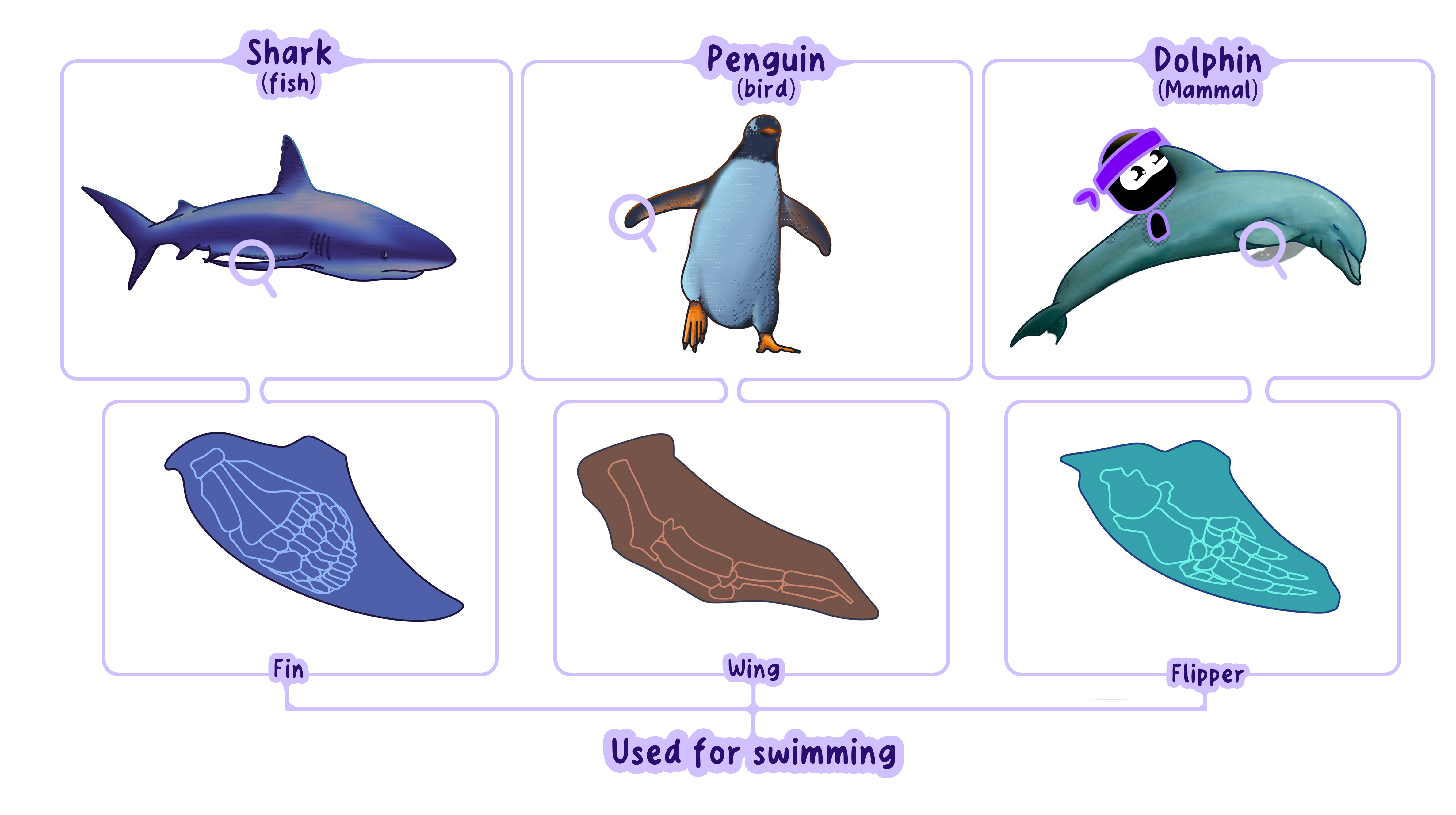
3. Fins of Dolphins and Sharks
Both dolphins and sharks have streamlined bodies with fins for efficient swimming. However:
Dolphin Fins: Made of bone and muscle, covered by skin.
Shark Fins: Composed of cartilage, with a distinct internal structure.
These adaptations evolved independently as solutions to the challenges of aquatic locomotion.
Distinguishing Analogous from Homologous Structures
Homologous Structures: Share a common ancestry but may serve different functions (e.g., bat wings and human hands).
Analogous Structures: Evolve independently but serve similar functions (e.g., bird wings and insect wings).
Cladistics and the Problem of Analogy
Morphological similarity can sometimes mislead classification.
For example, dolphins and sharks were historically grouped together due to body shape.
Cladistics, based on DNA or amino acid sequences, helps distinguish homology (true ancestry) from analogy (convergence).
Tok
Does the concept of convergent evolution challenge the idea that evolution is a linear process of progress?
How might it instead suggest that evolution is shaped by environmental pressures rather than a predetermined goal?
Self Review
Give two animal and one plant example of analogous structures, explaining their functions.
Distinguish between homologous and analogous structures with reference to function and ancestry.
Explain why the streamlined bodies of dolphins and sharks are considered analogous, not homologous.
A4.1.6 speciation by splitting of pre-existing species
Speciation by Splitting of Pre-existing Species
Definition
Speciation Speciation is the evolutionary process through which one species splits into two or more distinct species.
Speciation is a primary driver of biodiversity, increasing the variety of life.
It requires reproductive isolation, which allows populations to evolve separately.
Speciation is distinct from gradual changes within a single species.
It specifically involves the formation of new species.
Mechanisms of Speciation: The Role of Reproductive Isolation
1. Geographical Isolation (Allopatric Speciation)
Allopatric speciation occurs when populations are physically separated by barriers such as mountains, rivers, or oceans.
These barriers prevent interbreeding, allowing populations to evolve independently.
Case_study
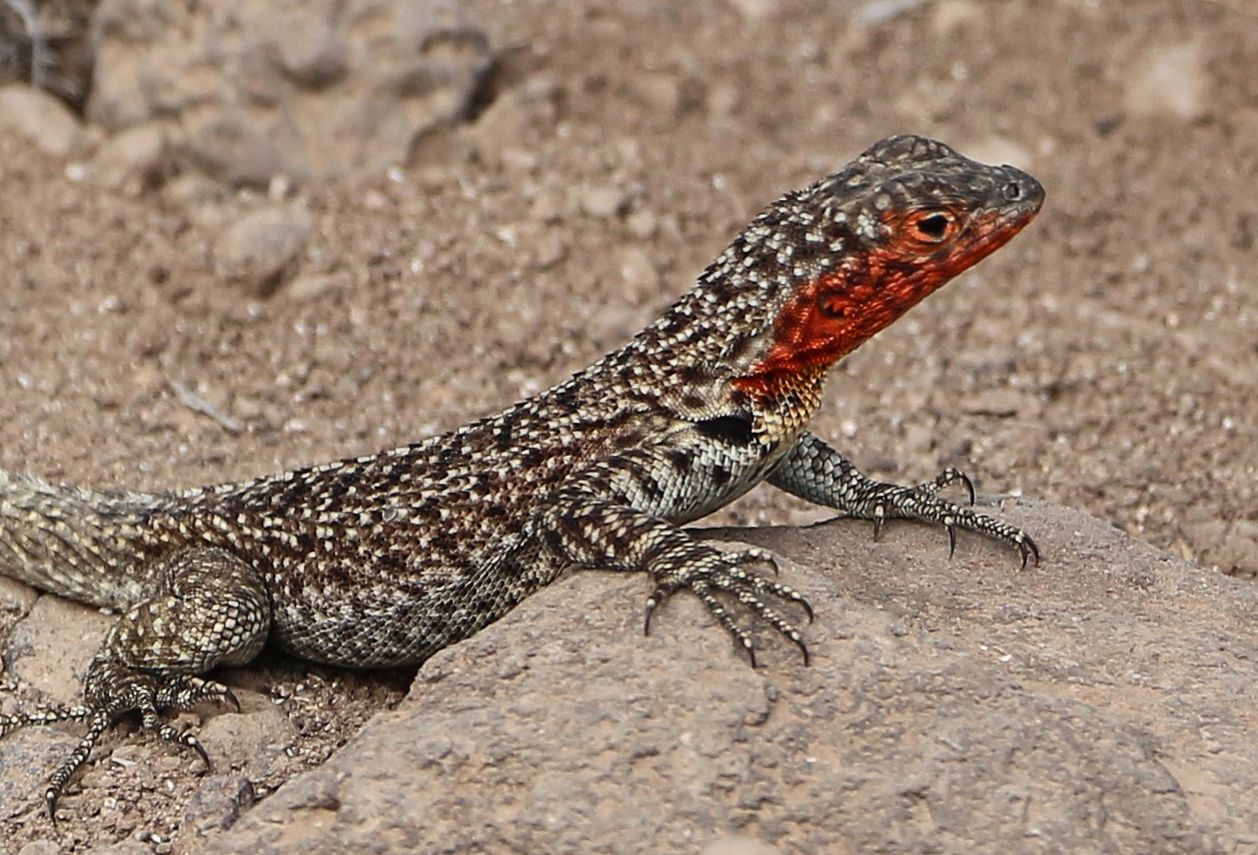
Example: Lava Lizards of the Galápagos Islands
Lava lizards on the Galápagos Islands are a classic example of allopatric speciation.
A single species initially colonized the islands, but geographical isolation between the islands prevented interbreeding.
Over time, genetic drift and natural selection caused the populations on each island to diverge, resulting in multiple unique species.
2. Behavioral or Temporal Isolation (Sympatric Speciation)
In sympatric speciation, populations live in the same geographical area but become reproductively isolated due to:
Behavioral Isolation: Differences in mating preferences or courtship behaviors.
Example
In Lake Massoko, two populations of cichlid fish prefer different habitats (shallow vs. deep water), choosing mates based on specific traits.
Temporal Isolation: Differences in breeding seasons or times.
Example
Winter pine processionary moth populations in Portugal breed during different months, preventing interbreeding.
Note
Sympatric speciation is less common than allopatric speciation but demonstrates how species can diverge without physical barriers.
The Process of Speciation: A Step-by-Step Breakdown
1. Separation of Populations:
Populations become isolated, either:
Geographically (e.g., rivers, mountains, or islands).
Reproductively (e.g., differences in behavior or timing).
2. Independent Evolution
Isolated populations experience different selection pressures, such as:
Climate changes.
New predators or competitors.
Changes in available resources.
Note
Natural selection drives these populations to adapt to their unique environments, causing genetic divergence.
3. Accumulation of Differences:
Over generations, differences accumulate in:
Morphology (e.g., body shape or size).
Behavior (e.g., mating rituals or feeding habits).
Physiology (e.g., tolerance to environmental factors).
Hint
These differences may reduce or eliminate the ability to interbreed.
4. Formation of New Species
When populations become so distinct that they can no longer interbreed, even if brought back into contact, speciation is complete.
Tip
Natural selection acts on genetic variation within each population, gradually shaping traits that are better suited to their specific environment.
Speciation vs. Gradual Evolutionary Change
While evolution refers to changes in heritable traits over time within a population, speciation specifically involves the splitting of one species into two.
In contrast, speciation results in distinct species that cannot interbreed.
Example
Antibiotic Resistance: The evolution of antibiotic resistance in bacteria involves gradual changes within a single population and is not an example of speciation.
Warning
Don't confuse gradual changes (e.g., changes in size or coloration) with speciation.
Speciation requires reproductive isolation and the divergence of populations into distinct species.
Why Speciation Matters
Speciation plays a central role in increasing biodiversity, contributing to the complexity and stability of ecosystems, and evolutionary innovation.
Analogy
Think of speciation as the growth of branches on a tree.
Each new branch represents a new species, adding to the tree's complexity and diversity.
Extinction, in contrast, is like cutting off a branch, reducing the tree's richness.
Reflection and Broader Implications
Speciation is a process that continues to shape the diversity of life on Earth. However, it also prompts critical questions:
How are human activities, such as habitat destruction and climate change, affecting speciation and extinction rates?
Should humans intervene to prevent species extinction, or is it a natural part of evolution?
Tok
Theory of Knowledge Connection:Speciation raises fascinating philosophical questions: How do we define what constitutes a species? Are our definitions influenced by cultural, historical, or scientific perspectives? How does understanding speciation shape our approach to biodiversity and conservation?
Self Review
What is the key difference between allopatric and sympatric speciation?
Why is gradual evolutionary change within a species not considered speciation?
How does reproductive isolation contribute to the formation of new species?
A4.1.7 roles of reproductive isolation and differential selection in speciation
Reproductive Isolation is The Foundation of Speciation
Definition
Reproductive isolationReproductive isolation occurs when populations are prevented from interbreeding, creating separate gene pools. This isolation ensures that evolutionary changes in one population do not affect the other.
Once populations are reproductively isolated, they are subjected to different environmental pressures, which drive divergence.
How Differential Selection Works
Different Selection Pressures: Isolated populations experience unique environments (e.g., climate, predators, food availability).
Natural Selection: Traits that enhance survival and reproduction in each environment are favored.
Accumulation of Differences: Over time, these traits become more pronounced, leading to genetic, behavioral, and morphological divergence.
Case_study
Bonobos and Chimpanzees
After the Congo River formed, it separated populations of a common ancestor into two groups:
Chimpanzees (north of the Congo):
Faced intense competition for food and resources.
Evolved aggressive behaviors and hierarchical social structures to cope with competition.
Bonobos (south of the Congo):
Lived in resource-rich environments with less competition.
Evolved peaceful, cooperative behaviors and greater emphasis on social bonding.
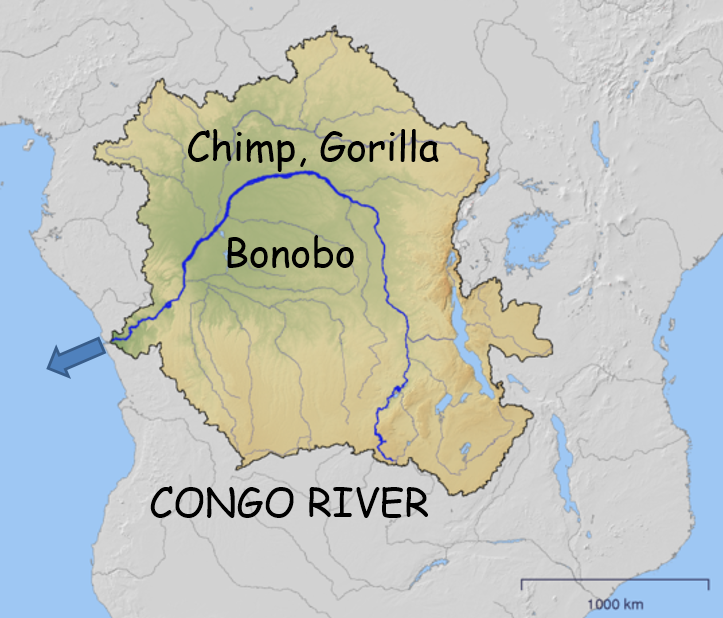
Over time, reproductive isolation and differential selection created two distinct species with unique behaviors, morphology, and genetics.
Tip
Remember: Reproductive isolation doesn't always require a physical barrier.
Behavioral and temporal factors can also prevent gene flow, especially in sympatric speciation, which occurs without geographical separation.
The Combined Effect: Reproductive Isolation + Differential Selection
Reproductive Isolation: Prevents gene flow between populations, allowing them to evolve independently.
Differential Selection: Drives genetic and phenotypic divergence as populations adapt to their unique environments.
Result: New species form when the populations become so distinct that they can no longer interbreed, even if brought back into contact.
Self Review
What are the two key conditions required for speciation?
Why is reproductive isolation alone not sufficient for speciation to occur?
Analogy
Think of differential selection like two chefs working in separate kitchens.
Each chef starts with the same basic ingredients but creates entirely different dishes based on the tools and spices available.
Similarly, isolated populations evolve distinct traits based on their unique environments.
A4.1.8 differences and similarities between sympatric and allopatric speciation (hl)
Differences and Similarities Between Sympatric and Allopatric Speciation
Two main pathways to speciation are:
Allopatric Speciation: Populations are geographically separated.
Sympatric Speciation: Populations remain in the same area but are reproductively isolated by non-physical barriers.
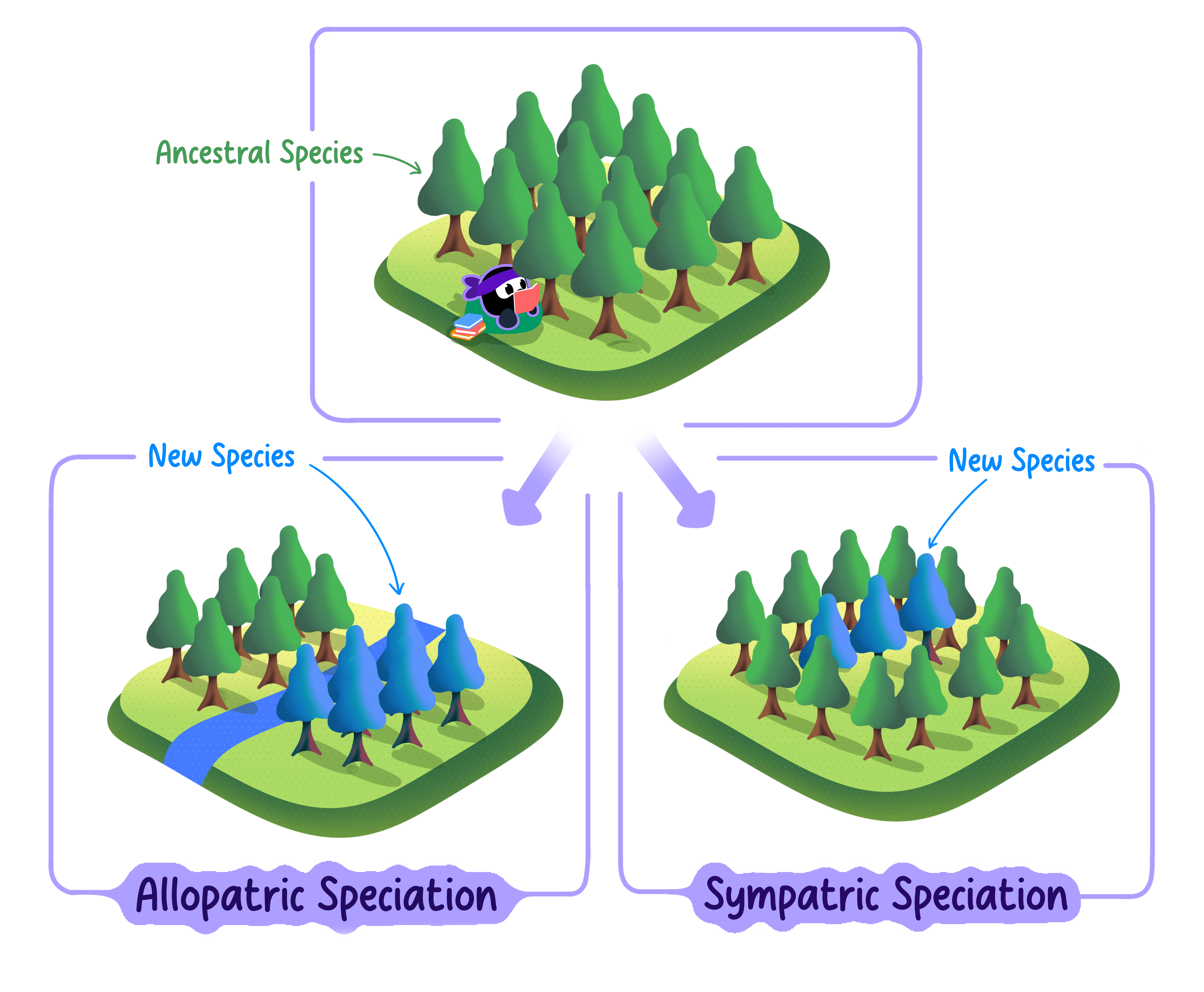
Allopatric Speciation: Speciation in "Different Homelands"
Definition
Allopatric speciationAllopatric speciation occurs when populations are physically separated by a geographical barrier, such as a river, mountain range, or ocean.
Key Features
Geographical isolation: A physical barrier prevents gene flow.
Independent evolution: Each population experiences different selection pressures, genetic drift, and mutations, leading to divergence.
Time: Speciation occurs gradually over many generations.
Why It's Common
Physical barriers are widespread in nature, making allopatric speciation the most common form of speciation.
Tip
When studying allopatric speciation, look for evidence of a physical barrier and differences in environmental conditions that drive evolutionary changes.
Sympatric Speciation: "Same Homeland"
Definition
Sympatric speciation Sympatric speciation occurs when populations in the same geographical area become reproductively isolated.
Mechanisms of Isolation in Sympatric Speciation
Behavioral Isolation: Differences in courtship or mating preferences prevent interbreeding.
Temporal Isolation: Populations breed at different times or seasons.
Ecological Isolation: Populations exploit different ecological niches, reducing interactions.
Example
Winter pine processionary moths in Portugal have separate breeding seasons.
Birds that develop distinct mating songs.
Cichlid fish in Lake Massoko specialize in different water depths, leading to isolation.
Mechanisms of Sympatric Speciation
Behavioral isolation: Differences in mating behaviors or preferences prevent interbreeding.
Temporal isolation: Populations reproduce at different times, such as during distinct seasons.
Ecological isolation: Populations exploit different ecological niches within the same environment.
Example
Cichlid Fish in Lake Massoko
In Lake Massoko, a small crater lake in Tanzania, two forms of cichlid fish (Astatotilapia calliptera) are diverging.
One form prefers shallow waters near the shore (littoral zone), while the other occupies deeper waters (benthic zone).
These preferences have led to differences in body shape, jaw structure, and even male coloration.
Females tend to choose mates with similar traits, reducing gene flow between the two forms.
Over time, this behavioral isolation may lead to speciation.
Comparison of Allopatric and Sympatric Speciation
Feature | Allopatric Speciation | Sympatric Speciation |
|---|---|---|
Geographical Context | Populations are geographically separated. | Populations share the same geographical area. |
Primary Isolation Mechanism | Physical barriers (e.g., rivers, mountains). | Behavioral, temporal, or ecological isolation. |
Frequency | More common. | Less common. |
Examples | Bonobos and chimpanzees, Galápagos finches. | Cichlid fish in Lake Massoko, apple maggot flies. |
Similarities Between Allopatric and Sympatric Speciation
Reproductive Isolation: Both require mechanisms that prevent interbreeding.
Independent Evolution: Populations diverge due to selection pressures, genetic drift, and mutations.
Outcome: Both processes result in the formation of new species.
Self Review
Can you identify whether a given example of speciation is allopatric or sympatric based on the presence or absence of geographic barriers?
Tok
How might the concept of reproductive isolation challenge our understanding of what defines a species?
Could there be ethical implications in conserving populations that are in the process of speciation?
A4.1.9 adaptive radiation as a source of biodiversity (hl)
Adaptive Radiation as a Source of Biodiversity
From the Galápagos finches to African cichlids, adaptive radiation has repeatedly shaped ecosystems.
It creates biodiversity hotspots and drives the emergence of new species.
Definition
Adaptive radiationAdaptive radiation is the evolutionary process by which a single ancestral species rapidly diversifies into many species, each specialized to exploit a different ecological niche.
Adaptive Radiation Has 4 Key Tenets
Common Ancestry: All species arise from a shared ancestor.
Rapid Speciation: Multiple species evolve in a relatively short evolutionary timeframe.
Ecological Specialization: Each species adapts to a specific niche, reducing competition.
Morphological Divergence: Species evolve distinct traits suited to their roles in the ecosystem.
Case_study
Darwin's Finches
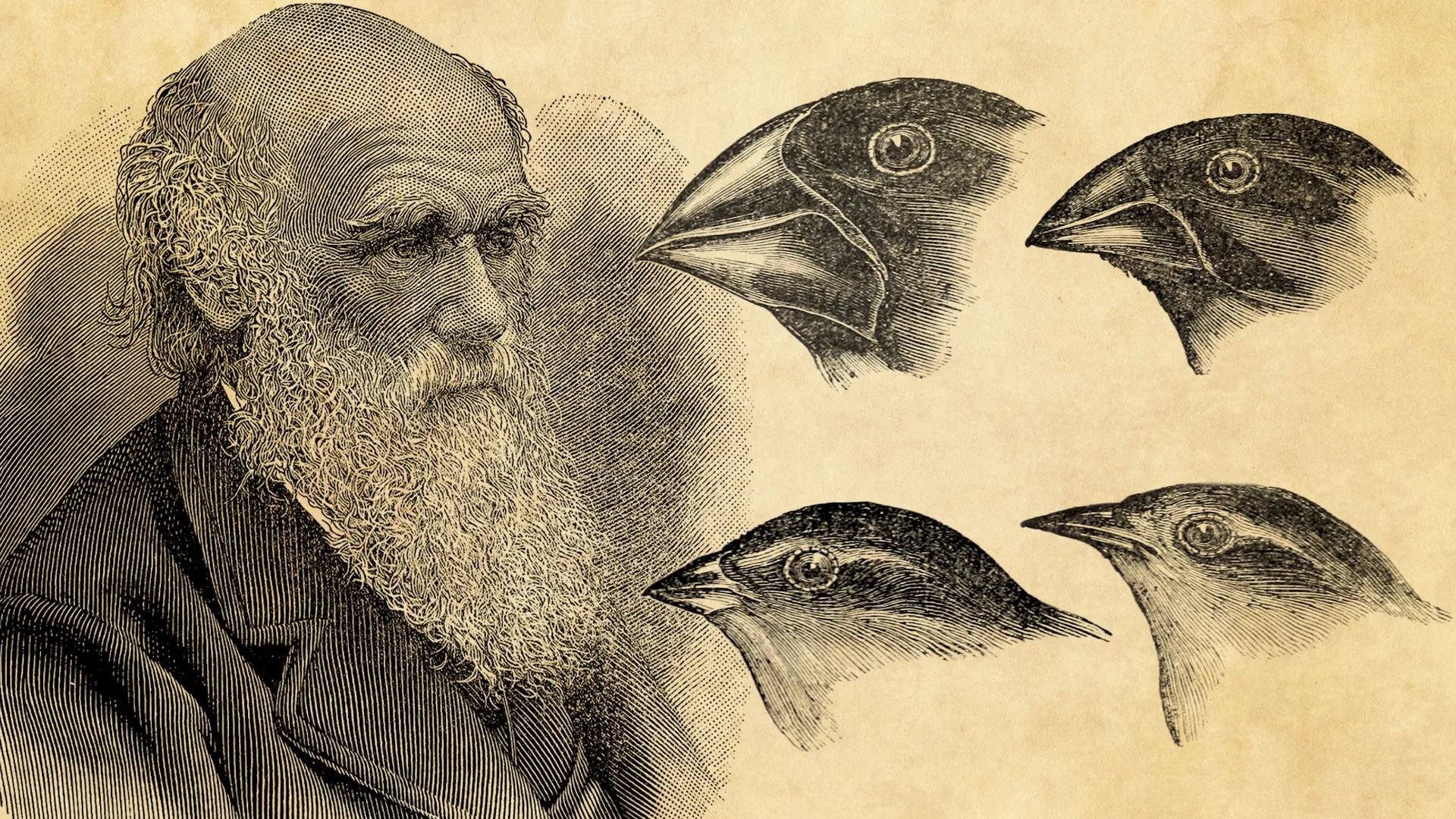
The 14 species of finches on the Galápagos Islands are a classic example of adaptive radiation.
Descended from a single ancestral species that likely arrived from South America.
These finches evolved over millions of years to exploit different food sources.
For example:
The large ground finchuses its robust beak to crack hard seeds.
The cactus finchhas a long, pointed beak for feeding on cactus flowers.
The warbler finch employs its slender beak to catch insects.
These specialized adaptations reduced competition among the finches, enabling them to coexist on the same islands.
Adaptive Radiation Increases Biodiversity
1. Filling Vacant Niches
Adaptive radiation often occurs when species encounter unoccupied niches which are ecological opportunities not yet exploited by others.
Example
After the extinction of dinosaurs, mammals diversified to fill roles once dominated by reptiles, leading to the rise of herbivores, predators, and aquatic species.
Analogy
Imagine a group of students entering a large, empty library.
Each student chooses a different area to study, some head to the quiet study rooms, others to the computer stations, and a few to the group discussion tables.
By spreading out, they avoid crowding and can concentrate on their tasks.
Similarly, species undergoing adaptive radiation "spread out" into different ecological roles, reducing competition.
2. Minimizing Competition
Adaptive radiation enables closely related species to coexist by occupying distinct niches, a phenomenon known as niche differentiation.
Example
Closely related species can coexist by specializing in different niches, a process called niche differentiation.
Tip
When studying adaptive radiation, focus on the ecological niches that species occupy. This helps explain how closely related species can coexist without intense competition.
3. Promoting Speciation
As populations adapt to different niches, they accumulate genetic differences.
Over time, this divergence can lead to reproductive isolation and the formation of new species.
Examples of Adaptive Radiation in Nature
1. Cichlid Fish in African Lakes
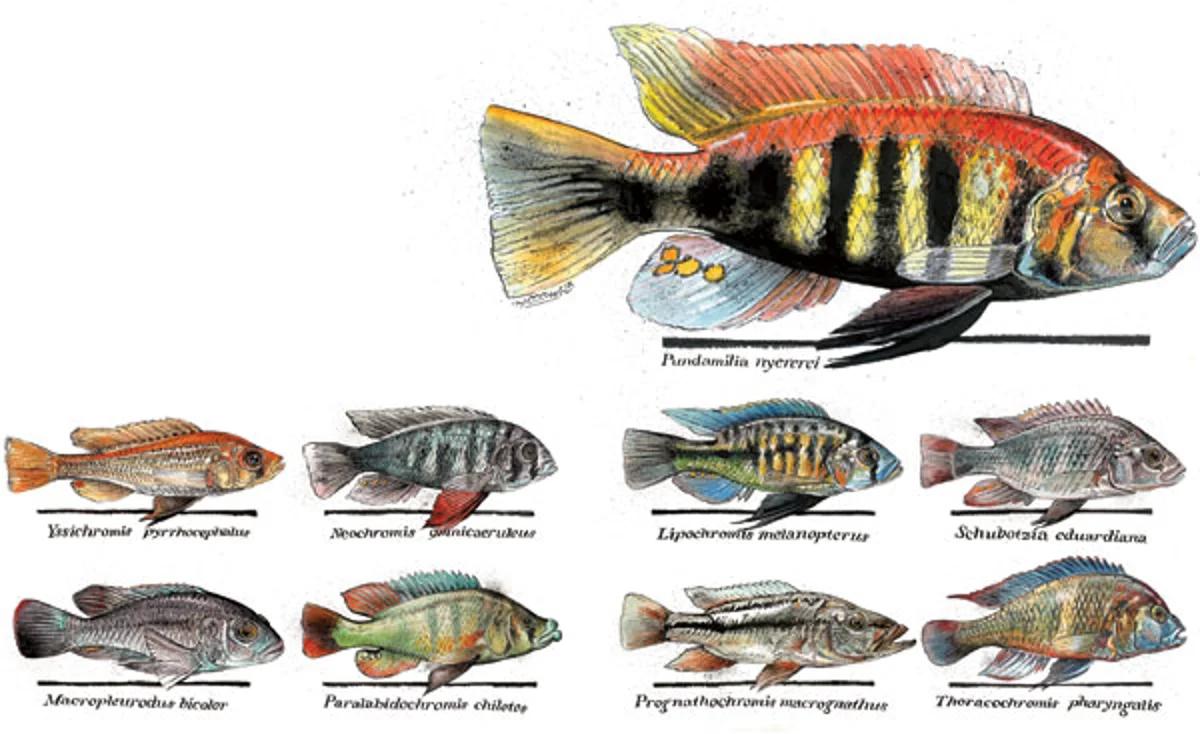
Lakes such as Victoria and Malawi are home to hundreds of cichlid species that evolved through adaptive radiation.
These species exhibit diverse feeding strategies, such as algae scraping, snail crushing, and even scale eating.
2. Mammalian Radiation After the Dinosaur Extinction
After the mass extinction of dinosaurs 66 million years ago, mammals diversified into ecological roles previously unavailable.
Example
Large herbivores (elephants), apex predators (lions), and aquatic mammals (whales).
3. Brocchinia Plants on the Guiana Shield
The Brocchinia genus adapted to nutrient-poor soils by developing unique nutrient acquisition methods:
Brocchinia reducta: Carnivorous, trapping and digesting insects.
Brocchinia micrantha: Collects rainwater and organic debris for nutrients.
Note
Adaptive radiation is not limited to animals as plants, fungi, and even microorganisms can undergo this process when exposed to diverse ecological opportunities.
Mechanisms Driving Adaptive Radiation
1. Ecological Opportunity
The availability of unoccupied niches is a primary trigger for adaptive radiation.
This often occurs after:
Mass Extinctions: Removal of competitors opens up niches.
Colonization of New Areas: Species entering isolated environments, like islands or lakes, encounter minimal competition.
2. Key Innovations
A novel trait may enable species to exploit resources in new ways, spurring diversification.
Example
The evolution of wings in birds allowed access to aerial niches.
Photosynthesis enabled plants to colonize terrestrial environments.
3. Geographical Isolation
Populations in isolated environments (e.g., islands or mountain ranges) adapt to local conditions, leading to speciation.
Warning
A common mistake is assuming that adaptive radiation always leads to successful speciation.
In reality, some populations fail to adapt or compete effectively, resulting in extinction rather than diversification.
Challenges and Limitations of Adaptive Radiation
While adaptive radiation is a powerful driver of biodiversity, it has limits:
Competition with Existing Species: If niches are already filled, opportunities for diversification are reduced.
Environmental Stability: Stable environments with little change offer fewer opportunities for new adaptations.
Extinction Risks: Newly formed species may be vulnerable to extinction if their specialized niches disappear.
Tok
How does human activity, such as habitat destruction, affect the potential for adaptive radiation?
Can artificial niches, such as urban environments, drive adaptive radiation in species like birds or insects?
How does the concept of adaptive radiation challenge traditional ideas of competition in ecosystems?
Self Review
Can you explain how adaptive radiation reduces competition between closely related species?
How does the concept of ecological niches relate to adaptive radiation?
What are some real-world examples of adaptive radiation, and what niches do the species occupy?
A4.1.10 barriers to hybridization and sterility of interspecific hybrids (hl)
Barriers to Hybridization And Sterility of Interspecific Hybrids as Mechanisms Preventing the Mixing of Alleles Between Species
Barriers to hybridization are mechanisms that prevent different species from mating and producing viable, fertile offspring.
These barriers maintain the genetic distinctness of species by reducing or eliminating gene flow between them.
Definition
Gene flowThe movement of genes from one population to another
What Are Barriers to Hybridization?
Barriers can be classified into two types:
Prezygotic Barriers: Prevent mating or fertilization.
Postzygotic Barriers: Prevent hybrid offspring from surviving or reproducing.
Each play a vital role in preserving species boundaries and biodiversity.
Prezygotic Barriers: Preventing Fertilization
Definition
Prezygotic barriersPrezygotic barriers act before fertilization, stopping different species from mating or ensuring that fertilization is unsuccessful.
1. Temporal Isolation
Species reproduce at different times of the day, season, or year.
Example
Two populations of pine processionary moths in Portugal breed in different seasons, preventing interbreeding.
2. Behavioral Isolation
Differences in courtship behaviors or mating rituals prevent interbreeding.
Example
Birds of paradise perform species-specific courtship displays that ensure individuals recognize suitable mates of their own species.
3. Mechanical Isolation
Differences in reproductive anatomy make mating physically impossible.
Example
Insects often have species-specific genital structures that ensure reproductive compatibility only with their own species.
4. Gametic Isolation
Even if mating occurs, sperm and egg cells of different species may be incompatible, preventing fertilization.
Example
In sea urchins, surface proteins on eggs and sperm must match for successful fertilization.
Postzygotic Barriers: Preventing Viable or Fertile Offspring
Definition
Postzygotic barriersPostzygotic barriers occur after fertilization, ensuring that hybrid offspring are inviable or sterile.
1. Hybrid Inviability
Hybrid embryos fail to develop properly, often due to genetic incompatibilities.
Example
The mule, a sterile hybrid of a horse (Equus caballus) and a donkey (Equus asinus), combines the strength of a horse with the hardiness of a donkey.
However, chromosomal mismatches during meiosis prevent mules from reproducing, ensuring no further mixing of horse and donkey alleles.
2. Hybrid Sterility
Hybrids are unable to reproduce because their chromosomes cannot align correctly during meiosis.
Example
Mules (horse X donkey hybrids) are sterile due to having 63 chromosomes, an uneven number that prevents proper pairing during gamete formation.
3. Hybrid Breakdown
Even if hybrids are fertile, their offspring may be weak or sterile, reducing their fitness over generations.
Example
Some hybrid plants produce fertile offspring, but subsequent generations show reduced viability.
Why Is Hybrid Sterility Important?
Hybrid sterility acts as a safeguard against wasted reproductive effort.
Producing sterile hybrids is an evolutionary dead-end because sterile individuals cannot pass on their genes.
This drives natural selection to favor mechanisms that prevent hybridization altogether.
Genetic Incompatibility in Meiosis
The sterility of hybrids often arises from mismatched chromosome numbers or structures.
During meiosis, homologous chromosomes fail to align or segregate properly, resulting in nonviable gametes.
Natural and Artificial Hybridization
Natural Hybridization
Hybridization occurs in nature when closely related species overlap in range.
However, hybrids are often sterile or inviable, limiting gene flow.
Note
Hawaiian ducks (Anas wyvilliana) are threatened by hybridization with introduced mallards (Anas platyrhynchos),
This forms hybrid swarms that reduce the genetic identity of the native ducks.
Artificial Hybridization
Humans have intentionally bred hybrids to combine desirable traits from different species.
These hybrids are often sterile, ensuring they do not contribute to natural gene pools.
Note
In plants, hybrid sterility is less common because they can often reproduce asexually or through polyploidy (doubling their chromosome number), which can restore fertility.
The Role of Barriers in Maintaining Biodiversity
Barriers to hybridization are essential for preserving species boundaries and biodiversity.
Without these mechanisms:
Gene Pools Would Mix: Species would lose their distinct genetic identities.
Ecological Roles Would Blur: Specialized adaptations might be lost, reducing ecosystem efficiency.
Extinction Risks Could Rise: Hybrid swarms might replace native species, as seen in Hawaiian ducks.
When Barriers Fail
While hybridization often poses challenges to biodiversity, it can sometimes drive speciation.
Note
In plants, for instance, polyploidy (doubling of chromosome sets) can create new, fertile species from hybrids.
Tip
Tip:In plants, breeders often induce polyploidy to restore fertility in hybrids, creating new species with traits from both parent species.
Self Review
What are the key differences between prezygotic and postzygotic barriers?
Why are mules sterile, and how does this relate to chromosome pairing during meiosis?
How does courtship behavior act as a mechanism to prevent hybridization?
A4.1.11 abrupt speciation in plants by hybridization and polyploidy (hl)
Abrupt Speciation in Plants by Hybridization and Polyploidy
Hybridization (interbreeding between species) and polyploidy (duplication of chromosomes) enable plants to achieve abrupt speciation, where new species emerge in just one or a few generations.
This process drives biodiversity in wild ecosystems and has been harnessed in agriculture to create new crop varieties.
Hybridization: Interbreeding Between Species
Definition
HybridizationHybridization occurs when two distinct species interbreed, producing offspring with genetic contributions from both parents.
Hybrids are often sterile due to mismatched chromosomes, which cannot pair correctly during meiosis.
However, while sterility is a common outcome, hybrids occasionally undergo genetic changes, such as polyploidy, that restore fertility.
This enables them to reproduce and establish themselves as new species.
Example
The genus Persicaria (knotweed) illustrates hybridization-driven speciation:
Species Formation: Persicaria maculosa likely arose through hybridization between Persicaria foliosa and Persicaria lapathifolia.
Outcome: The initial hybrid combined traits from both parents but was likely sterile until polyploidy restored fertility.
Polyploidy: Chromosome Duplication As A Path To Speciation
Definition
PolyploidyPolyploidy is the duplication of an organism's entire chromosome set.
Unlike animals, plants can often tolerate polyploidy, which provides genetic flexibilityand promotes speciation.
There are two main types of polyploidy:
Autopolyploidy: Duplication of chromosomes within a single species.
Allopolyploidy: Chromosome duplication in a hybrid organism containing genetic material from two species.
How Polyploidy Restores Fertility
Polyploidy resolves sterility in hybrids by providing homologous chromosome pairs, allowing normal meiosis and the production of fertile gametes.
This enables hybrids to reproduce and form stable populations.
Example
Polyploidy in Persicaria maculosa
After hybridization, Persicaria maculosa underwent allopolyploidy, doubling its chromosome number to restore fertility.
Chromosome Count: While its parent species had , the polyploid hybrid had , enabling it to reproduce successfully and establish itself as a distinct species.
Tip
Allopolyploidy involves genetic contributions from two species, while autopolyploidy occurs within a single species. Keep this distinction in mind!
Why Hybridization And Polyploidy Are Important
Rapid Speciation
Hybridization and polyploidy allow new species to form within a single generation
This process is much faster than traditional evolutionary pathways.
Increased Genetic Diversity
These processes combine genetic material from different species or multiply existing genomes,
Creating genetic diversity that enhances adaptability.
Adaptation to New Niches
Polyploid plants often exhibit novel traits, such as larger size, increased hardiness, or enhanced nutrient absorption,
Allowing them to exploit new or challenging environments.
Example
Modern wheat (Triticum aestivum) is an allotetraploid that formed through hybridization and chromosome doubling, resulting in a new, fertile species.
Hint
While polyploidy is most common in plants, it also occurs in some animal species, such as frogs and certain fish.
However, it is far rarer in animals due to the complexities of their reproductive systems.
Self Review
What is the difference between hybridization and polyploidy?
How does allopolyploidy restore fertility in hybrids?
Why are plants more likely than animals to undergo speciation through polyploidy?