POLI345 INTERNATIONAL ORGANIZATIONS
Friday, January 12th
Authority and legitimacy
Do IOs matter?
Why do people accept authority or not?
When is the use of power legitimate?
Types of authority
(According to Max Weber)
Charismatic
Traditional – we have always done this, therefore we shall continue to do so
· With time we might see how we will give traditional authority to the un, however IOs are generally new and therefore there aren’t many examples
Rational-Legal – “if you follow these procedures, then you will succeed”. Codified procedures, legislatures, rational way of doing things
Which of these can IOs draw upon?
IOs as bureaucracies
• Hierarchy
• Continuity
• Impersonality
· Rules and procedures
· Everyone should and is subject to the same rules and regulations
· Very crucial to the IOs
• Expertise
· Staffed through merit-based selection – hiring the most qualified people – also related to impersonality and rules and procedures
· Control systematized knowledge – the ability of the organization to control systematized knowledge, the generation and production of knowledge is important within IOs – to have that authority and power also comes from IOs ability to generate that knowledge
Serving valued social purpose – doing what states can’t do/delegating, overall benefits the whole community
• Technocratic – way of behaving that becomes part of legitimacy,
• Neutral and depoliticized – a sense of impartiality that allows them to serve a role in international politics,
Sources of authority
• Delegated authority
· Because states want this done
· States will listen because that is how they will get things done since they delegate this authority to IOs,
· How does state authority and legitimacy exist so that they can delegate it to IOs? – states have authority and legitimacy because citizens chose to abdicate their own legitimacy to the government in order for the government to make decisions at a national level in their behalf – same idea with states and IOs
· Often talk about how states delegate that authority
• Moral authority
· Because it’s the right thing to do
· We assume that IOs know what’s best and we assume that their decisions will be “morally correct” and will play in the interests of the international community
• Expert authority
· Because we know best what to do
· Effectiveness
· Having better knowledge on what states should do and what’s states desire
Some problems:
• Conflicts between sources of authority
· Morality vs. impartiality vs. delegated tasks
· Sometimes states want to delegate tasks to IOs that are either impossible, or morally incorrect which creates conflicts – also peacekeeping and states survival and security could also play a role in items that could become problematic – some tasks that are delated might affect another country’s survival and security and IOs might not be able to ensure peacekeeping which is how some problems may arise
• Tasks impossible to accomplish or require choosing between principles (peacekeeping, survival, and security)
E.g. Rwandan Genocide
• Impartiality vs. moral authority
· Intervening would mean taking a side – intervening could also mean that you are putting your peacekeepers in danger which was not worth it to the UN, which could result into a worse problem and all peacekeeping will collapse and the UN could lose their legitimacy – “we can’t afford to lose here, therefore it’s better not to intervene”
· At that time (1990s), the UN did not know that they were engaging in a genocide, they thought they were intervening in a civil war
· At that time, they also did not have the delegated authority to intervene
· Too few peacekeepers vs. well-armed groups
· Result: bystanders to genocide
But UN faced other imperatives:
· States wanted to stay out of the conflict
· Doing nothing better than trying and failing
Power and legitimacy
• Classifying the world
· IOs can create categories and give meanings
• Fixing meanings
· IOs can create categories and give meanings such as e.g. what is genocide? What can we classify terrorism as?
• Diffusing norms and rules
· Who can and cannot intervene
IO power
The UNHCR has the power to decide what these terms are, who belongs to them and what treatment they will receive
• Refugee
· Must have crosses and international border
· Deserving of help
• Internally displaced person
· Deserving of help
· Create the incentive to contain people in national boundaries so as to not be classified as refugees
· Incentives not to allow people to cross the border is to reduce the number of people given refugee status
· Who is deserving of help vs. who is not?
• Migrant
· Not deserving of the same help such as refugees or internally displaced people
Bureaucratic pathologies
The things that make them work can also make them fail, but not always
• Rule-following
· They follow procedures, giving them legal authority and legitimacy
• Specialization
· Part of why IOs are important e.g. WorldBank
· Sometimes, IOs don’t have the necessary specialization to deal with certain issues and have to adapt rapidly which sometimes cause issues – here is where the expertise and specialization make create impediments
• Compartmentalization
· Because of the bureaucratic nature of IOs, compartmentalization is how IOs have officials and employees
· Officials and employees don’t have all the necessary knowledge
· Imperfect knowledge becomes and impediment
• Rules become their own rationale
· Rule following, and procedures is what give bureaucracies their legitimacy; following the rules becomes the reason to exist
• Applying universal rules to inappropriate contexts
· Disincentive: Systematic avoidance of the use of a term e.g. genocide/refugee – could cause problems in prosecuting and holding accountable perpetrators
• Normalization of deviance
· People forget that we used to do things differently with time
Legitimacy
Legitimacy
• How do IOs gain and maintain legitimacy?
• How is this linked to their effectiveness?
A common approach sees IOs as part of global governance – very optimistic and “we assume that we know the problem and the goals beforehand”
• Preserve and enhance global common goods
• Develop mechanisms for collective action
They gain legitimacy by being effective at doing them
But: the global governance approach emphasizes mismatch between world’s division into states and global nature of many problems
• Jurisdictional – policymaking is mostly national in scope – many problems are global and we are limited in scope, and thus we must remain within notational jurisdiction – even if we make really good policies, because of jurisdictional restrictions these really good policies will most likely remain in at a domestic, national level
• Operational – public institutions lack knowledge and capability at global scale – states do not have capabilities globally to collect data and operationally they do not have the capabilities since they are drawing from their own resources nationally
• Incentives – states serve their citizens but need to implement global regulations on them – governments are obviously elected by people and obviously we only have incentives to benefit our citizens and therefore our governors have no incentives in helping or consider other citizens internationally; they do not have incentives to even care about their consequences on other citizens outside of their country e.g Canada and environments (promises at the international level vs what actually happens n day-to-day in every province)
Legitimacy/effectiveness
“Why can’t we solve global problems better?” – the global governance approach explains this, but there have been criticism
• Lack of leadership
• Bureaucratic dysfunction
• Complexity of the problems
• Normative divides
Appealing to universal values for moral authority – IOs appeal to these universal values; “
• International community vs. selfish, parochial states -- “the enchanted views of IOs” we are held back from the ideal world for the better of everyone because we are driven by selfishness
• But states do this too – states try to appeal to these norms because they want global sovereignty and legitimacy – this is often what politics is all about
• Peace, sovereignty, human rights, development, social justice…
• Do we always know what is in the common good?
• Does everyone always agree what is the common good?
• Procedure? Outcome?
Monday January 17th, 2024
The United Nations
The UN Charter – master document
• Signed at San Francisco conference, 1945
• Legally binding on signatories (193 today)
• All other treaties are subordinate to it
· No other treaty can go over the UN charter
· This charter creates the UN as an organization
Article 2: “sets the rules”
• No threat or use of force on other states
• Sovereign equality – politically we know that this is not factual, but at least we have this
• No UN intervention on domestic affairs
Non-intervention
• Consent of the host state is required for UN activities
· For the non-intervention clause, the un needs consent of the host state to be able to intervene and help, and if they are refused the peacekeeping have to retreat and declare that the matters are now a state affair matter only e.g. 1950s Egypt withdrew consent, peacekeepers had to leave, were trapped between 2 armies and 2 peacekeepers died
• If it’s withdrawn, aid workers, officials, peacekeeping force (etc.) must leave
• Except when imposed through Chapter VII
Presumes a clear line between “domestic” and “international”
• In practice, this can be unclear
• And it is debated among member states
• Colonialism, small arms, carbon emissions, etc.
· We have tried to clearly define these terms and these are clear examples of domestic vs international affairs discrepancies
Principal organs of the UN
• General Assembly
· All the members are in
• Security Council
• Economic and Social Council (ECOSOC)
· Not as high-profile and “important” as the security council, but states have to answer to
• International Court of Justice (ICJ)
• Trusteeship Council (inactive since 1994)
· Purpose to take the colonies.... trust territories
· Not 100% retired, it’s still part of the charter
· It’s more like the trusteeship council just has nothing to do, however there have been talks to revive it in order to treat with “failed states” who had a collapsing government
UN as a forum
Discussion of problems and what to do with them
ª The only time all government officials and presidents, PMs are in the same room all at once – at the general assembly
Ideally: building consensus and agreement
Sometimes: airing of grievances
General Assembly: voting by 2/3rds majority
ª No legal force, but are understood as the main power globally
“Recommendations” that are non-binding
Sets the UN budget and contributions
Notable GA resolutions
UN Declaration on Human Rights, 1948
ª The expression of the general international community
Uniting for Peace, 1950
ª Because it’s technically non-binding its hard to understand how sometimes its been used to intervene
ª Could circumvent Security Council vetoes – if a permanent member decides to veto against a majority veto – introduced by the USA in fear of the USSR using their veto power
World Summit outcome, 2005
ª Very long documents consented by everyone
ª Responsibility to Protect – this is argued what shifted the meaning of responsibility – where states are understood as serving the people and not the other way around
ª Development goals
Security Council
Five permanent members
ª Can veto resolutions
Ten elected members
ª Chosen by regional groupings
Resolutions are binding: 9/15 votes needed
UN as a resource
ª Many of these resources comes from richer countries
ª Provides public goods that would go undersupplied
ª Knowledge and expertise of specialized agencies
Specialized agencies: ICAO, FAO, ITU, WHO…
ª Funds and programs: Unicef, WFP, UNDP…
ª Other bodies: UNCTAD, UNHCR…
UN as an actor
The Secretary-General may bring to the attention of the
Security Council any matter which in his opinion may threaten the maintenance of international peace and security.
(Article 99)
Secretary-General’s diplomatic work
ª Good offices – means they are going around playing peacemaker – refers to that function of being a good intermediate
ª Persuasion & moral authority – exerts a lot more of this today and this help shift the dialogue to what is more in line with solving the problem or dealing with the issue all according to the secretary general; can basically get done everything that she/he can want which can diminish moral authority is decisions are not taken properly; they must walk a straight line
ª Legitimacy and effectiveness can sometimes be trade-off at the un and in reliance to the secretary general
Compliance
States perceive an interest in:
ª Preserving a good reputation – obviously states don’t want to be shamed internationally, and they can achieve this good reputation and maintain through the UN and IOs – very really see states declare they will disobey international law they won’t do that, instead they will find loopholes and bend the law in ways of saying that what they are doing is justified – e.g. Bush administration remaking waterboarding a necessary means and is not actually torture
ª Maintaining the organization itself – it doeschapter obviously benefit them
Political contestation over:
ª Denying that one is non-compliant
ª Asserting that others are violating rules
ª Defining and interpreting the situation
“Process of justificatory discourse”
ª What did we really do?
ª Why did we do it?
ª Getting others to accept your version
UN can influence this, as forum and as actor
Enforcement
ª Chapter VII of the UN Charter
ª Security Council
ª Sanction
ª Peace-enforcing
ª Authorizing armed force
Depends on politics, and on states themselves
ª Powerful states can get away with more
ª Not paying dues for 2 years: voting suspension –way of keeping states accountable and this is when a difference between legal sovereignty vs legal political sovereignty and where the UN has a bit more power
ª What happened: other states created workarounds
Informal:
ª Shaming
ª Uses the institution’s legitimacy
Friday, January 19th
UN and non-state actors
Global civil society composed of:
(What is global civil society?) – for global problems that affect non-state actors
ª Non-governmental organizations (NGOs)
ª Consultant experts
ª Corporations and foundations
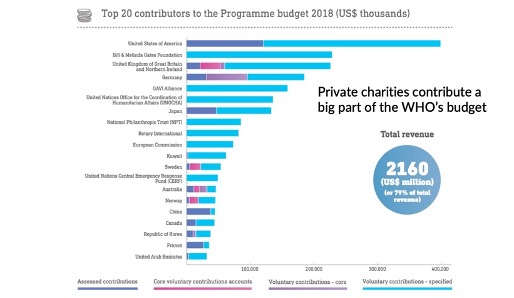 The UN secretariat entirely funded by UN member states. These assessments provide a reliable source of funding to core functions of the UN Secretariat via the UN regular and peacekeeping budgets. In addition, the UN's specialized agencies have their own assessed budgets. Almost three-quarters (72%) of total UN revenue in 2019 came from direct government contributions. 58% of total UN funding originated from the 29 UN Member States that are OECD-DAC members.
The UN and NGOs
Increasing role and participation since 1990s
Integrated into agenda-setting and operations
Most prominent at UN conferences
ª Inclusion of the NGOs was what they thought was crucial to revive the UN and to be able to make the UN important again (early 1990s)
ª They are invited to attend the general assembly or the security council, but it’s not a regular occurrence, however they attend UN conferences all the time
ª It would be weird if we didn’t have NGOs participation
UN Conference on Environment and Development, 1992 (“Rio Summit”)
ª Pushed to create cooperation and consensus by all non-state actors
ª 1,200 accredited NGOs
ª Played role in consensus-building
Numbers have grown since then
ª 2023 Dubai COP: 3,571
UN conferences are a key venue for engagement
Access to documents
ª Because that is where everything is stored, and it provides them with knowledge that provides them with the necessary tools to make policies
ª Also prepares them for conferences
Preconference consultations
Lobbying and advocacy
ª Access to documents and preconference consultations with NGOs is what enables them to lobby and advocate
ª This engagement of the UN is quite important for NGOs as well, and provides insight on UN’s global authority
Provide services, especially humanitarian and development
ª Not just work in conference, but also in development in person work
ª Work with local and international agencies in order to provide humanitarian and development help/work
ª MSF, Habitat for Humanity
ª Coordination/collaboration with the UN, at an international level and local
ª The UN usually at the center because of their moral authority, however it’s not always the case – in some cases other agencies take the lead and lead the operation and the UN will collaborate (but it’s not often we see this)
Collaborate with UN agencies in operations and delivery
Global civil society
Positive views:
ª Very transformative
ª Focuses a lot on peaceful, cooperative and changeable politics that we actually see
ª This has in fact taken place and change the way politics are done since the 1960s to today
ª The UN has in fact been able to change the way we address global problems and the way we navigate through them
Greater representation, inclusion, and accountability
Counteracts power of states and corporations
Potential transformative roles
Universal Declaration of Human Rights
ª 1949-1950
ª Activism outside of the UN
ª In the1990s, the most successful realisations were the creation of the ICJ in 1998, the ban on landmines and the changed the policies within the IMF in order to ensure real legitimacy and biased-free countries
Land mines ban (Ottawa Convention, 1997)
International Criminal Court (Rome Statute, 1998)
Changed practices of World Bank and IMF (2000s)
Negative views:
ª Elitist and unelected
ª Don’t represent those they claim to help
ª Reinforces the global order
ª Elitist in the way that these are people who have time to sit around an think
ª there is no real election so are the people who are representing legitimate? They tend to not always represent those who they “help” and we hear it a lot from the developing countries
ª A lot of tension between NGOs and the representatives (some have loose morals)
ª Reinforcing a global order that is already broken and unjust doesn’t solve the issue, what would solve the issue would be either overthrowing capitalism and start from scratch or fix the system but how? Reinforcing a system like that is useless, we’re turning in circles
UN as leading actor?
Forum for values debates
ª Discourse for deciding, deliberative function of identifying and attack on global issue
Actor: e.g. Global Compact
ª Launches own initiatives to tell enterprises about the key principles they should abide by
ª Remind business about the moral norms they should abide by
Resource: legitimacy for NGOs
ª Legitimacies the global agenda and the kinds of direction these initiatives and plans should go
UN’s role in public policymaking
Key locus of world stage
ª Un acts as a conductor that helps everyone “sing the same tune”
ª Specialist expertise
ª Orchestration
NGOs and the UN
The evolution of the International Organization for Migration
ª Started as an NGO and ended as an organization within the UN
Established in 1951
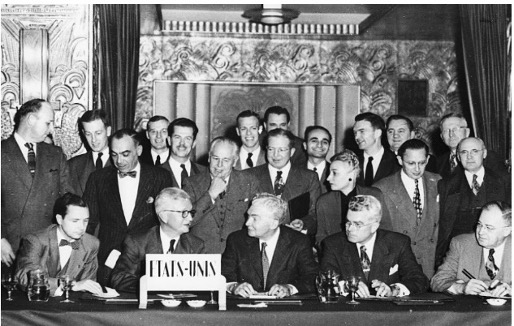
Became a “related organization” in 2016
ª They were only recognized as a related organization in 2016 because they don’t operate the same as the UN so great evolution
ª They were initially called Provisional Intergovernmental Committee for the Movement of Migrants from Europe (PICMME)
ª Created in the 1950s because Europe had a problem with the surplus population
No clear mandate for who it deals with, or to protect migrant rights
ª This is still somewhat how they operate but the practice changed, have a lot more projects right now
ª They didn’t use to have a mandate that said “protect human rights”, doesn’t mean they were out there and abusing immigrants but the UN wasn’t seeing its legitimacy and they had a history with returning migrants to their home without their consent – sketchy stuff
Was often viewed with suspicion by UN secretariat
ª US-dominated – viewed as a US puppet at that time and the UN was not impressed
ª Non-normative
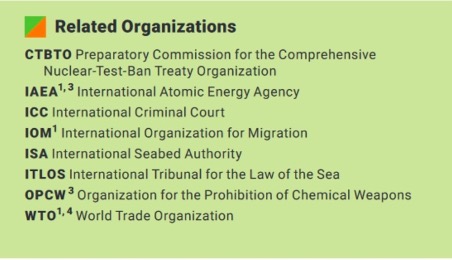
What really is a “related organization”?
ª Legally autonomous from UN
ª Governed and funded independently
ª The gray zone of the UN
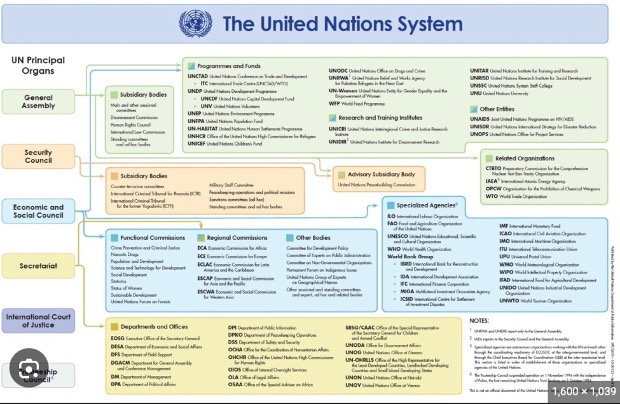
Why be part of “UN system”?
Gain policy influence vs. maintain operational flexibility
ª Being part of the UN system is very important for NGOs
ª The IOM was a tradeoff, important to gain legitimacy and be able to take care of
ª Part of the deal in 2016 was that the IOM needed to follow the UN charter and follow the same rules as the other agencies within the UN, howvere they were allowed to remain as a non-normative organization
ª Still “non-normative” but agrees to follow UN Charter principles
ª The UN had an incentive to bring the IOM on and that is what pushed them to agree to let IOM join the UN and kind of brand themselves as a UN agency which gave them legitimacy and that moral ground and authority
ª “IOM has worked closely with the UN since our foundation at both operational and policy levels. IOM Member States recognize IOM as the global lead agency on migration. And now, becoming a part of the UN family will give IOM a vital voice at the UN table to advocate for migrants and their rights worldwide.
ª “We are living in a time of much tragedy and uncertainty. This Agreement shows Member States’ commitment to more humane and orderly migration that benefits all, where we celebrate the human beings behind the numbers. This is an historic day, not only for IOM and the UN, but for migrants and their families across the globe. I look forward to 19 September when Secretary-General Ban-Ki Moon and I will sign this Agreement into reality.”
ª UN’s relationships with other IOs?
Amnesty International
ª Working through the UN since 1970s effort to ban torture
ª Drove for IO and UN agency creations: HCHR, ICC – proving itself as a very powerful NGO ever since their torture ban breakthrough
ª Routinely called upon advice and consultation
ª Some states tried to exclude it because every year they release a report that shows every countries’ wrongdoings and human rights violation done by all countries every year – in 1970s the USSR and Chile tried to exclude amnesty international out of the UN for this exact reason
ª Knowledge production: lots of reports
ª Professionalized – all of their staff is lawyers, sees a lot of their work as human rights as legal work and are able to create dossiers to prosecute violations of human rights
NGOs and the UN
ª Different strategies and different organizational cultures – more often, their information doesn’t come from lawyers, it comes from underground workers that are able to infiltrate seaminglessly organizations and governments in order to extract information – the lawyers will then combine all the information and make dossiers – a way that NGOs and Amnesty International works and are able to call out political figures and organizations
ª Independence from UN and state interests
ª Defuses activism – for fundamental change, expose power dynamics and power inequalities
Wednesday, January 24th
International Security
Role of the UN
o Primary responsibility for maintenance of international peace and security
o What did this mean in 1945?
o Conflict between states, by states
o Response only to such conflicts
Issues of “international peace and security” are now interpreted to include:
o War crimes
o Apartheid
o Civil wars
o Nation-building efforts
o Holding elections
Security Council
o States are sometimes concerned that the security council could abuse its power because of their power to intervene the US tends to be the most concerned.
Strongly constrained in practice
o States resist going too far
o Fear of setting precedents
o Permanent members’ veto a lot of the permanent members often veto a lot of the decisions and that is why we see so few resolutions.
Main instruments of the security council
o Power through persuasion
o Uses various instruments to shift the political ground
o Political leverage and diplomacy
Peacekeeping
Uses Chapter 6 of the UN Charter (uses the consent from the host state in which the peacekeepers are operating)
o Multinational force authorized by UN
o Impartial between the sides of the conflict
o Use force only in self-defence they do police the actors in order to reassure peace and safety but mainly use self-defence if attacked, no direct violence.
o Consent by relevant governments
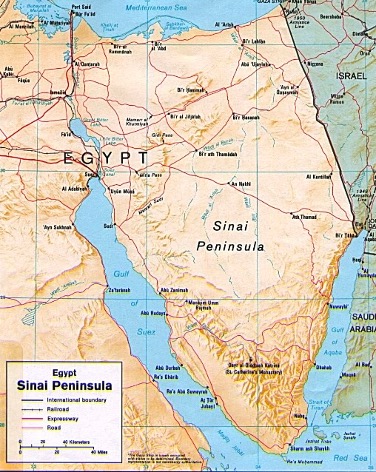
Suez Crisis, 1956
o The Egyptian governments tried to nationalize the canal
US/Egypt vs. France/Israel/UK
o They tried to take the canal by force
Use of “Uniting for Peace”
o The US was not okay with this, as France, Palestine occupiers, and the UK thought
o Seen as a post-soviet revilary
o The US was trying to get Egypt on his side.
Peacekeeping force deployed for first time
o Egypt consentd to having peacekeepers on its land.
o Palestine occupiers did not for political reasons, did not like the fact that the US was backing Egypt
o Seen as the 1st success UN peacekeeping mission.
Lester B. Pearson gets Nobel Peace Prize
o Deescalated the conflict, avoiding WW3
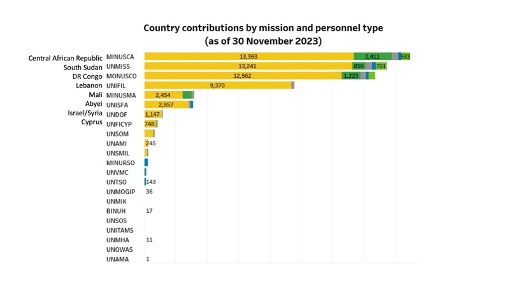
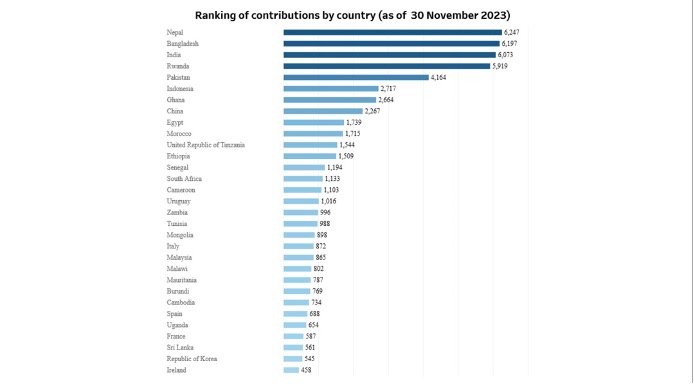
o An opportunity to get trained by veto countries
o World praise for getting involved
o If other countries see that other countries are involved, then it will act as an incentive for other countries to be involved
Peace-enforcement
Chapter 7 of the UN Charter
o The chapter that authorizes force without consent
o One of the chapters that in essence, allows the United Nations to use force in order to ensure peace and security
o Decided by the security council
o No actual restrictions
o No UN army – therefore other states have to provide their military
o Chapter 7 is basically war – agreeing to war
o Hard to get chapter 7 enforced because of the lack of an UN army, states aren’t ready to send their soldiers to die like that
o Can authorize war to accomplish goals set by Security Council
Ambiguities
o no clear examples since the Korea war – where chapter 7 was enforced
o the only war the UN flag was raised
o when Koreans found American bodies and sent them home in coffins, they had the UN flag on the coffin and not the US flag because they fought for a UN war
Civil wars and states killing own people: “international”?
What if a peacekeeping situation becomes violent?
o The problems with the distinctions between chapter 6 and chapter 7 can create a lot of problems for the UN because the UN cannot get involved with state affairs/domestic affairs (according to the UN charter)
Chapter 7 is rare – so negotiation with host state necessary
o Most likely never chapter 7 – always chapter 6
o Negotiations are necessary to avoid chapter 7
“New wars”
Non-state armed groups
o Isis
o Lord resistance army (in the congo)
Doesn’t aim to gain territory or control of state
o Wars that might start civil wars
o Wars that weren’t started with the intent to take over the government
o All these groups were just trying to maintain their own existence – organized crime – such as the cartels in Latin America
o Dealing with these groups have become a UN problem over the last decade
Spills over state borders
o More recently: Blurred line between war and organized crime
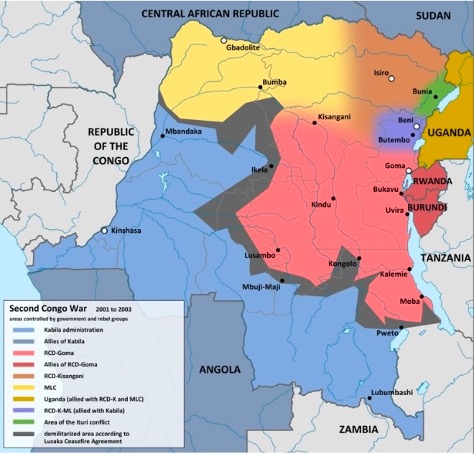
Congo Wars (1996-97, 1998-2003)
o The worst conflict since WW2
o “Africa’s World War”
o Lootable resources – things that can be easily carried way
o Massive civilian impact
· The Rwanda genocide 1st bad, bad conflict
· Spills over Uganda
· Becomes very difficult to deal with since it spilled all over the borders and it’s no longer just an issue in Rwanda
Does peacekeeping work?
What should it accomplish?
• Increased:
o Duration of post-conflict peace
ª Risk of re-eruption drops by 75%
o Likelihood of conflict ending
ª If the conflict doesn’t restart in 20 years, then it’s considered a successful mission
• Reduces:
o Conflict contagion
o Intensity of violence
Friday, January 26th
McMun
Human Security, R2P
è What should security mean? Of states? Of human beings?
Human security
Why is it that we think states are worth securing?
ª Because of human life and dignity
Campaigns the ban landmines and chemical weapons 1990s
Only violence? Include poverty, natural disasters?
Issues only of humans on human violence?
Exam question: The concept of human security shifts the thinking away from states v. state and state on state violence and instead the protection of individuals from violence (in particular in the international setting, in the United Nations)
What does security mean?
International security problem changed: (1990s)
ª State incapacity (instead of strong states trying to conquer others)
ª Tyrannical rule fostering violent rebellion
ª War in 1990s – ethnic wars – internal conflict spills over borders (Yugoslavia, Bosnia, Rwanda genocide, wars in central African) instead of state v. state, military v. military
ª Often targets civilians
ª This is a new type of war, which was not really considered when the UN began in 1945
Sovereignty and intervention
What can justify foreign intervention? Answer has changed over time
ª State breaking its commitments (debts)?
ª Acceptable pre WWII for foreign powers to collect commitments by force
ª Bundle diplomacy
ª US Doctrine in Caribbean, Latin America (European powers collecting debts, considered ok under international law because of broken commitments (look up))
ª Massacres of civilians?
o Pre WWII: Foreign states intervened for the rights of Christians in the Ottoman Empires
o Post WWII: Sovereignty and non-intervention = more important
o Cold War era:
§ Sovereignty means non-intervention
§ Important in this era of decolonization
ª Indian initially used humanitarian justifications during Bangladesh independence war in 1971(Bangladesh was a part of Pakistan – War between east and west Pakistan, East Pakistan became independent now Bangladesh)
o India intervened to protect civilians from the armies
o Political push backs from other states, remove this from the record, due to the the new importance of nonintervention
o Moral importance on independence, decolonization at this time
o Similar cases in Tanzania, Uganda
ª Atrocities in the 1990s: seen as failures of UN peacekeeping itself
ª Different kind of conflicts in which civilians are targets (and not just incidental to the main objectives)
o Shifted the thinking of international security problems: problems are no longer coming from conflict between states but also issues within states, civil wars and conflicts
o Argument to shift the focus of international security in the UN: this is not new– this is a shift, new framing that we should have been thinking about sovereignty
International problem of internally displaced persons
ª Sudanese diplomat Francis Deng (now UN ambassador for South Sudan)
ª Working on this issue arising from the fact that people are refugees only when they cross an international borders
o Deng: this makes no sense
o How do we shift the discourse within the UN in a way that says that these people need help regardless of what the host nation says
ª Issue arises from
o State incapacity (at best)
o Preventing outside help by asserting sovereignty (worse)
§ UN charter says UN needs to have consent from the host state to do anything
ª Deng’s work does have some impact
o African roots of R2P:
§ “African solutions for African problems”
§ First formalized in 2000 African Union charter: Article 4(h)
· (h): the right of the Union to intervene in a Member State pursuant to a decision of the Assembly in respect of grave circumstances, namely: war crimes, genocide and crimes against humanity
ª Not so much in the UN:
o Kofi Annan faces resistance
o Coming from postcolonial states, concerned this could be used to reverse decolonization, fought hard to gain independence/non-intervention from colonial powers
ª International commission sponsored by Canada, headed by an Australian
o Countries which saw themselves as contributors to peacekeeping
o Gareth Evans (Aus) Lloyd Axbery (Cad)
o Funded by Canadian government
o Go on tours of different regions
ª Efforts to build state consensus
ª The responsibility to protect: some important arguments
o Doesn't make new law but clarifies what already exists
§ Thought to create new laws would create more pushback
§ This is already in the Geneva conventions, other treaties we’ve signed, etc.
§ Writing them down more specifically and putting them in a UN resolution
o UN risks losing authority if it can’t act on humanitarian crises
o Responsibility not intervention
A little bit more complicated
Responsibility to Protect
ª “Each individual state has the responsibility to protect its populations from genocide, war crimes, ethnic cleansing and crimes against humanity”
ª The international community, through the United Nations, also has the responsibility to use appropriate diplomatic, humanitarian and other peaceful means [...] should peaceful means be inadequate and national authorities are manifestly failing to protect their populations from genocide, war crimes, ethnic cleansing and crimes against humanity.
To be taken away from R2P
ª As written:
o Emphasizes diplomacy and peaceful means first
o Chapter VII is possible
o Wraps everything in the UN charter
o Enable action– does not require it
ª Three pillars approach
1. Primary responsibility of states to protect own populations fro atrocity crimes
2. States are to assist each other in doing this
3. States are ready to take collective action when any state is “manifestly failing” in this responsibility
Criticism of R2P
ª Americans against it: US ambassador John Bolton at the World Summit in 2005
o Concerned about the word ‘obligation’
o Feared it might create expectations from US operations
o This opposition was so intense they dropped it completely from the agency – but was rescued by African supporters
ª It’s not used enough
o Syria, Darfur, Myanmar
o This hasn’t solved the problem because its not being used in cases where it could have been
ª It's used too much
o Or could be used disingenuously
ª Those against R2P altogether might use these two arguments together: it’s not used enough and it could be used disingenuously
ª Important: R2P only became part of the UN obligations in 2005 (response to Rwanda)
Wednesday, January 31st
World Trade Organization (WTO)
Political controversies over world trade agreements
ª Regulatory harmonization
ª Special and differential treatment
World trade
ª Comparative advantage and gains from specialization
ª Trade barriers as a collective action problem: if no one has trade barriers or subsidies, no one would need them
General agreement on Tariffs and Trade (GATT) regime principles
ª Non-discrimination (where it comes from shouldn’t matter)
ª National treatment (any benefits for nationally produced goods should also be applied to imports)
ª Most favored nation (everyone treated as if they are the most favorite nation)
ª No quantitative barriers (quotas) (only tariffs)
[Slides]
Sources of power in negotiations:
ª You are a large, wealthy export market that lots of countries want to access
ª You have legal, diplomatic, and economic expertise (i.e. knowledge of what is in your interest and how to get it)
ª Consensus voting– but strong pressure not to be “spoiler”
World trade: Uruguay round 1986-1993
ª Established the WTO
ª Expanded to trade in services (GATS)
ª TRIPS (minimum patent and copyright protections)
ª Legally binding (to the extent that international law is binding) dispute settlement mechanism
World trade
ª High levels of compliance
ª Tariff levels have indeed gone down
ª Triumph of a rules-based system?
ª Based on political compromises
Trade politics: Trade is beneficial overall, but it benefits some more than others
ª Domestic political pressures over uneven costs/benefits
ª Escape clauses and exemptions:
o National security
o Health and safety
o Cultural protection
ª International trade system is built on political compromises
Trade politics: Exploit trading partners’ openness?
ª Regulations that disadvantage imports
ª Subsidies and hidden subsidies
ª Big wrangles over what’s ‘fair’ and what’s ‘cheating’
o Longstanding provision
o Gives special treatments and exemptions to developing countries
o Poorer countries are given more leeway, more exemptions from the rules
o What happens when these countries develop and become powerful actors?
ª Consensus voting, but texts often agreed among major economies
Dispute settlement body
ª Helps maintain a rules-based process
ª Enforcement by authorized retaliation
ª Not supposed to use or create precedents (but this is hard to avoid in practice)
ª Controversies:
o When are regulations disguised protectionism?
o When should trade principles take priority?
o How to defuse conflicts over other policy issues within trade?
ª Hidden protectionism issues:
o Shrimp/turtles
o Beef hormones
§ [slides]
o Hidden subsidies by state-owned banks
o Tobacco packaging
§ Indonesia v. Australia: regulations “must not be more trade-restrictive than necessary to achieve a legitimate objection”
§ Australia passed a law forcing cigarette companies to use the ‘most disgusting shade of green’ on their packaging
o Carbon border taxes
Dispute settlement void
ª Appellate Body members are appointed for 4-year terms
ª Three needed to hear an appeal
ª Rulings are not effective until appeal is heard
ª Judges have to be accepted by all WTO members
ª US has blocked new judges since 2017
ª “Appeals into the void”: they can’t be heard/ so the ruling can not take effect
ª Solutions:
§ Multi-Party Interim Appeal Arbitration Arrangement
· Includes Canada, EU, China (26 total)
§ Does not include US, Russia, or India (countries most often involved in WTO disputes, major economies)
§ Ongoing negotiations ongoing in Geneva
WTO impasse since 2011
ª Doha Round made little progress
ª Further multilateral work suspended since 2011
ª Shift to preferential and regional agreements
Changing trade
ª Class picture focuses on [slides]
Trade today
ª Complex goods in global value chains (CVCs)
§ Multiple sources, inputs, components
§ Inputs are at least 50% of
§ [Slides]
ª Services and intangible
§ 40% of world trade
§ 75% of developed country GDP
§ Growing faster than goods trade
§ Intellectual property and licensing
ª Comparative advantage picture implies trade would be in different types of things: most trade is actually between similar economies and within industries
ª Increased
§ Preferential trade agreements
§ Mega-regionals
§ Behind-the-border issues
ª What should/will trade take priority?
§ Carbon border taxes and environmental measures
§ Digital services
§ Human rights
§ Labour and employment standards
Friday, February 2nd
International Financial Institutions
The Bretton Woods institutions
initiated at the Brentwood conference almost at the end of WW2
World Bank
ª Funding, resources, and expertise for economic development
ª Originally, in the mandate it was said the World Bank would reconstruct and fund, but now it is about funding countries in development –shifted goals from reconstruction to poverty reduction and moves on to sustainable development goals (SDGs)
ª Also, loans – more project based rather than emergency crisis
International Monetary Fund (IMF)
ª Emergency loans for states facing balance of payments crisis/ or sovereign states
ª Debt crisis when countries are in such debt, or when countries don’t believe will benefit from their investment and so the IMF steps in and “rescue”
ª Also known as “IFIs” (international financial institutions)
Other important IOs
Bank for International Settlements (BIS)
ª Cooperation between central banks
ª Financial system stability and banking regulations
Knowledge production, sharing best practices
ª Organization for Economic Cooperation and Development (OECD)
o Developed country “club”
UN Development Programme (UNDP)
UN Conference on Trade and Development (UNCTAD)
o Specialized bodies of the UN that deal with research and collecting knowledge
International development
Bretton Woods system was meant to facilitate development
ª Majority of the initial group of people in the conference were people from developing countries
ª “modernization theory” – the people from developing countries also wanted that developed word
IMF would give:
ª Short-term loans for commodity- exporting countries
ª Help with capital controls and exchange rate adjustments
World Bank:
ª Economic development loans for less-developed countries
ª Advice and expertise
World Bank Group – composed of 3 institutions
IBRD – What we usually mean by “World Bank”
IFC – private development programs (IBRD cannot lend to private actors)
IDA – below-market interest rate loans for poor countries
o lends loans to countries
o provides multiple avenues so that these developing countries can develop
World Bank decision-making
Shareholder-based voting
ª more shares you have, more power you have
ª yes, the more money you have the more power you have because the countries with the most money are the ones investing the most into the IMF
Six largest shareholders get their own seat
ª USA, Japan, China, Germany, UK, France
Everyone else delegates to a representative (usually regional)
World Bank
Project-specific lending
ª E.g. making schools floodproof in countries where floodings are often
Must be related to its development mandate
Periodic shifts in ideology
Human/sustainable development
Built on the arguments of Amartya Sen
ª Wrote this book about what des development really mean and what do people really want to develop? –
o He said by developing, you’d increase the people’s power to make choices and have “liberty”
Development means ability to make choices
Education and health are just as important as GDP
ª The clapback he got
ª He argued against the argument that was centered around the ideology that you need an authoritarian government to be “powerful like the Americans”, he in fact vouched for the ideology that in order to be powerful you need a democratic regime
IMF
International Monetary Fund
Emergency loans to states in crisis
o Furthering international monetary cooperation
ª This is what it’s supposed to do in theory
ª but they actually don’t have enough resources, during the 2008 crisis the IMF quite literally didn’t have enough money to sustain the international system, so the American National Security Fund supported the international system because the USA is the only country that can produce the US $ and that is what was needed by most countries during the crisis
International lender of last resort
ª No interest or below market rates
ª Preferred creditor status: IMF loans should be paid back first
o If you get a loan from the IMF, you must pay the IMF before you pay anyone else
Funded by quotas from member states
ª Member contribution
ª Dependent on how big a countries’ economy is
Voting power depends on how much money you’ve put in
ª Rich countries have more power
ª But also means bigger economies have more votes
Funded by quotas from member states (revised every 5 years)
Voting power depends on how much money you’ve put in
But also means bigger economies have more votes
IMF voting power
United States: 16.5% Japan: 6.14% China: 6.08% Germany: 5.31% France: 4.03% United Kingdom: 4.03% Italy: 3.02% India: 2.63% Russia: 2.59% Brazil: 2.22% Canada: 2.22%
Saudi Arabia: 2.01% Spain: 1.92% Mexico: 1.80%
Neoliberalism
A package of:
ª Privatization
ª Deregulation
ª Liberalization
Cut taxes, shrink government
ª Let the private sector do the stuff
ª Started in the UK with Margaret Thatcher
Washington Consensus
ª Became known as the Washington Consensus because the 2 financial institutions were next to each other in Washington and came to the consensus
Policy orthodoxy from 1980s to 2008(ish)
ª Fiscal discipline (no deficits)
ª Privatize state-owned enterprises
o In a neoliberal way of thinking, this is the most efficient way to function for the government and for the consumer
ª Deregulate and liberalize
ª Market-driven exchange rates
ª Open up to trade and investment
Important side note on ideas
Contrast the IMF’s original role to neoliberal norms
ª Fixed exchange rates and capital controls
o The policy at the time was to stop countries changing the exchange rates too quickly – the norm was capital controls but later becomes flexible
ª Floating rates and capital mobility
Conditionality
IMF and structural adjustment programs
ª For loans to be repaid, economic recovery is needed
ª But reforms are often painful
ª Politicians can use IMF as scapegoat
o Blame the IMF – “I didn’t want to stop subdivide corn; the IMF made me do it”
ª IMF programs became increasingly detailed in 1980s-1990s
o Because they were becoming irrelevant
ª Criticized for forcing “neoliberal” economic model
ª Blamed for economic pain in crisis-hit countries
Reforms and legitimacy
Legitimacy crisis in 2000s
Perceived failures of expertise and ideological dogmatism
Changed approaches necessary
Return of Keynesianism?
Debt sustainability
Renewed emphasis on debt relief and write-offs
o Aka debt removal and still maintain economic growth
Find balance between fiscal austerity and economic growth
Country ownership
The bailed-out country must “own” the program
Numbers must add up
o but government can decide the policies to achieve that
Problem: IMF’s bad reputation really sticky
Conference:
WTO absolute gains to be made by all countries
Goal: facilitate free trade
facilitate tariffs
MFN
reciprocity
dispute settlement
no quotas / NTB
bound tariffs – why do we still see tariffs despite every country having tariffs? Countering dumping/ protectionism
national-treatment
exceptions – regional/preferential trade agreements – agriculture – cultural exceptions aka language barriers
political/economic harm?
No class on Wednesday, February 7th
Friday, February 9th
Human Rights and IOs
Human rights
The broken chair in Geneva
ª Seeks to change how states behave domestically towards their own citizens
o sometimes controversial because some see it as a state affair, this is sovereignty and no external actor should have a say in state affairs
ª Empowers citizens against their governments
o empowering citizens but just enough to not overthrow the government – kind of silent mutual understanding
So are international human rights institutions effective?
UN and human rights
ª Universal Declaration of Human Rights, 1948
o Aspirational
o Universality principle
§ A principle that should apply to all states regardless of whether or not they signed or ratified any human rights treaties
o In response to the horrific effects of WWII and the Holocaust – shaped the way we think today about human rights
ª Not binding, but is basis for treaties which are
o And which have legal force
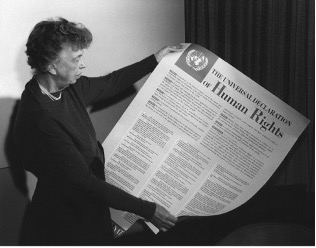
the Widowed Roosevelt wife, influential person in the UNDHR
Human rights covenants
Elimination of Racial Discrimination, 1965
Civil and Political Rights, 1966
Economic, Social and Cultural Rights, 1966
Elimination of Discrimination Against Women, 1979
Convention against Torture, 1984
Rights of the Child, 1989
Disability rights, 2009
Migrant worker rights, enforced disappearances
Human rights treaties – compliance
How do we track violations and what do we do about it?
ª Treaty monitoring bodies report on compliance
o They monitor countries and report on how good the respective countries does is in respecting the treaties they signed
ª UN Human Rights Council and Universal Periodic Review (since 2005)
o Monitors, creates and reviews the report and this happens to all countries regardless of whether or not they signed the treaties
o Covers all member states
o Serves as a way to keeping everyone accountable when it comes to human rights
ª Designed to be weak and constrained
o The whole system is not weak and constrained because it wasn’t drafted properly, it was done on purpose because states do not want this intrusivity and huma rights watch
o The institutions of the UN do have these weaknesses because this is what was acceptable by all states and had them all sign and ratify the treaties and states obviously have their own interests as a priority and you need the states to comply in order to sign the treaties
Human rights bodies
UN Human Rights Council
ª Member states elected by secret ballot
o Can’t be on the ballot for more than 2 years, you need to be re-elected
ª Proportionate by region
ª No more than two terms in a row
ª Prone to politicization
o It is a political body after all
UN High Commissioner for Human Rights
ª Information + advocacy approach
o Does much more advocacy than information
ª Independent expert body
ª High commissioner’s diplomatic work also important
o Face to face with world leaders that violate UNDHR
ª Regional bodies: often attached to regional organizations
o Arguments today that human rights are not universal, and are in fact cultural and regional – therefore regional bodies have been created
o Regional bodies can be more influential sometimes even more than the UN since it could feel less “western” and more culturally influential
§ E.g. 1990s, current argument that the Asian culture/values were not the same therefore why would western human rights apply in an Asian culture? included state leaders Japan, South Korea, Singapore and Taiwan
§ Singapore was against saying that their culture is not the same as western culture
§ Japan and South Korea were not 100% for all western human rights but were still on board with it – created tensions
§ These aspirations and tensions exist all over the world and this is how we try and escape human rights violations
§ Another controversial example: freedom of religion
More to come:
ª International Labour Organization
ª International Criminal Court
Spreading human rights
Socialization and persuasion
o About creating a good logic, the ideal that every state and everyone should look up to
o If you want to be a good state, then you should follow all the human rights rules we created
ª Information exchange and interaction between transnational and domestic actors
ª Requires domestic mobilization and support in the “receiving” country
o If you don’t have domestic support why would that government ever care about this issue
o Governments only care about themselves and their people to a certain extense
*Boomerang model
ª Activists/NGOs influence states through:
o Advocacy in trans-national networks
o International socialization and persuasion
§ Bodies such as Amnesty International
§ Non-state
o Called the boomerang model because it goes out and comes back
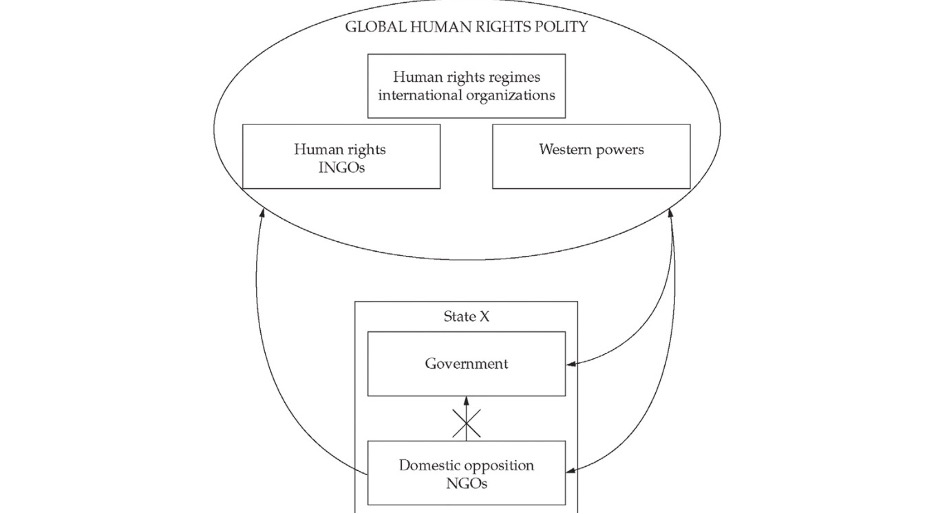
Example: Anti-apartheid
ª Moral persuasion and social pressure in international context
ª Transnational advocacy networks worked with South African opposition
o Through sports banning and other states cutting them off
ª Mobilization of international campaign to pressure apartheid government
o Through these transnational advocacy campaigns and networks, the domestic and international pressure played an important role
o This is important to have in democracies
ª States increasingly restricted relations because of domestic pressure
o Played a major role in bringing down what happened in South Africa
Shaming
ª Shaming is the main form of “punishment”
ª Whether it works depends on:
o Relationship between shamers and target
o Domestic mobilization and support in target
ª NGOs are fighting for this everyday mobilization to stop human rights abuses
ª Not a problem when it comes to the boomerang model, but the problem comes with trying to convince a state about a human rights violation or a policy but the citizens in the states don’t really care about
For the one doing the shaming:
ª Creates incentives to comply
ª Signals own commitments
ª More generally, even if you have a more hypocritical way of shamming, it still creates publicity and it still shows the fact that people are in alliance
ª Shaming reinforces the idea that human rights are important and should be respected
ª Its not about being perfect, but about understanding it is important and ir creates compliance and the incentive to get other states to comply
ª When you are internationally shamed, you are less likely to continue wanting to expel that minority group out of your country because you lose legitimacy at an international level and may lose connections, trade treaties etc.
Why does the target resist?
ª Values the practices being shamed
o Guantanamo Bay: US believes and convinced key leaders that is was a national security problem
ª Has countervailing material interests
o Leaders want to stay in power
o If I stop doing this, my hold on power will cease
o States are willing to bear the shame
ª It matters who does it
ª More effective from allies and “peers”
ª Less effective when adversarial
o Can become nationalist issue
o Defiance: can make situation worse
ª 2014: Criminalization of homosexuality in Uganda
ª Threats of sanctions and aid withdrawal by EU and US
ª Ugandan politicians mobilized resentment to gain support
ª Reported spike in anti-LGBT hate crimes
Political debates
ª Are human rights universal or culturally relative?
ª Which rights in the UDHR could be rejected on cultural grounds?
Conference:
Human rights
What are human rights? What are rights? What do those signify?
ª Universal = you have these rights because you are human, simply existing
ª Inalienable
ª Physical/mental capabilities
ª E.g.:
o Civil & political rights
§ Civil = right to assembly, freedom of expression, right to vote, right to have your vote counted
o Economic & social
o Cultural relativism
§ Singapore/Asian values tensions towards the west’s idea of human rights
o Power & hierarchy
§ Oppress vs dominant
ª Limits?
o harm principle?
o Conditions?
ª ‘Non-derogable human rights’ refers to rights that are absolute and may not be subject to any derogation, even in time of war or emergency. Article 15(2) of the European Convention on Human Rights (ECHR) provides a list of rights that may not be suspended under any circumstances.
ª At the highest level, the CONCEPTS is what everyone agrees on aka everyone agrees that ‘right to life’ is cool but the IMPLEMENTATION part is where everyone disagrees such as is the ‘right to vote’ something applicable to prisoners/murderers – they are not law abiding, right citizens therefore why should they have the ‘right to vote’
ª
IOs (coercion), monitoring, norms/discourse, shaming, legal, economic means, treaties
o If we were to respect Article 2 (7), we would only be able to do legally at an individual level/or if agreed beforehand, shaming and norms/discourse, coercion only at chp. VII – UNSC level
Human Rights
Extras:
POLI446 Nunez
Top-down vs bottom-down article – midterm hint – instead of universalizing everything we should help locally – link to intd200 guest speaker
Midterm 2nd hint:
Article 2 (7)
7. Nothing contained in the present Charter shall authorize the United Nations to intervene in matters which are essentially within the domestic jurisdiction of any state or shall require the Members to submit such matters to settlement under the present Charter; but this principle shall not prejudice the application of enforcement measures under Chapter VII.”
Wednesday, February 14th ❤️
ICRC and Humanitarian Law
International humanitarian law
ª “IHL” – is what separates…
o Has evolved over time
o Hague Conventions: 1899 and 1907
o Geneva Conventions:
§ 1906: wounded and sick soldiers
§ 1929: POWs
§ 1949: “Four Geneva Conventions” and civilian protections
Laws of armed conflict
Jus ad bellum (midterm material)
ª Legality of using armed force
ª When is a war legitimate
ª When is it legitimate to start using firearms
ª Laws on rightful use of force or in other terms when can you go to war
· 2 cases – means of self-defence or Ch VII
Jus in bello (midterm material)
ª Conduct during armed conflict
These are related, but separate issues
Jus ad bellum
UN Charter article 2(4) has general prohibition on use of force, except:
o In self-defence
o As authorized by Security Council
§ This is why we sometimes see the security council be problematic
Paris Peace Pact, 1928: outlawed the use of war as instrument of national policy
“Crimes against peace” or the crime of aggression
| Jus ad bellum | Jus in bello |
|---|---|---|
Scope | Laws on rightful use of force When you can go to war Ch VII (UNSC) self-defence | Laws of War (during humanitarian law) Principles |
Relevant law, IOs | Relevant Laws: Paris Peace Treaty UN Charter IOs: UN Security Council UN General Assembly (to some extent) | Geneva Convention Nuremburg |
ª Ian Hurd (2020) IO (according to Ian Hurd what defines an IO? – midterm short answer)
§ Secretariat
§ Treaty
§ Member states
ª ICRC
§ Secretariat
§ Treaty
§ No member states
*historical context is non-derogable under international law (non-derogability law)
Nuremberg and Tokyo trials
ª Starting wars simply for aggression that was planned
§ Aggression as “supreme international crime”
§ Axis powers were ruled to be bound by customary law
§ Landmark process in the punishment of war crimes
§ Command responsibility doctrine
§ First time we gave it a formal definition
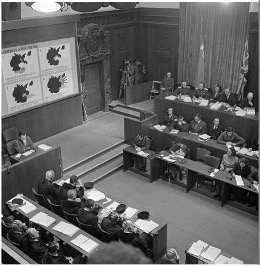
ICRC
International Committee of the Red Cross/Crescent/Crystal
ª Founded in 1860
ª Key goal: relieve suffering caused by war
ª Funded by signatories; budget CHF 2 billion
Humanitarian diplomacy?
ª Impartiality, neutrality, and persuasion
§ Unlike human rights NGOs, avoids advocacy and shaming
§ Very rarely they will callout the atrocities of war created by someone
ª Monitor application of IHL
§ Fact-finding and documentation Geneva Conventions (1949) give it specific mandates in wartime
ª Geneva Conventions (1949) give it specific mandates in wartime
§ Gave a specific document that allowed the ICRC to have an unrestricted right (almost) to visit war prisoners, conduct communication for them and to them
· Also applies to soldiers that surrendered
§ They also deal with lost bodies – ICRC
ª Acts as neutral intermediary
ª Unrestricted right to visit POWs and civilian internees
§ Refusing is a violation of the Conventions
ª Assistance mandate and humanitarian initiative: to provide what relief it deems necessary
§ Do everything in their power to satisfy the Geneva conventions and end suffering
§ Also illicit compliance before war starts
· Providing medicine before the war to treat the prisoners
§ also does a lot of communication to both sides such as : “hey you’re doing a lot of war crimes and it’s no good, it goes against the Geneva conventions, you mjust stop” enforcing compliance
ª “Guardian” of IHL and seeks to elicit compliance
§ Education
§ Confidential communication
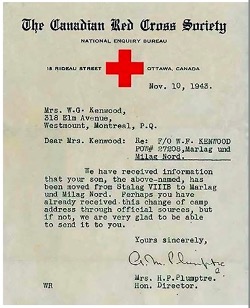
The said document given to the Red Cross
ICRC and international courts
ª Encourages ICC ratification
ª Tension between neutrality and participating in trials based on IHL
ª Immunity from disclosing confidential information
§ Immunity similar to lawyers and doctors in regrads to war crimes
§ Kind of more moral/formal institutional tension
International humanitarian law
ª 1949 Diplomatic Conference
§ Revised to “four Geneva Conventions”
§ Notably added protections for civilians
§ When they decided to no longer kill civilians and coletarel or intentional because it violates international law
ª 1977: Additional Protocols
§ Unnecessary suffering
International humanitarian law
ª Differences from human rights law:
§ Applies to non-state actors
§ Is not derogable
· No excuse you can claim
· No immunity
· In fact the whole purpose of IHL is to delegate and manage the conduct of soldiers I war therefor, if they slip up th IHL are entirely entitles to bring these soldiers and these states to trial at the Hague
§ Only applies in situation of armed conflict
§ IHL is different than IHR
· IHL is about war
· What you can ans cannot do in war
· And it is about the states
Key principles
ª Equality of belligerents
ª Law is binding regardless of the circumstances of the armed conflict
§ Even if you are acting in self-defence
§ Even if the other side is violating IHL
ª The only legitimate objective during war is to weaken the military forces of the enemy
§ Note how more specific principles flow from this principle
§ The only purpose of war
§ In the war you can harm your enemy and weaken him, but you cannot go beyond that
Principle of distinction
ª Only military forces may be targeted
ª Belligerents must not target civilians
§ and must protect civilians under their power
§ E.g. Russia-Ukraine, Israel-Palestine, Iran/Iraq
§ Keeping a clean slate between the soldiers and the civilian
§ E.g. what happens if the civilian picks up arms against the soldiers? Then what? this issue happens a lot more often than you think, therefore thr ICRC must think on how to deal with these surgencies and delegate the situation
Proportionality
ª Civilian harm must be minimized
ª Incidental harm must be proportionate to military necessity (or advantage expected)
§ The IHL does not say that you cannot kill civilians
§ The IHL says you cannot intentionally harm them however if they accidentally die then it is legitimately
§ The IHL says that civilians casualties shall be proportionate to the military operations that are taking place hence the controversies with the IHL
· Many people wish that ICRC and IHL would become more assertive and rule out that all civilian death should be unacceptable but tbd
· Who deals with the calls when it comes down to trialing states and soldiers: military wars
§ Should apply to all state actors
· This is when the whole domestic affairs vs international affairs start playing a role and that is also when the ICJ gets involved
ª The idea is to minimize civilian harm but if it happens it’s alright as long as it is proportional
Unnecessary suffering
ª No methods of warfare that inflict superfluous injury on combatants
ª Duty of humane treatment
§ Applies to prisoners of war and injured combatants
Examples
ª Medics and medical facilities cannot be targeted
ª Abusing this for military advantage is also a violation
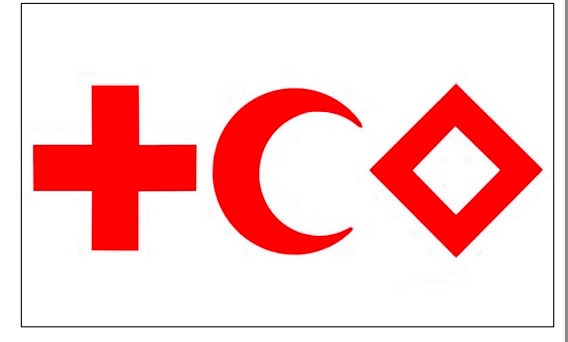
ª Essentially the flag was meant to be Swiss flag reversed
Why comply?
ª Arguments the ICRC uses with belligerents:
§ Avoid harming innocent victims
§ Good behaviour helps your reputation
§ Improved efficiency and discipline of your army
§ Morality, decency, professionalism
§ Customs of international society
Friday, February 16th
International Courts
International law
Part of international politics
Tension between sovereignty of states and rule of law among them
Most to least important sources:
ª Treaties and conventions (explicit state consent)
§ most authoritative source
ª International customs (general practices accepted as law)
§ soft law
ª General principles of law recognized by civilized nations
§ When there was not an extensive body of treaties and conventions
§ What is generally done within the states
ª Judicial decisions and teachings of top legal scholars
Judicialization/Legalization
ª Why are (quasi-)legal processes increasingly dominating world politics?
o Increasing term in order to decide and settle disputes
o When 2 countries can’t come to a conclusion, so you delegate it to the international court in order to not ruin your relationship with the other country, or your country’s reputation – kind of like delegating and blaming the court of the decision
§ Shadow politics – because laws are being used as instruments
§ Rights-claiming between and against states
· E.g. China-Philippines
· E.g. Crimea
§ Legality has increasing political importance
· For voters, seeing your country violate international law will make the voters less likely to vote for the respective party because they are unhappy with the way they are conducting affairs internationally
WTO dispute settlement
ª Dispute Settlement
§ Understanding (Annex 2 of the WTO Agreement)
ª Rulings are binding unless there is a consensus against
ª Getting a ruling is not the point!
§ The main point is not to get the ruling but to implement shadow politics the goal is to reach an agreement before appearing in front of the judge
ª Ideally, the system is there not to be used
§ “Shadow of the law”
ª Least costly: reach settlement before panel ruling
WTO disputes
ª Member state makes a complaint
ª Consultations begin – 60% settled at this point
ª Panel formed after 60 days
§ Consultations continue, often settled before ruling
Secrecy and transparency
ª Consultations are private
§ The idea is to get a cooperation and a solution faster a point of secrecy makes it a good argument for people to say the WTO is illegitimate
§ Helps to get cooperation by preventing public scrutiny and political pressure?
§ Or does it make them illegitimate and undemocratic?
WTO disputes
ª Panel makes ruling
ª Can be appealed to Appellate Body (AB)
§ 70% of rulings (note: 28% of total)
§ Sometimes even the “winner” wants different findings
Suspension of concessions
ª Enforcement mechanism: authorized retaliation
ª DSB can authorize states to put tariffs on each other
§ Less than 1% of cases
§ 99% of the time the rulings are successfully complied by the tribune which results in concluding that the tribune I very effective in conflict resolution
ª Expectation: foreign exporters will lobby for compliance
Some issues
ª Compliance is very high
§ States want to avoid adverse rulings
ª No evidence of bias against weaker/poorer countries
ª Strategic pursuit of rulings
§ Interpretation can result in the rules changing
ª Gets into a legal problem: is this what states originally consented to?
§ Key reason the US is blocking the WTO system
§ What stopped appointing new judges into the WTO for dispute settling
§ Political issue – “we didn’t sign this treaty, we didn’t consent to this law” type of thing
International Court of Justice
ª Only states may be parties before the court
ª Handles legal disputes between states
§ Interpretation of treaties and conventions
ª Is not the International Criminal Court (ICC)
ª States must consent to cases being heard
§ Case referral
· by declaration – by the general assembly, security council, etc.
§ Treaty-based consent
· 90% of the time, it has to do with understanding the treaty that was signed
· No domestic problems are handled by the ICJ – ONLY WTO
§ By declaration
ª Only handles questions of international law
ª 15 regular judges
§ Operate impartial
§ Behave like UN members – neutrality, impartiality, no relation or biases to the country you come from
ª Representation of different legal traditions
ª Judges expected to operate as part of UN
ª Approval of GA and SC by majority vote (no veto)
ª Representation of different legal traditions
ª Judges expected to operate as part of UN
ª Cannot use or create precedent in its rulings
ª Hard to pinpoint with specific cases
ª Look at broader impact on state behaviour
ª Enforcement via Security Council
§ Law works though politics and legitimacy
Law and politics
ª Judicial economy: make rulings in narrowest way possible
§ Kosovo advisory opinion
ª ICJ said nothing about:
§ Criteria for statehood
§ If a right to secession exists
§ If third-party recognition wrongs Serbia
ª Ruling: Kosovo’s declaration of independence is not illegal
§ This statement is the most narrow and political statement
§ It’s not illegal but they’re not saying it is legal
§ They are implying that the countries that help might’ve violated Serbia’s independence however they did not expand and left it at that
ª Yerodia case: Belgium’s arrest warrant and charges of genocide
ª ICJ ruling was on basis of sovereign immunity of Yerodia’s current position
ª Avoided issue of universal jurisdiction for mass atrocity crimes
ª Illustrates political importance of acting legally
ª International courts must balance politics and legitimacy
ª Should not replace bargaining and negotiation
ª Even harder: putting political leaders on trial
(coming next)
*DELEGATION FOR MIDTERM*
Wednesday, February 21st
International Crimes 😍🎀
International crime?
ª International law is normally between states
ª Crimes are punished by states under domestic law
ª The ICC is an important recent change to this principle
ª 1948 Genocide Convention
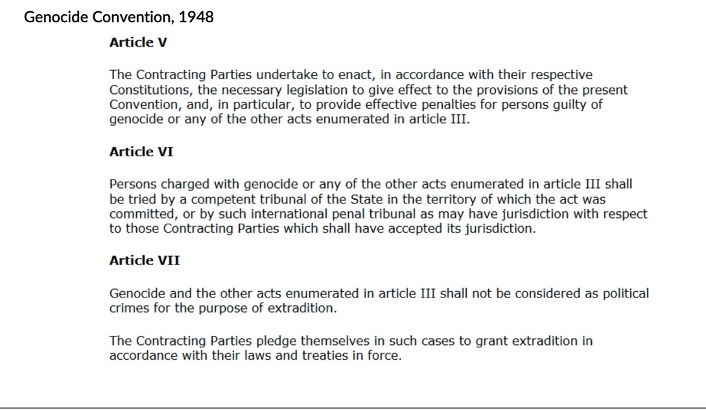
International Criminal Court
Constituted by the Rome Statute in 2002
ª Article 5 specifies four crimes:
· Genocide
· Crimes against humanity
· War crimes
· Aggression (optional extra)
International crimes
Genocide
· With the intent to destroy a national, ethnic, racial or religious group
· Killing, causing serious harm, forced sterilization/abortions, forcibly transferring children, etc.
Crimes against humanity
· Certain actions when part of “widespread or systematic attack directed against any civilian population”
· Includes enslavement, torture, apartheid, sexual violence
War crimes
· Planned or large-scale “grave breaches” of the 1949 Geneva Conventions (see previous lecture)
· In civil war: murder, cruelty, torture, taking hostages
Crime of aggression
· By a political leader
· Use of armed force that constitutes manifest violation of UN Charter
· Invasion, bombardment, blockade
· Controversial and optional
International crimes
ª Ad hoc courts under the UN
· Former Yugoslavia
· Rwanda
ª Hybrid special court
· Cambodian laws and judges, with international staff, advisors, and investigators
· Why Cambodia? Political calculations
· Why use one process over another?
§ Depends on the situation justice must not only be done but also be seen to be done
International Criminal Court – ICC
ª Accused must be citizen of a state party, or committed the crime in a
state party’s territory
ª Complementarity
· Courts of domestic jurisdiction have failed to investigate and prosecute
· Courts itself decides when to intervene
ª ICC itself decides this
ª Cases must be referred to the court by:
· A state party
· UN Security Council
· ICC Prosecutor’s Office
§ Potential war crimes committed by the US in Afghanistan
ª Inadmissible defences:
· Immunity due to government office
§ Yerodia
· “Just following orders”
§ Since UNGC this is unlawful
Avoiding the ICC
ª Important non-signatories (not part of the Rome statute):
· China
· India
· Israel
· Pakistan
· Russia
· United States
ª Includes 3/5 of SC members
· Almost all the states with nuclear capabilities
ª US seeks to prevent its citizens and contractors being subject to ICC
· No military aid without article 98(2) agreements
§ Textbook – for more
§ Threat
§ You will not turn over citizens to the ICC
· NATO members have refused this
ª Has put sanctions on ICC officials and families
· Une Trump
· Shows how far the US is willing to go
Using the ICC
ª Why did states with bad human rights records join the ICC?
· Non-democracies with recent civil wars
· Credible commitment to gain domestic support
· Possible use against rebels or deters conflict spillover
§ Can refer anyone to rebel against you
§ Use international law as threat, extra political tool
Issues
ª Is law a good thing?
ª Is politics a bad thing?
ª Can legal justice solve political problems?
· Use the legal system
· Use the ICC to overcome
What is to be done?
ª Deter and punish war crimes?
ª Reduce/end impunity?
ª What if peace and justice come into conflict?
Impunity problem
ª From 2002-2018: 27 arrest warrants for 36 individuals – all Africans
· (all but two were referred by African state parties)
· African states refused to arrest Omar al-Bashir
· Threats to withdraw from Rome Statute
ª Vladimir Putin’s arrest warrant: March 2023
· Forced deportation of children from occupied Ukraine
· Hasn’t gone to summits in South Africa and Indonesia
Legitimacy crisis?
ª Peace vs. justice
ª African splits over the ICC
ª Co-opting anti-colonialism?
ª Refer your enemies?
Conference before Midterm – February 23rd, 2024
| ICJ | ICC |
|---|---|---|
TREATY | UN Charter (1945) ICJ Statue (1945) |
|
TYPE OF CASES | Interstates Disputes about international law |
|
JURISDICTION | Treaty-based Case by case By declaration (signed an optional protocol) |
|
DISPUTANTS | States |
|
EXAMPLES |
|
|