PDHPE Core 1 - Better Health for Individuals
WHAT DOES HEALTH MEAN TO INDIVIDUALS
Definitions of Health
The state of being free from illness or injury
Health is a state of complete physical, mental and social well-being and not merely the absence of disease or infirmity
Dimensions of Health
Physical Health → the bodily aspect of health. It refers to the absence of disease and injury and can be measured through ranges in quality along a continuum
Mental Health → cognitive aspect of health. It refers to the person’s ability to use their brain and think, solve problems or to recall information e.g. Alzheimer’s, dementia
Emotional Health → persons mood or general emotional state. Our ability to recognise and express feelings adequately and the ability to control your emotions e.g. depression, anxiety
Spiritual Health → relates to our overall sense of purpose. Often found from a belief or faith system while others create their own purpose
Social Health → our ability to make and maintain meaningful relationships with others. It refers to not only having relationships but behaving appropriately within them and maintaining socially acceptable standards.
Interactions of the Dimensions
The dimensions of health are closely interrelated. Changes in one dimension can lead to changes in other dimensions of health.
Examples
Physical health → a person who suddenly gets the flu is often isolated socially as to not infect others, struggles to focus in order to study or learn anything new, and may feel sad as a result of their isolation.
Mental health → An increase in mental health can come as a result of increased physical activity, and good mental health can lead to an increase in self-esteem as mental performance improves. Greater self-esteem then leads to more confidence in social situations and can lead one to ask the larger questions about life leading to increased spiritual health
Emotional health→ a person with good self-esteem is more confident in social settings, makes friends quickly and often performs better in physical activity
Spiritual health → affect emotional and mental health as having a purpose in life can help you to apply yourself to achieving goals. Having a purpose to life can also help people to maintain a proper perspective on life and overcome adversity. Often people who are spiritual meet together regularly around their spiritual purpose, which helps to improve their social health.
Social health→ A bad social life can lead a person to question their purpose in life or feel isolated and unwanted. Such feelings can demotivate people from physical activity and lead them towards depression
Relative and Dynamic Nature of Health
Relative
Use of others to compare the health status of a particular person
Considered in relation or in proportion to something else
Dynamic
Refers to the fact that the health status of anyone is continually changing and can change dramatically with little notice
E.g. injury, sickness, bullying, divorce
Health Continuum
The relativity and dynamic nature of health can be measured on a continuum and can change at any time
A person will move up and down the continuum throughout life

Perceptions of their Health
How you interpret your own health is affected by many things including:
Family’s perception of health
Peers understanding of health
How health is portrayed in the media
Personal beliefs and preconceptions of life
Value we place on health
Previous experiences
Environment
Level of health education
Perceptions of the health of others
Groups which may experience lower levels of health include
Socio-economically disadvantaged people
Indigenous Australians
Prisoners
Those living in remote areas
Those born overseas
Homeless people
Disabled people
Their state of health is relative to their situation
Implications of different perceptions of health
False perceptions of health can have a negative effect on the health of individuals
At an individual level, the implications of different perceptions of health relate to a person with an inaccurate perception e.g. anorexia
If our perception of health is different to the truth, the our actions will not improve our health and may in fact make it worse e.g. anorexia, fad dieting, surgery, drugs
Implications at a policy level
The perception of health status of Australians are held by various levels of government, health professionals, non-government organisations and other interest groups are likely to drive government policy, expenditure and action, and impact on the agenda set by various organisations
Conflicting perceptions often arise about the areas of health that should be given the highest priority, leading to competing demands for the finite resources allocated by the various levels of government
Perceptions of health as a Social Construct
Various understandings and different meanings people have or attribute to health are mostly created by their society
Perception of health is greatly affected by your context
How we interpret health and what we think it means is more a result of what our society tells us, than it is us coming up with such an interpretation
An individuals interpretation of health is greatly influenced by their:
Socioeconomic status → education, employment, income
Sociocultural status → family, peers, media, religion, culture
Environment → geographical, political, social, access to information and technology
Socio-Economic Status
Lower socioeconomic background → poorer health
Different expectations about their health potential
Develop different meanings of health and wellbeing
Social and economic disadvantage is closely linked with poor levels of emotional health, characterised by:
A loss of a sense of control, status or power
Higher levels of stress
Low self-esteem
Feelings of vulnerability, bitterness and resentment
Geographic Location
Rural and remote areas → poor access to health services and recreational facilities → consult medical professionals less often → restricted opportunity to participate in physical activity and receive social support
Different ethnic backgrounds have different explanations and meanings for health and wellbeing
Differences in beliefs, values, and attitudes about health that are learned and conveyed from one generation to another can see perceptions of health take on different meanings within some cultural groups
The Impact of the Media, Peers and Family
Media
Its impact has dramatically increased with advances in technology
The increase in exposure to media → rise on the impact that media can have on our perceptions of anything
Media communicates information about health in 2 ways:
Explicit → easily identifiable, shows like the biggest loser or news articles
Implicit → more effective in affecting our understanding of health, e.g. movies, marketing, television shows
Peers
Have more conversations about health than any others
With regards to health, interpretation is usually acquired by the person most beautiful in the group, or the person who is most sporty
Family
The opinion of your parents will often outweigh that of an expert in health because of their position and not their knowledge
Health Behaviours of Young People
The Positive Health status of young people
Morbidity → the state of being unhealthy for a particular disease or situation
Mortality → the number of deaths that occur in a population
Rising rates of STI’s, self-harm, suicides, injuries and obesity
Continued declines in death rates, asthma hospitalisations and hepatitis
Improved cancer survival rates and educational standards
Death rates of males are significantly higher as they partake in more risk behaviours
70% are eating the recommended fruit, whilst 10% for vegetables
Over 98% of young people do not smoke, or drink dangerous amounts of alcohol
Aboriginal and Torres Strait Islanders are 2x as likely to die from all causes, including 6x as high for assault
Areas of concern → mental health disorders, motor vehicle accidents, self-harm, injuries and poisoning as the leading cause of ill health, hospitalisation and death among young people
Significant differences were evident in the health of:
Young indigenous Australians → far more likely to be disadvantaged over a range of health, community and socio-economic indicators. Their life expectancy is much lower, are more likely to experience chronic illness and experience risk factors
Young Australians living in rural/remote areas → significantly higher death rates, higher hospital admissions, higher likelihood to participate in risk behaviours, less likely to access general practitioners, less likely to meet minimum standards for reading, writing and numeracy and are more likely to be in jobless families and live in overcrowded housing
Young people of various socio-economic groups → higher death rates, higher injury rates and more likely to be obese and smoke
Protective Behaviours and Risk Behaviours
Protective behaviours → health behaviours that are likely to enhance a person’s level of health e.g. eating a healthy diet
Risk behaviour → health behaviours that can lead to the development of health problems or poorer levels of health e.g. excessive alcohol consumption
Prevalence → the total number of cases of a disease in a given population at a specific time
Trend → whether the number of new cases is going up or down
Physical activity → less physical activity will result in a greater chance of suffering disease
Healthy eating → ensures adequate intake of all nutrients essential for good health and protects against a range of chronic preventable diseases
Drug use → smoking can cause both short term and long term problems as well as lower levels of fitness and higher rates of respiratory illness. Consuming large amounts of alcohol (binge drinking) in a short amount of time can cause alcohol poisoning which can severely impair brain function
Sexual health → Using protective behaviours such as contraception to limit the chance of STI’s and unwanted pregnancy
Road Safety → the leading cause for death of young people due to a lack of experience, limited ability and judgement, underestimation of risks, deliberate risk taking behaviours, use of alcohol and drugs
Mental health → disorders may be due to heredity, social isolation and/or exclusion, family problems, changing events and situations.
Societal Perceptions
Society often has mis-conceptions about young people and their behaviours → can come from media
Australian Bureau of Statistics and Australia’s Institute of Health and Welfare provide facts that indicate that alcohol consumption, and illicit drug taking is on a decline
Relevant Health Issues
Food habits, body image, physical activity, drug use, mental health, sexual health, road safety
A combination of risks decreases a person’s overall health
Combined interaction of health protective behaviours → reduce health risks
The more health protective behaviours present in a young person’s life the greater the benefit to their health
Risk behaviours for sexual health:
Becoming sexually active
Watching pornography
Not using a condom
Combining drugs or alcohol with sexual activity
Sexting or using media to record sexual activity
Protective behaviours:
Abstinence
Sexual education
Having respectful relationships with the opposite sex
Barrier method contraception
WHAT INFLUENCES THE HEALTH OF INDIVIDUALS
The Determinants of Health
Individual Factors
Factors that are unique to each person that can determine their level of health
Including:
KNOWLEDGE we have about health and the SKILLS we possess that enable us to act in ways to promote better health
ATTITUDES and values that we place on health and the importance of leading a healthy lifestyle
GENETIC factors increase the likelihood we may experience particular health problems
KNOWLEDGE
Improving health requires a good health knowledge
Poorly educated people are more likely to have serious chronic illness
Comes from a variety of sources → parents, siblings, peers, teachers, internet, media
Health literacy → the ability to understand and interpret health information in order to promote the health of yourself and of others
SKILLS
Know who to trust for health information
How to find health information
Decision making, communication, problem solving, movement skills
ATTITUDES
Achieving good health requires resilience, perseverance, self belief and determination
People who have a high value of health are more likely to prioritise their health over other demands
Changing circumstances may also see our attitudes change, leading to changes in the way we behave
GENETICS
Refers to the genes inherited from parents
The genes can predispose (make things more likely) individuals to particular diseases or health issues
Socio-cultural Factors
FAMILY
Greatest influence on health
Determine culture, have a big impact on choice of religion, friends and decide media exposure
Family influence your attitude towards health, the value you place on health, and influence your behaviour choices relating to protective and risk behaviours
PEERS
Creating environments where you seek to fit into the group by adapting their behaviours
Can be positive if your friend group has a lot of protective behaviours or contrastingly negative, if behaviours increase risk
MEDIA
E.g. television, movies, internet, social media platforms, newspapers, magazine
Influence peoples beliefs, opinions and habits
Choices relating to health that individuals make are significantly influenced by values and attitudes promoted through the media
Images conveyed through the media can have a significant impact as it can be seen as normal behaviour and risk taking that may occur as a result
Pressure to conform to stereotypes can have a considerab;e influence on peoples self-image, their feelings about their appearance and the health behaviours they adopt
RELIGION
Provides a purpose for life and promotes self-worth
Often have rules that promote promote protective behaviours
Some religions place restrictions on clothes and social interactions, which can have a negative effect on the health of an individual
Can limit choices in healthcare
CULTURE
Gender (male culture)
Age (youth culture)
Location (beach culture)
Ethnicity
Each cultural group holds particular values, beliefs, and assumptions that strongly influence the behaviour of individuals
A sense of connection to your culture can improve health
Many cultures have traditional meals which effect health
Each culture has preferred methods of treating illness and fixing the body
Socio-economic Factors
EDUCATION
Influence your choice for employment
Influences perception of health
Makes individuals aware of risk behaviours and protective behaviours
Lower levels of education → lower levels of health education
EMPLOYMENT
Outside employment → increased risk of skin cancer, more vigorous physical activity
Inside employment → sitting all day, lack of motivation for physical activity, stressed and poor social life
INCOME
The more money coming in the better your health can be
People with higher levels of income are able to afford health care services that aren’t covered by medicare
Environmental Factors
GEOGRAPHIC LOCATION
People who live in rural or remote areas have poorer health
Rural areas mean people have to travel long distances for work, household related purposes and socialising
Greater risk of injury
More likely to face harsh living and working conditions and experience severe climate conditions → high UV exposure, disease, air pollution, financial hardship
Less access to medical technology and fewer health specialists
ACCESS TO HEALTH SERVICES
Requires both money and physical access
Those with ongoing conditions may be required to be away from home for long periods of time while undergoing treatment, resulting in distress and financial hardship
Royal Flying Doctor service reaches out to rural communities when they are in an emergency
High demand → insufficient hospital beds, long periods of waiting
Not having private health insurance → waiting lists for procedures
ACCESS TO TECHNOLOGY
Increase in technology usage → less time to partaking in physical activity, increased time in sedentary activities
Obesity rates increase
Reliable access to the internet is required at an affordable rate to those living in isolated and rural locations offering an increased amount of available and accurate health information via the internet
Access to health technology → kidney dialysis machine, for knowledge
Accessing health services that utilise and provide such technology to help with medical procedures
The Degree of Control Individuals can Exert over their Health
Actions an individual can take to modify the determinants they have little control over:
Self monitoring
Screening programs
Early intervention
Behaviour modification
Education
Developing new skills
Seeking support
Medical intervention
Modifiable health Determinants
Factors that can be changed
Knowledge, skills, attitude (individual)
Peers, religion (sociocultural)
Employment, education, income (socioeconomic)
Geographical location, access to health services and technology (environmental)
Some determinants are more easily changed than others
Non-modifiable Health Determinants
Factors that are not able to be changed
Genetics, age, gender (individuals)
Family history, culture, media (sociocultural)
The changing influence of determinants through different life stages
At different times in individuals lives, certain determinants may have a greater influence on their health status and decisions
Childhood → Adolescence → Young Adulthood → Adulthood → Middle Age → The Elderly
Increase in the influence of employment, children, environment as you get older
Decrease in the influence of peers and parents as you get older
Health as a social construct
Interrelationship of Determinants
Environmental factors (geographical location) → employment and education options, access to health services, peer group, media exposure
Socioeconomic factors (education) → employment options, options for geographic locations, knowledge and skills for accessing health information, peer groups
Sociocultural factors (family) → peer group, income, geographic location, genetics, attitude toward health, religion, access to technology or health services
Individual factors (knowledge and skill levels) → choice of employment, level of education, geographical location, ability to access and navigate the healthcare industry
Challenging the notion that health is solely an individuals responsibility
Health as a social construct challenges the notion that health is solely an individual’s responsibility
Health is affected by → our context, other people, society, culture, environment, education, income
Good health often requires lots of money, high levels of education, a supportive social network
Health is a result of the interrelationship between the determinants of health and the individual
Why some individuals and groups have better or worse health than others:
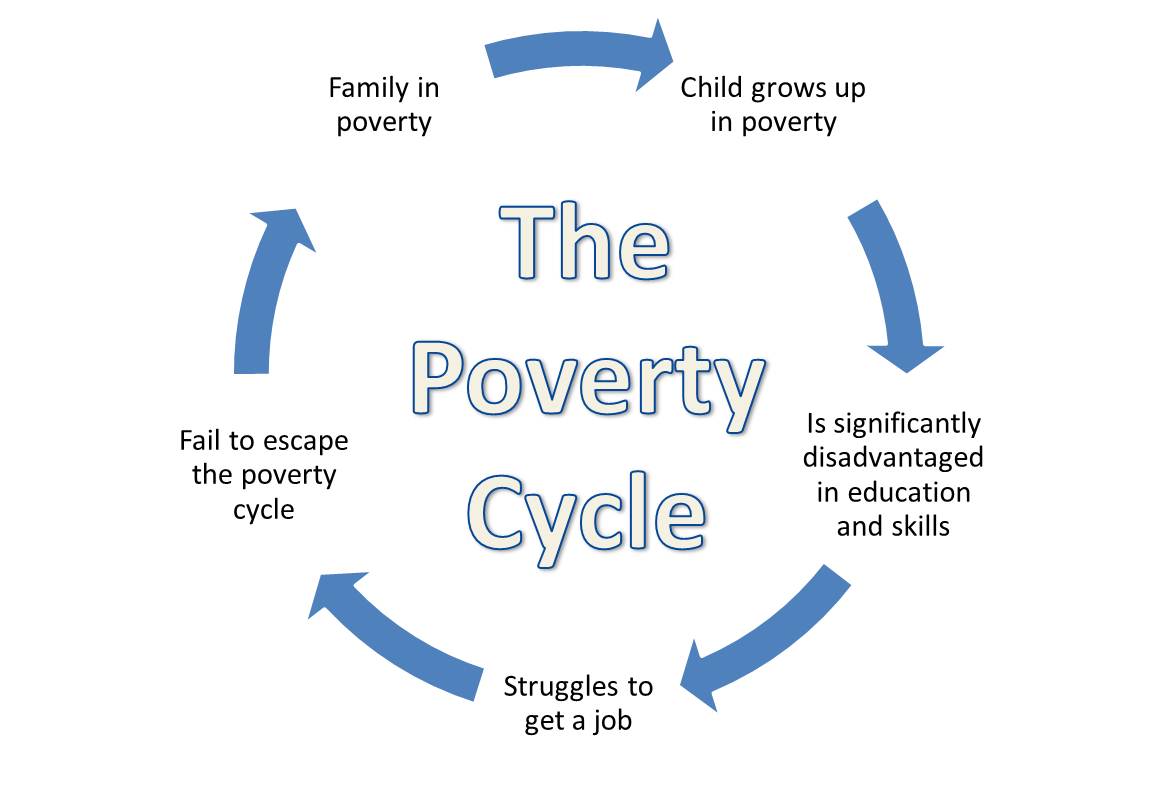
WHAT STRATEGIES HELP TO PROMOTE THE HEALTH OF INDIVIDUALS
What is Health Promotion
The process of enabling people to increase control and improve their health
Health promotion is anything that people or groups do in order to increase the power individuals have over their own health
WHO’s definition → the process of enabling people to increase control over their health and its determinants, and thereby improve their health
The definition was incorporated in a document known as the Ottawa Charter for health promotion that was developed as part of the first international conference for health promotion
Health promotion seeks to change the determinants of health or at least empower individuals to change it for themselves
Focuses on addressing and preventing the root causes of ill health, not just focusing on treatment and cure
It involve:
Policy changes
Environmental improvements
Workplace Health and Safety
Minimising risk behaviours
Improving protective behaviours
Creating supportive environments and networks for people
Providing access to health care
Responsibility for Health Promotion
Individuals
Becoming educated about health, particularly the risk and protective behaviours
Individuals are responsible for promoting health to those around them
Health professionals are able to increase people’s awareness of health risk behaviours and provide them with information on healthier lifestyles
The role of the individual will vary depending on their position in society
Technology increases the methods used for health promotion → writing a blog, sharing health information using social media, doing their own research into particular health issues
Community Groups/Schools
SCHOOLS
PDHPE is a mandatory subject from K-10
Enables students to learn about health holistically
It seeks to promote lifelong wellbeing, including eating properly, reading food information, lifelong physical activity, social and mental health, along with individual value and purpose
E.g. the implementation of WHS policies, sun safety policies, Fresh tastes NSW healthy school canteen strategy, anti-bullying policies
Aim → to reduce the harms students face, while also sending clear, positive messages to encourage health promoting behaviours
External organisations → Heart foundation’s jump rope for heart, national association for prevention of child abuse
Education departments → premiers sporting challenge
Government departments → NSW school vaccination program
COMMUNITY GROUPS
Most effective form of health promotion
Know their context, know their community, what they need, their health status, → often equipped to meet these needs
Many have community health centres, however they have a lack of focus on physical health and focus mostly on social, spiritual, mental health
Non-Government Organisations
Non-profit organisations that focus on specific issues, either health related or concern social justice
Funded → public donations, fundraising and government grants
May receive government funding their work is not controlled or limited by government policy or legislation
RESEARCH
Often revolves around a single issue and looks at the cause of the disease, ways to prevent the disease, assesses epidemiology, around the disease (morbidity, mortality, survival rates, health expenditure), provides information to government sectors often with proposed actions to be taken to help improve outcomes for their particular issue
SUPPORT
Provide support to those suffering from particular diseases or groups with social inequities
Can come in the provision of a network of people who can provide practical support
Can also provide information about the regular interventions, help people to prepare for what is ahead, support through their current situation
Provide support to schools in the education of students about particular diseases or issues
MEDIA CAMPAIGNS
Responsible for the production of many media campaigns to educate the public and raise awareness for health issues
E.g. Beyond blue → produces TV commercials to promote awareness around depression and the mental health issues
Government
COMMONWEALTH/ FEDERAL GOVERNMENT
Fund the health system through medicare and write policies and regulations to help govern it
To direct and organise the health care system by coordinating between various groups, including the various state governments
Writing national health policies
Producing national health campaigns
Providing funding for various health products and services
Helping state governments implement health promotions
STATE GOVERNMENT
Responsible to help in the development of policy, however, their main role and responsibility is the implementation of health policies and the regulation of health services in their state
NSW ambulance → responsible for providing care in emergency
Health infrastructure → responsible for the hospital building program
HealthShare NSW → ‘provide high-quality shared services to support the delivery of patient care within the NSW health system’
NSW health pathology → provides pathology, forensic, and analytical science services
eHealth → responsible for delivering Information communication technology led health care
Health protection NSW → responsible for surveillance and response to infectious disease
LOCAL GOVERNMENT
WHS monitoring
Waste removal
Amenities
Town planning
Food safety
Collection of information, running some community health groups, assessing local health needs
Responsible for undertaking long-term environmental planning
International Organisations (WHO, United Nations)
Responsible for the promotion of health on a global scale
WHO → established in 1948, the directing and coordinating authority on international health within the United Nations
WHO’s goal → build a better, healthier future for people all over the world
Provide leadership on matters critical to health
Provide health guidelines for countries to utilise in the development of their own guidelines
Set standards and norms for health issues
Coordinate, conduct and evaluate research into health issues
Provide technical support to countries
Monitor health trends and provide guidance to respond to these trends
Other organisations → UNICEF, red cross, OXFAA, MSF, care international
Advocated for approaches that not only empower individuals and communities, but also recognise the underlying social, economic, and environmental determinants of health
Health Promotion Approaches and Strategies
Lifestyle/Behavioural (Quit smoking Programs, Health Education)
Seek to educate the individual so that they change their lifestyle or a particular behaviour to improve their health
Quit smoking programs → Provides smokers with motivation and support as they seek to make a lifestyle/behavioural change and quit smoking
Health education → provides the individual with knowledge around protective and risk behaviours so that they are less likely to take the risk and more likely to take up protective behaviours
Health promotion programs:
Web-based services → seek to enhance young people’s health knowledge and skills to support and improve their mental health and wellbeing
Physical activity initiatives → aim to increase levels of regular physical activity and reduce sedentary behaviour
Road safety campaigns → challenge people’s attitudes towards unsafe driving behaviours
Preventative Medical (Childhood Immunisations, Cancer Screening)
Approaches that involve drugs and technology to prevent health issues
Childhood immunisations → Australia has a national childhood immunisation program which seeks to prevent ill health by stimulating the immune system with synthetic versions of a particular virus
Cancer screening → Aims to identify cancer early so that successful treatment of the disease is more likely. Chemotherapy is used as a common treatment that kills cells as they reproduce
Health promoting strategies:
Primary prevention stage → aim to prevent an illness occurring
Secondary level prevention programs → try to reduce the likelihood that a disease will develop
Tertiary prevention strategies → seek to prevent chronic ill health occurring through the use of effective rehabilitation that stops a disease reoccurring once it has been diagnosed and treated
Public Health (Health-Promoting Schools and Workplaces)
Seek to promote health based on the knowledge that health has a range of determinants, but particularly focuses on the social determinants
Health promoting schools → promote health through their curriculum, by implementing WHS procedures and utilising its community to promote a healthy environment
Health promoting workplaces → promote health beyond WHS through improving obesity levels, physical activity levels, eating activities, travel and the reduction of smoking and alcohol consumption
Australian Health Promoting Schools Association aims to:
establish a broad view of health consistent with the Ottawa Charter
Encourage collaboration between professional bodies, government groups, students and parents
‘Get healthy at work’ - promotion initiative:
Addresses individual behavioural and workplace factors contributing to poor health
Support people to achieve their personal health goals
The Ottawa Charter as an Effective Health Promotion Framework
Founded in November 1986
3 strategies for health promotion:
Advocacy
Mediating
Enabling
5 action areas → Drunk Carpenters Shouldn’t Really Build
Historical significance → the reorientation of health promotion away from avoiding disease and towards prevention through a multi-sectoral approach using the 3 strategies and 5 action areas
Developing Personal Skills
Personal and social development occurs through the provision of information, education for health and the enhancement of life skills
Improved knowledge → increase options in exercising control over our own health, our environments and in making choices that will promote health
Knowledge and skills can be developed in schools, workplaces, health services, via media campaigns, websites and online apps
Schools, general practitioners, organisations, businesses, companies, governments must contribute to developing personal skills in order to improve health
EXAMPLES
Mandatory health and physical education curriculum from K-10
Media campaigns on the harmful consequences of drug use
Teaching people ways to prepare healthier meals
Providing online information about how to quit smoking
Educating girls and women about how to perform breast self-examinations
Road safety → students are educated in school and through media advertisements about the dangers of road use and how to be safe on the road
Creating Supportive Environments
Focuses on where people live, work and play and on increasing people’s ability within these settings to make health-promoting choices
Creating social and physical environments that allow healthy choices to be easy choices
Involves providing structures, systems, and resources that remove or reduce threats to health
EXAMPLES
Sporting venues providing areas that are alcohol free
Manufacturing vehicles that run on unleaded E10 fuel
Creating 40km/h zones around schools
Providing counsellors in schools
Establishing healthy canteens in schools
Local councils building recreational facilities
Quitline support and information being many available in many languages
Tobacco use → Legislation has been put in place to make it harder to buy tobacco, limit the amount of people using tobacco and to smoke in particular public places
Strengthening Community Action
empowerment of communities to identify and implement actions to address their health concerns
Including → opening lines of communication so people within the community can express their concerns, giving them representation on organisational committees, providing community groups with planning tools and giving them information to access funding and expertise
Communities working together to set health priorities, make decisions, plan strategies and implement them → greater control of the health promotion process
Draws on community resources in order to provide social support and self-help for the community
EXAMPLES
NSW healthy town challenge
Local R U OK? day events
Live life well @ school programs
Family drug support meetings
Men’s sheds
Local driver reviver stations
Projects developed and implemented by Aboriginal medical services
Closing the gap → Indigenous and non-indigenous health organisations and human rights organisations unified the voices of more than 40 organisations to close the gap in life expectancy between indigenous and non-indigenous Australians
Reorienting Health Services
The reorientation of health services seeks to prevent ill health occurring, help people to attain the highest level of health possible and support overall well-being
Takes a more holistic approach
Requires a change in attitude and the organisation of health services, and stronger attention to research and professional training
Also involved the broadening of places where health services can be provided → schools, mobile health clinics
EXAMPLE
Heart foundation working with schools to implement the jump rope for heart program
Provision of free mammograms for women aged 50-74 years by BreastScreen NSW
Providing health professionals with training and resources to support patients to quit smoking
Increasing funding for research and health promotion
Tobacco use → Royal Australian College of General practitioners (RACGP) provides clinical guidelines for health professionals and their role in supporting the stoppage of tobacco use
Building Health Public Policy
Ensuring that decisions are made at all levels of government work towards health improvement
Includes → legislation, policies and strategies, taxation and organisational change in areas such as recreation, welfare, transport, education and housing
EXAMPLES
Increasing the tax excise on cigarettes twice a year
Legislation relating to unsafe driving behaviours such as driving under the influence of alcohol
Laws requiring certain retail food outlets to display the kJ content of foods on their menus at the point of sale
Work health and safety regulations
Government policies related to sun safety in schools
Legislation requiring plain packaging of tobacco products
Road safety → Urban speed limit 50km/h, school zones, RBT, increased supervising driving times, peer passenger and night driving restrictions, mobile phone bans, zero blood alcohol limits, restricted access to high-powered vehicles, increased penalties for speeding
Using the Ottawa charter to reduce the incidence of road-related injuries
Developing personal skills
Don’t trust your tired self campaign → increases knowledge of the risks of driving
Availability of the safe drivers course → develops their driving and hazard perception skills
120 hours driving time for L drivers → increase driving experience and improve their driving knowledge
Creating supportive environments
Speed bumps in high traffic areas
School zones
Speed cameras
Pedestrian bridges
Strengthening community action
Rest areas
Safe driver workshops
School P&Cs lobbying for speed bumps/stop signs
Reorienting health services
Research undertaken at CrashLab to evaluate vehicle safety
BStreetSmart program
Building healthy public policy
Enforcement of speed limits
Laws relating to blood alcohol limits
Laws restricting mobile phone use
Fines for not wearing bicycle helmets
Principles of Social Justice
Equity
Promoting fairness
Aim → achieve equality in outcome not in the method
Done by allocating resources and entitlements, including power, fairly across the population
People who are disadvantaged may need to be treated differently to be treated equally
Diversity
Social markers → age, gender, sexuality, socioeconomic status, location
These social markers require attention to make things fair and just, so that the inequalities and injustices in relation to health are questioned and challenged and inclusiveness is promoted
Health promotion strategies recognise and acknowledge that diversity exists
The development of culturally appropriate resources, the provision of health promotion material in different languages, involvement of health workers from specific cultural backgrounds in the planning and delivery of initiatives
Supportive Environments
The social environment in which a person lives or works has a significant influence on that person’s level of health and their ability to be able to make changes to improve their health
Strategies that aim to promote better health need to address the social, cultural, physical and economic factors present in people’s lives in order to create environments that are supportive of health