God's Promised Judgment
This is the account of Jeremiah and the events surrounding the fall of Judah to the Babylonian Empire.
Gedaliah
Ishmael, the son of Nethaniah, came with ten men to Gedaliah, the governor of Judah (appointed to his position by the Babylonian king), and ate with him. Ishmael and the ten men then rose and killed Gedaliah. They also killed the Judeans that were with Gedaliah. The next day, eighty men arrived from Shechem, Shiloh, and Samaria. Ishmael welcomed them outside the city of Mizpah and asked them to meet with Gedaliah. At this time, no one knew that Gedaliah had been murdered yet. When the eighty men entered the city, Ishmael and his men killed them and threw their bodies into a cistern. Ten men were spared when they went to Ishmael and said that they had hidden stores of food.
Ishmael took captive the rest of the residents of Mizpah and traveled to the Ammonites. Johanan heard what Ishmael had done and brought men to fight Ishmael. They found him at the great pool in Gibeon. Ishmael and eight men escaped and went to the Ammonites. When the captives that Ishmael had taken saw Johanan, they rejoiced. The captives went to Johanan. They feared the Chaldeans, so they intended to go to Egypt.
The people went to Jeremiah and asked him to pray for them to find out what they should do. Jeremiah assured them that he would tell them what God wanted them to do. They told Jeremiah that they would obey God. Jeremiah instructed the people to remain in Judah; all the people that went to Egypt would die by famine, disease, or the sword. God said that none would survive.
Azariah and Johanan accused Jeremiah of lying about God commanding the people not to go to Egypt. They claimed Jeremiah said this because Baruch had set him against them so that the Chaldeans could capture them. Johanan and all the people that had remained in Judah disobeyed God and set out for Egypt to arrive at Tahpanhes. God spoke to Jeremiah at Tahpanhes and told him to bury stones at the entrance to Pharaoh's palace, and then to tell the people of Judah that God was going to send Nebuchadnezzar to Egypt and set his throne above these stones. Nebuchadnezzar would come and strike Egypt. He would burn and destroy and take many of them away as captives.
Idols in Egypt
God's words came to Jeremiah concerning the Judeans living in Egypt. Jeremiah told the people that they had seen all of the disaster that God had brought upon Jerusalem and the cities of Judah because the people had angered God with their worship of false gods and their other sins. The people of Judah had ignored the prophets God had sent to warn them of their sins. God asked why the people living in Egypt were doing the same thing by making false gods and not obeying the laws and statutes that God had given them.
God declared that since the Judeans were still committing the same sins, He would cut them off in Egypt, and they would fall by the sword, famine, and sickness so that none of the Judeans that had come to Egypt would live or return to Judah. The people of Judah heard the words of Jeremiah that had come from God, but they would not listen to him. They said that they would continue to sin because they were prosperous when they did these things in Judah. God cautioned that they would die in Egypt because they had chosen not to obey Him, and only a few Judeans would return to Judah. Pharaoh Hophra, king of Egypt, would also be conquered—just as Zedekiah was conquered by Nebuchadnezzar, king of Babylon.
Baruch
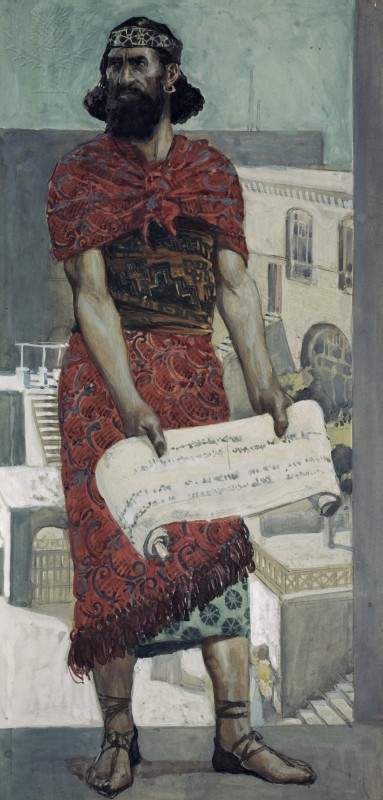
During the time that Jeremiah was dictating his prophecy to Baruch, Baruch complained to God because of the difficulties he had while he was recording the prophecy that the king later burned. God promised that Baruch would be rewarded; despite the destruction that was coming at that time, Baruch would be allowed to keep his life.
Judgment on the Nations
Egypt
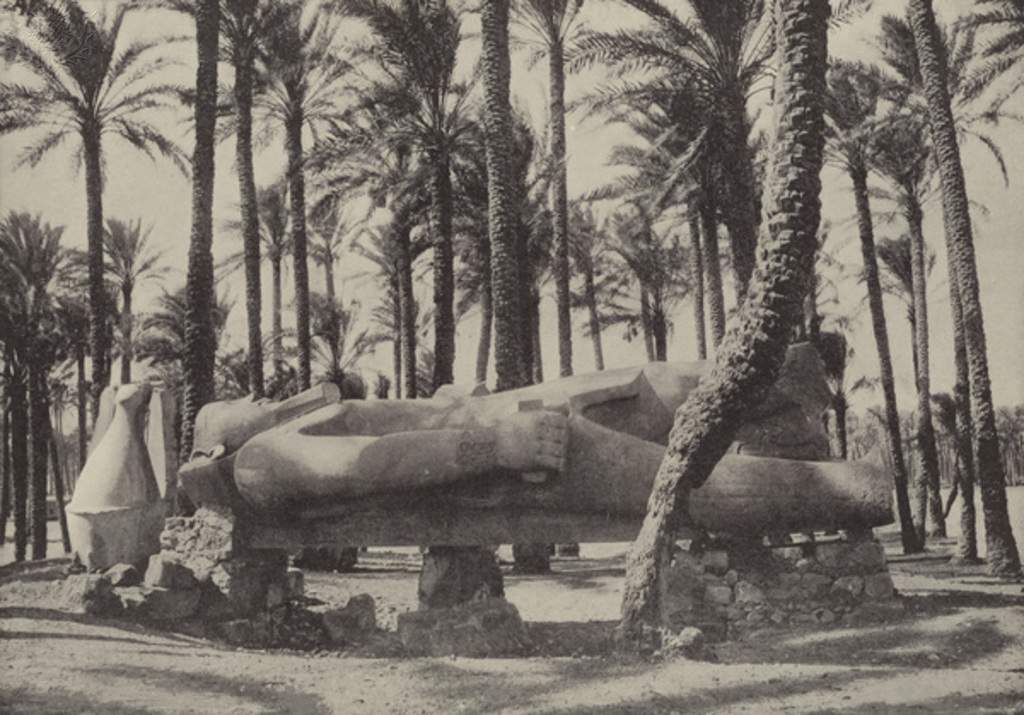
God gave Jeremiah a prophecy about the other nations. The first one that God mentioned was Egypt. The army of Pharaoh Neco, king of Egypt, would be defeated near the Euphrates River at Carchemish by Nebuchadnezzar, king of Babylon. Jeremiah prophesied another invasion of Egypt. This invasion would punish Egypt, and God would again use the Babylonians to carry out His wrath. God stated that He would put an end to the countries to which the Judeans had been driven. This did not mean that Judah would not be punished, but God promised not to destroy Judah entirely. God said that He would discipline Judah and not leave its people unpunished.
Philistines
God conveyed another prophecy concerning the Philistines to Jeremiah. God said that an army from the north—referring to the Babylonians—would destroy all of the Philistines. The Babylonians were once again going to be used as God's agents of destruction.
Moab
The next nation that God announced judgment on was Moab. God warned that its people would be destroyed, and their false god Chemosh would be exiled with his priests. God foretold that the cities of Moab would become desolate. "Cursed is he who does the work of the Lord with slackness, and cursed is he who keeps back his sword from bloodshed" (Jeremiah 48:10, ESV®). God did offer hope for the future of Moab, promising to one day restore the people's fortunes.
Ammon
God also pronounced His judgment on Ammon. One particular sin that the Ammonites frequently committed was worshipping false gods. Their false god's name was Milcom—also known as Molech. Child sacrifice was part of this false god's worship. Another reason was that the Ammonites had taken the land of the tribe of Gad. God cautioned that Rabbah would become a desolate mound and Ammonite villages would burn. Despite this, God also promised to restore the Ammonites one day.
Edom
God warned of His judgment on Edom. The Edomites were the descendants of Esau, the brother of Jacob. God said, "For I have sworn by myself, declares the Lord, that Bozrah shall become a horror, a taunt, a waste, and a curse, and all her cities shall be perpetual wastes" (Jeremiah 49:13). There was no mention of Edom's restoration as there was with some other nations.
Damascus
God declared His judgment on Damascus, saying that its young men would fall in its squares, and all of the soldiers would die.
Kedar and Hazor
God continued by revealing what His judgment on Kedar and Hazor would be. God promised that these kingdoms would suffer the devastation wrought by Nebuchadnezzar, king of Babylon. God cautioned that the destruction in these lands would be so great that only jackals would live there, and no one would even travel through the area.
Elam
God then disclosed His plans for His judgment on Elam. God said that He would break the bow of the people (Elam was well known for its archers). God guaranteed that He would bring disaster to Elam. However, Elam was also promised restoration one day.
Babylon
Finally, God spoke of His judgment on Babylon. God had used Babylon for His vengeance against the other nations, but it would not escape its own judgment. God promised that a nation would come from the north and destroy Babylon, and Babylon would become an utter desolation.
A Book for the River
Jeremiah wrote down all of the prophecies concerning the destruction of Babylon. He gave this book to a man named Seraiah and ordered him to read the book when he arrived in Babylon. Jeremiah told Seraiah to tie a rock to the book and throw it into the Euphrates River when he was finished reading the prophecy. This would symbolize Babylon sinking into the river.
The Fall of Jerusalem and Jeremiah
The last chapter in the book of Jeremiah is another account of the fall of Jerusalem and the events following the capture of the people of Jerusalem and Judah. It includes the blinding of Zedekiah, the burning of the temple, the exile of the people of Judah to Babylon, the poorest of Judah being left to be farmers, and Jehoiachin's release from prison.
Summary
Ishmael came with ten men and killed Gedaliah, the Babylonian-appointed governor of Judah. Many of the Judeans left behind after the exile went to Egypt against the instructions of God (as given by Jeremiah). Baruch was rewarded for his service to God by God allowing him to keep his life. God described many nations that would receive His judgment. Another account of the fall of Jerusalem and the Babylonian exile was given.

Application and Reflection
Application
Baruch served Jeremiah and God by recording the prophecy that Jeremiah dictated to him. His reward was his life, which was more than many would receive after the Babylonian invasion. When we receive any reward for doing the right thing, that is a blessing, but we should never do work for God with the thought of what the reward will be—other than the reward of serving God.
Reflection
When the Judeans fled to Egypt, many worshipped foreign false gods; they reasoned that everything was going well for them when they had been worshipping these gods. They still could not understand that the worship of these false gods was the reason for much of God's anger. Do you have sins in your life that you try to justify?