Roman Art
Roman Empire – Art & Origins (Notes)
Roman Empire Overview
The Roman Empire was one of the most powerful civilizations in the Western world.
It began in 510 B.C. in Rome, originally a small city-state.
Rome was located on the Tiber River, which helped with trade and defense.
At its height, the Empire included:
North Africa (including Egypt)
Western Europe
Regions around the Mediterranean Sea
Cultural Influence on Roman Art
Roman art was shaped by the many cultures and religions within the Empire.
Each conquered region contributed artistic ideas and styles.
Despite this diversity, Greek art was the strongest influence on Roman art.
Greek Influence
Romans:
Studied under Greek art teachers
Hired Greek artists
Greek art emphasized:
Realism
Ideal human proportions
Balance and harmony
Roman Artistic Style
Romans adapted Greek art rather than copying it exactly.
They developed their own distinct style, focusing on:
Realism
Detail
Practicality and function
Romans excelled in:
Sculpture
Painting
Architecture and monuments
Legacy of Roman Art
Roman art includes some of the greatest artworks ever created.
Many Roman designs and techniques still influence modern architecture and design today.
Roman Paintings and Sculptures (Notes)
Sources of Roman Art Knowledge
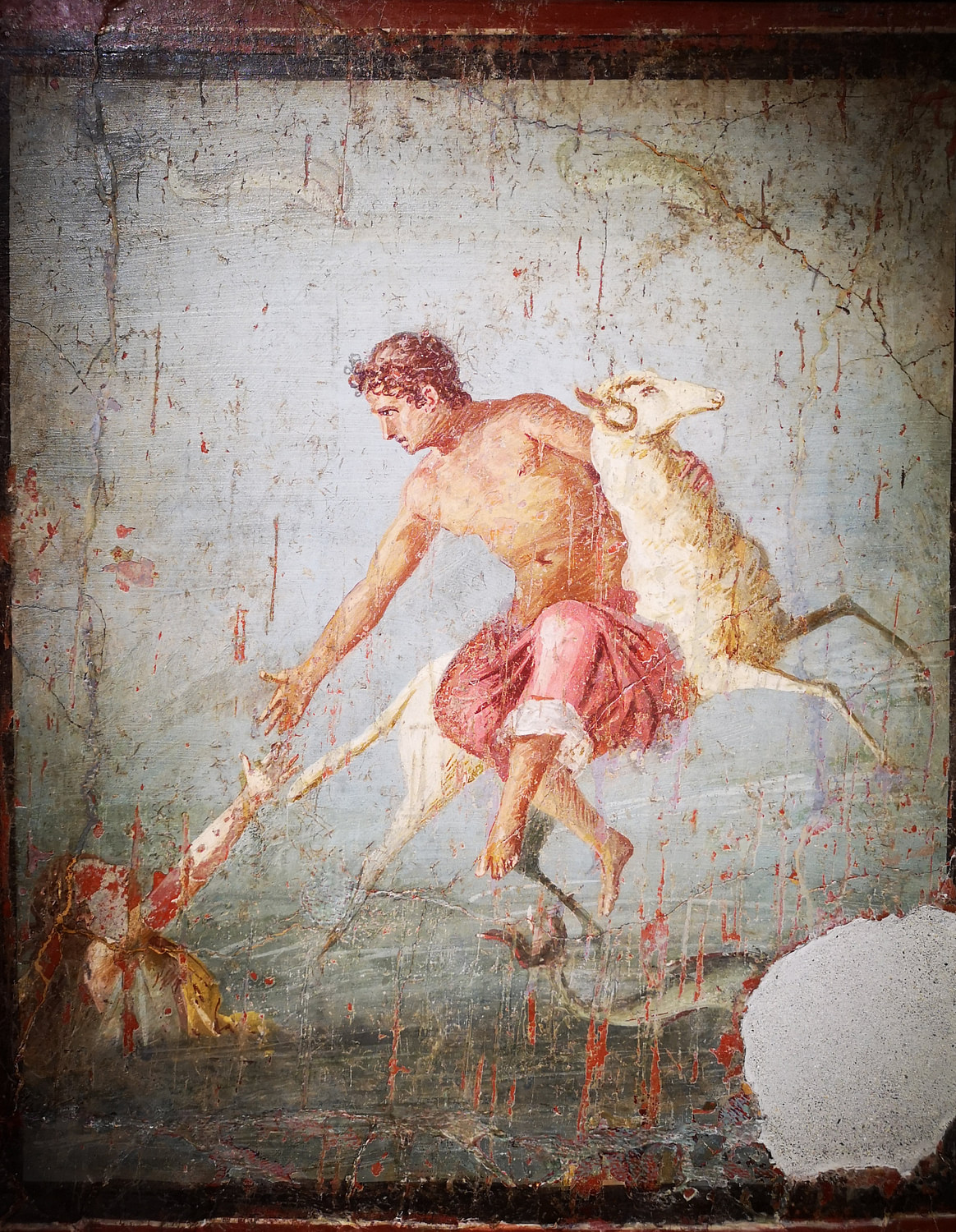
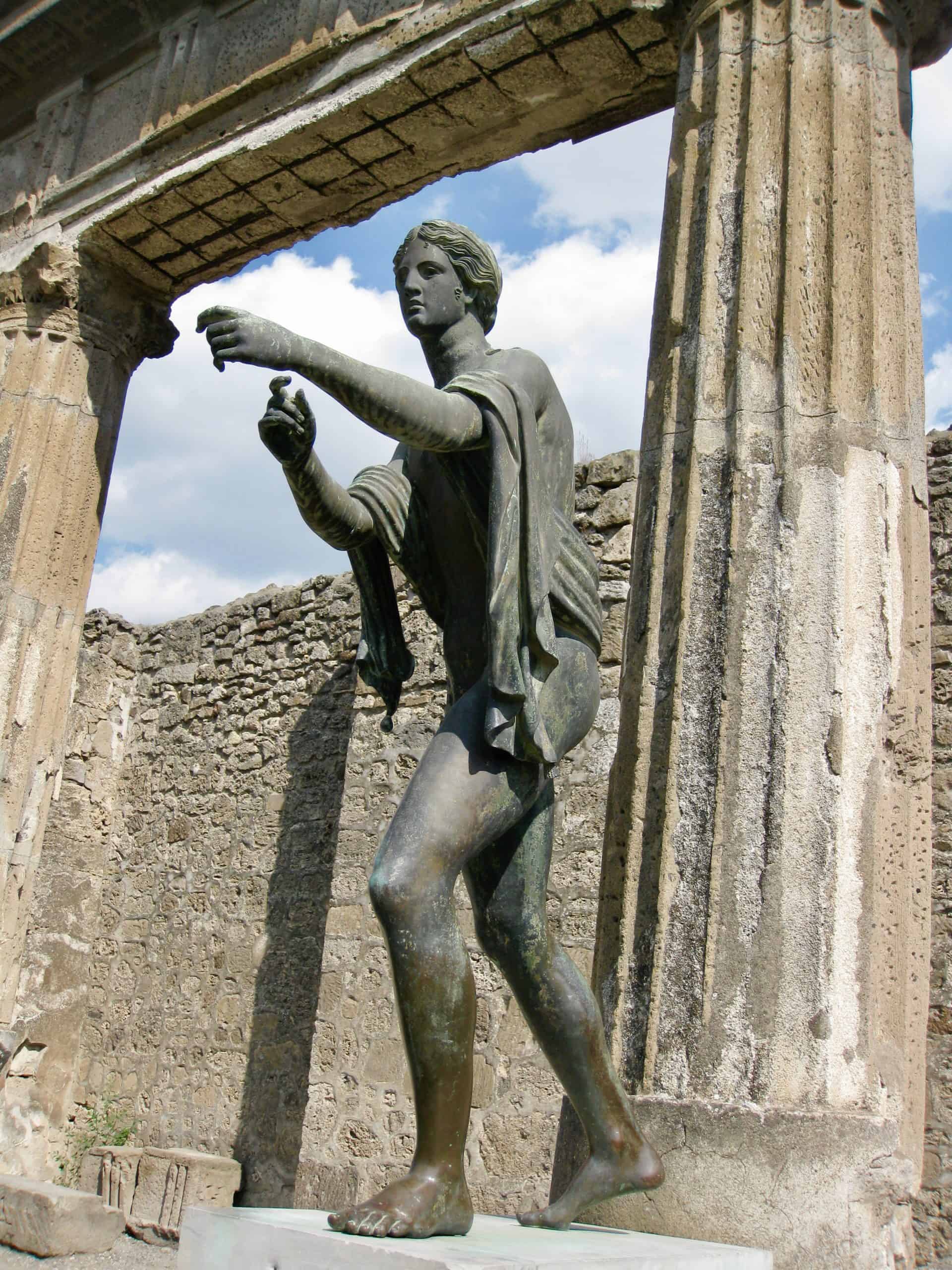
Much of what historians know about Roman painting and sculpture comes from artifacts found in Pompeii.
Pompeii was a Roman city located south of Rome.
Destruction and Preservation
In A.D. 79, Mount Vesuvius erupted.
The eruption covered Pompeii in volcanic lava and ash.
This burial:
Sealed buildings and objects
Protected them from weather, decay, and time
Because of this, artworks survived in excellent condition.
Discovery and Excavation
Pompeii was first excavated in 1748.
Archaeologists discovered:
Frescoes (paintings on wet plaster)
Murals
Statues
These finds gave historians a detailed look into Roman daily life and art.
Importance of Pompeii’s Art
Roman paintings and sculptures from Pompeii show:
Everyday scenes
Mythological stories
Realistic human figures
These artworks help us understand:
Roman culture
Artistic techniques
Interior decoration styles
Mural Paintings (Frescoes) – Roman Art


4
What Are Frescoes?
Frescoes are mural paintings made on wet plaster.
Romans used frescoes to decorate the walls of their homes.
These paintings added color, beauty, and meaning to everyday spaces.
Common Subjects in Roman Frescoes
Roman wall paintings often showed:
Landscapes
Intimate or family scenes
Ceremonies, such as weddings
Mythological figures and gods
Scenes from daily life
Artistic Style
Painted with lively, expressive brushstrokes
Arranged in panels of matte (flat) color
Designed to:
Make rooms feel larger
Create the illusion of depth
Tell stories visually
Example: Lararium Fresco
The fresco shown is a Lararium fresco.
A Lararium was a small shrine in Roman homes.
Location:
Found in the atrium of an inn
Located on Via dell’Abbondanza, the main road of Pompeii
Purpose:
Honored household gods
Blended religion with daily life
Importance of Roman Frescoes
Show how Romans:
Decorated their homes
Practiced religion
Viewed daily life and mythology
Provide historians with a direct look into Roman culture.
Roman Mosaics

4
What Are Roman Mosaics?
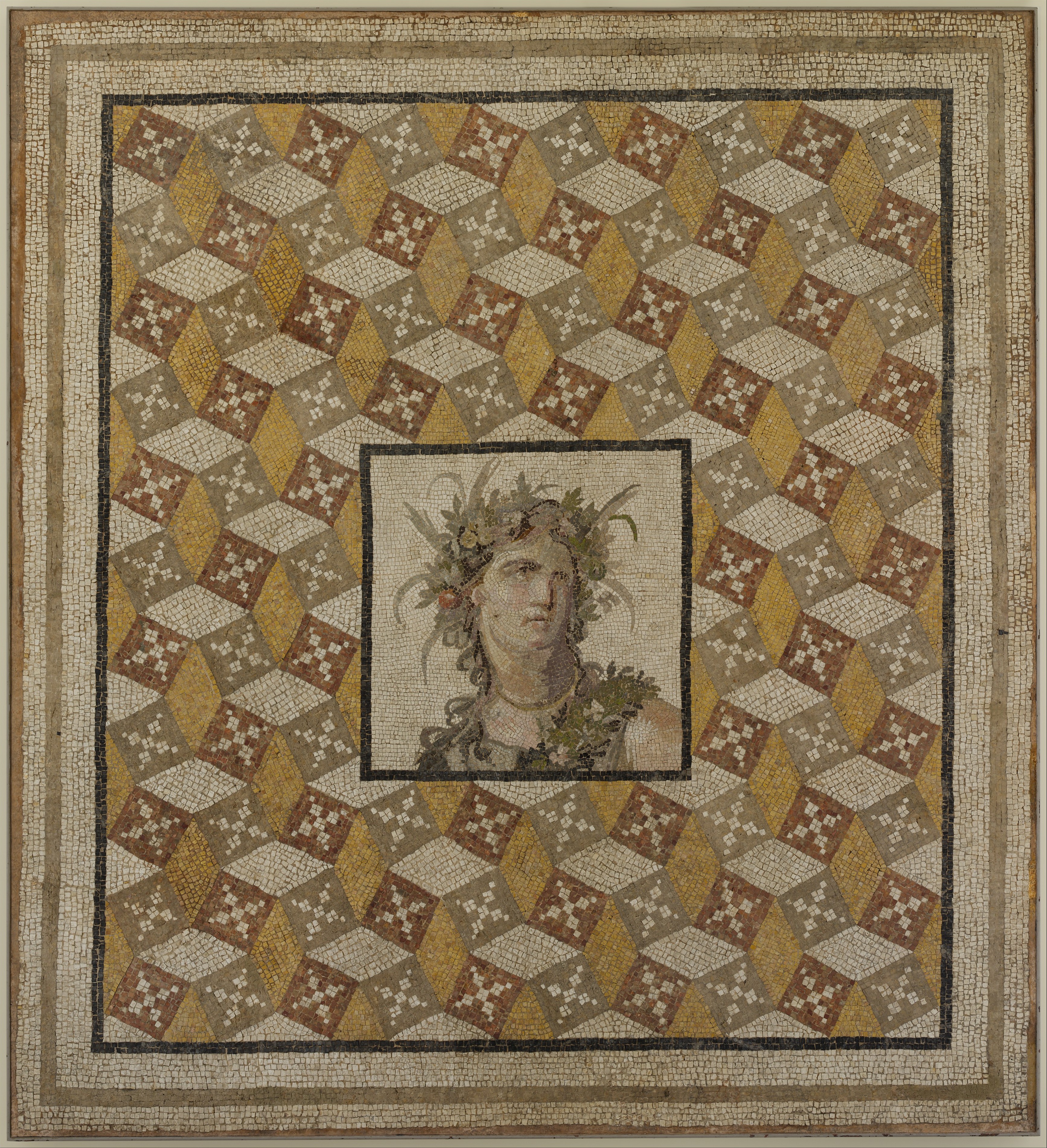
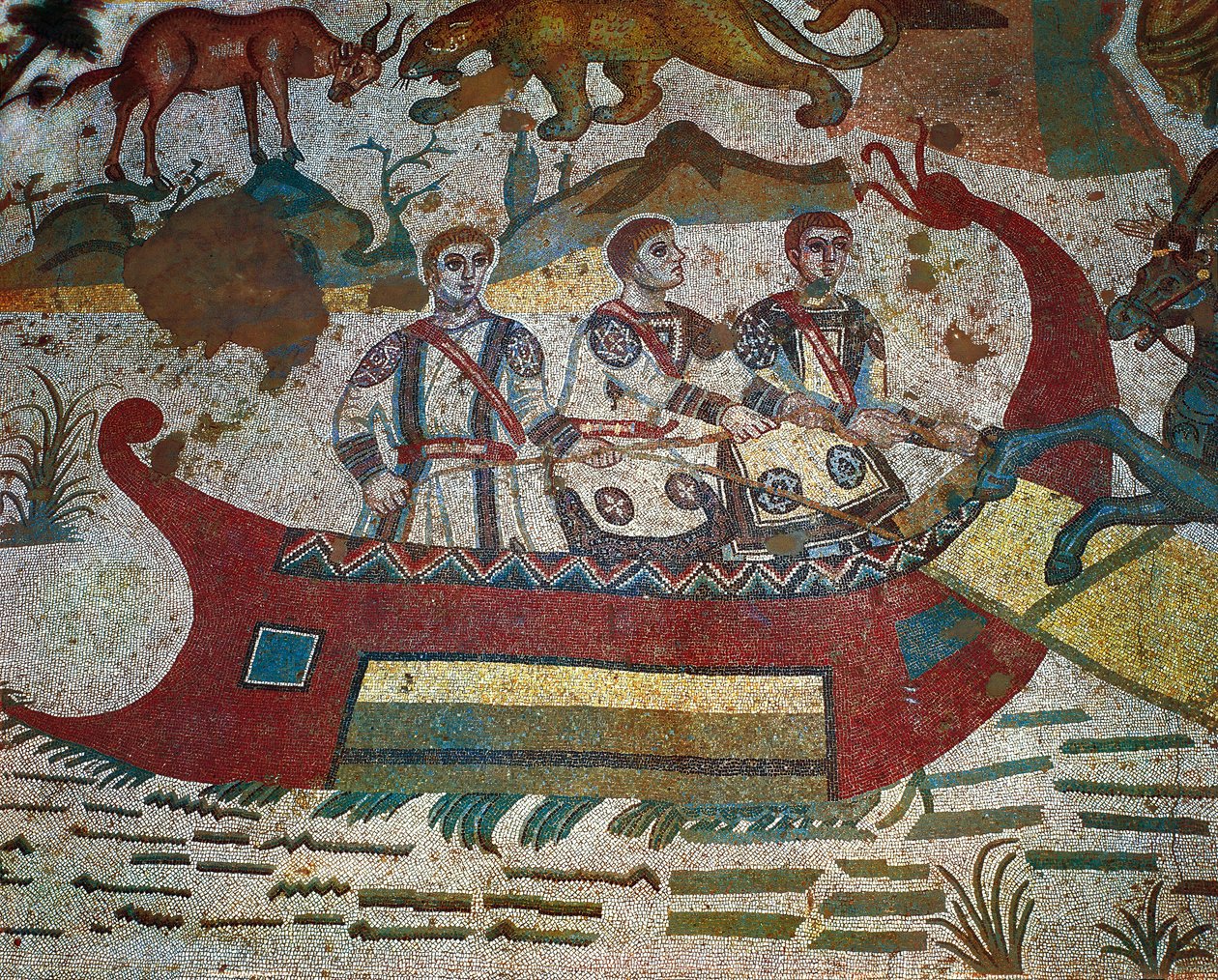
Mosaics were a common decoration for walls and floors in Roman buildings.
They were made from small pieces of marble (called tesserae).
The pieces were set into mortar to form detailed images.
Common Subjects in Roman Mosaics
Roman mosaics often depicted:
Battle scenes
Hunting scenes
Exotic birds and animals
Scenes from distant lands within the Roman Empire
Exotic and Cultural Influence
Many mosaics featured animals Romans had seen or heard about from faraway regions.
These images showed:
The vast size of the Empire
Roman fascination with foreign cultures
Famous Example: Nile Mosaic
One striking mosaic shows the River Nile in Egypt.
It includes:
Crocodiles
Lotus buds
A hippopotamus
This mosaic reflects Roman interest in:
Nature
Geography
Conquered lands
Importance of Roman Mosaics
Mosaics were:
Durable
Decorative
Highly detailed
They give historians insight into:
Roman daily life
Military pride
Exploration and empire
Roman Portrait Painting


4
Fayum Portraits
The best examples of Roman portrait painting come from the Fayum district in Egypt.
These works are known as the Fayum portraits.
Funeral Tradition
When a person died:
A realistic portrait of the deceased was painted.
The portrait was made on a thin wooden panel.
It was placed directly over the face of the mummy.
This practice combined Roman art with Egyptian burial customs.
Artistic Technique: Encaustic
The portraits were created using the encaustic technique.
Encaustic painting used:
Pigments mixed with hot wax
This method allowed:
Rich colors
Texture
Long-lasting preservation
Style and Appearance
Fayum portraits are:
Highly realistic
Emotionally expressive
Detailed in facial features, skin tones, and eyes
They are considered remarkably lifelike, even today.
Famous Example
One well-known portrait is the Artemidorus mummy.
This portrait is especially noted for:
Its realism
Its mysterious and expressive gaze
Importance of Fayum Portraits
They show:
Advanced Roman portrait techniques
Cultural blending between Rome and Egypt
They provide a powerful connection to individual people from the ancient world.
Roman Sculpture

4
Religion and Sculpture
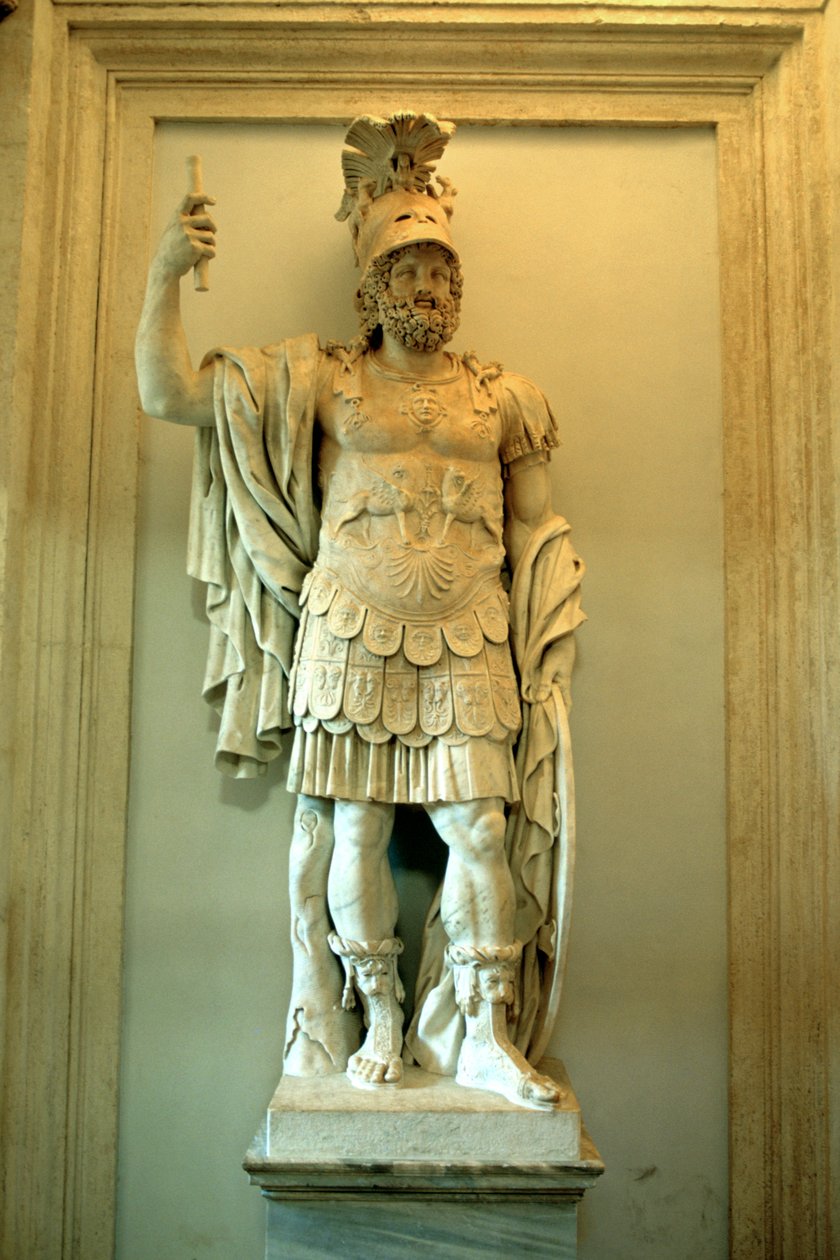
Romans worshipped many gods and goddesses.
These deities were common subjects in Roman sculpture.
Every temple contained a sculpture of the god or goddess it honored.
Sculptures played both a religious and decorative role.
Sculpture in Daily Life
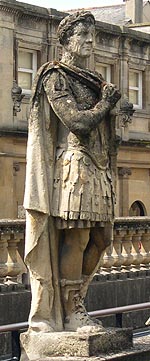
Statues were not limited to temples.
They appeared in:
Public places (such as bathhouses and forums)
Private homes
This shows how art was integrated into everyday Roman life.
Emperors and Power
Romans also used sculpture to celebrate and honor emperors.
Important civic spaces often displayed statues of the ruling emperor.
These statues:
Reinforced political authority
Presented emperors as powerful, noble, and sometimes god-like
A famous example of imperial sculpture is Augustus, often shown idealized and youthful.
Purpose of Roman Sculpture
Roman sculptures served to:
Honor gods and religion
Display political power
Decorate public and private spaces
They helped communicate status, belief, and authority visually.
Ancient Roman Portrait Busts


4
Portrait Sculpture (Mortals)
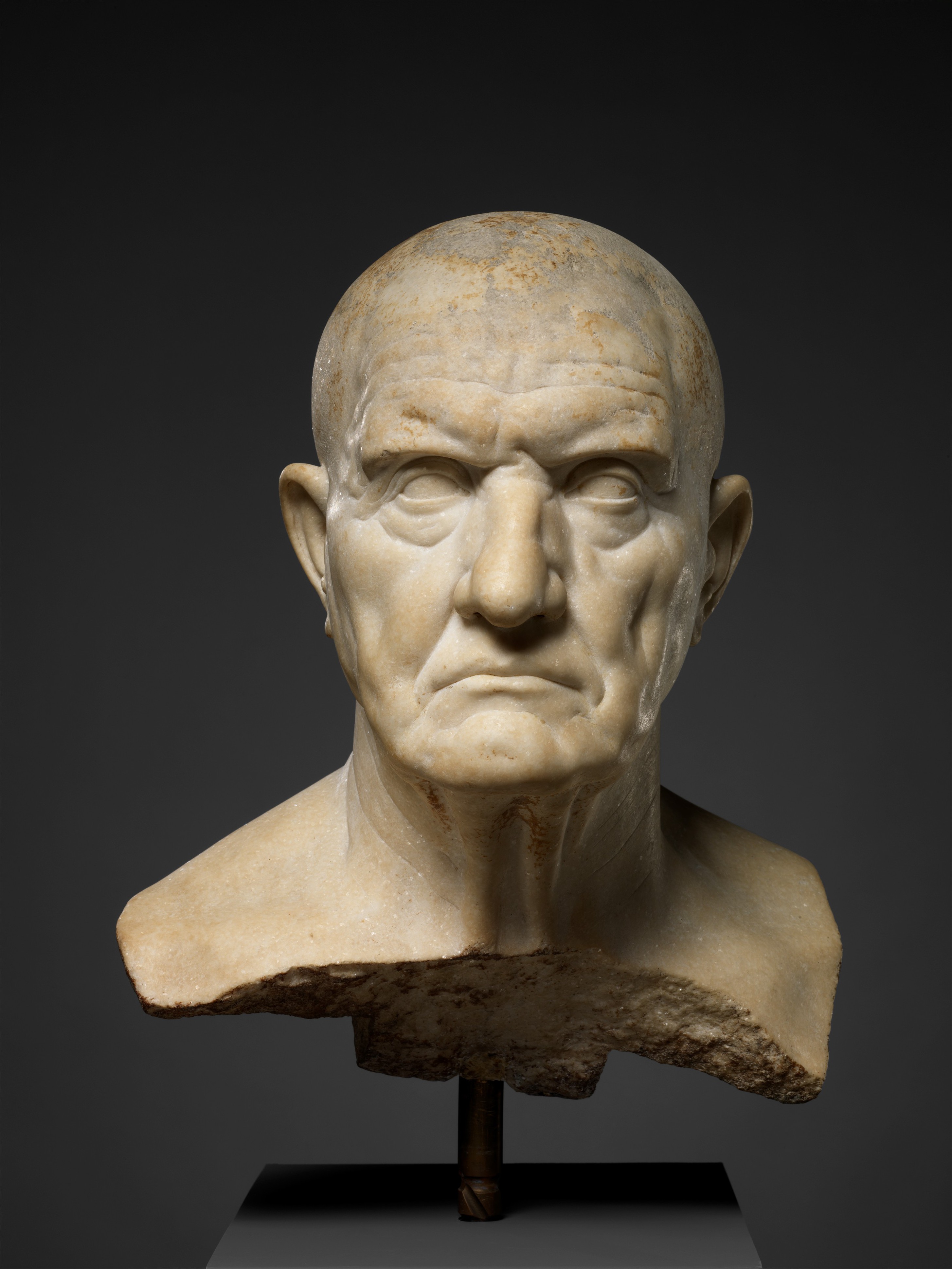
Roman sculptures of real people are called portrait sculptures.
These sculptures focused on individual identity and power.
There were two main types:
Busts: showed only the head and shoulders
Full-scale statues: showed the entire body, often larger than life
Busts
Smaller in size
Emphasized:
Facial features
Age
Character
Often used in:
Homes
Public buildings
Memorials
Full-Scale Statues
Large and imposing
Displayed in important public and civic spaces
Used to show:
Authority
Status
Political power
Colossal Head of Constantine
A famous example of Roman portrait sculpture is the Colossal Head of Constantine.
It is the only surviving part of a massive 30-foot marble statue.
The statue originally stood in the Basilica of Constantine.
Style and Meaning
The face appears:
Impassive
Mask-like
Emotionless
It shows no human weakness or emotion.
This style was intentional.
Symbolism
The sculpture symbolized:
Absolute authority
Power beyond ordinary humans
It reflected the belief that Constantine was:
God’s representative on Earth
A ruler chosen by divine power
Importance of Roman Portrait Busts
Roman portrait sculpture was not just art.
It was a tool for:
Political messaging
Reinforcing control
Shaping public perception of leaders
Roman Triumphal Arches

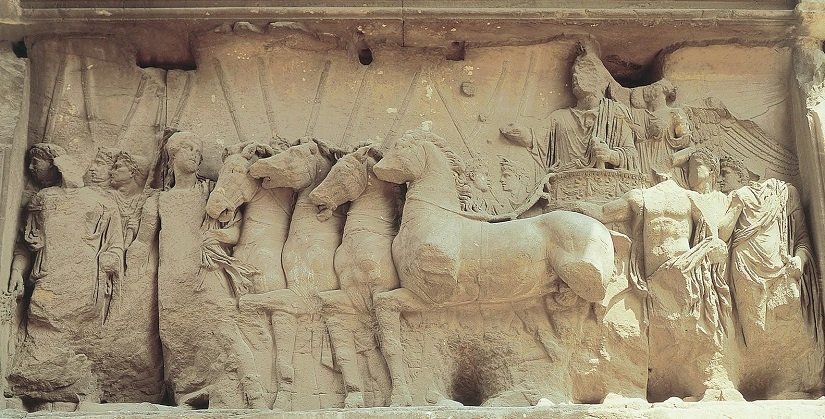
4
Purpose of Triumphal Arches
Romans built ornate triumphal arches in conquered lands.
These arches symbolized:
Triumph
Military victory
Roman power and glory
They also served as a constant visual reminder to conquered peoples of Roman dominance.
Political and Psychological Role
Triumphal arches were not just decorations.
They acted as propaganda:
Celebrated Roman success
Reinforced authority
Intimidated subject populations
Their placement in public spaces ensured they were seen daily.
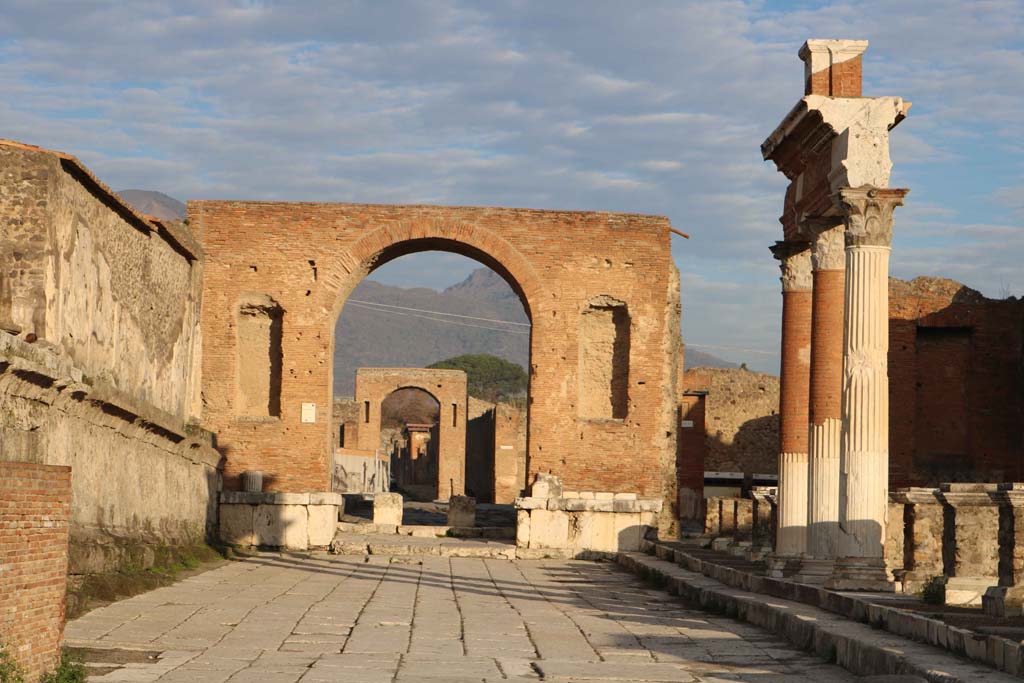
Example: Arch of Tiberius
One surviving example is the Arch of Tiberius.
Located in Pompeii.
Built in A.D. 25.
Decorative Features
The Arch of Tiberius is covered with carvings showing:
Military trophies
Defeated and bound captives
Roman soldiers in battle
Captured weapons and armor
Visual Impact
Even in ruins, the arch:
Conveys strength and authority
Demonstrates Roman pride in conquest
A cobbled road once passed directly through it, integrating the monument into daily life.
Importance of Triumphal Arches
Show how Romans used architecture to:
Celebrate victory
Control public memory
Project imperial power
Remains like the Arch of Tiberius still communicate the power of the Roman Empire today.
Triumphal Arches and the Decline of Rome


Triumph and Glory
The Romans erected triumphal arches to celebrate:
Military success
Imperial glory
The strength of the Roman Empire
These monuments symbolized Rome at its height of power.
Signs of Decline
Over time, Roman art also began to reflect the weakening of the Empire.
Instead of confident, heroic figures, later artworks show:
Tension
Fear
Defensive postures
This change mirrors the growing threats to Rome, especially barbarian invasions.
Example: The Four Tetrarchs
A key example is The Four Tetrarchs.
Location:
Built into the Basilica di San Marco
In Venice, Italy
Description of the Sculpture
The sculpture shows four rulers (tetrarchs) who governed together near the end of the Roman Empire.
The figures:
Are huddled closely together
Appear tense and rigid
Show little individuality
Their posture suggests they are bracing against external threats.
Meaning and Symbolism
The sculpture reflects:
Political instability
Loss of confidence
A shift from individual power to collective survival
It symbolizes an empire under pressure, no longer invincible.
Importance
Roman monuments and sculptures:
First celebrated Rome’s dominance
Later revealed its decline
Art became a visual record of the Empire’s rise and fall.
Theology, Culture, and the Human Form in Roman Art
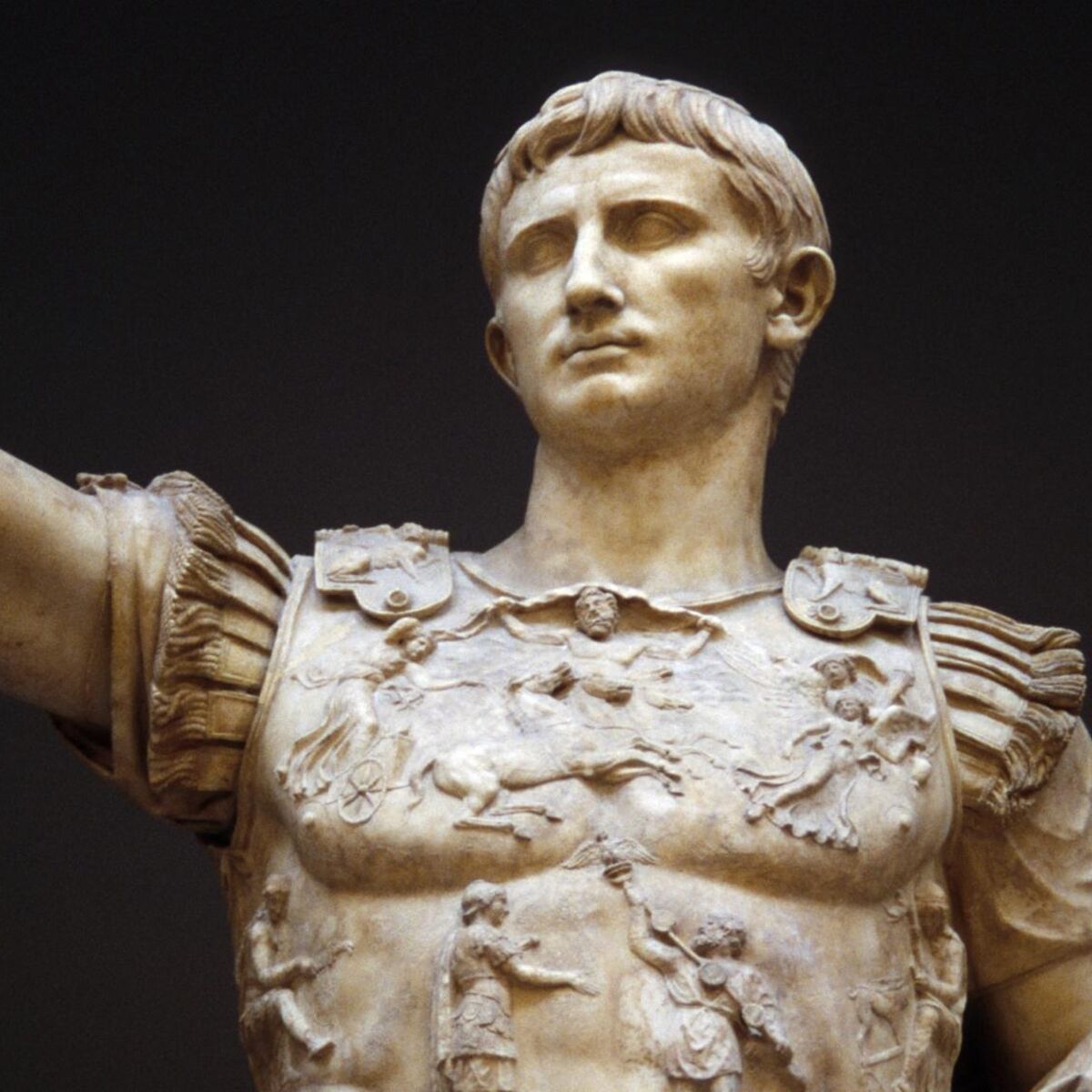


4
Roman Beliefs and the Gods
Romans worshipped many gods and goddesses, each representing aspects of life.
Examples include:
Mars – war
Juno – marriage and family
Minerva – learning and wisdom
Romans believed their gods had human form.
This belief strongly influenced how artists portrayed the human body.
Glorifying the Human Body
Like the Greeks, Romans sought to celebrate and glorify the human body.
Roman sculpture shows:
Freedom of expression
Natural movement
More realistic poses than earlier art traditions
Romans adopted Greek ideas of:
Detailed anatomy
Correct proportion
These principles still influence modern art today.
Greek vs Roman Views of the Human Form

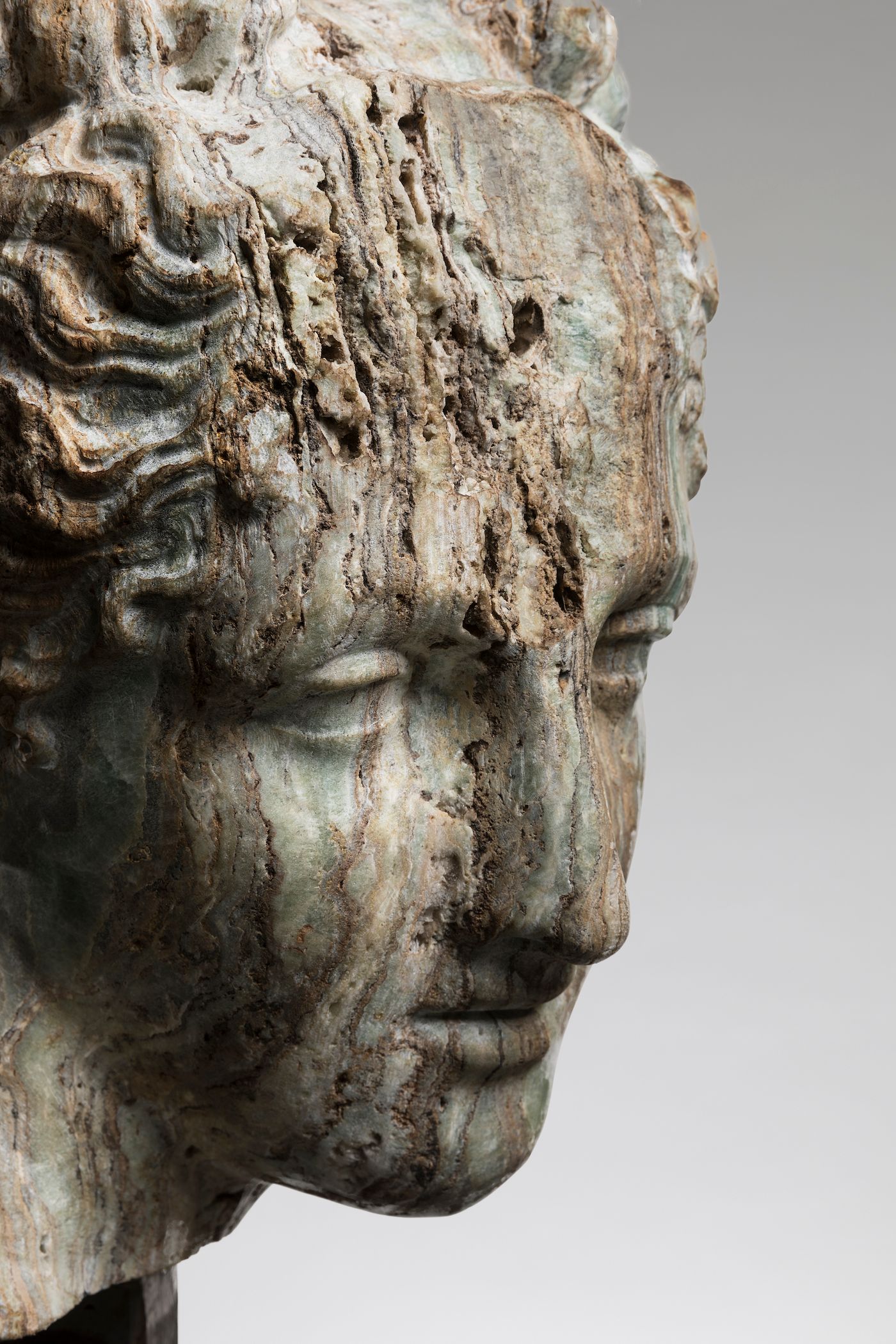
4
Greek Idealism
Greeks believed the human body should be shown as near-perfect.
Greek sculpture:
Idealized beauty
Smooth, flawless features
Calm, balanced expressions
Roman Realism
Romans preferred a realistic representation of people.
Roman statues often include:
Wrinkles
Crooked noses
Warts or other imperfections
Romans believed these flaws showed:
Character
Experience
Wisdom
Art was meant to represent real people, not ideals.
Example: Human Form in Motion

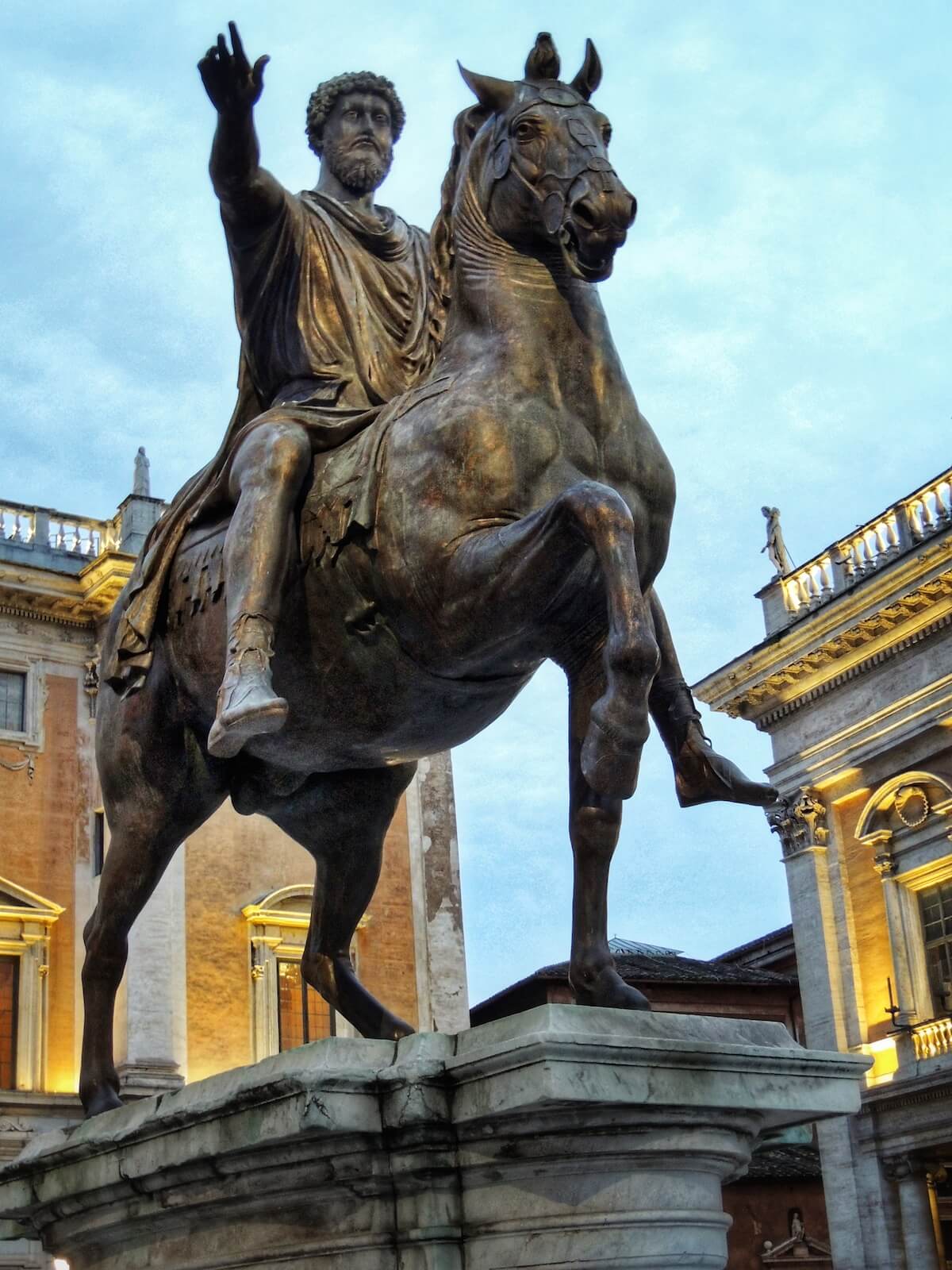

Marcus Aurelius on Horseback
A famous example is the statue of Marcus Aurelius riding a horse.
The statue shows:
A natural, active pose
Confidence and authority
Control without aggression
It highlights Roman skill in portraying:
Movement
Balance
Human presence
Realism and Mortality
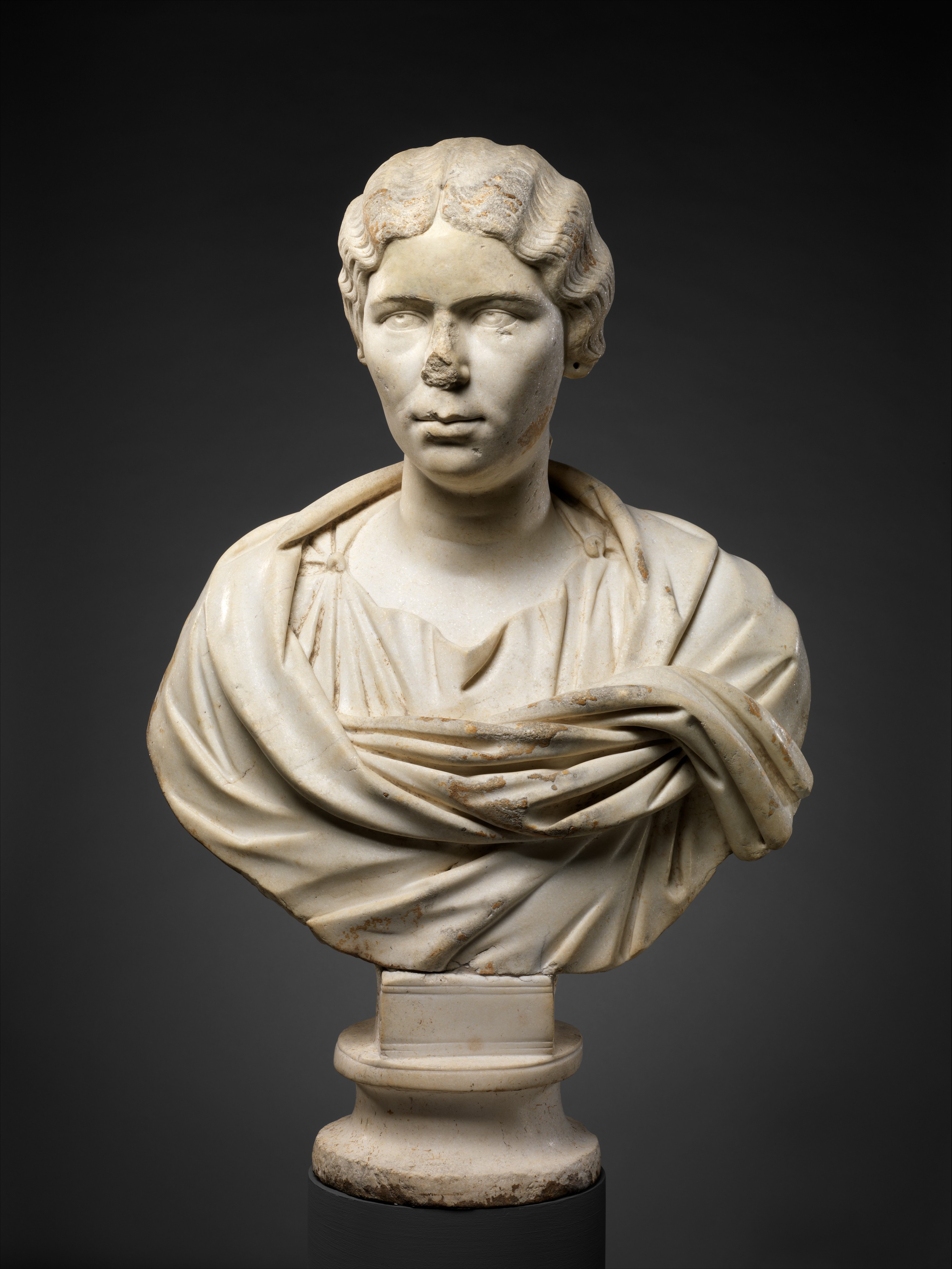

Realistic Portraiture
Roman artists did not hide imperfections.
A marble sculpture of a woman’s face shows:
A true likeness
Natural aging and asymmetry
These statues allow modern viewers to:
See what ordinary people looked like
Connect with real individuals from the past
Why This Matters
Roman art:
Humanized both gods and mortals
Valued individuality over perfection
It provides a visual record of real human life, not just ideals.
Key Takeaway
Greeks idealized the human body.
Romans represented it realistically.
Roman theology, culture, and belief in human-form gods led to art that was:
Expressive
Honest
Deeply human