12) Russia Modernising the USSR
Economic Problems 1924–41
USSR still recovering from effects of Civil War in late 1920s.
Soviet industry limited: productivity in key sectors (coal, steel) below pre-WWI levels.
USSR politically isolated → limited access to western technology.
Economy lagged behind other countries.
Agriculture backward despite NEP; slump 1924–28 worsened situation → peasants hoarded grain → food shortages.
In 1927, 5 million wooden ploughs still in use despite new machinery under NEP.
Paragraph Version:
In the late 1920s, the USSR faced significant economic problems. Industry remained limited, with key sectors like coal and steel still below pre-WWI productivity, and political isolation prevented access to Western technology. The overall economy lagged behind other countries, and agriculture remained backward despite some NEP progress. Between 1924 and 1928, an agricultural slump caused peasants to hoard grain, leading to food shortages, and in 1927, 5 million wooden ploughs were still in use despite the introduction of new machinery.
Why Did Stalin Want to Modernise Soviet Industry
Russia historically defeated due to backwardness in military, industry, and agriculture.
Backwardness = weakness → risk of being beaten or enslaved; power = respect and safety.
Industrialisation cannot be slowed; falling behind leads to defeat.
Lenin’s view: USSR must overtake advanced capitalist countries.
In 1931, Stalin estimated USSR was 50–100 years behind; must close gap in 10 years or face crushing by other nations.
Paragraph Version:
Stalin wanted to modernise Soviet industry because Russia had historically been defeated due to backwardness in the military, industry, and agriculture. He believed that weakness made a country vulnerable to attack, while power demanded respect and safety. Slowing industrialisation was not an option, as falling behind would leave the USSR open to defeat. Following Lenin’s principle of overtaking the advanced capitalist countries, Stalin argued in 1931 that the USSR, 50–100 years behind, had to close the gap within ten years or risk being crushed.
1. Security
Security was a key reason for Stalin’s industrialisation.
WWI showed a country could only fight a modern war if it had industries to produce weapons and equipment.
Factories needed iron, steel, textiles, coal, and electricity to operate.
Many new industrial projects were planned further east → safer from potential invasion.
Paragraph Version:
Security was a major reason why Stalin wanted to modernise Soviet industry. The First World War had demonstrated that a country could only fight a modern war if it had factories to produce weapons and equipment. These factories required iron, steel, textiles, coal, and electricity to function. Stalin also planned many of the new industrial projects in the eastern USSR, making them less vulnerable to invasion.
2. Power and Control
Stalin used industrialisation to strengthen political power and control.
Allied with Bukharin (NEP supporters) in 1928, then switched to state planning and large projects to undermine him.
Industrialisation became a tool to control the country after opponents were removed.
Political prisoners sent to harsh labour camps (e.g., White Sea–Baltic Canal) → served as warning to others.
Critics of Stalin’s programme could be accused of undermining national progress.
Paragraph Version:
Industrialisation was also a tool for Stalin to consolidate power and control. In 1928, he initially allied with Bukharin and NEP supporters but then switched to supporting state planning and large projects like railways and hydro-electric dams to weaken Bukharin. Once opponents were removed, industrialisation became a means of controlling the population. Political prisoners were sent to brutal labour camps, such as the White Sea–Baltic Canal, to discourage dissent, and anyone criticising Stalin’s programme risked being accused of undermining the country’s progress.
3. Socialism in One Country
Bullet Point Version:
Policy linked to Stalin’s industrialisation: ‘Socialism in One Country’.
Had strong support in Communist Party and USSR.
Stalin used nationalist pride to drive economic development.
Goal: make USSR self-sufficient, reduce reliance on imported industrial equipment.
Aim: compete with Western economies; eventually export to the West.
Improve standards of living: better housing, mass education, healthcare → strengthen support for communist rule.
Paragraph Version:
Stalin’s industrialisation was closely linked to his policy of ‘Socialism in One Country,’ which had widespread support in the Party and USSR. He used nationalist pride to push economic development and aimed to make the USSR self-sufficient, reducing dependence on imported industrial equipment. Stalin wanted the USSR to compete with Western economies and eventually export goods rather than import. He also sought to improve living standards through better housing, mass education, and healthcare to increase public support for communist rule.
4. Personal Reputation
Modernising industry helped Stalin establish his personal reputation.
Wanted to surpass Lenin’s achievements.
Could take credit for dams, factories, railways, electricity pylons.
Supported by a powerful propaganda machine: films, posters, paintings, music.
Paragraph Version:
Stalin saw industrialisation as a way to establish his personal reputation and surpass Lenin’s achievements. He could claim credit for major projects like dams, factories, railways, and electricity pylons, supported by a formidable propaganda machine including films, posters, paintings, and music.
5. Ideology:
Marxist theory: workers crucial for communist society.
By 1928, only ~1 in 5 Russians were industrial workers → need for rapid industrialisation.
Build a working-class support base.
Remove NEPmen, seen as a capitalist trading class.
Paragraph Version:
Industrialisation also served Stalin’s ideological goals. Marxist theory emphasized the role of industrial workers in building a communist society, but by 1928 only about one in five Russians were industrial workers. Rapid industrialisation would build a working-class support base and remove NEPmen, who were seen as a capitalist trading class.
Economic Aims After 1928
Bullet Point Version:
Goal: create a fully socialist economy in the USSR.
Human cost was not a concern.
First priority: end the NEP and industrialise rapidly.
Gosplan set production targets for all major industries.
Industrialisation aimed to:
Prove superiority of Soviet economy over the West.
Prepare for possible Western invasion.
Paragraph Version:
After 1928, Stalin aimed to create a fully socialist economy in the USSR, showing little concern for the human cost. His first priority was to end the NEP and industrialise rapidly. The State Planning Committee (Gosplan) set strict production targets for all major industries. Rapid industrialisation served both to demonstrate the superiority of the Soviet economic system over the West and to prepare for the possibility of invasion by Western powers.
The Five-Year Plans (1928–1941)
Stalin introduced the first Five-Year Plan in 1928 to speed up industrialisation.
By 1933, the plan was completed → USSR made considerable industrial progress, catching up with the West.
Agriculture: collectivisation began in 1928 to make farms more efficient and ‘socialise’ the peasantry (cooperative work, communal living).
Aim: fully centralise the economy under state ownership; big industries already controlled, agriculture now included.
Paragraph Version:
To accelerate industrialisation, Stalin launched the first Five-Year Plan in 1928. By 1933, significant progress had been made, helping the USSR catch up with the West in industrial production. In agriculture, Stalin began collectivising farms to increase efficiency and ‘socialise’ the peasantry, encouraging cooperative work and communal living. The overarching aim was to fully centralise the economy under state ownership, extending control beyond industry to include agriculture.
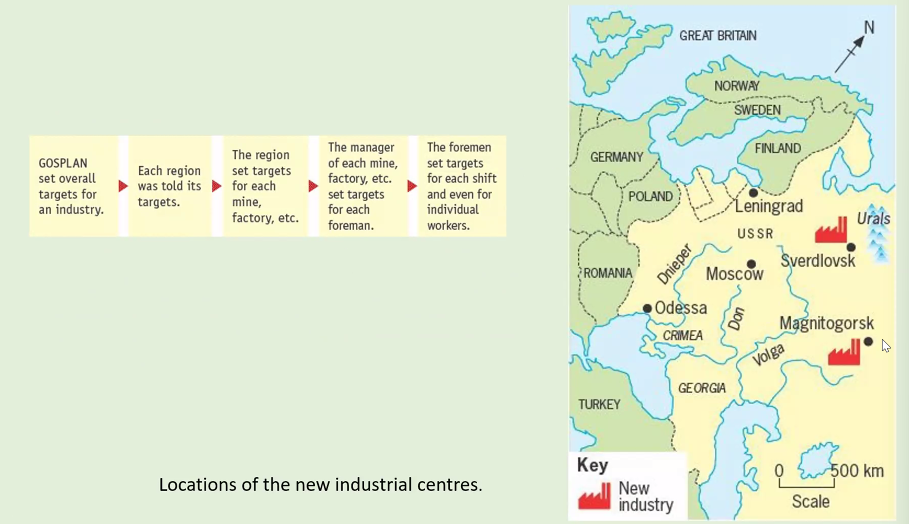
1. First Five-Year Plan (1928–1932):
Focused on major industries; most targets not fully met, but achievements significant.
Increased industrial production → foundation for future plans.
Resources often in remote areas (e.g., Siberia) → new cities and industrial centres built from scratch.
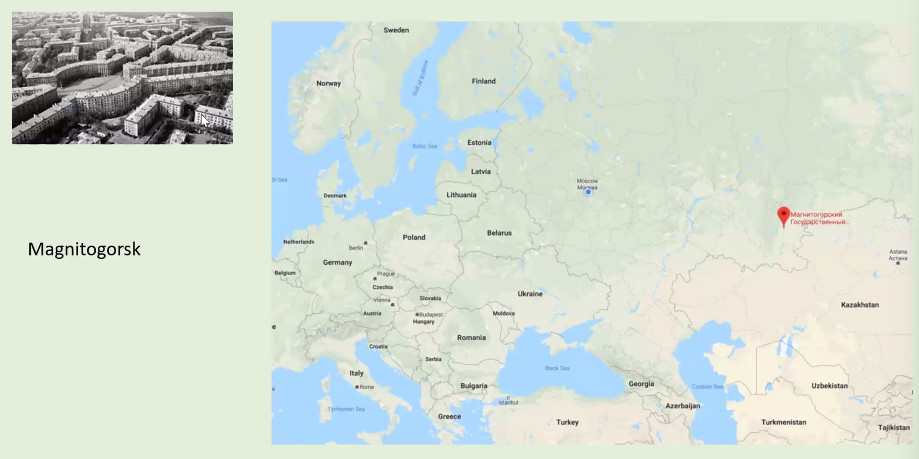
Famous projects: steel mills at Magnitogorsk and Sverdlovsk, dams, and hydro-electric power.
Experts sent to Central Asia (Uzbekistan, Kazakhstan) to create new industry.
2. Second Five-Year Plan (1933–1937):
Built on first plan’s achievements; heavy industry still a priority.
Mining expanded (lead, tin, zinc) → Siberia’s mineral resources exploited.
Transport & communications improved → new railways and canals.
Showcase project: Moscow underground railway.
Industrialisation supported agriculture → increased production of tractors and farm machinery.
3. Third Five-Year Plan (1938–1941):
Some factories switched to consumer goods production.
Plan disrupted by Second World War.
Paragraph Version:
The first Five-Year Plan (1928–1932) focused on major industries. Although most targets were not fully met, the USSR achieved significant progress, increasing production and laying a foundation for future plans. Many natural resources were in remote areas like Siberia, prompting the construction of new cities and industrial centres. Key projects included steel mills at Magnitogorsk and Sverdlovsk, dams, and hydro-electric power, while experts developed industry in Central Asia.
The second Five-Year Plan (1933–1937) built on these achievements. Heavy industry remained a priority, mining of lead, tin, and zinc intensified, and transport and communications improved with new railways and canals. The Moscow underground railway was a notable showcase project. Industrialisation also aided agriculture, with increased production of tractors and farm machinery.
The third Five-Year Plan (1938–1941) aimed to switch some factories to consumer goods, but it was disrupted by the outbreak of the Second World War.
Features of the Five-Year Plans
Heavy industrial growth was central to all three plans.
Plans often declared complete a year early to showcase Soviet superiority over capitalism.
Construction of huge industrial centres (e.g., Magnitogorsk) → mostly east of the Urals, safer from Western attack.
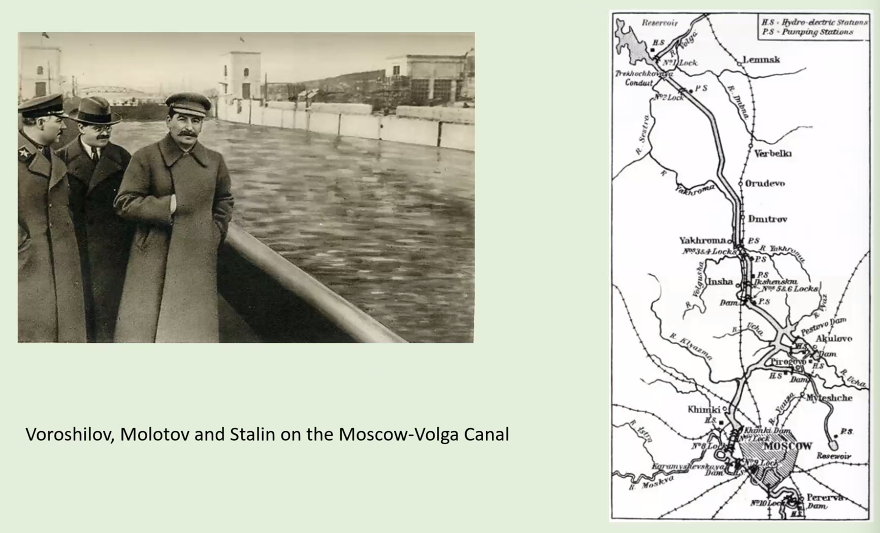
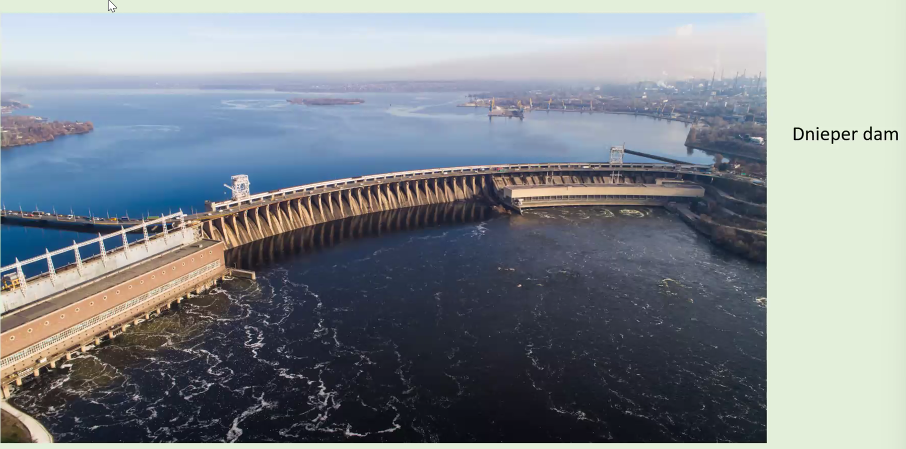
Spectacular projects demonstrated Soviet power: Moscow-Volga Canal, Dnieper Dam.
Foreign participation in first two plans, e.g., Henry Ford helped build car industry.
Slight shifts in focus:
Second Plan: transport, consumer goods (unsuccessful), chemical industry.
Third Plan: armaments production.
Paragraph Version:
All three Five-Year Plans were characterised by heavy industrial growth and were often declared complete a year ahead of schedule to demonstrate Soviet superiority over capitalism. Large industrial centres, such as Magnitogorsk, were built east of the Ural Mountains to reduce vulnerability to Western attack. Spectacular projects, including the Moscow-Volga Canal and the Dnieper Dam, showcased Soviet power. Foreign expertise, such as Henry Ford’s assistance in building the car industry, played a role in the first two plans. While heavy industry and machine tool production remained central, the second plan shifted slightly toward transport, consumer goods, and the chemical industry, while the third plan emphasised armaments production.
Results of the Five-Year Plans – Effects on Industry
Early workers struggled to meet targets due to malnutrition.
Industrial production eventually rose dramatically:
Coal: 35 → 128 million tonnes (1927–1937)
Steel: 3 → 18 million tonnes (1927–1937, second only to USA)
Electricity: 18 → 80 million kilowatts (1927–1937)
Other sectors lagged: consumer goods and oil production below targets.
Production figures may be unreliable → officials exaggerated results.
Quality suffered; deportation of key experts removed valuable knowledge.
Paragraph Version:
During the first two Five-Year Plans, industrial production rose dramatically, despite early struggles from malnourished workers. Coal output increased from 35 to 128 million tonnes, steel from 3 to 18 million tonnes (second only to the USA), and electricity from 18 to 80 million kilowatts between 1927 and 1937. However, consumer goods and oil production lagged behind targets. Figures may be unreliable, as local officials often exaggerated production to highlight socialist successes. Quality standards suffered, and the deportation of key experts deprived industries of valuable expertise.