Origins of Evolution
Extinction was a common occurrence
Georges Cuvier (1769-1832)
fossils in strata closer to the surface looked more like extant taxa than fossils in deeper strata
catastrophism=layers represent catastrophes causing species to die off
James Hutton (1726-1797) + Charles Lyell (1797-1875)
Gradualism (Hutton) + Uniformitarianism (Lyell) = slow, constant geological processes have been persisting all throughout Earth’s history
influences Darwin because he thought if these slow geological processes have been occurring, maybe evolution is the same way
Jean-Baptiste de Lamarck (1744-1829)
1st person to propose a mechanism for evolution
individuals match their environment
traits change due to use and disuse
traits that are acquired during an organism’s lifetime are passed down to their offspring
organisms have an innate drive to be more complex
Individuals do not evolve or decide to change genetic structure
Charles Darwin (1808-1882)
geologists Hutton and Lyell influenced him
Because Earth is so old, if these slow processes have been happening over time, there would be substantial change to organisms
Species evolve
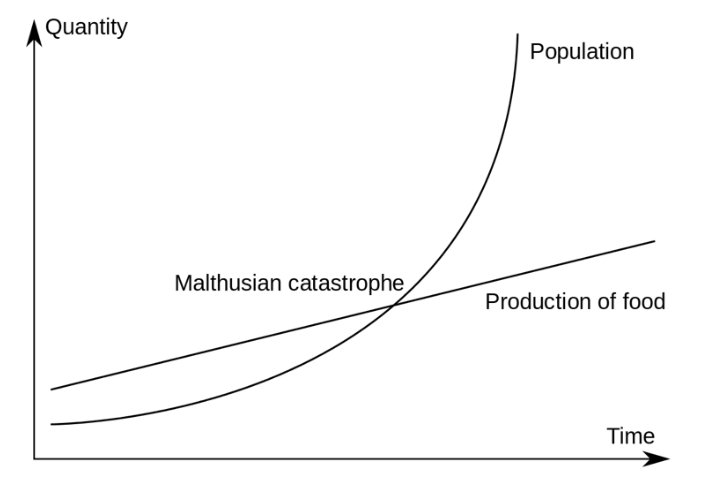
Influenced by Thomas Malthus’ economics when it came to population growth
Voyage of the Beagle (1831-1836)
John Edmonstone- a Black man from Guyana who taught Darwin how to do taxidermy
allowed Darwin to preserve the birds he studied
Concepts of Natural Selection
Selective Pressure- a nonrandom influence that affects who survives or reproduces
individuals w/in a population are genetically different from one another
this causes selective pressure (depending on the traits they have)
which causes differential survival
Fitness- the contribution an individual makes to the gene pool of the next generation
fittest individual has the greatest % of alleles in the next generation
individuals who die young but reproduce a lot before they die can have high levels of fitness
Ways to maximize fitness:
Don’t die b/4 reproducing
Maximixe output of viable offspring
mass reproduction
make yourself seem more attractive to possible mates
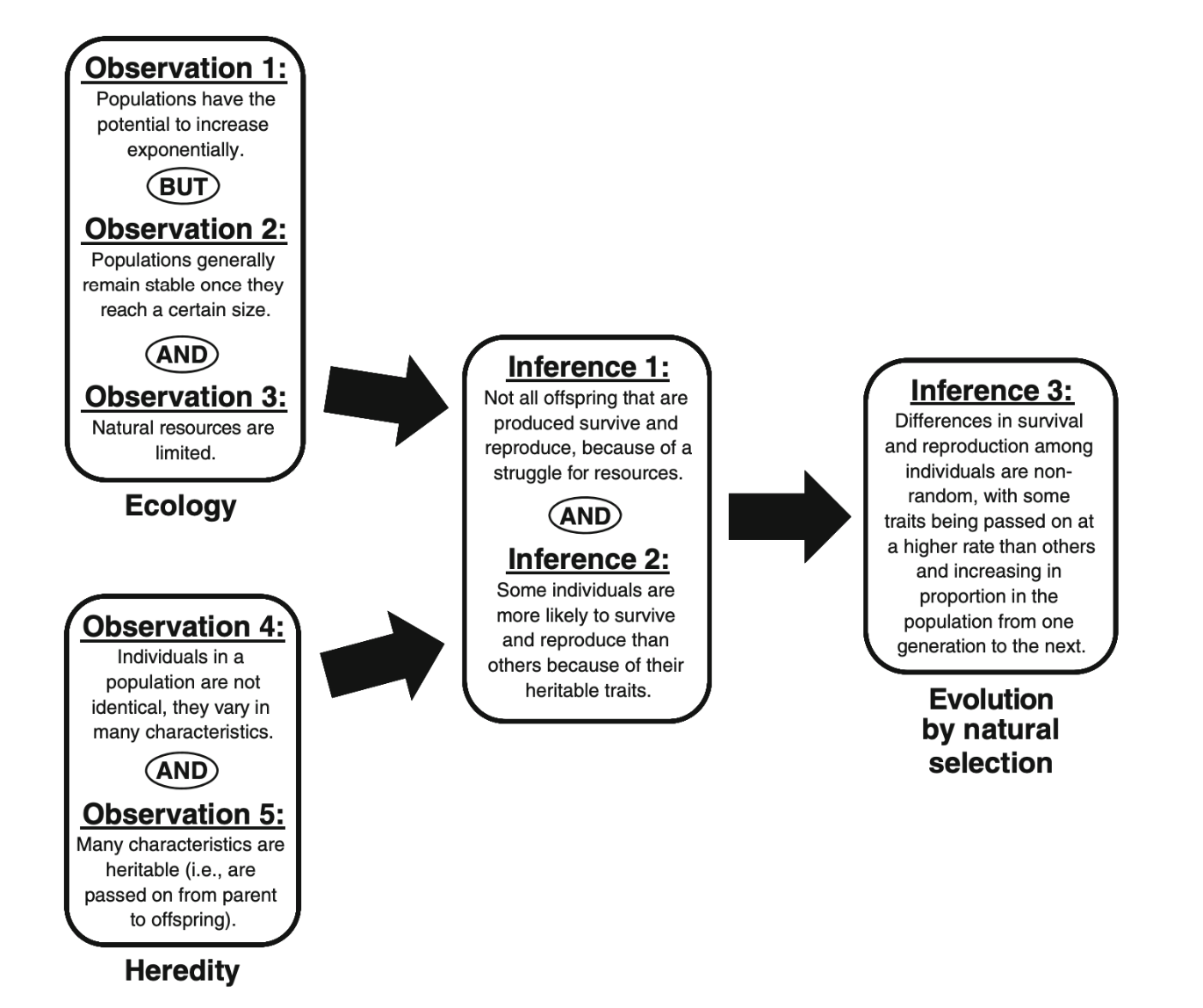
Differential Reproductive Success- individuals w/ different genetic traits/adaptations have diff success in reproducing
those more suited for the environment leave more offspring→higher fitness
adaptations= inherited traits that help an individual survive+reproduce
For every observable pattern, there is an inferred process
Observable pattern: varied beak shapes match food source
inferred process: beak shapes are inherited adaptations that promote fitness→natural selection for this beak shape
Process: gene variation exists→differential reproductive success→gene frequencies change
Descent w/ Modification= diversity of life
connections through a common ancestor
visualized using phylogenetic trees
extant = those that still exist, reach current day/tip of the phylogenetic tree
extinct = dead, don’t reach the tip
Artificial selection= human interest involved
Key Points of Natural Selection
Individuals DO NOT evolve
Traits must be heritable
Favorable traits depend on environmental context
NOT goal oriented→evolution is not intentional, it only happens because of increased fitness in the surviving indivuals of the population