Mexico
Background
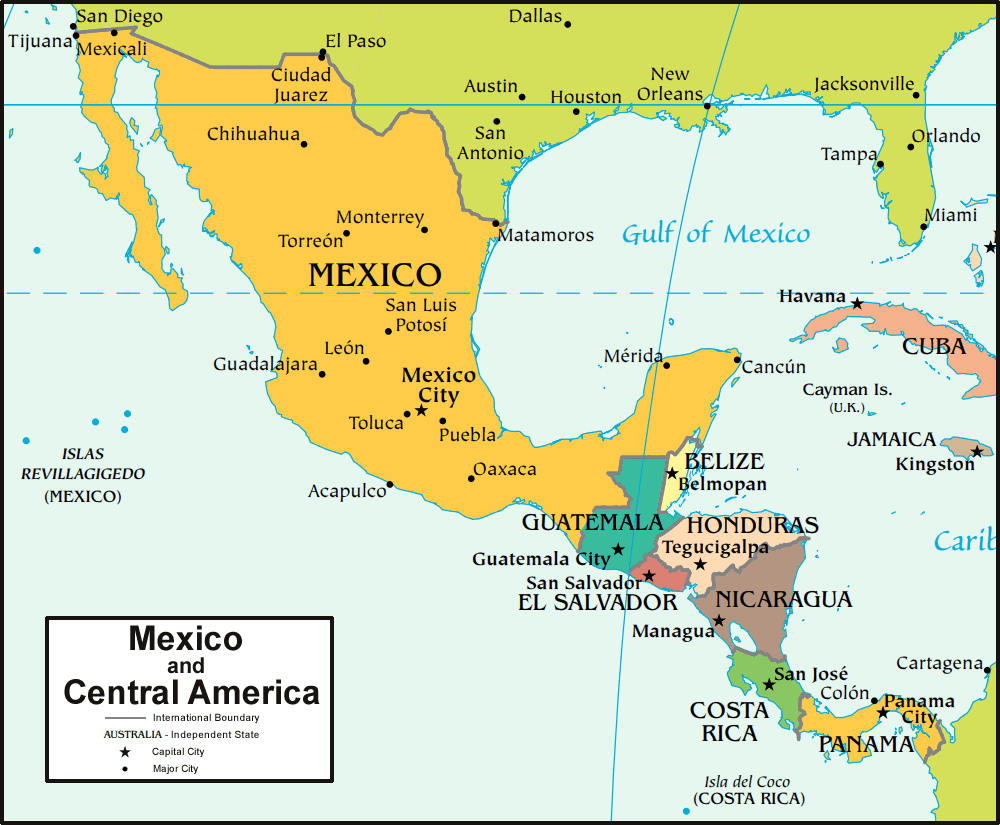
4th largest country in Western Hemisphere
Population of 107 million
Mexico City – largest urban area in world – over 15 million people
Built on the ruins of Tenochtitlán – Aztec empire (Aztec era ca. 1427-1521)
Influence of Spanish culture
Hernán Cortés conquered the Aztecs – many soldiers intermarried with natives
Spanish colonialists also intermarried
80% of present population is mestizo – mix of Spanish and native ethnic heritage
Spanish is national language
Church architecture – Spanish
Music reflects strong Spanish roots
Mariachi Music
Festive music – instrumental or vocal
Energetic and peppy
Entertainment music associated with festivals and celebratory events
Background
Mariachi first appeared in the southwestern state of Jalisco
Origin of term – unknown
One theory – from French term mariage because frequently found at weddings and other festive events – but the word and the music existed before French occupation of Mexico
Another theory – from an indigenous word referring to a type of social event featuring dancers stomping on wooden platform.
Instruments
Mostly European origins
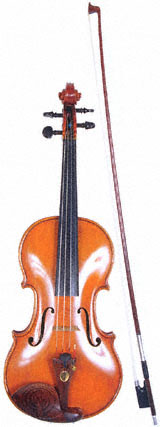
Violin, harp, & guitar originally brought by Spanish missionaries for use in church services – soon used by natives in secular activities
Early mariachi were primarily chordophone bands – mostly violins and harps
Violin was the dominant melodic instrument
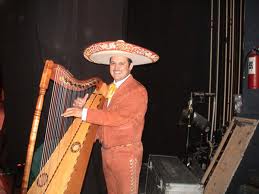
Harp was originally the principle instrument accompanying the violin
Many Types of Guitars Also Used
Guitarrón – a big fat guitar
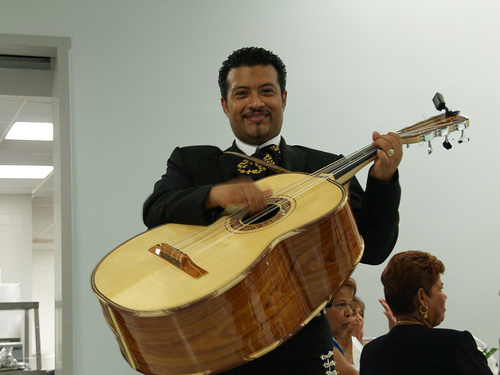
A large guitar with convex back – no frets
Plays the bass part
Viheula – a little fat guitar
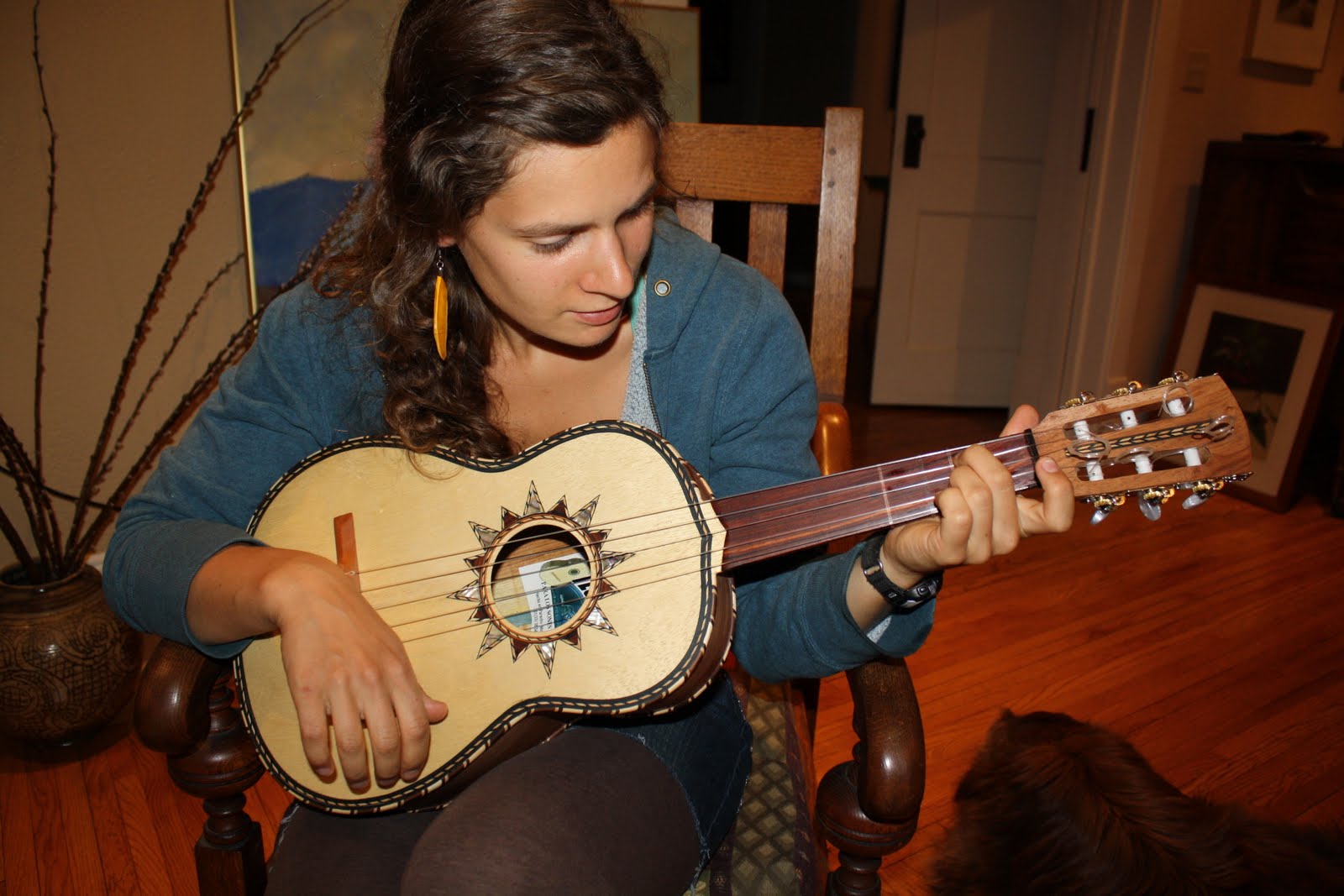
A small guitar with a convex back
Plays harmonies and rhythm
Modern classical guitar added in 1900s
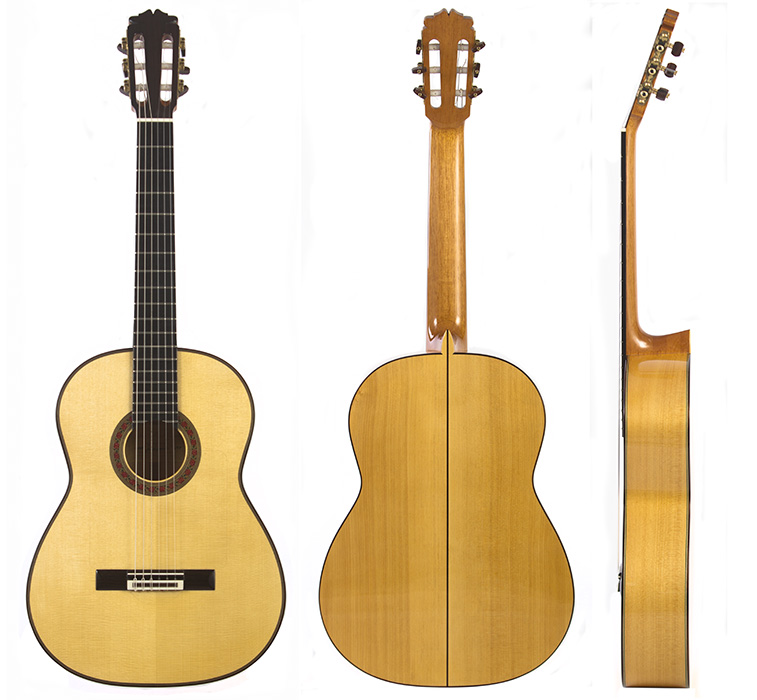
The various guitars are constant rhythmic and harmonic accompaniment
Seldom use percussion instruments
Guitars add percussive sounds with handclapping and foot-stopping of dancers
Trumpets
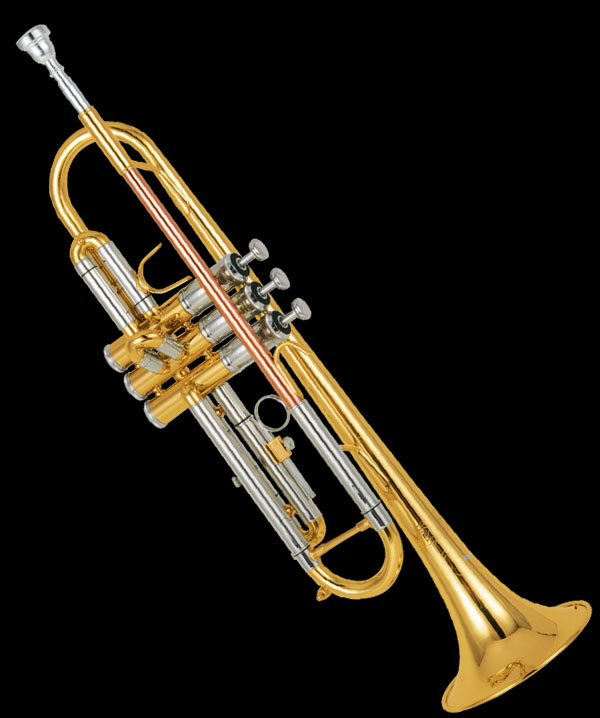
Cornets and trumpets added in 1920s with trumpets preferred by 1930s,
By 1940s had become institutionalized as part of mariachi music
When trumpets added the different guitars replaced the harps – they could play louder
More violins used when trumpet added
Melody and Vocals
Often use clear memorable melodic lines – carried by violin or trumpet
Melodic passages exchanged between violins and trumpets
Frequent changes in instrumentation are frequent
Violins and trumpets fade during vocal sections (all instrumentalists may sing the vocal sections)
Vocalist use full, operatic voices, with shouts of other band members
Song texts – usually in Spanish and are about love, work, etc.
Strophic style – the music repeats with each new verse of the words
Meters/Tempos/Dynamics
Meters – clear cut duple or triple – often shift with changes in tempo
Shifts in tempo with shifts in instrumentation are common
Correspond to changes in movements of dancers – like in flamenco
Dynamic changes – trumpet sections louder than violin sections
Major harmony prevails
Context and Image
Performances – originally in festive events and in restaurants and taverns
Musicians serenaded patrons with expectation to be paid for each song
Band members used to wear ranch and peasant attire
Ornamented charro outfits – attire of wealthy hacienda owners
1950’s – mariachi featured in many Hollywood films set in Mexico
Elaborate charro suits and sombreros used in these films became standard dress for Mariachi musicians
This “Hollywood” image is now associated with mariachi and Mexican national identity
Popularity of mariachi faded with rock and roll
Linda Ronstadt – a popular pop singer of the 70s and 80s helped revive mariachi with her album Canciones
Ranchera songs – a style of “country” mariachi emphasizing vocal performance
Voice and Melody
• Melody exchanged between violins,
trumpets, and voice
• Singers use full, operatic voices, with shouts
of other band members
• Violins and trumpets fade during vocal
sections
• Song texts – usually in Spanish and are about
love, work, etc.
Context and Image
Where did those suits come from?
• Originally in festive events and in restaurants and
taverns
• Musicians serenaded patrons with expectation to be
paid for each song
• 1950’s – mariachi featured in many Hollywood films
set in Mexico
• Elaborate charro suits and sombreros used in these
films became standard dress for Mariachi musicians
• Popularity faded with rock and roll
• Linda Ronstadt – helped revive mariachi with album
Cancione