Ch. 2 - Etiology
psychopathology = multidimensional model
→ consists of developmental, behavioral, social/cultural, emotional & biological factors
Biological
genetics (genes influence psychopathology as some disorders have high/low heritability)
polygenic skills due to genes x environment
identification of genetic + environmental factors:
diathesis-stress model

gene-environment correlation OR reciprocal gene-environment model

neuroscience (CNS, PNS → somatic + ANS* → sym + parasym)
brain structures (brain stem, hindbrain, midbrain, limbic system, thala + hypothala, forebrain, cerebral cortex)
neuron anatomy
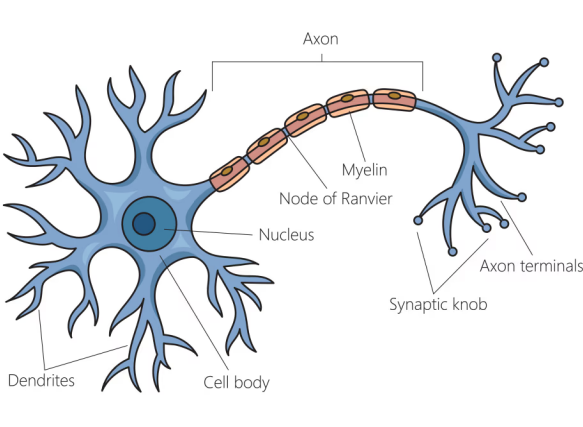
neurotransmitters - chemical messengers that allow nerve cells to communicate in the synapse (space between neurons)
agonist - molecule that mimic/increase neurotransmitter effects (e.g. albuterol - asthma inhaler)
antagonist - molecule that inhibit/block neurotransmitter effects (e.g. beta blockers - heart medication)
reuptake inhibitor - blocks neurotransmitter from returning to axon → pooling in synaptic cleft
antagonist + reuptake inhibitor - blocks neurotransmitter from dendrite & axon
*endocrine works w/ this; HPA axis (hypo, pituitary, adrenal glands) show up often in disorders
Behavioral
two categories: respondent (controlled by antecedent stimuli - reflex, involuntary) & operant (controlled + selected by consequences after behavior - voluntary, learned)
2 process theory: anxiety increase via repetitive thoughts/impulses/images, anxiety “decrease” via repetitive actions in response to obsessions (e.g. obsessed with cleanliness → compulsively wash hands)

observational/social learning - behavior of a model witnessed by observer → observer behavior changes (can be involved in both classical & operant conditioning)
noncontingent punishment: bad event that occurs to someone even if they didn’t influence their exposure to it
→ can lead to learned helplessness (depression)
suppression of behavior and emotional engagement
Emotional
emotions = psychological states (includes subjective/physiological/behavioral elements)

emotional dysregulation + behavior = can have symptoms of
panic disorder
mania
bipolar disorder
depression
ASD & ADHD
Developmental
no disorder is static/stays the same over time !!
important to consider all experiences/influences (e.g. early parenting styles, prenatal experiences, life stressors, trauma)
gender roles
exists in rates of mood disorders (e.g. two thirds w/ major depression are women)
not the norm for men to show/admit emotions (and are likely to self-medicate more)
Social/Cultural
cultural influences
disorders from western countries vs developing countries
culture specific disorders
social relationships (more connections = less symptoms)
city vs country life
living in city = likelier to develop schizophrenia
poverty/oppression/integration (greater in indigenous/immigrant populations)
stigma (loss of social/financial assistance → less likely to get help)
the principle of equifinality: same end result can be reached from different paths & starting points