Drug-drug interactions and therapeutic drug monitoring
Lecture Summary: Drug interactions are common, but few are of clinical importance. However, drug interactions form about 7% of all adverse drug reactions. About 4% of all deaths are due to adverse drug reactions and a third are due to drug interactions. Polypharmacy and multiple drug prescribing are the most common source of interactions. The drugs most likely to cause interactions are those with a steep dose-response curve, a narrow therapeutic index, high protein binding, hepatic enzyme inducers or inhibitors and those which alter renal clearance. The mechanisms by which drug interactions occur may be pharmaceutical interactions (mixing two drugs in the same solution) or pharmacokinetic interactions, which occur when the absorption, distribution or elimination of a drug is altered by another drug. Pharmacodynamic interactions are where one drug alters the effect of another drug at its site of action. This type of interaction may be direct or indirect. Because there is a distinct chance of harming patients with certain drugs, Therapeutic Drug Monitoring (TDM) is used as a means of monitoring plasma drug levels of drugs which are toxic and have a narrow therapeutic index. TDM will be discussed, with examples.
Learning Outcomes: • Discuss the medical importance of drug-drug interactions in terms of morbidity and mortality.
• Discuss factors predisposing a patient to drug interactions and illustrate this with medically relevant examples.
• Discuss the definition and classification of drug - drug interactions.
• Discuss the importance of therapeutic drug monitoring.
symphastatin doesn’t have lots of the qualities of the other statins
some statins there’s an increase in having a stroke
HMG
reduced or increased effect of a drug could give an adverse reaction
Warfarin is very highly protein bound, free drug exerts its effect
reduced protein binding, increased risk of bleeding
augmentin-penicillin combined with co-amoxiclav
ADME is a protective mechanism of the body against foreign compounds
drug-drug interactions one of the major causes of adverse drug reactions
clinically very significant
warfarin should therapeutically monitor
the narrower the therapeutic index, the more likely you will have an adverse drug reaction
safety likely to be compromised due to task sharing
one drug can alter ADME of another, could be more than one factor
drug-drug interactions be can be drug-food, drug-recreational drugs
Cmax important for determining absorption
atrial fibrulation is a risk factor for blood formation-those with atrial fibrulation most likely placed on warfarin
patients on warfarin ay have cardiovascular problems, may be on several drugs e.g. cholestyramine
effect of cholestyramine on warfarin isn’t fully clear
vitamin K increase the coagulation effect
gut motility, big impact on drug absorption, delaying gastric emptying, drugs would be absorbed in stomach but not as effective as if they were in small intestine
anything you do that will affect how a drug is taken up will affect its ADME and therefore its pharmacodynamics
Distribution
highly protein bound: warfarin, ibuprofen, furosemide, nifedipine, clofibrate
kidney or liver problem, should think about increased drug-drug interactions
Metabolism
something that isn’t absorbable
inhibitors and inducers
lots of drugs inhibits and reduce
inhibition: tobacco smoke increases risk of adverse drug reactions
Elimination and excretion
tubular secretion involved in clearing some drugs
induction: got more CYP450 relating metabolism
Therapeutic drug monitoring
anything that increases area under the curve is going to increase area to the drug
adjust the dose as necessary
identifying patients that have a narrow therapeutic range
ADME is an EDI issue
non white more likely to have co morbidities
if you have dark skin it overreads your sats
design is critical, to be inclusive and support everyone
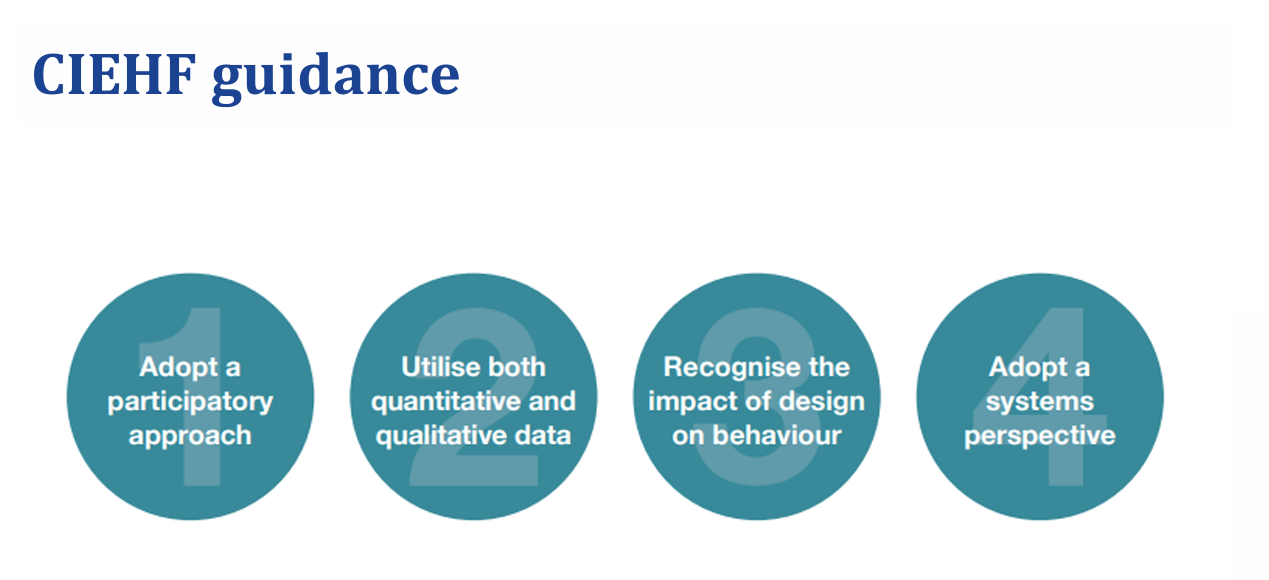
looking at design and context to which it’s used
don’t just collect general data