Unit 2: Cell Structure and Function
Image source: Internet. None of the images are owned by me.
1. Describe the basic structure and fundamental parts of cells.
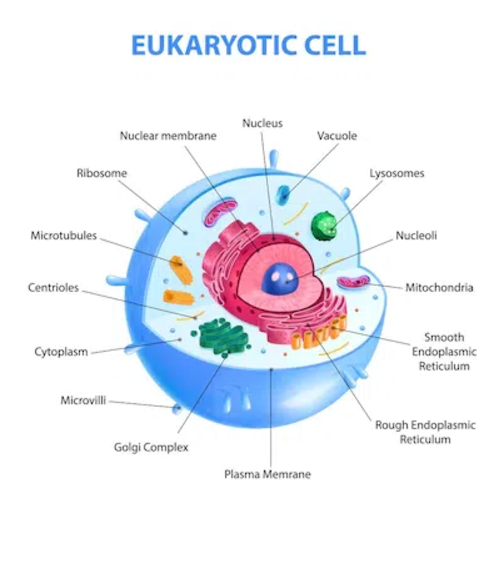
Cells are the basic units of life, and they consist of several key components:
Cell Membrane: A protective barrier that regulates the movement of substances in and out of the cell.
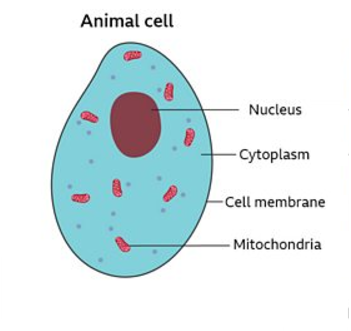
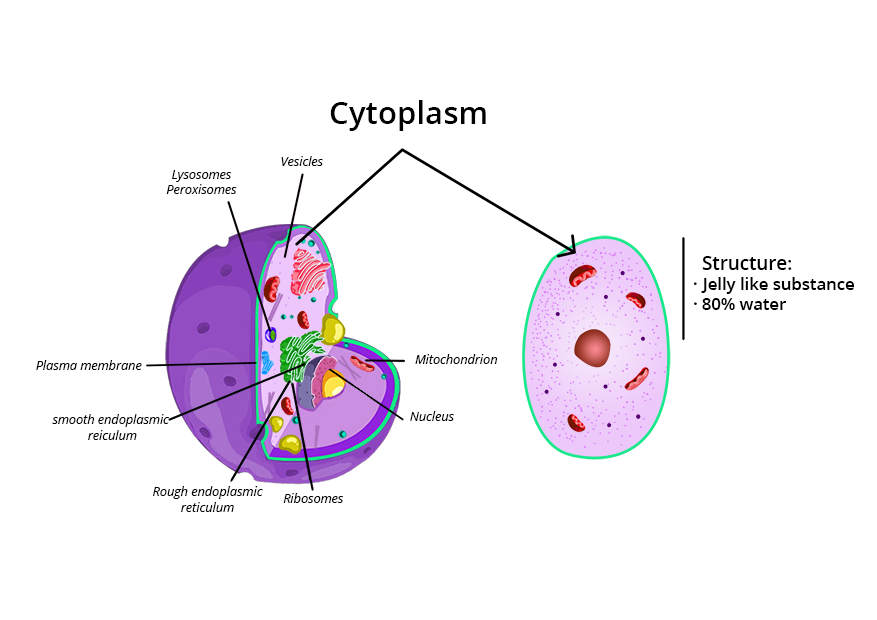
Cytoplasm: The jelly-like substance within the cell membrane that contains organelles and is the site of many metabolic processes*. It provides structural support to the cell and facilitates the movement of materials within the cell.
Metabolic processes: the set of life-sustaining chemical reactions that occur within cells, allowing them to convert food into energy, synthesize necessary compounds, and eliminate waste.
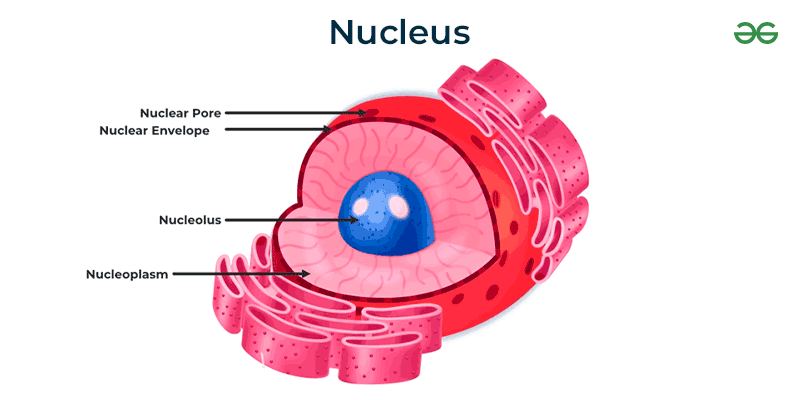
Nucleus: The control centre of the cell that houses DNA and is responsible for regulating gene expression and cell division.
Ribosomes: The sites of protein synthesis, found either floating freely in the cytoplasm or attached to the Endoplasmic reticulum. For example, Enzymes*.
Enzymes are proteins that act as biological catalysts, speeding up chemical reactions in the cell without being consumed in the process.
2. Compare and contrast prokaryotic and eukaryotic cells
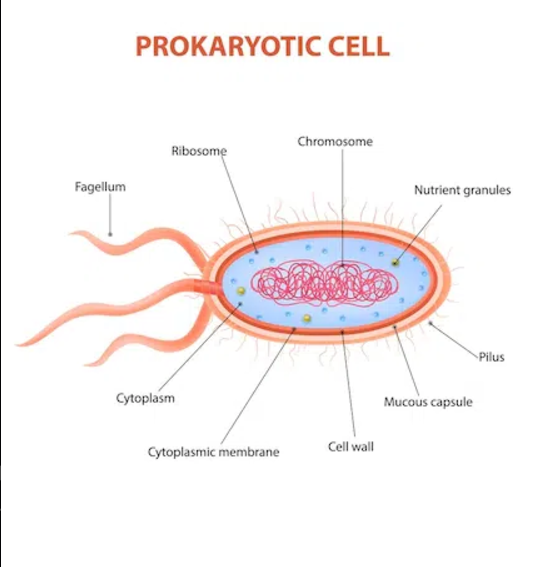
Prokaryotic Cells
Organelles: Lack membrane-bound organelles, though they may have simpler structures like ribosomes.
Nucleus: Lack of a true nucleus. Genetic material is present in the nucleoid, not enclosed by a membrane.
Size: The cell size is smaller (0.1–5 μm).
DNA: Single, circular chromosome (DNA). May also contain plasmids.
Lysosomes and Peroxisomes are absent.
Mitochondria is absent.
Reproduction: Reproduce primarily through binary fission, a form of asexual reproduction.
Examples: Archaea, Bacteria
Eukaryotic Cells
Organelles: Contain membrane-bound organelles such as mitochondria, endoplasmic reticulum, Golgi apparatus, lysosomes, and more.
Nucleus: They have a true nucleus enclosed by a nuclear membrane, containing genetic material (DNA).
Size: In comparison, the cell size is bigger (10-100 μm).
DNA: Multiple linear chromosomes (DNA) found in the nucleus.
Lysosomes and Peroxisomes are present.
Mitochondria is present.
Reproduction: Reproduce through mitosis (asexual) and meiosis (sexual) processes.
Examples: Plant, Fungi, Animal Cell
3. Why Cells are so small? Use the relationship between surface area and volume to explain.
The cell membrane needs to have enough surface area for the diffusion of substances in and out of the cell.
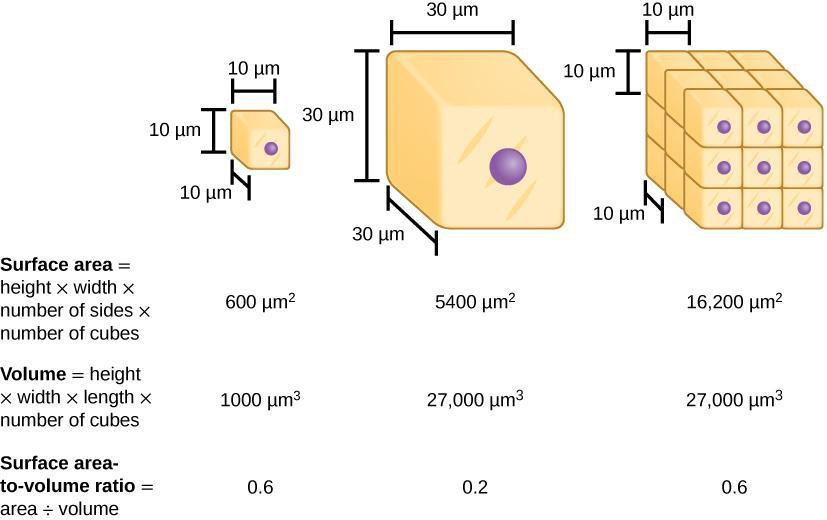
Small cells → More surface area relative to volume.
Large cells → Less surface area to volume.
Advantages of the small size of cells
High surface area to volume ratio: This allows cells to take in nutrients and oxygen, and release waste and carbon dioxide more quickly.
Easy repair: Small cells are easier to replicate and replace when damaged.
Fast communication: Communication from the nucleus to other organelles is faster in small cells.
Ideal diffusion conditions: Cells can be regulated while the conditions for diffusion are still ideal.
Why do organisms need increased surface area in certain tissues?
A few examples of increased surface area of tissues are as follows:
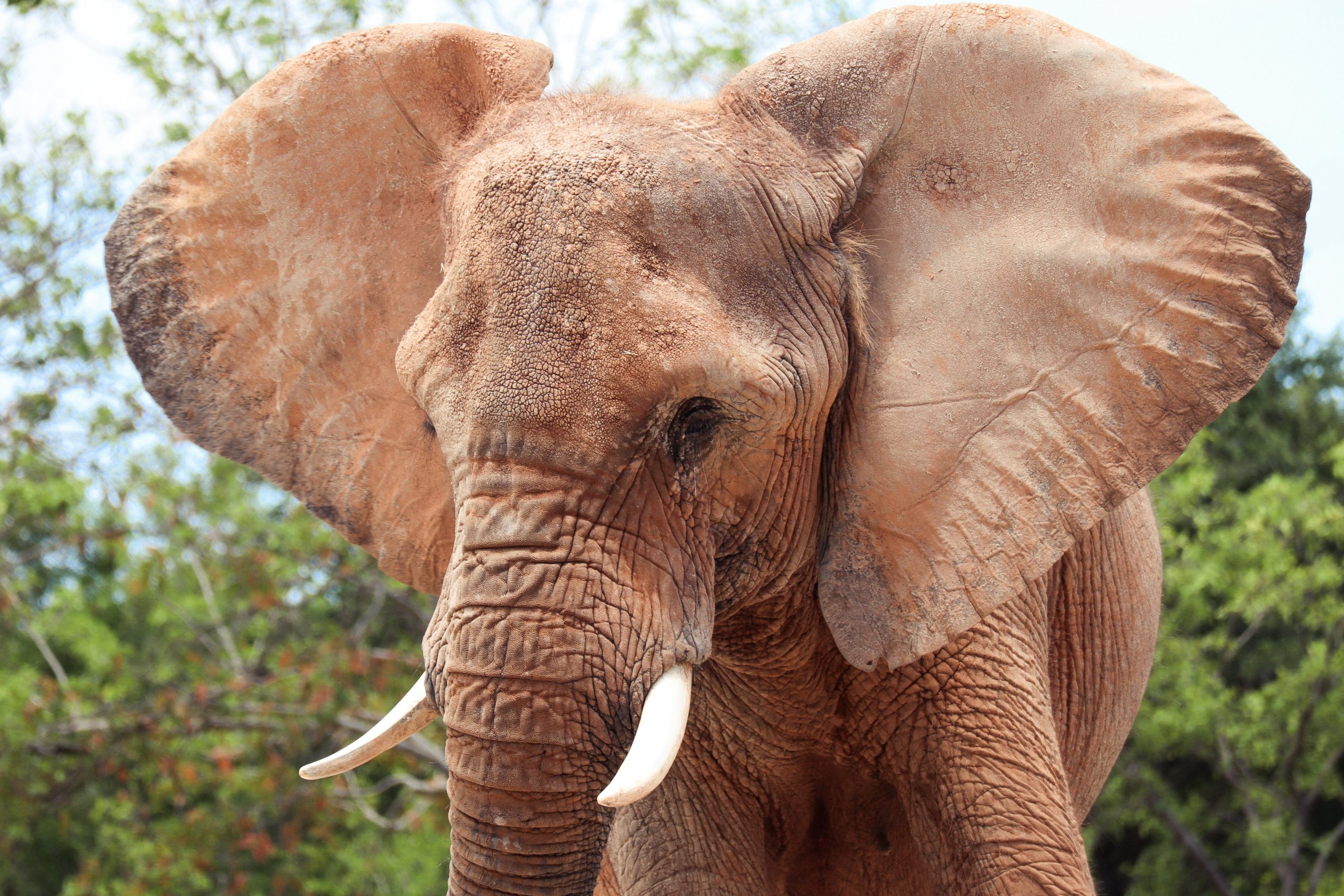
The increased surface area of the ears of elephants allows the diffusion of heat more easily. Moreover, they can flap their ears to create a breeze that helps to cool their blood supply & the rest of their body temperature.
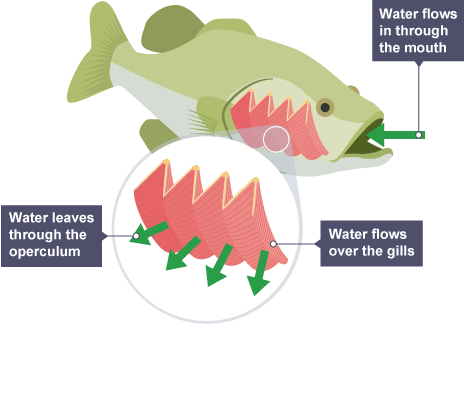
The increased surface area of the gill lamellae allows fish to maximize the amount of oxygen they can take in and the amount of carbon dioxide they can expel.
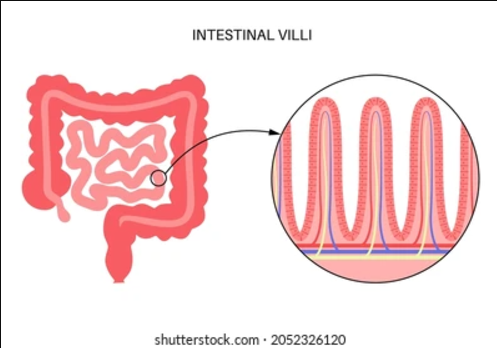
Villi are finger-like structures in the small intestine that are shaped this way to increase the surface area for absorbing nutrients from food.
They provide a 60–100 times greater absorptive surface area than a flat surface of the same size. This allows the small intestine to absorb nutrients like water, carbohydrates, fats, minerals, vitamins, and amino acids.