IB Biology HL Y1 Quarter 3
Blue highlight = example / Green highlight = important info i think probably
Standards - A2.2, B2.2, A2.1, B2.3, A1.1, B1.1, B1.2
A2.2 Cell Structure
Cell theory - Cells are the smallest unit of life, all cells come from preexisting cells, all living things are made from cells
All cells have DNA as genetic material (in nucleus or in the open), cytoplasm (water of the cell), phospholipid bilayer (plasma membrane)
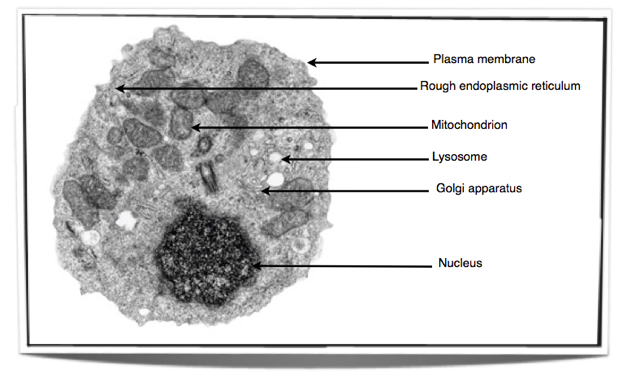
Prokaryotic cell - bacteria or archaea, single celled
Must have:
Naked DNA in a loop
70s ribosomes
Peptidoglycan (cell wall)
Cytoplasm
Plasma membrane
Can have:
Pili (attachment to other bacteria for HGT)
Flagella (movement)
Plasmid (transferred in HGT)
No membrane bound organelles
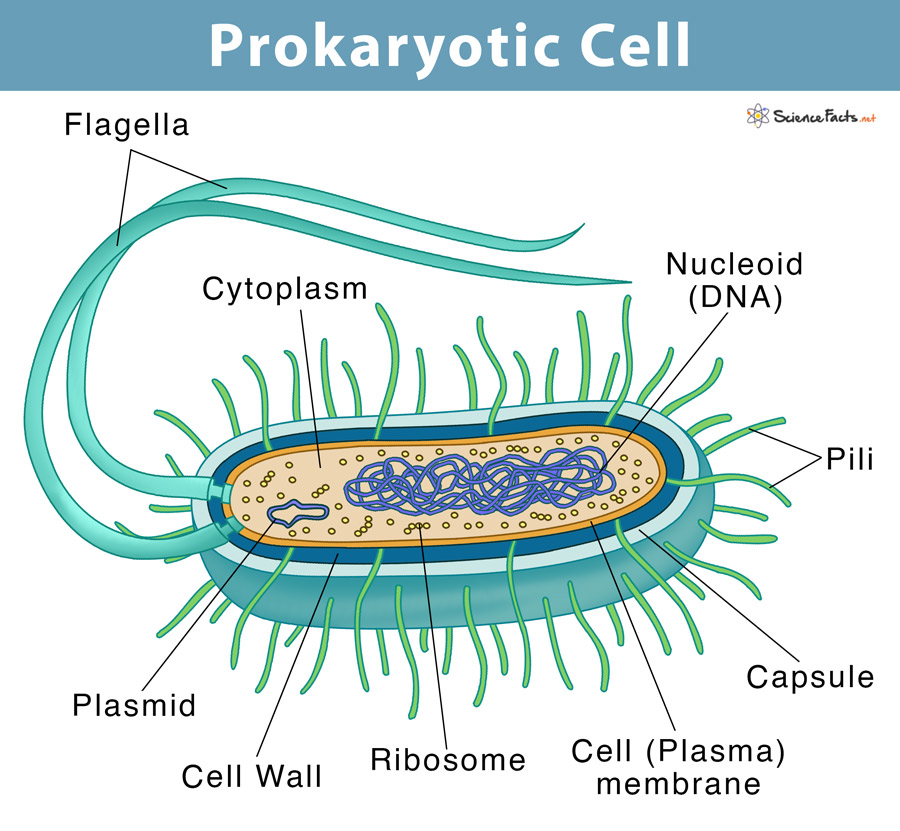
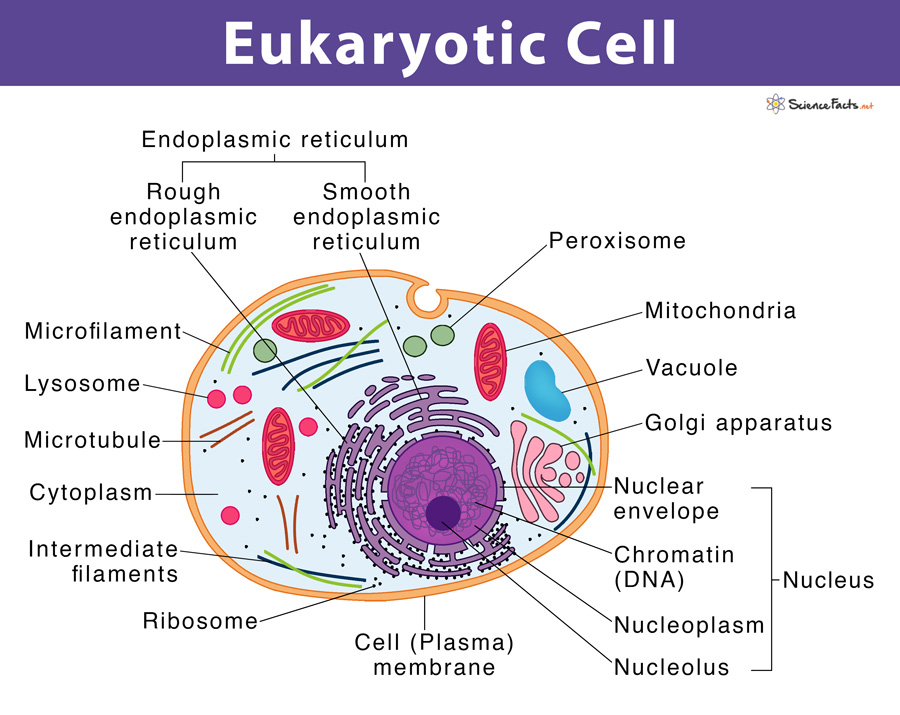
Eukaryotic cell - protists, fungi, animals, plants; single or multi celled
Plasma membrane
Compartmentalized cytoplasm (membrane bound organelles)
80s ribosomes
Nucleus with DNA bound to histones
Mitochondria
Endoplasmic reticulum
Golgi apparatus
Vesicles (vacuoles or lysosomes)
Cytoskeleton of microtubules and microfilaments
Animal vs Plant vs Fungi Cells
Animal | Plant | Fungi |
No cell wall | Cellulose cell wall | Chitin cell wall |
No chloroplasts or plastids | Chloroplast and other plastids | No chloroplasts or plastids |
Centrioles | No centrioles | No centrioles |
Small, temporary vacuoles | Large, permanent vacuoles | Large, permanent vacuoles |
Can have cilia or flagella | No cilia or flagella | No cilia or flagella |
Lysosome | No lysosome | No lysosome |

Atypical Cell Structure
Aseptate fungal hyphae | Missing cell partitions |
Striated muscle | Has no partitions and therefore multiple nuclei |
Phloem sieve tube elements | Connected together into a tube, has companion cell to do most functions, no nucleus, very few organelles |
Red blood cell | No nucleus - basically just hemoglobin |
Functions of Life
Homeostasis - maintaining internal conditions
Metabolism - all enzyme catalyzed reactions
Nutrition - obtain energy
Movement - move or move things
Excretion - get rid of waste
Growth - grow
Response to stimuli
Reproduction - sexual or asexual
Types of Microscopes
Type of Microscope | Info | Pros | Cons |
Light microscope | Resolution 400-700 nm, has color | Color, bigger things | Low resolution |
Fluorescent stains light | Dyes that react with certain substances | Identify certain molecules | Not as targeted, not alive |
Immunofluorescence | Targeted dyes that react to certain substances and fluoress | Alive, track movement | Low resolution |
Electron microscope | Gray scale, 1 nm resolution, sections | High resolution | No color, damages specimen |
Freeze fracture | Freeze and break sample to see different levels | Can see different planes | Cannot be alive, no color |
Cryo-electron microscopy | Radiation sensitive specimens while frozen | Use radiation, atomic level | Expensive |
Endosymbiotic Theory - A primitive eukaryote (ancestor of all eukaryotes w/ nucleus + reproduced sexually) engulfed a free living prokaryote that later became the mitochondria, happened twice for the chloroplast
Evidence for mitochondria:
70s ribosomes
Has naked circular DNA
Replicates on its own
Has a double membrane
Size of prokaryote
Cell Differentiation - Different cells can become different cell types through gene expression (all cells have the same DNA), which is triggered by environmental changes
Multicellularity - caused by convergent evolution, happened multiple times in different lineages
Allows for larger body size and cell specialization
Found in many fungi and eukaryotic algae as well as all plants and animals
B2.2 Organelles and compartmentalization
Organelles - discrete subunits of the cell that are adapted to perform specific functions
Nuclei, vesicles, ribosomes, plasma membrane
Cell wall, cytoskeleton, cytoplasm are NOT organelles
Freeze fracturing allowed identification of organelles
Advantages of compartmentalization - allows for concentration of metabolites (substrates) and enzymes in one area, keeps chemical processes separate
Lysosomes and phagocytic vacuoles digest things but only what you want since they are in a vesicle
Advantages of nucleus - separates transcription and translation processes, protects DNA, allows modification of RNA (only in eukaryotes)
Advantages of the double membrane of the nucleus - has pores, allows for vesicle formation, connection to endoplasmic reticulum, the nuclear envelope separates DNA from cytoplasm, can speed up mitosis
ER vs free ribosomes
Ribosomes can be free floating or attached to rough endoplasmic reticulum
Free floating create proteins for the cell (cytoplasm)
Rough ER proteins can be sent to other organelles, embedded in the membrane, or transported to golgi apparatus for exocytosis
Golgi Apparatus - processing and secretion of proteins
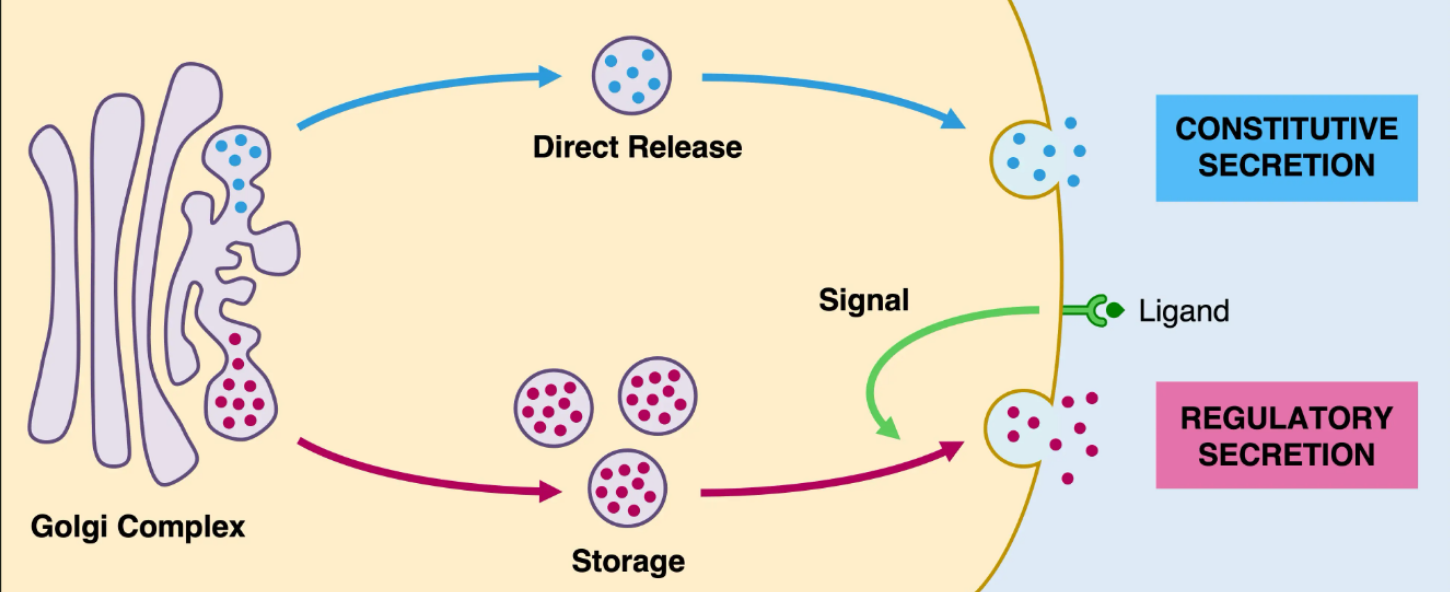
Vesicles - help remove big molecules from cell by fusing with membrane
Clathrin - protein that causes formation of vesicles
A2.1 Origin of Life
Conditions on early Earth
no free oxygen, no ozone, no protection from UV, increase in energy
higher carbon dioxide and methane = higher temperatures
may have allowed for carbon compounds to form (carbon is special, not formed by living organisms)
Challenges to explaining first cells
Requirements
Catalysis - inorganic molecules to organic molecules
Self-assembly - organic molecules to larger organic molecules
Self-replication - ability to duplicate molecules
Compartmentalization - membranes
Challenges
cannot replicate early earth conditions
no fossils of early life
Evidence for the origin of carbon compounds
Miller-Urey Experiment (1952) - tried to recreate early earth conditions and got some organic matter
Membranes
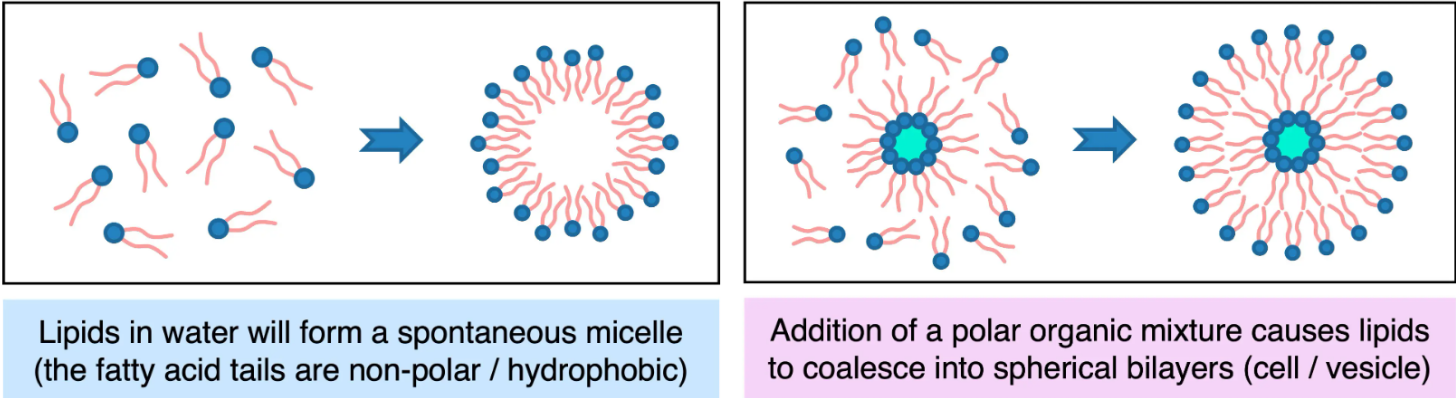
Once lipids are formed they will naturally start to form vesicles (membrane bound packages)
Allows for separation of internal and external environments to form concentration gradients
RNA and DNA
RNA most likely formed first as it can self replicate (unlike DNA) and act as a catalyst (called a ribozyme)
DNA would eventually become more common because it is more chemically stable
Proteins eventually became catalysts
Last Universal Common Ancestor (LUCA)
Split into all life we see now (shared genes across all organisms)
Probably other organisms around the time but must have went extinct
Arose between 2 to 4 billion years ago
Biosignature evidence - chemicals produced by cells appear 3.7 billion years ago in the sediment
Phylogenetic evidence - molecular clock across all domains, 355 genes present in all organisms
Arose in hydrothermal vents
Genomic evidence - conserved genes are used in areas with hydrothermal vents
Fossilized evidence - bacteria byproducts found in ancient seafloor vent sediments
B2.3 Cell Specialization
Origin of Stem Cells
Zygote - formed as a result of fertilization, start to make specialized cells
Gametes to zygote to blastocyst to embryo to fetus to infant
Cell signaling - process by which info is transferred from cell surface to nucleus, essential in controlling gene expression and differentiation
Morphogens - signal molecules that control cell differentiation, occur in gradients (areas of concentration differences) in different regions of early embryo (different gradient = different gene expressed)
Stem cells - cells that retain their ability to divide and differentiate endlessly into various cell types, results in all the cell types organisms possess
Self-renewal - when stem cells divide to form a specific tissue, they also produce daughter cells that remain as stem cells
They can recreate functional tissues
Stem cell niches - certain locations where stem cells are present in high numbers due to regular proliferation (rapid reproduction), demonstrate differentiation
Bone marrow - production of blood cells to be transferred by blood vessels, renewal of stem cells
Hair follicles - most stem cells found in the bottom, rounded area of follicle, involved with hair growth, skin and hair follicle regeneration, production of sebaceous (oil producing) glands
More examples - central nervous system, intestinal system, muscle fiber bundles
Types of Stem Cells
Totipotent - ability to produce any tissue in organism, very low numbers of cells are this, only exist in very early stages of embryo development, may form a complete organism
Pluripotent - arise from totipotent cells, only in early stages, mature into almost all different cell types, cannot produce complete organism (no placenta)
Multipotent - only forms a limited number of cells, later in development and present during remainder of life (ex: skin cells)
Unipotent - only forms a single cell type (ex: sperm cells), form in late stages, exist in functioning organism
Treatments - bone marrow transplant, skin grafts for burn victims, blood stem cell repair, retinal/corneal repair (AMD, Stargardt’s), cancer regeneration after chemotherapy, boosting immune system (WBCs), repair tissue for type 1 diabetes, autoimmune disorders
Ethical Issues
Blastocysts are destroyed during the process
Issue of getting stem cells from a petri dish
IVF is the main method, make a bunch of embryos but only use three while others are disposed + donated for research
Accessibility due to money reasons
Surface area to volume ratio - exchange of materials across the surface relies on surface area while the volume describes how much is needed
need a high surface area to volume ratio to effectively gain nutrients and remove waste
Adaptations for Higher Ratio
Flat shape - increase surface area
Villi - in small intestine and kidney cells (projections) microvilli on cell surface
Invagination - fold over to create pockets
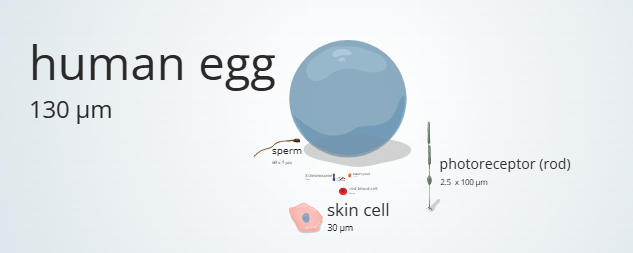
Sizes of Cells
Blood cells - small because they squeeze through capillaries
Sperm - small with tail for journey
Neurons - small width, long length
Striated muscles - fused cells
Egg - huge with lots of nutrients
Pneumocytes
Type I - alveolar cell - flattened for increased surface area for transmission
Type II - lots of vesicles for secretion of surfactant to maintain membrane fluid
Striated Skeletal Muscle Fibres
Comprised of long, cylindrical fibres formed from the fusion of individual cells that are packed together in unbranching strands (~2-3 cm) which collectively form a muscle bundle
Have a single, continuous plasma membrane (sarcolemma) and are multinucleate (multiple nuclei)
Debated whether they are actually cells due to how it’s formed by fusion, its large size, and its process of cell death (apoptosis)
Cardiac Muscle Cells
Found in the heart
Are short (~0.1 mm), narrow and fairly rectangular
Not fused together - mononucleated
Individual cells are connected by gap junctions at intercalated discs
Are branched - faster signal propagation and contraction in three dimensions
More mitochondria than striated muscle fibres - more reliant on aerobic respiration
A1.1 Water
Water - medium of life, first cells originated in water, most organisms are mostly water, processes of life occur in water
Is a polar molecule (uneven charge distribution/sharing of electrons), causes hydrogen bonds (intermolecular force)
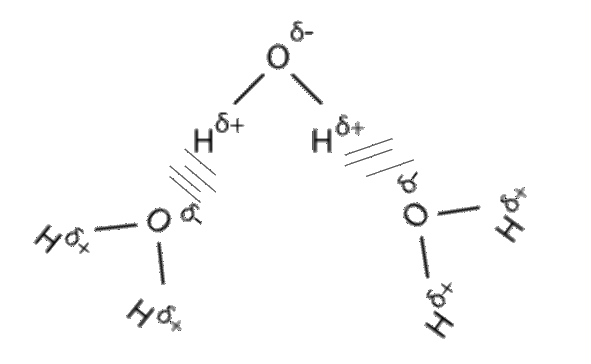
Cohesion - water molecules stick to other water molecules
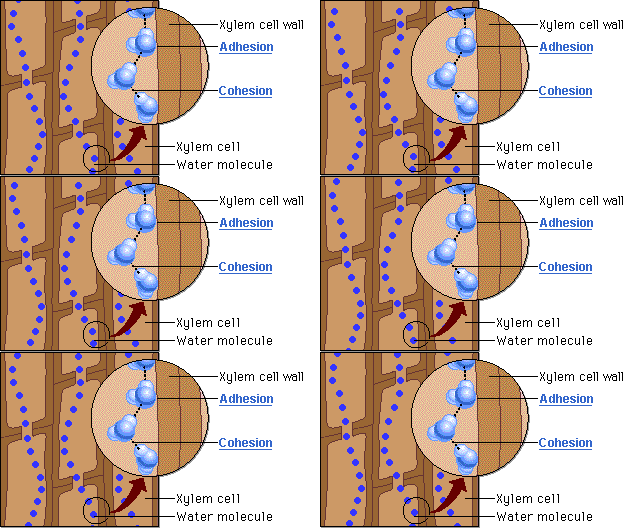
useful for transport of water in plants - creates a pull
surface tension allows for organisms to walk on water
Adhesion - water sticks to other polar or charged molecules
causes capillary action in soil and in plant cell walls
Solvent properties of water
Hydrophilic (polar) molecules dissolve in water
Allows for reactions to occur in cells (cells are made of water)
Allows molecules to be transferred around the body through blood
Physical Properties
Buoyancy - upward force of a fluid, high buoyant force
Viscosity - resistance to flow (thickness), somewhat viscous
Thermal conductivity - ability of material to transfer heat, relatively low conductivity
Specific heat capacity - amount of energy it takes to change the temperature of the material, incredibly high heat capacity
Water | Air | |
Buoyant force | Higher | Lower |
Viscosity | Higher | Lower |
Thermal conductivity | Higher | Lower |
Specific heat capacity | Higher | Lower |
Ringed Seal - lives in arctic marine environments, floats pretty easily, streamlined body to minimize drag, flippers to swim, thick blubber to stay warm, paddle-like feet
Black-throated Loon - lives near lakes and rivers, floats easily, webbed feet and streamlined body for swimming, feathers and waterproof coating to stay warm
Origin of water on earth - early earth was too hot for water, as it cooled asteroids left water, water held by gravity, temperature condensed to a liquid
Search for aliens - we look for it where we think there is water and if it is in the goldilocks zone

B1.1 Carbohydrates and Lipids
Carbon
All organic compounds have carbon at their core - backbone of life
Carbon can form four bonds to different atoms by sharing electrons (covalent bond)
Can also form double bonds with different atoms
Monosaccharides
Pentose/hextose rings
High solubility, transportability, energy source, and is chemically stable
Examples: glucose (alpha/beta), galactose, fructose, ribose
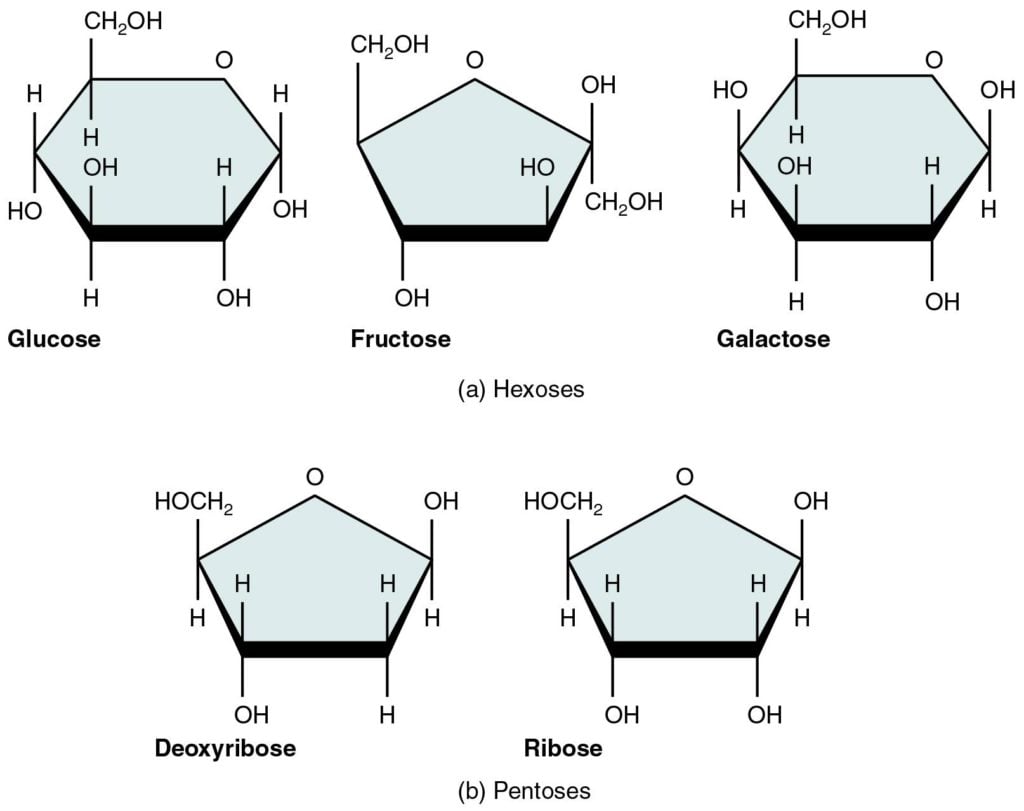
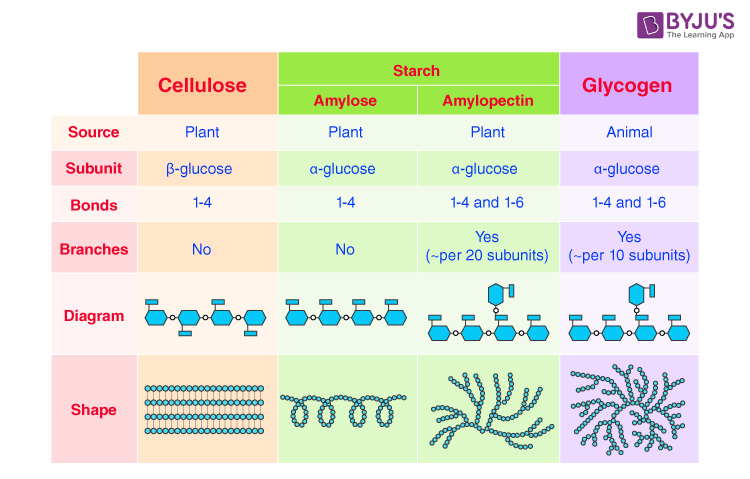
Polysaccharides
Made of alpha-glucose monomers
Energy storage
Compact and efficient due to coiling nature
Easy access by removing a glucose
Is insoluble due to its large size
Plants: Starch (amylose and amylopectin), Animals: Glycogen
Cellulose in plants as well
Made of beta-glucose monomers
Stacks in straight chains that then cross link with hydrogen bonds - rigid and strong
Forms plant cell walls
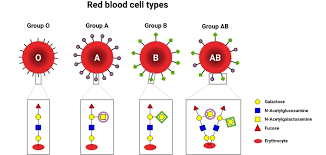
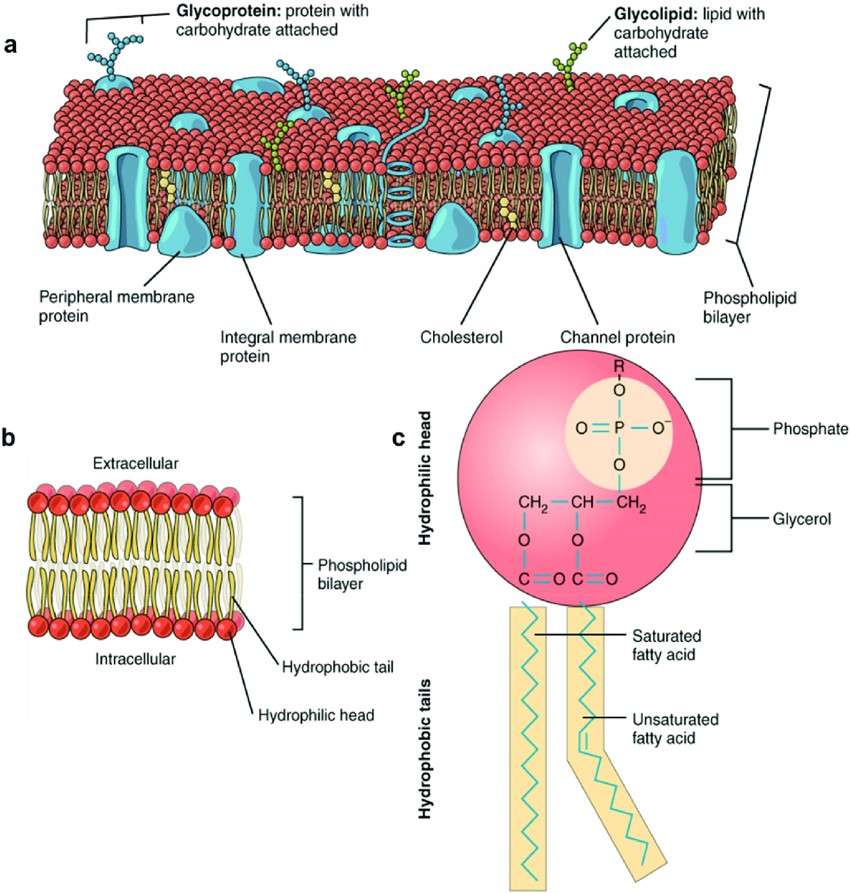
Glycoprotein - found in cell membranes and stick out into the extracellular space for cell to cell recognition (blood types)

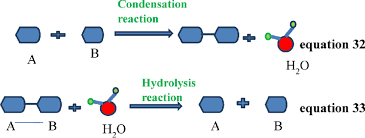
Condensation Reactions - monomers to polymers (create macromolecules)
Releases a water molecule in the process
Forms polysaccharides, lipids, polypeptides and nucleic acids
Hydrolysis Reactions - polymers to monomers by digestion
Water is split and incorporated into molecules to make monomers
Lipids
They are nonpolar (hydrophobic), mostly insoluble in water, and soluble in nonpolar solvents
Includes fats and oils (triglycerides), waxes (single chain), and steroids (rings)
Fatty Acids
Must be in liquid state, organisms want most tightly packed fatty acids
Saturated fatty acid - 32 degrees C melting point
No double bonds, full of hydrogens, straight chain
From animals, unhealthy, solid at room temperature, high melting point
Found in endotherms
Unsaturated fatty acid - -5 degrees C melting point (cis)
Has double bonds, kinked/bent chains
Mono = one double bond (between carbon), Poly = multiple double bonds (between carbon)
Cis = hydrogens on same side, Trans = hydrogens on opposite sides
Liquid at room temperature, low melting point, primarily in plants and also in fish (omega)
Found in ectotherms
Triglycerides
Formed by a condensation reaction between glycerol and three fatty acids
Used for long term energy storage
Twice as energy dense as carbohydrates
More difficult to digest and transport - nonpolar
Used for thermal insulation
Low thermal conductivity
Example: aquatic animals have lots of blubber

Phospolipid Bilayer
Formed by a condensation reaction between phosphate and two fatty acids
Is amphipathic - part hydrophilic part hydrophobic
Tails cluster together to avoid water
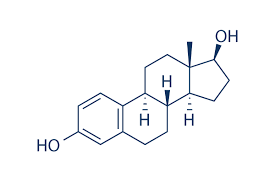
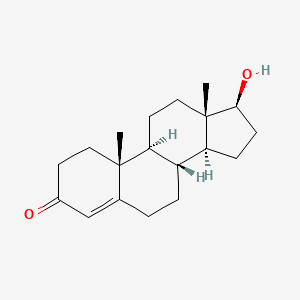
Steroids - oestradiol and testosterone - nonpolar
can travel through plasma membrane and affect cell
B1.2 Proteins
Amino acids - make up proteins
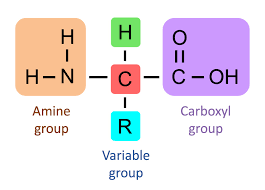
20 Amino Acids = infinite number of peptide chains (primary)
Humans can create proteins like insulin, collagen, keratin, rhodopsin
Dietary Requirements for Amino Acids
Non-essential amino acids can be made from any amino acid
Essential amino acids must be obtained from food
There are nine essential amino acids (don’t need to be named)
Vegans need to watch their diet to consume all, but can be done easily
Primary structure - sequence of amino acids and their position determines the eventual shape of the protein, formed via condensation reaction (forms dipeptide + water)
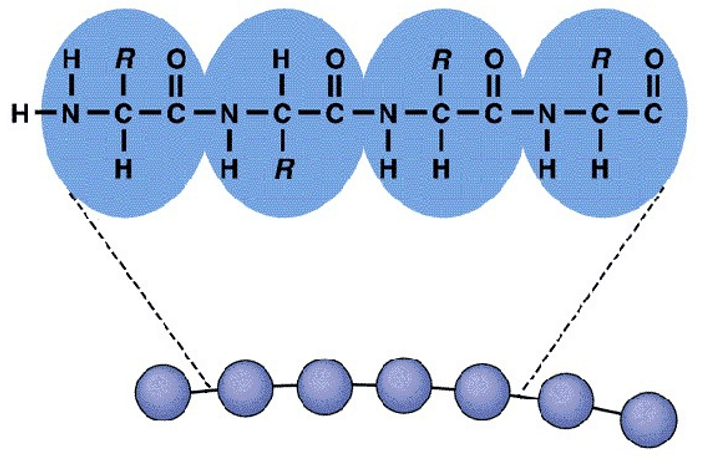

Secondary structure - hydrogen bonds between nonadjacent amino acids (carboxyl of one, amine of another), includes alpha helix and beta-pleated sheets, start of 3D structure

Tertiary structure - combines alpha helices and beta-pleated sheets into 3D shape, occurs due to hydrogen bonds, ionic bonds, disulfide covalent bonds, and hydrophobic interactions between different R groups

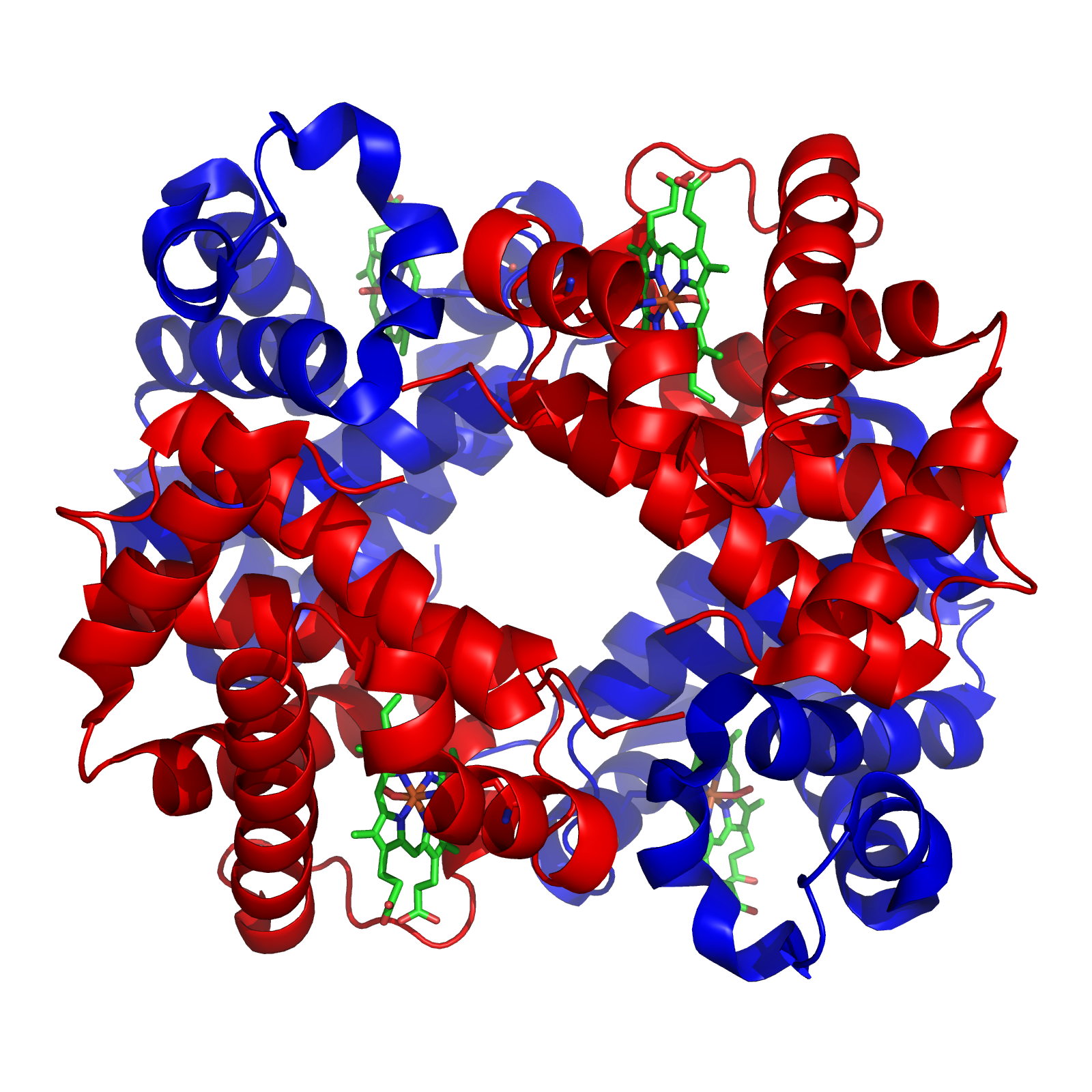
Quaternary structure - multiple polypeptide chains together (takes multiple genes to code for)
Non-conjugated - just multiple polypeptide chains
Examples: insulin and collagen
Conjugated - multiple polypeptide chains AND a prosthetic group (something extra like iron)
Examples: hemoglobin and catalase
Chemical Diversity of R Groups
Different r groups interact differently
Some are hydrophilic (can be acidic, basic, polar, charged) while others are hydrophobic
Affects the 3D structure of protein
Cysteine can form disulfide bridges between other cysteines to form tertiary structure
pH and Temperature on Proteins
Causes proteins to denature (change shape) —> lose their function
Each protein has an optimum pH and temperature that it works best at
Globular vs Fibrous Proteins
Globular - soluble, spherical, typically enzymes or hormones, insulin
Fibrous - insoluble, strands, structural, collagen
Polar vs Nonpolar Amino Acids
Polar can be on the outside
Nonpolar typically need to be on the inside of globular proteins
Exception is protein channels - part touching tail must be nonpolar