Chapter 3 At The Heart of Public Health: Prevention
Prevention - a core population health concept
concerned with creating the healthiest possible populations
prevention of disease
creating conditions suitable for keeping us all healthy for as a long as possible
tries to ensure that we do not get sick to begin with
Dramatic gains in life expectancy:
accelerating economic growth
recognition of infectious diseases
improved sanitation practices
Preventing Disease
actions that ward off or forestall the occurrence of disease in populations
a cornerstone of public health
investing in disease prevention is one of the most effective and commonsense methods to improve health
Prevention:
spares people from developing preventable illnesses
reduces healthcare costs
improves productivity
enhances quality of life
Prevention Basics: Types of prevention
primordial prevention - actions that affect the systems which determine the risk factors of disease
precedes primary, aims to completely prevent the expression of risk factor
far “upstream”
lowers disease incidence
the proportion of people developing new-onset disease
primary prevention - detection and management of risk factors for future disease
actions that keep people from becoming ill or injured in the first place
focuses on
immunizing the population against infectious diseases
ensuring safe water supplies and sanitation
improving the nutritional status of population
decreasing or eliminating hazardous exposures
diminishing health-compromising behaviors
examples - vaccination, seat-belt legislation, asbestos ban
secondary prevention - screening for asymptomatic early disease
aims to reduce the impact of a disease or injury in the earliest stages
focuses on
detecting and treating subclinical disease or injuries asap
reduce the number of people living with disease or disease prevalence
restore a person to full health when possible
examples - screening tests (mammograms), regular exams to detect medical conditions or diseases
common screening tests and detection targets
pap smear for cervical cancer
prostate specific antigen (PSA) measurement for prostate cancer
colonoscopy for colon cancer
cholesterol measurement for cardiovascular disease
key performances measures of screening tests
sensitivity - % of persons with disease who screen positive
specificity - % pf persons without disease who screen negative
false-positive fraction - % of persons without disease who screen positive
false-negative fraction - % of persons with disease who screen positive
rules of thumb from the WHO
should be done only for diseases with serious consequences
be reliable enough and not harmful in itself
must be an effective treatment for disease detection at an early state
unbiased information should be made public to help people decide to be screened or not
benefits outweigh the risks
tertiary prevention - improved management of patients with established disease
actions that reduce the impact of a diagnosed, ongoing injury or disease
aims to increase the individuals ability to function, quality of life, and life expectancy
approaches
rehabilitation
managing complex, long-term health issues such as chronic diseases and disabilities
examples
cardiac rehab programs for people who have had a heart attack
interventions to promote weight loss in individuals who develop type 2 diabetes
upstream
intervening to prevent the occurrence of risk factors (primordial)
adopting risk reducing behaviors (primary)
midstream
secondary prevention strategies that operate throughout the lifetime — detecting and intervening on identified risk factors and subclinical conditions
downstream
tertiary prevention when health has already been compromised
restore health, improve stamina, and well-being
averted or delayed severe diseases
Alternative Terminology
universal prevention - general population
selective prevention - subgroups with biological, psychological, and/or social risk factors
indicated prevention - those with detectable signs/symptoms of disease or subclinical diseases
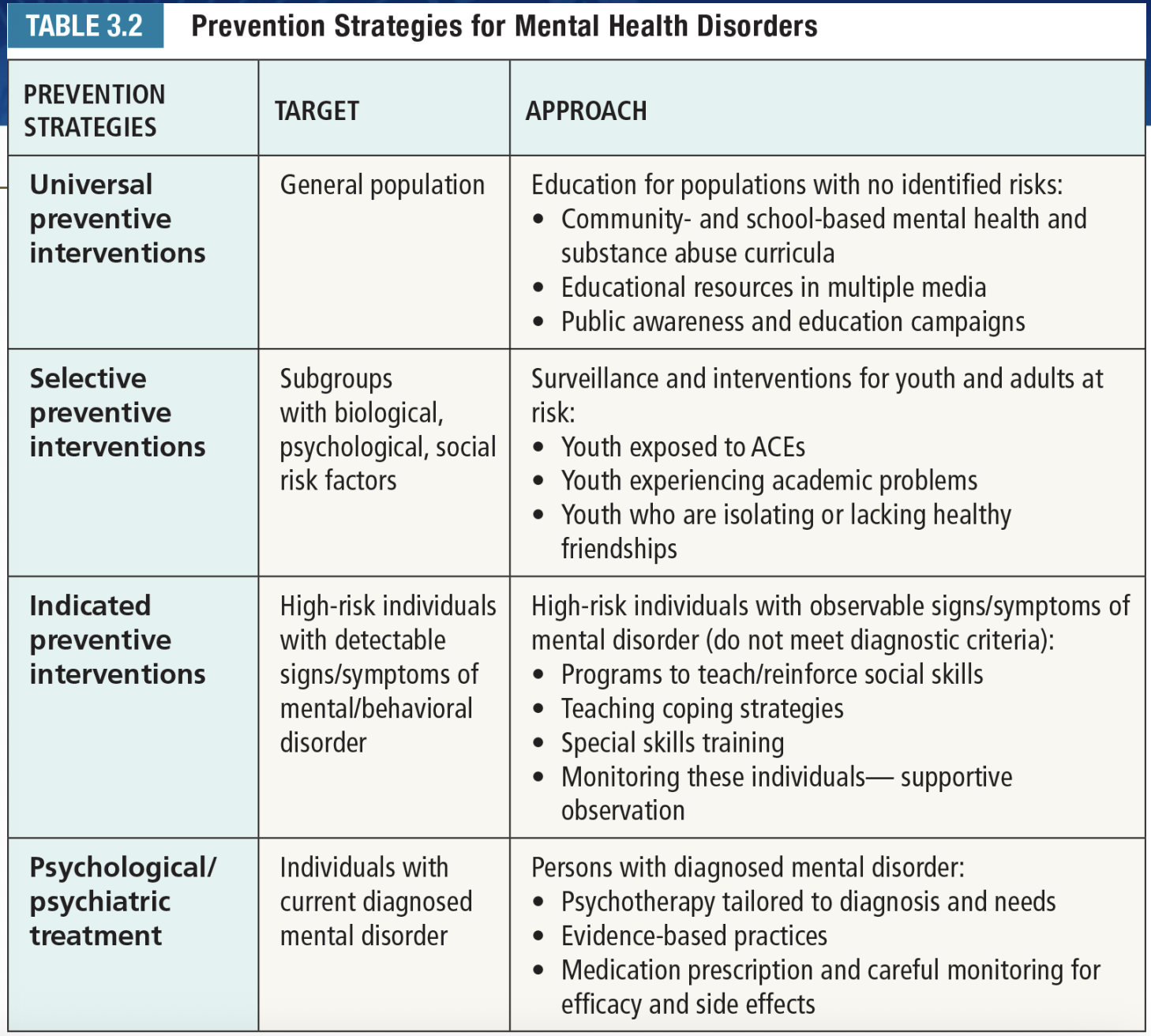
Applying Notions of Prevention to Local, National, and Global populations
Local - local governments providing preventative services
National - national screening and surveillance programs
Global - WHO and others support countries to develop national prevention protocols
Public health vs. Medical Care Approach
clinical medicine
concerned with diagnosis, understanding the pathology, identifying the optional treatment for individual patients
curing and caring for the patient are top priorities for the healthcare system
prevention-based public health approach
concerned with populations
aims to minimize the need for clinical interventions
means
identifying potential causes or determinants of disease
reducing the risk of exposure to these causes
reducing the risk of disease through a wise array of interventions
policies that promote health
altering the social conditions people live in
individual education
behavior change
Works through
identifying a health problem
identifying the cause or determinants
developing and testing interventions to prevent or control these determinants
implementing and monitoring these interventions to assess their effectiveness
Public Health
20th century - public health was focused on behavior modification and individual responsibility for health
21st century - focus on the collective health of entire communities and populations
social determinants of health
cultural and built environments that shape health