23- aquatic biomes
Aquatic biomes
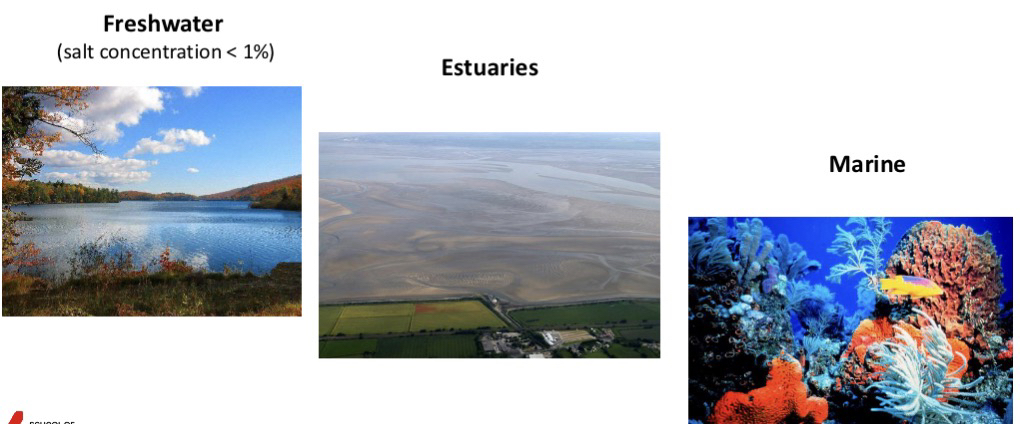
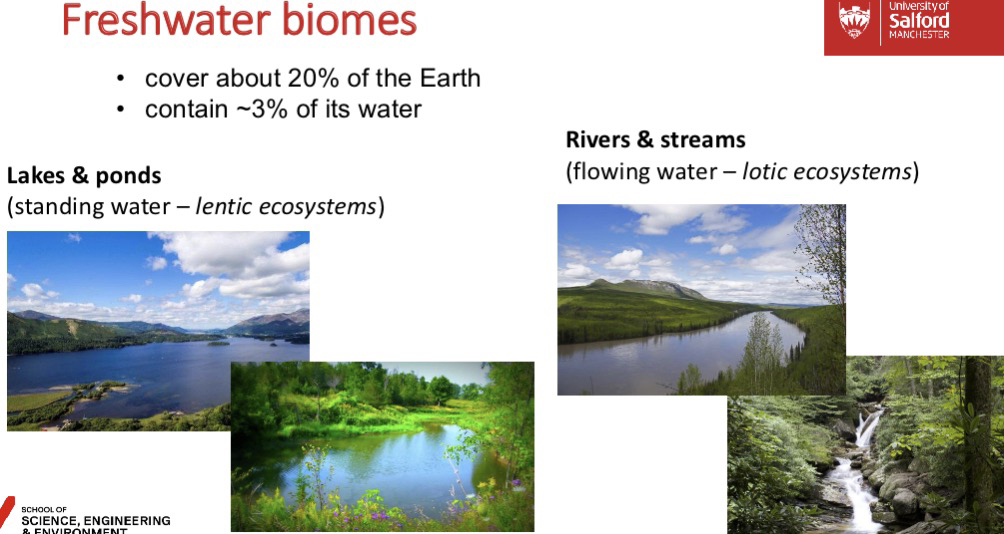
Some wetlands (depends on salt concentration)
Aquatic biomes – key abiotic factors
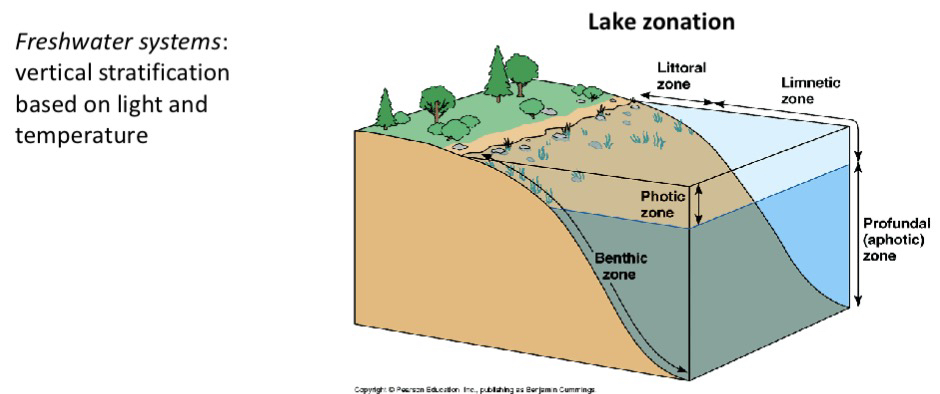
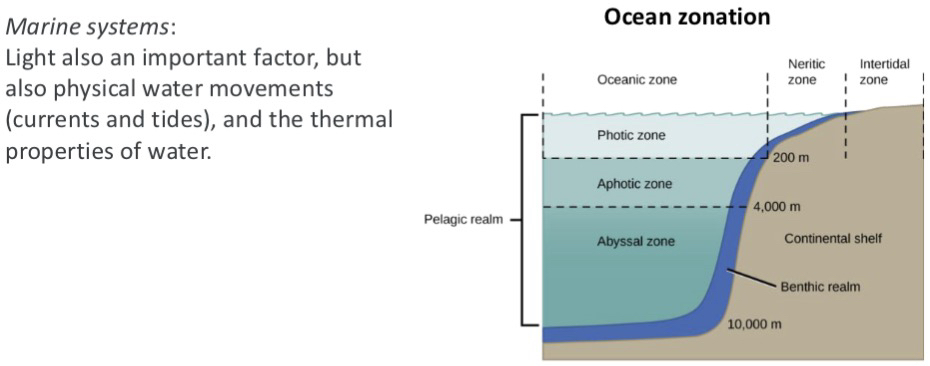
• Speed of water flow
• Depth
• Light levels
• Temperature
• Salinity
• Oxygen content
• Nutrients
• pH
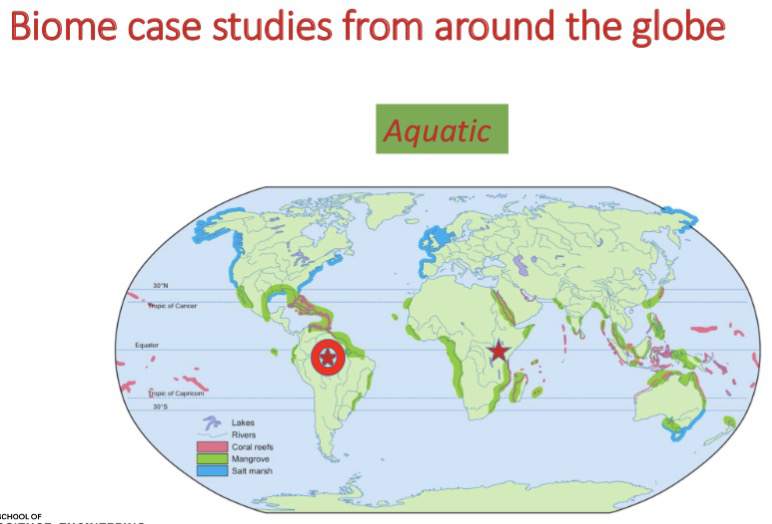
AMAZON RIVER
Where?
• Amazon basin: largest drainage basin
in the world (7,050,000 km2)
• covers parts of eight South American
countries – Brazil, Bolivia, Peru,
Ecuador, Colombia, Venezuela,
Guyana and Suriname, French guiana
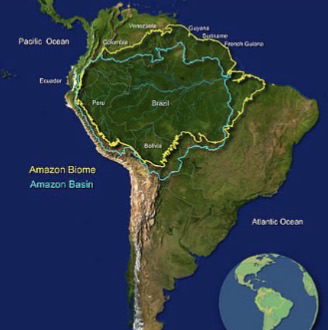
• largest river by discharge volume of water (209,000 m3/s, 20% of global freshwater discharge to the ocean!)
• "at least" 6,400 km in length - longest or second longest river in the world (debated!)
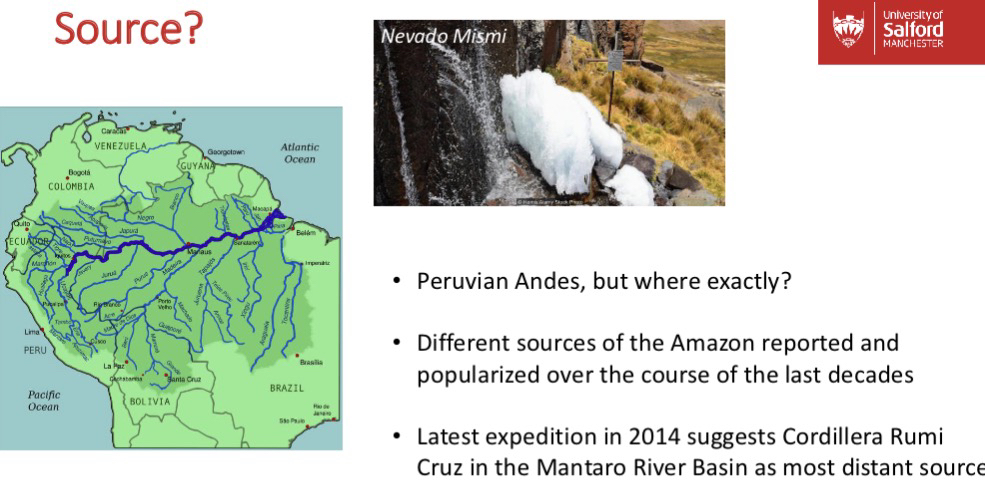
History of the Amazon River
• Amazon River originated ~11 million years ago and took its present shape approximately 2.4 million years ago
• Millions of years ago, the Amazon River once flowed from east to west, emptying into the Pacific Ocean!
• Formation of the Andes ~15 my ago (collision of Nazca and South American plate) blocked the flow of the river and caused the Amazon to become a vast inland sea, which gradually
became a massive swampy, freshwater lake
• Starting ~10 my ago, the flow of the river gradually reversed to its current eastern course.
MAMMALS
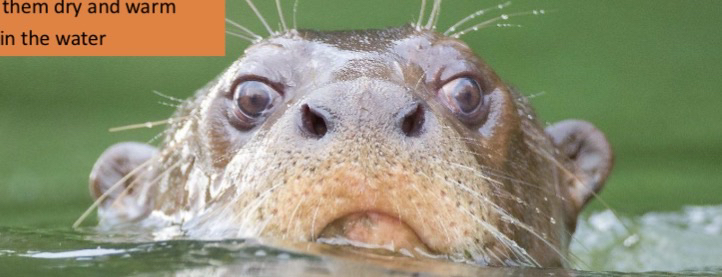
Giant river otter, Pteronura brasiliensis
• swim by propelling themselves with their powerful
tails and flexing their long bodies
• webbed feet
• water-repellent fur to keep them dry and warm
• nostrils and ears that close in the water
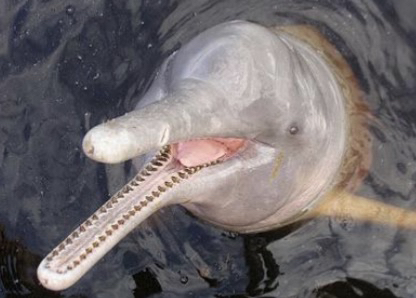
Amazon river dolphin, Inia geoffrensis
largest river dolphin: adult males reach length of 2.55m and weight of 185 kg
• males larger than females (unusual for cetaceans!)
• most diverse diet among toothed whales: > 50 species of fish, river turtles, crabs
• Orientation: echolocation!
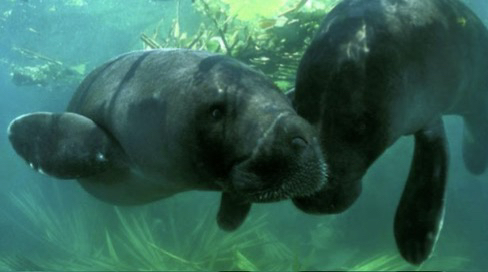
Amazonian manatee, Trichechus inunguis
• smallest species of manatee
• lacks nails on its flippers, as opposed to other manatees
• herbivorous diet
• undergo long seasonal movements, moving
from flooded areas during the wet season to
deep water-bodies during the dry season
Fish fauna
• Amazon: centre of diversity for Neotropical fishes, ca. 5,600 species - in less than 0.002% of the Earth's total liquid water supply
• Of the Amazon river’s large fish diversity less than 20 make up more than 80% of the commercial catch
—
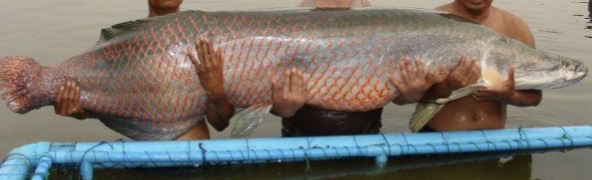
Pirarucu (Arapaima gigas)
up to 4.6 m / 200 kg
• capability to breath surface air: modified swim bladder containing lung-like tissue
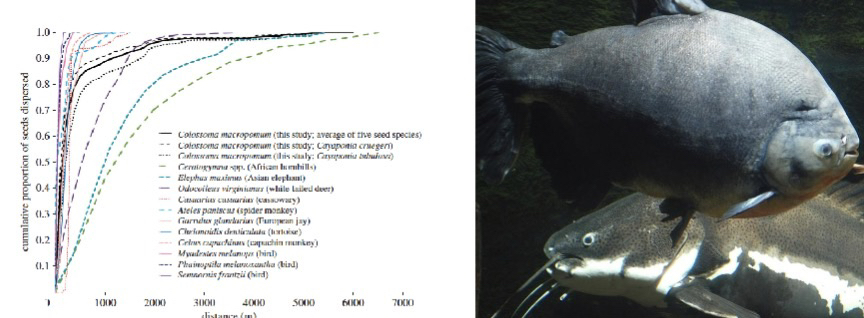
Tambaqui (Colossoma macropomum)
• Important seed disperser
• Now widely produced in aquaculture due to overfishing
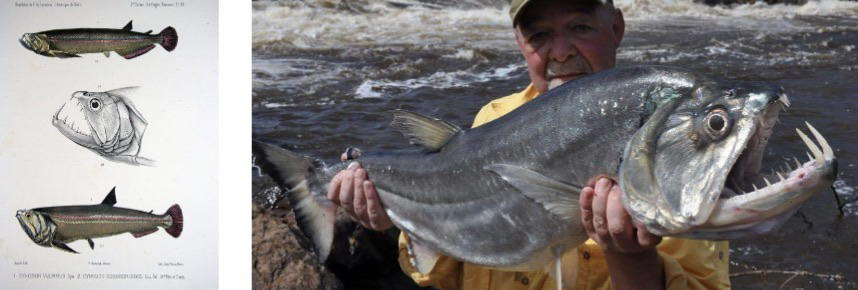
Payara (Hydrolycus scomberoides), Sabre-Toothed Tiger Fish
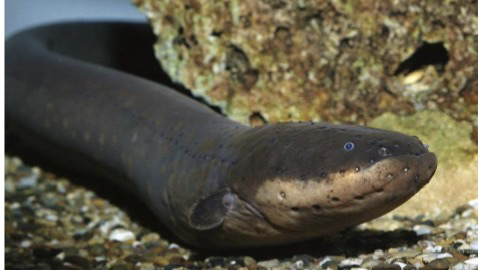
Electric eel, Electrophorus electricus
• Electric eels can generate an electrical charge of up to 600 volts in order to stun prey and keep
predators at bay
• electric organs comprised of about 6,000 cells
(electrocytes) that store electricity
• air breathers, i.e. must come to surface often
• poor eyesight, use low-voltage charge to navigate and locate prey (electrolocation)
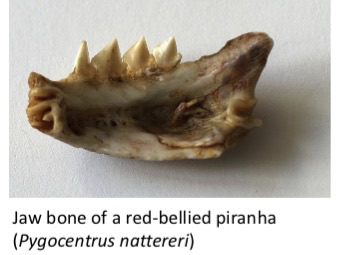
Piranhas
• several dozen species (taxonomy unclear)
• omnivores (fish, mammals, birds, reptiles, inverts, fruits, leaves…)
• finely serrated teeth
• strong bite force (large jaw muscles)
• reputation as ferocious predators that hunt their prey in schools, however recent research suggests they school as a means of protection from their own predators (e.g. cormorants, caymans)
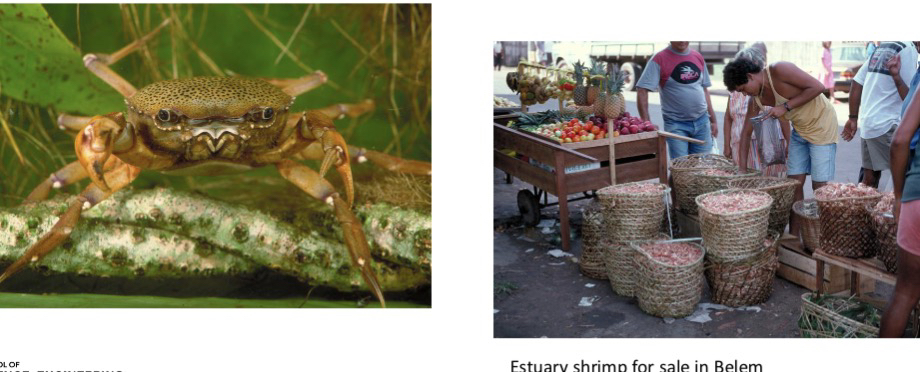
Crustaceans
• relatively rich freshwater shrimp and crab fauna, with each group represented by at least 30 species that might possibly be commercially exploited
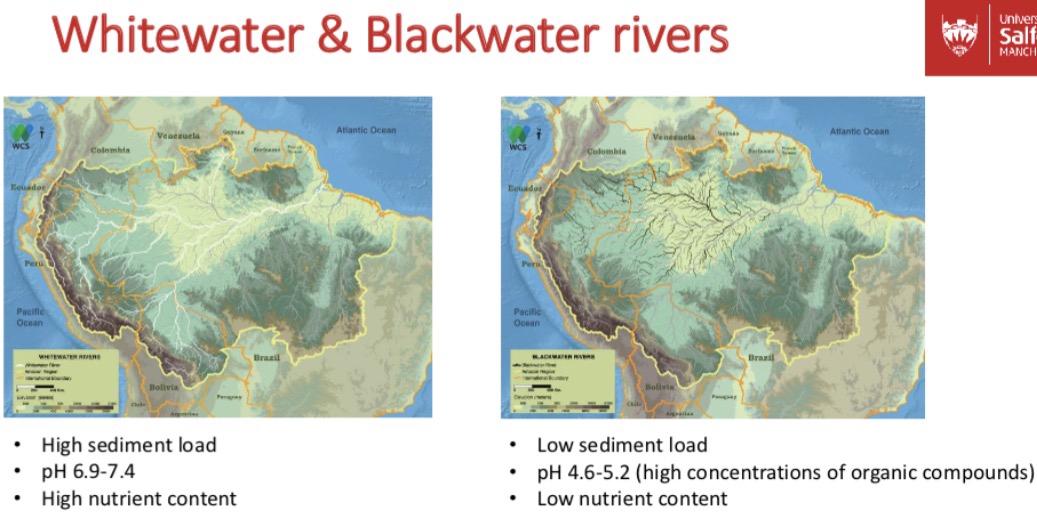
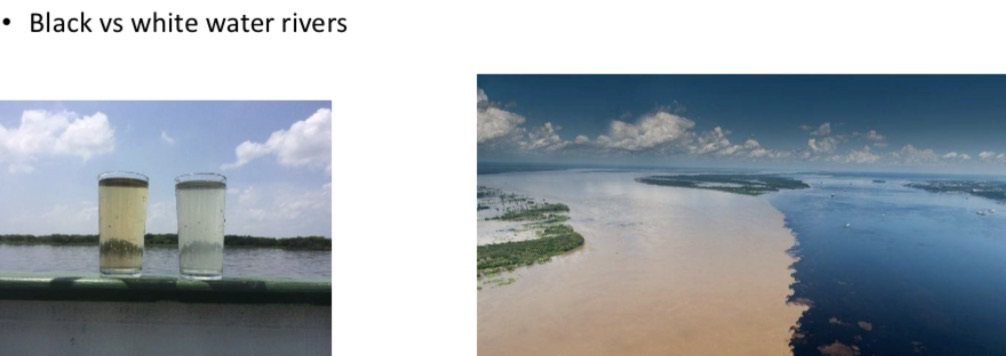
“Meeting of the Waters” near Manaus
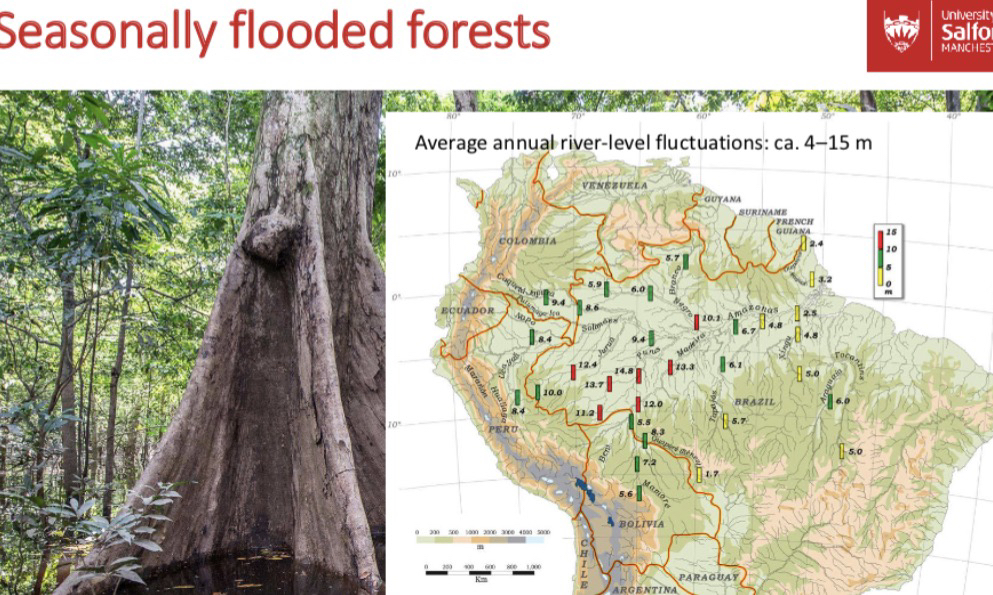
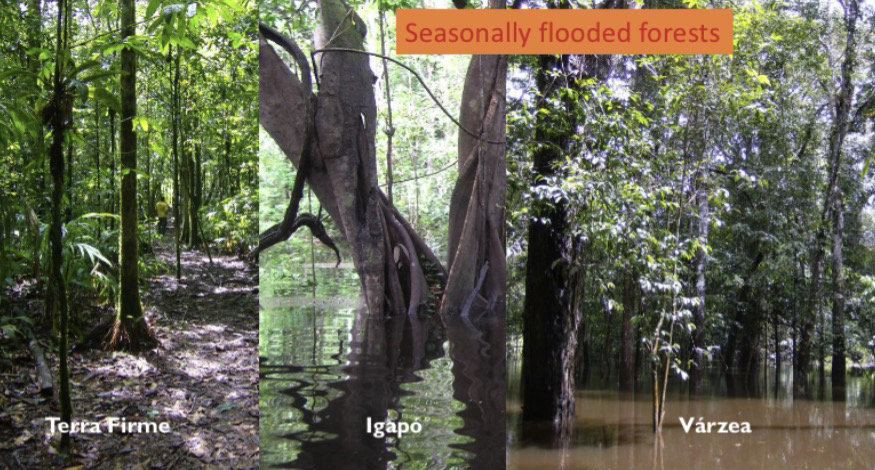
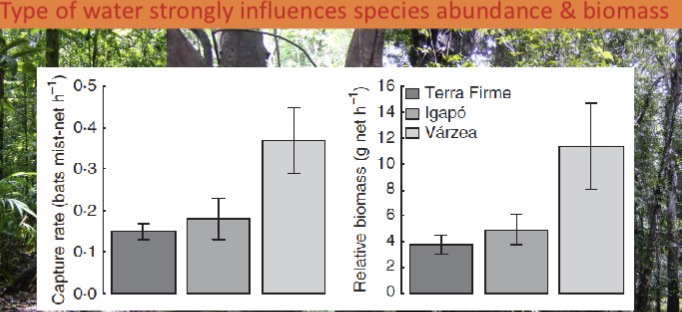
How do inundation patterns and water nutrient
load influence the distribution of species?
future…
• Numerous problems associated with large dams:
• interfere with the hydrological cycle and nutrient
flows
• restrict or block access to breeding and feeding
grounds for migratory fish species
• generate substantial greenhouse gas emissions
(methane!)
• flooding in the reservoir area can displace river-
dependent communities