Unit 10 - Cardiovascular Drugs (1)
Unit #10 - Cardiovascular Drugs
Objectives:
- List the 4 compensatory mechanisms of the cardiovascular system.
- List the 5 basic objectives in the treatment of cardiovascular disease.
- Understand the mechanisms the cardiovascular drugs work through (sympathetic vs. parasympathetic).
- Know the different types of cardiovascular drugs to explain what their indications are.
Compensatory Mechanisms of the Cardiovascular System:
- The cardiovascular system has a built-in reserve capacity which allows it to increase its output during times of need and to compensate for cardiac disease.
- The four basic compensatory mechanisms include:
- Increasing the heart rate
- Increasing the stroke volume. (amount of blood pumped out of the ventricles in 1 contraction)
- Increasing the efficiency of the heart muscle.
- Cardiac remodeling.
Objectives in the Treatment of Cardiovascular Disease:
Valvular disease: valves aren’t closing properly
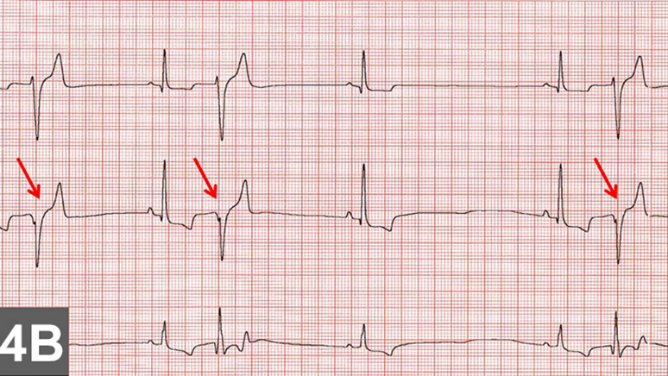
Cardiac arrythmias: irregular heart rate
Myocardial disease: myocardial thickens, DCM (diet related), hypertrophic cardiomyopathy in cats.
Congenital defects: born with them- nerve issues, hypotension/ hypertension, heartworm (depending on location)
- Basic objectives in the treatment of cardiovascular disease include:
- Control rythm disturbances
 Maintain or increase cardiac output.
- Increase the strength of contraction.
- Decrease afterload-resistance in the arteries
- Increase the oxygenation of the blood.
- Bronchodilation
- Ancillary Treatment
- Narcotics/sedatives
- Oxygen
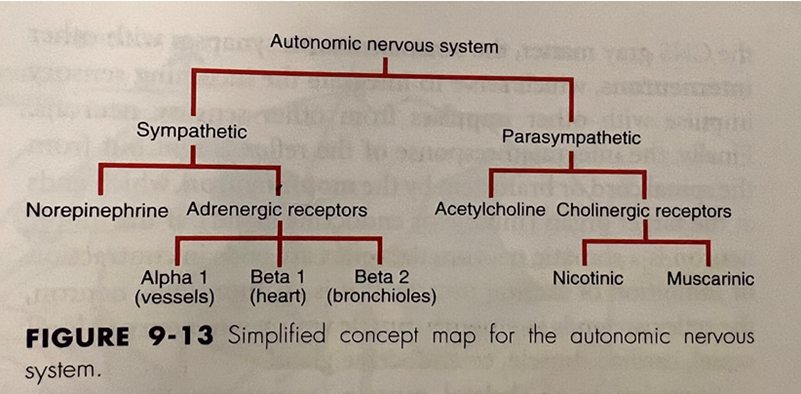
Autonomic Nervous System Review:
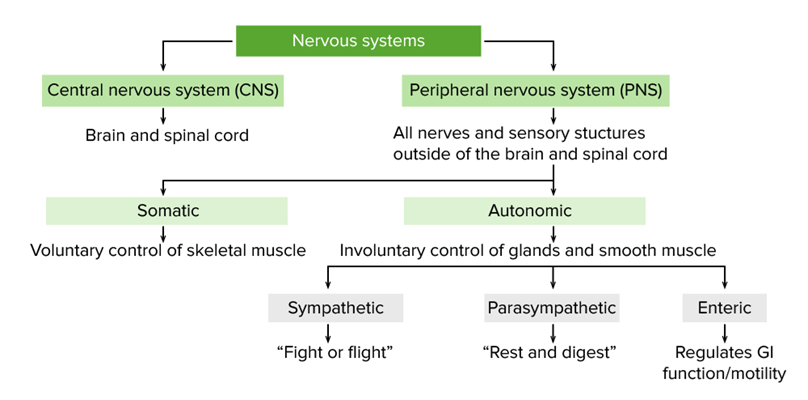
- The autonomic nervous system is a network of nerves throughout the body that control unconscious processes.
- These are things that happen automatically.
- Connects the brain to most of the internal organs.
- The autonomic nervous system breaks down into three divisions, each with its own job:
- Sympathetic nervous system. (Fight or flight response, transmitters are epinephrine and norepinephrine)
- Parasympathetic nervous system. (Rest and digest, neurotransmitter is acetycholine)
- Enteric nervous system.
Receptors in the Body for the Autonomic Nervous System:
- α1
- Smooth muscle of blood vessels in skin, gut, kidney
- Epinephrine → vasoconstriction
- Acetylcholine → vasodilate GIT, little effect on skin.
- Smooth muscle of blood vessels in skin, gut, kidney
- α2
- For nerve cells located mostly in CNS
- Norepinephrine, Epinephrine → mentally alert
- Acetylcholine → little effect
- For nerve cells located mostly in CNS
- ß1
- Heart
- Epinephrine → increases force of contraction and heart rate
- Acetylcholine → decreases heart rate
- Heart
- ß2
- Smooth muscle of bronchioles, uterus, gut
- Smooth muscle of blood vessels of heart and skeletal muscle
- Mast cells
- Epinephrine → relax smooth muscle, prevent mast cell release of histamine.
- Acetylcholine → contract smooth muscle of bronchioles, uterus, gut.
Pre-sympathetic terminals
CNS, inhibit parasympathetic response
All SM, glands, organs




Heart- Increase HR, increase contracton
Juxtaglomerular cells (kidneys)- increase BP, Increase blood volume.
All SM, glands, organs
ANS Actions on the Cardiovascular System:
- Epinephrine release:
- α1
- ↑BP
- ↓ blood flow to skin, kidney, gut
- α1
- α2
- Little effect on the cardiovascular system
- β1
- ↑HR and force of contraction
- β2
- Bronchodilation
- Vasodilation
- ↑ blood supply to heart and brain
- α2
- Acetylcholine release:
- α1:
- ↓ BP
- Vasodilation- gut and kidney
- No effect on skin vessels
- β1
- ↓ HR
- β2
- Bronchoconstriction
- α1:
Drug Types:
- There are several drugs with selective stimulation of the receptors.
- Drugs with same action → mimetics
- Parasympathomimetic
- Activate the parasympathetic system & mimic or modify the effects of acetylcholine.
- E.g. – Organophosphates
- Drugs with opposite action → lytics
- Parasympatholytic
- reduces the activity of the parasympathetic nervous system.
- E.g., Atropine
Cardiovascular Drugs:
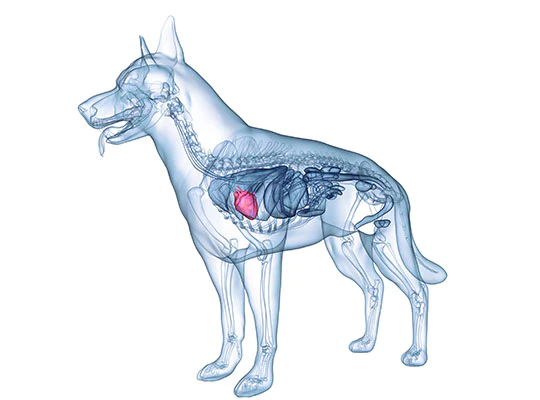
- Drugs which affect the ANS will have a variety of effects in the body.
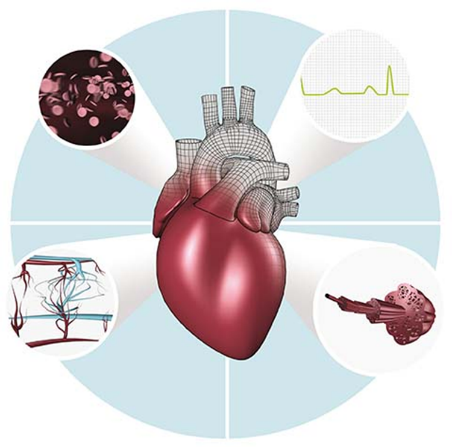 We choose drugs which target the specific organ or body part we need to influence.
 - 5 categories:
- Anti - arrhythmic - Negative inotropes- weakens hearts contractions and slows HR
- Positive inotropes- pump more blood with fewer heartbeats
- Anticholinergics
- Vasodilators
- Diuretics- used to eliminate excess fluid
** Urinary Incontinence Drugs are in their own category.
 Anti-arrhythmic = Negative Inotropes
Negative inotrope- slows the heart
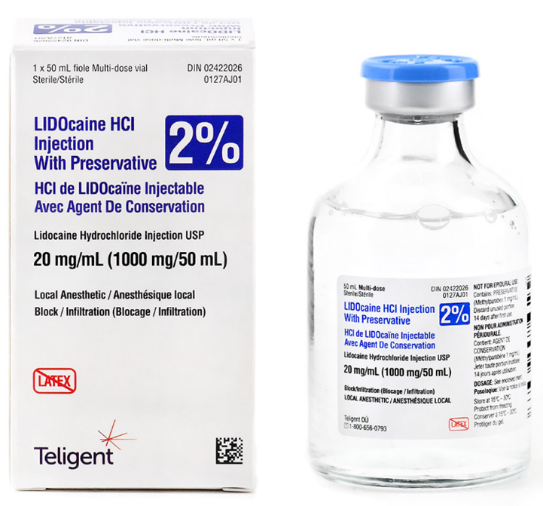
- Lidocaine
- Without epinephrine
- Sodium channel blockers so nerves cannot depolarize quickly.
- Used as IV bolus or infusion.
- Used for control of pre-ventricular contractions (PVC)
- Lidocaine HCl
 Adverse Side Effects:
- Cats much more sensitive to lidocaine than dogs
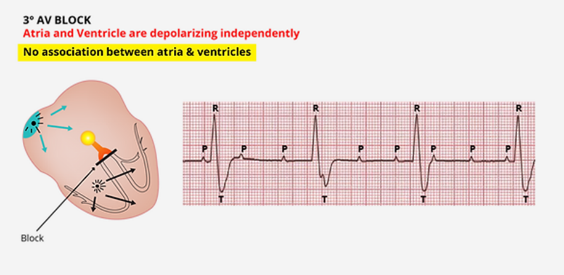
- Can cause a 3rd or complete A-V block.
- Toxic side effects in CNS
- Toxic dose 10 mg/kg
- Small overdose = sedation
- Larger overdose = seizures
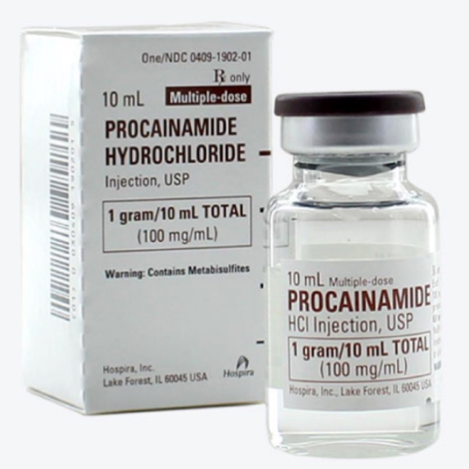
- Procainamide and Quinidine
- Human drug
- Same family of drugs as lidocaine
- Can be given orally
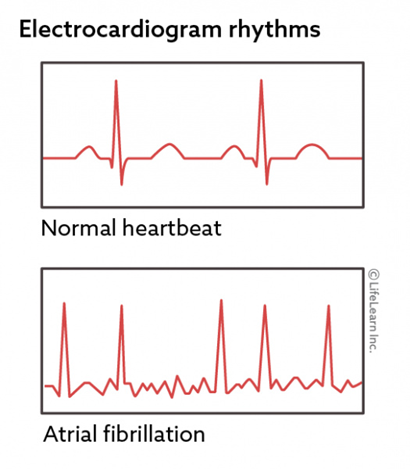
- Used for atrial fibrillation (A-fib), PVCs, and ventricular tachycardia.
- β1 blockers = β1 antagonists
- Block β1 receptors so blocks the SNS.
- Drugs in this group end in “olol”.
 Slow depolarization of heart
- slows heart rate.
Examples:
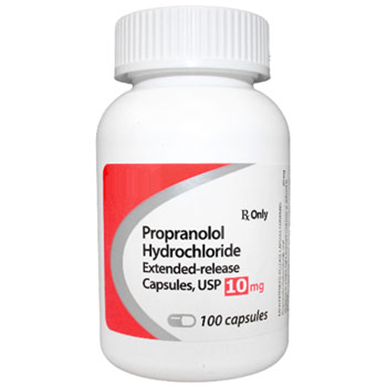
- Propanolol (Human)
- Carvedilol & Atenolol (Human)
- Newer β1 blockers = more specific to heart
- Less bronchoconstriction
- Newer β1 blockers = more specific to heart
Adverse Side Effects:
- Up-regulation of β receptors on heart
- Increases number of β receptors so will need more drug over time as there are more receptors to block.
- If withdraw β blocker quickly the heart becomes very sensitive to epinephrine
- Due to more receptors on heart
- Must slowly decrease dose to zero.
 Also blocks some β2 bronchioles → bronchoconstriction.
- Less so with newer drugs
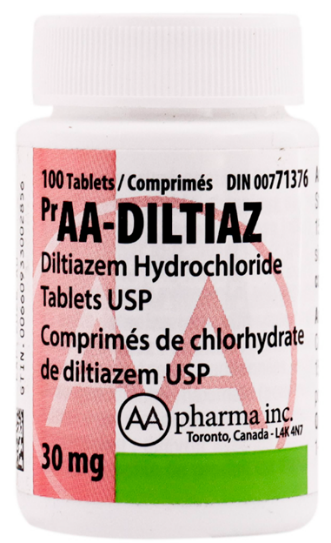
- Diltiazem
- Calcium channel blocker
- Human drug
- Used for cats with hypertrophic cardiomyopathy.
**Caution with all negative inotropes – Do not use in CHF animals
- Positive Inotropes
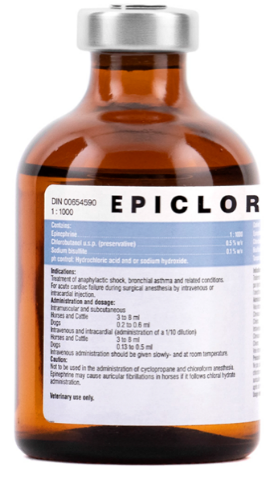 Increase strength of contraction of heart by increasing availability of calcium.
Examples:
- Epinephrine
- Stimulates most α and β receptors.
- Used for cardiac standstill
- Very short half-life
- Dopamine
- Human drug
- More selective than epinephrine
- Stimulates myocardial contractions.
- Some CNS stimulation
Adverse Side Effects:
- Short half live
- Downregulation
 Heart decreases number of β receptors and is less responsive over time.
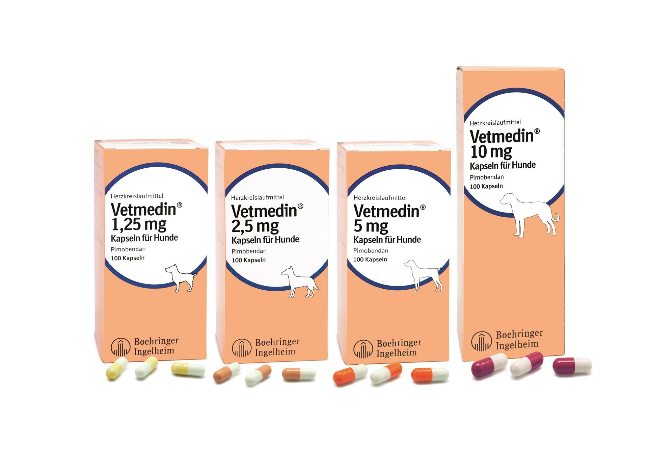
- Pimobendan
- Acts as both a vasodilator and a positive inotrope.
- Treats CHF due to dilated cardiomyopathy (DCM) in dogs
- Vetmedin®
- Anticholinergic
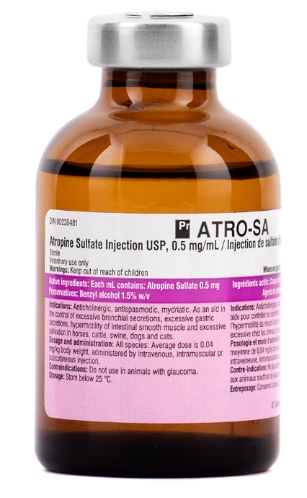
- Atropine
- Works against acetylcholine
- Parasympatholytic
- Used to treat bradycardia, reduce salivation and bronchial secretions before surgery or as an antidote for overdose of cholinergic.
- Vasodilators
- Counteract arterial vasoconstriction caused by the SNS.
- Responding to decreased blood pressure due to Congestive Heart Failure
- Reverse vasoconstriction
- Start off slowly or can cause hypotension
- Seen as lethargy, ataxia, syncope.
RAAS- Renin-angiotensin-aldosterone system
-Markers all over the body that can detect when blood pressure drops, kidneys release renin combines with angiotensin. Compensatory system that kicks in when blood pressure drops
Examples:
- Arterial Vasodilators
- Amlodipine
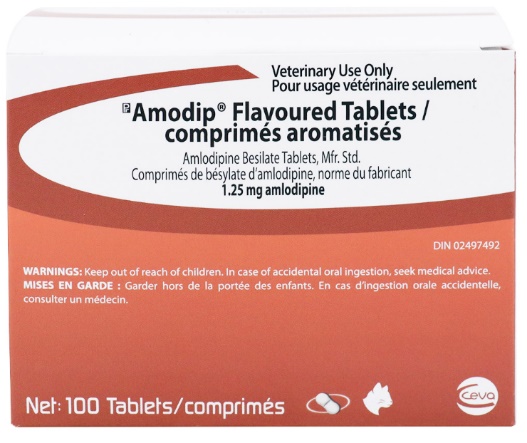 Antihypertensive/Antianginal
- Classified as a calcium channel blocker.
- Relaxation of smooth muscle lining the arterioles
- Used to treat secondary hypertension in cats with hyperthyroid, chronic renal disease, or diabetes mellitus.
- Hydralazine
- Causes arteriolar smooth muscle to relax.
- Used to treat Congestive Heart Failure (CHF)
- Venous Vasodilators
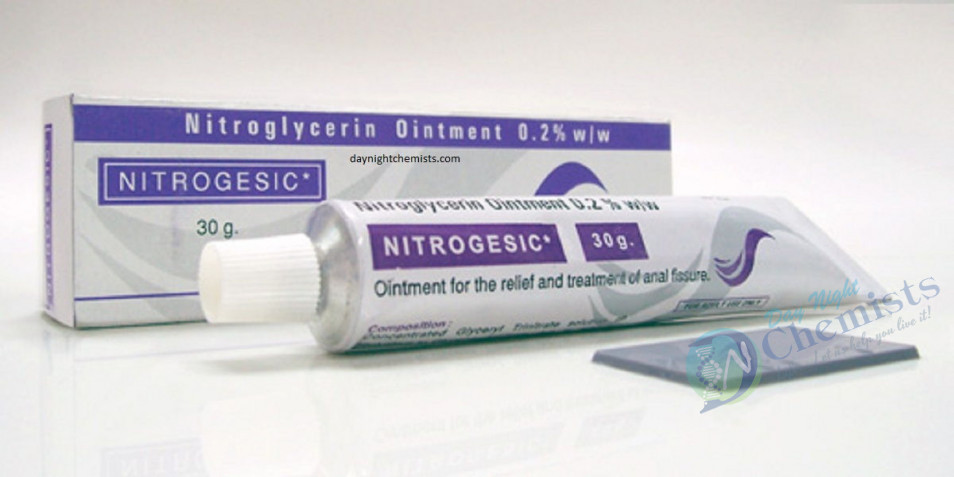
- Nitroglycerin
- Human drug
- Used to treat pulmonary edema from CHF and improve cardiac output.
- Dilates coronary arterioles so improves blood flow to the myocardium.
- Significant first pass effect = not given PO
- Applied as a topical cream (use gloves!)
 Mixed Vasodilators
- Used to treat Congestive Heart Failure
- Drugs often end in “pril
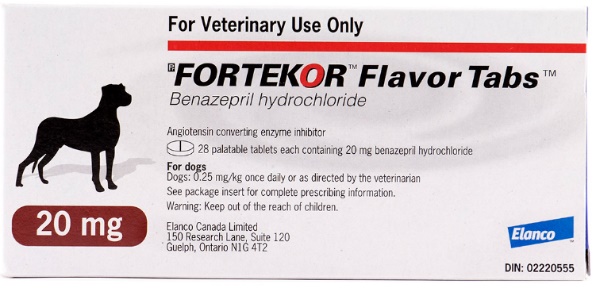
- Enalapril
- Benzaprol (Fortekor®)
Adverse Side Effects:
- ↓ K excretion in the kidneys so can see hyperkalemia
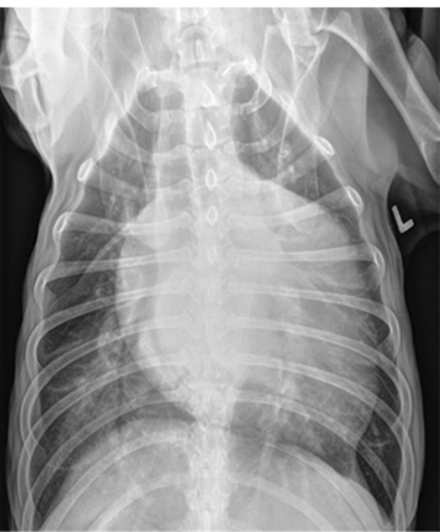 Diuretics
- Remove excess fluid by increasing water loss in urine.
- Used to treat pulmonary edema from CHF or cerebral edema.
- All diuretics have their action by either:
- Preventing reabsorption of either Na or K from renal tubules.
- Increasing secretion of either Na or K from renal tubules.
- The Na or K takes water with it by osmosis to be secreted in the urine.
 Examples:
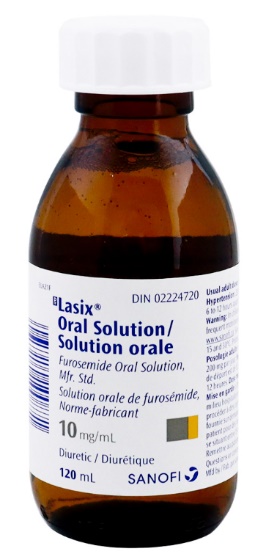
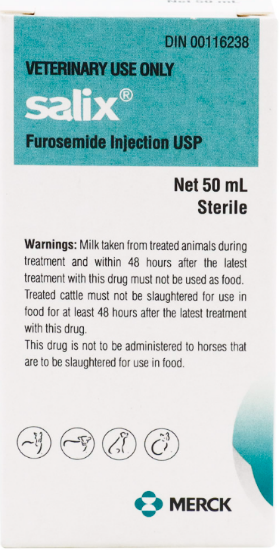
- Furosemide
- Loop diuretic (Loop of Henle)
- Prevents reabsorption of Na from urine which osmotically retains water in the urine.
- Salix®
- Lasix®
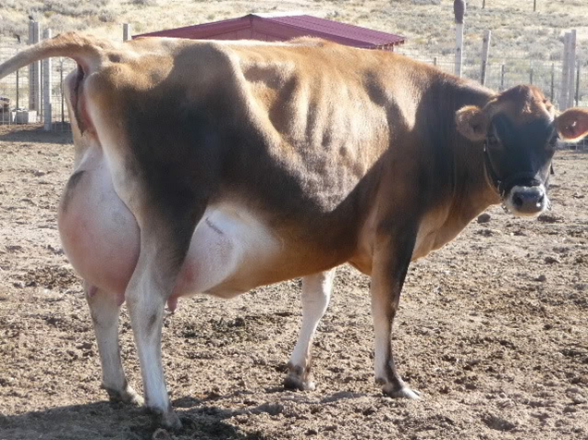 Since Na is so important to the body, the DCT then reabsorbs the sodium in exchange for potassium.
- Hyponatremia- low sodium
Adverse Side Effects:
- Cause K+ loss which effects heart function
- Ototoxicity
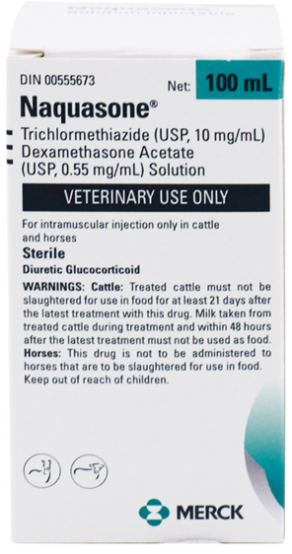 Trichlormethiazide
- Inhibit reabsorption of Na and Cl
- Naquasone®
- Inhibit reabsorption of Na and Cl
- Naquasone® also has dexamethasone for inflammation.
- Injection for cattle and horses
Adverse Side Effects:
 Na will be reabsorbed in exchange for K so can also get hypokalemia.
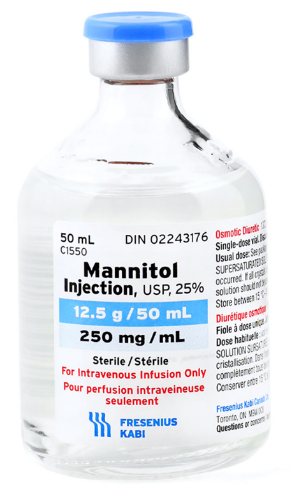
- Mannitol
- Carbohydrate (sugar)
- Osmotic diuretic
- Used for cerebral edema
- Alleviates pressure in the eyes
Miscellaneous Cardiovascular Drugs:
- Acetylsalicylic Acid = Aspirin®
- Interferes with platelet clumping.
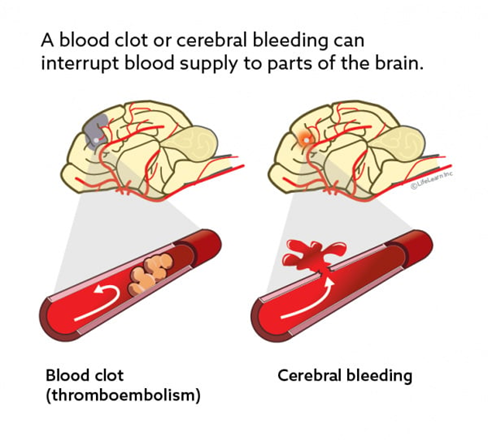
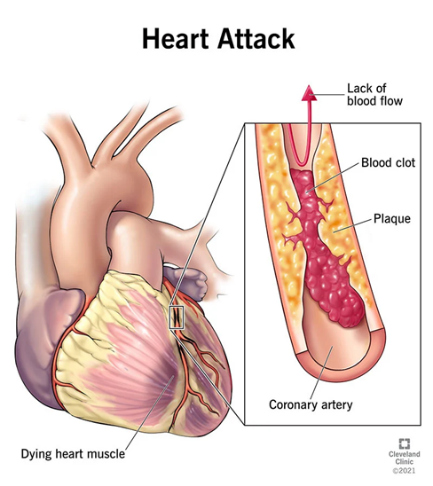
- Spontaneous formation of platelet plugs (thrombi) occurs in cardiomyopathies.
- Aspirin will prevent formation of thrombi which prevents emboli breaking off and going to the brain (stroke) or to the heart muscle (myocardial infarcts).
 Urinary Incontinence:
- Sympathomimetic Agents =
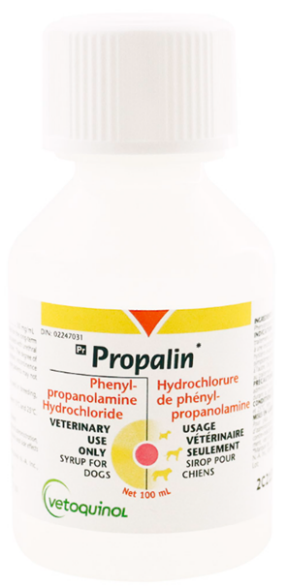
aadrenergic- Phenylpropanolamine
- Propalin®
- Stimulates the urethral sphincter muscle.
- Used in spayed female dogs.
- Do not use with CV drugs such as β blockers or Atropine.
Adverse Side Effects:
- Behavioral – aggression, restless
- Cardiovascular – tachycardia
- Vomiting/diarrhea
- Seizures
Review Questions
- What are the neurotransmitters for the ANS?
- What effect does epinephrine and acetylcholine have on the α1, α2, β1 and β2 receptors in the cardiovascular system?
- What effect would a sympathomimetic drug have on the heart? bronchi?
- What effect would a parasympatholytic drug have on the heart? bronchi?
- What effect does a negative inotrope have on the heart? A positive inotrope?
- Which type of lidocaine is used for heart arrhythmias? Why?
- Review Questions
- What does upregulation or downregulation of receptors mean?
- How does vasodilation help an animal with CHF?
- Why should you use gloves when applying nitroglycerin ointment?
- What effect does a diuretic have? How does Furosemide work? What are the possible side effects?
- What type of drug is used to treat urinary incontinence? How does it work and what are the side effects?