electricity
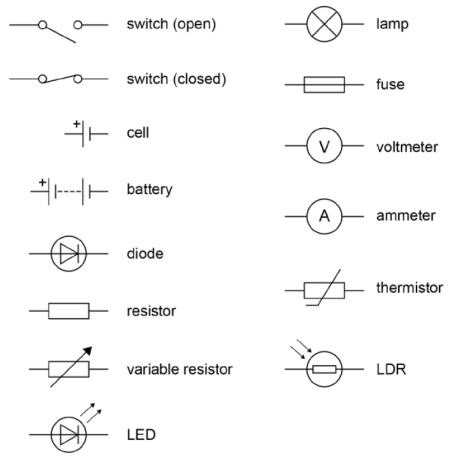
Circuit Symbols
Electric Charge and Current
for charge to flow:
circuit must be closed
there must be a source of potential difference
current = the flow of charge
charge = current x time
charge in coulombs (C), current in amperes (A) and time in seconds (secs)
in a single close loop, the current has the same value at every point
the current through a component is dependent on the resistance and potential difference through it
the greater the resistance, the smaller the current (for a given pd)
potential difference = current x resistance
potential difference in volts (V), current in amperes (A) and resistance in ohms (Ω)
Resistors
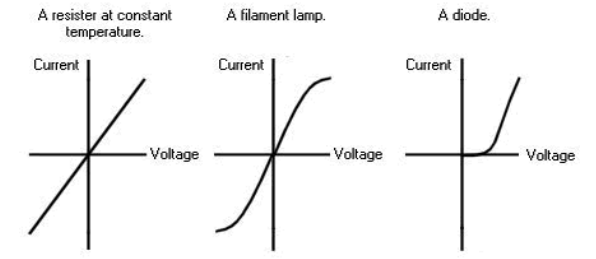
if the resistance is constant (ohmic conductor = device that follows ohm’s law) current is directly proportional to potential difference so the graph is linear
if the resistance of components such as lamps, diodes, thermistors and LDRs is not constant it changes with the current through the component so the graph is not linear
eg. resistance of filament lamp increases as temp increases
eg. current through a diode flows in only one direction as it has a high resistance in the reverse direction
How does the resistance change?
with current
as current increases, electrons have more energy
when electrons flow through a resistor, they collide with the atoms in the resistor
this makes it more difficult for electrons to flow through the resistor
so resistance increases and current decreases
with temperature
normal wires - the same process above occurs as atoms vibrate when hot
thermistor = as temperature increases, resistance decreases - these are often used in temperature detectors and thermostats
with light
LDR (Light Dependant Resistor) = the greater the intensity of light, the lower the resistance - these are used in automatic night lights
with length
the greater the length, the more resistance
electrons have to make their way through more resistor atoms, so it is hard than using a shorter wire
with voltage
diodes = allow current to flow freely in one direction but have high resistance in the other direction so no current can flow
Series and Parallel Circuits
series
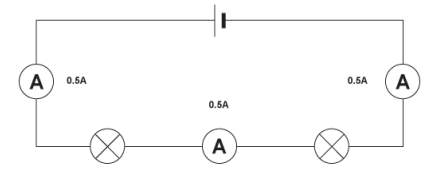
closed circuit
current only follows a single path and is the same everywhere
total resistance = R1 + R2 + … (R of each component)
potential difference is shared across the whole circuit
can only switch everything off at once
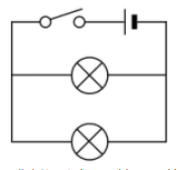
parallel
branched circuit; current splits into multiple paths
current is shared across branches (not always equally)
the potential difference is the same across each branch
two resistors in parallel will have a smaller overall resistance than just one because charge has more than one route to take so only some will flow along each branch
Domestic Uses and Safety
Mains
mains electricity is an AC supply - in the UK the domestic electricity has a frequency of 50 Hz and voltage of 230 V
AC = alternating current; current continuously varies from +ve to -ve - current changes direction
DC = direct current; current moves in one direction only - supplied by calls and batteries
Cabling
Live wire | Neutral wire | Earth wire |
brown wire | blue wire | green and yellow wire |
|
|
|
Power
the amount of energy transferred per second; directly proportional to current and voltage
energy is transferred from chemical potential in the batteries to electrical energy in the wire to any form of useful energy in the device they power
energy transferred = charge x potential difference
energy in joules (J), charge in coulombs (C) and potential difference in volts (V)
energy transferred = power x time
energy in joules (J), power in watts (W) and time in seconds (secs)
Energy Transfers in everyday appliances
Electrical energy can be transferred by the appliance in different ways:
kinetic energy for a motor, thermal energy in a kettle
work done = when charge flows through a circuit; is equal to energy transferred as all the electrical energy (ideally) gets transferred to the appliance
power rating shows power used in watts so higher power rating means more energy used
National Grid
a system of cables and transformers linking power stations to consumers across the UK
electrical power is transferred from power stations to consumers using the National Grid
Transformers
these change the potential difference
step-up transformers
increase voltage from the power station to the National Grid
as power is constant, current decreases so less energy is lost
step-down transformers
decrease voltage from the National Grid to the consumer for consumer safety
Charge
a property of all matter
opposite charges attract and the same charges repel
Insulators don’t conduct electricity
their electrons cannot flow throughout the material; they’re fixed
Conductors can conduct electricity
their electrons can flow; they’re delocalised
Static Electricity
when two insulators are rubbed together:
electrons are transferred from one object to the other
this forms a +ve charge on one and a -ve charge on the other so they attract
if conductors were rubbed:
electrons would flow in/out of them cancelling out any effect
sparking occurs when enough charge builds up, the objects are close but not touching
the “spark” is when the charge jumps from the highly negative object to the highly positive object to balance out the charges
Forces Exerted
the charged objects experience a force - electrostatic force of attraction / repulsion
greater charge = greater force
closer together = greater force
non-contact force (can be felt when object aren’t touching)
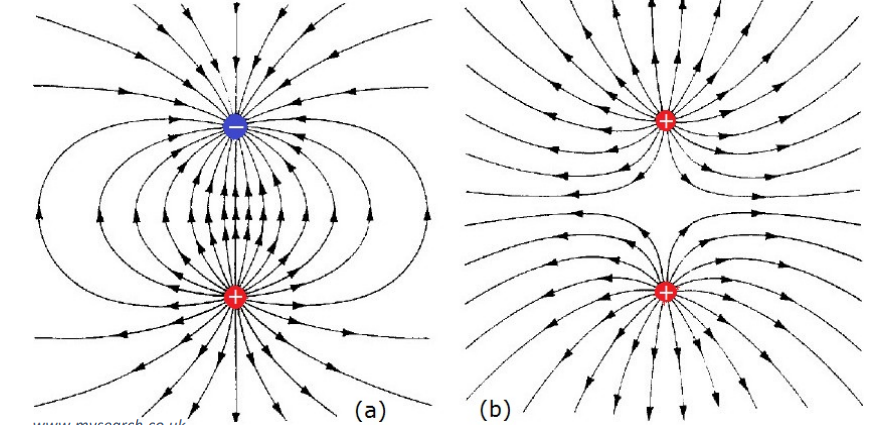
Electric Fields
arrows represent the direction a positive charge would go
closer to the charge = stronger force felt
more field lines = stronger charge and force felt