Pathophysiology
Pathophysiology: The study of abnormal changes in the body functions that are the causes, consequences, or concommits of disease processes.
Homeostasis: Homeostasis is the self-regulating process that our bodies do when adjusting to conditions in order to maintain a stable, relatively constant internal environment.
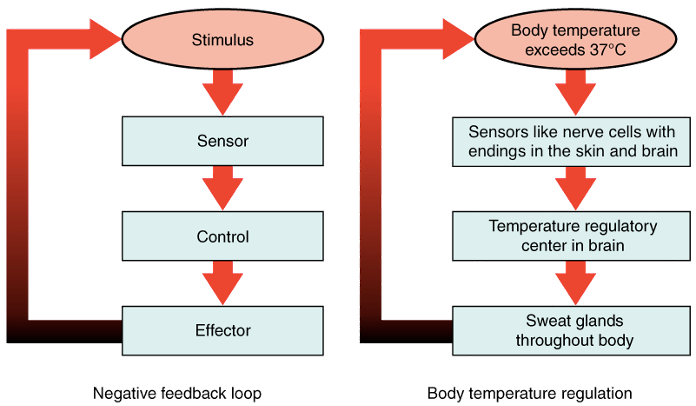
Body temperature is regulated by negative feedback. The stimulus is when the body temperature exceeds 37 degrees Celsius, the sensors are the nerve cells with endings in the skin and brain, the control is the temperature regulatory center in the brain, and the effector is the sweat glands throughout the body.
Hypoxia: Low oxygen saturation
Free Radicals: Unstable molecules that cause biochemical aging, especially wrinkling and sagging of the skin
Antioxidants: Organic molecules that help protect the body from harmful chemicals called Free Radicals
Atrophy: Any progressive decline or failure of a body organ or tissue
Hyperatrophy: The enlargement of a body organ or tissue from the increase in size of its cells
Hyperplasia: increase in number of cells
Metaplasia: Mature cell type is replaced by a different mature cell type
Dysplasia: Abnormal development or growth of cells, tissues or organs
Apoptosis: process of programmed cell death
Necrosis: tissue death
Hypoxaemia: An abnormally low concentration of oxygen in the blood
Interstitial Fluid: Fluid in the spaces between cells
Aetiology: the cause, the set of causes, or the manner of causation of a disease or condition
7.35-7.45 - The normal range of Blood Ph
Causes of Cellular injury
Oxygen Deprivation: can lead to cellular injury through processes such as ischemia, where a lack of blood flow reduces oxygen supply.
Physical Agents: include factors such as trauma, temperature extremes, and radiation, all of which can directly damage cells and contribute to injury.
Chemical Agents: involve substances like drugs, alcohol, and environmental toxins that can disrupt cellular function and result in various forms of injury.
Infectious Agents
Immunologic Reactions
Genetic Derangements
Nutritional Imbalances