What is a species
Biological Terminology
Species: [ \text{species} ] - A basic unit of biological classification.
Demes:
Defined as a small local population where individuals are not identical but resemble each other more than other demes.
Exhibit genetic similarity, akin to a family group or “tribe”.
Share similar environmental influences.
Not considered permanent units.
Cline Formation
Cline: A gradient of variation among species across a geographical area.
Example of Cline:
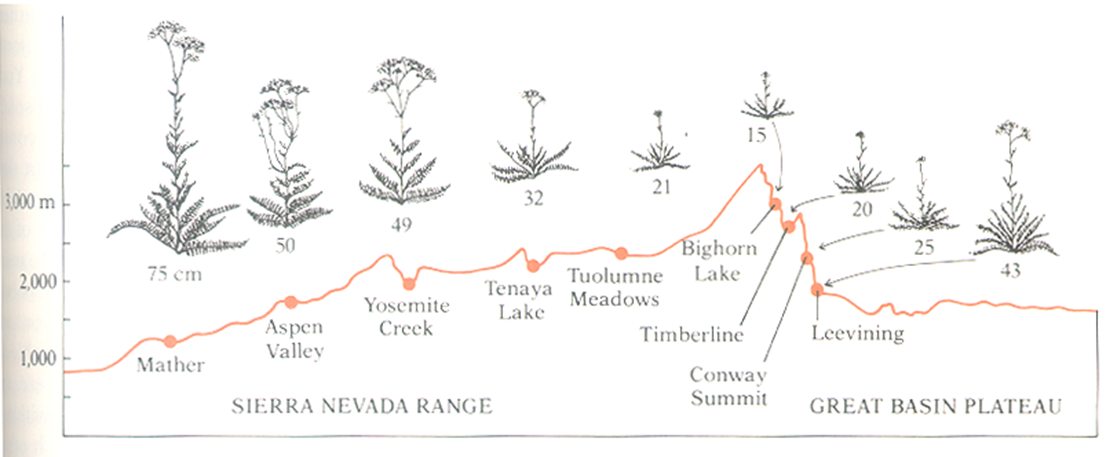
Altitudinal Clines:
Observed in the height of milfoil, Achillea lanulosa.
Variation not due to physiological stress responses, since traits are heritable.
Human Clines
Skin Colour Variation:
Human skin displays extensive variations in pigmentation.
Linked to adaptation from hairlessness; with reduced body hair, enhanced skin protection is necessary.
Melanin serves as sunscreen for the skin.
Clear cline in skin pigmentation among human demes.
Implications of Skin Pigmentation
Health Effects of Skin Pigmentation:
Light-skinned individuals exposed to strong sunlight risk a 50% loss in folate levels within one hour.
Increased risk of neural tube defects such as spina bifida- a condition where the arches of the spinal cord fail to close.
Decreased spermatogenesis, with folate being essential for DNA synthesis in dividing cells.
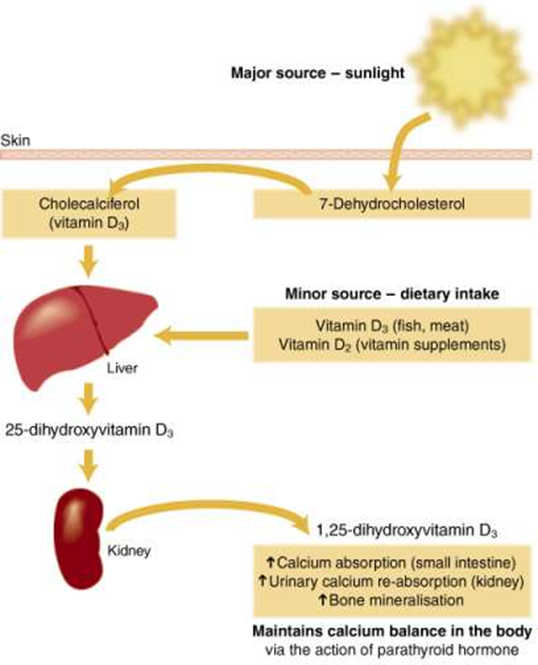
Vitamin D and Folate Balance
Vitamin D Deficiency:
Folate levels must be balanced with the UV-B rays needed for vitamin D synthesis.
Vitamin D is crucial for calcium absorption.
A deficiency in vitamin D leads to conditions like "Rickets".
Adaptive Solutions Based on Skin Colour
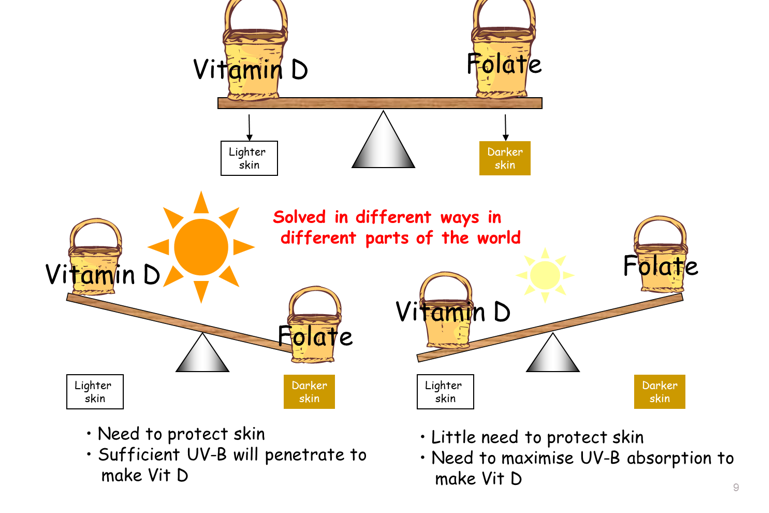
Locations with different skin colours adapt in distinct ways based on environmental factors:
Lighter skin individuals protect against excessive UV-B, while also facilitating vitamin D synthesis.
Darker skin individuals maximize UV-B absorption to produce sufficient vitamin D.
Species Concept Definitions
Phenetic Characters:
Species are often recognized and defined by observable phenetic characters.
However, these characters may not uniformly appear in all members of a species.
Variation alone does not justify defining separate species.
Types of Species Concepts:
Biological Species Concept:
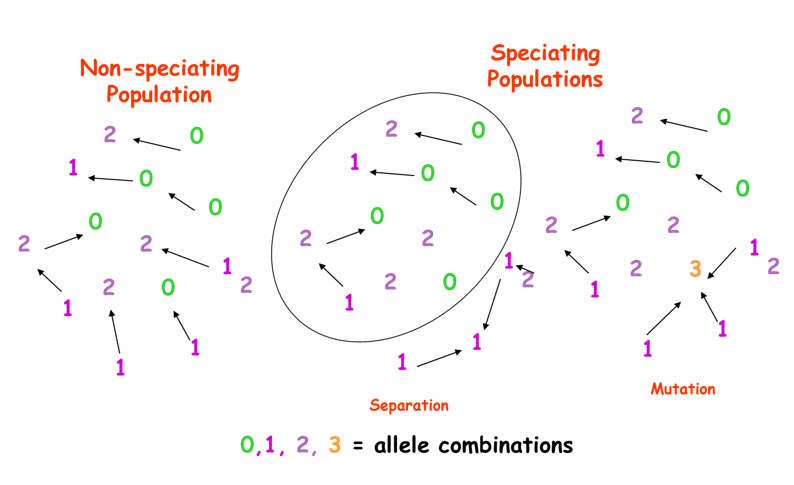
Defines species as groups of organisms that can interbreed among each other and are reproductively isolated from other groups.
Emphasize sexual reproduction, creating uniform genetic traits through recombination, while promoting isolation as a barrier to gene flow. (Defined by Dobzhansky, 1937)
Recognition Species Concept:
Defines species as a set of organisms that recognize each other as mates, sharing a mate recognition system.
Cladistic (Phylogenetic) Species Concept:
Defines species as lineages of populations between two phylogenetic branch points or speciation events, increasingly leveraging DNA analysis.
Variability within Species Concepts
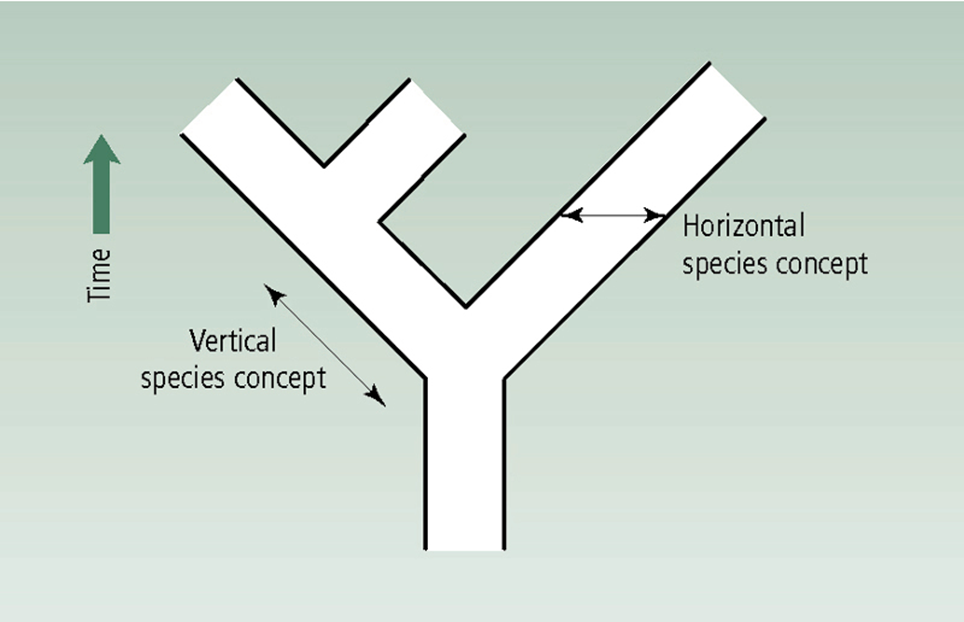
Species concepts can be understood both horizontally and vertically:
Horizontal Species Concept:
Attempts to define species at a specific time point.
Vertical Species Concept:
Attempts to define species through evolutionary time, considering their historical development.
Hybrid Speciation
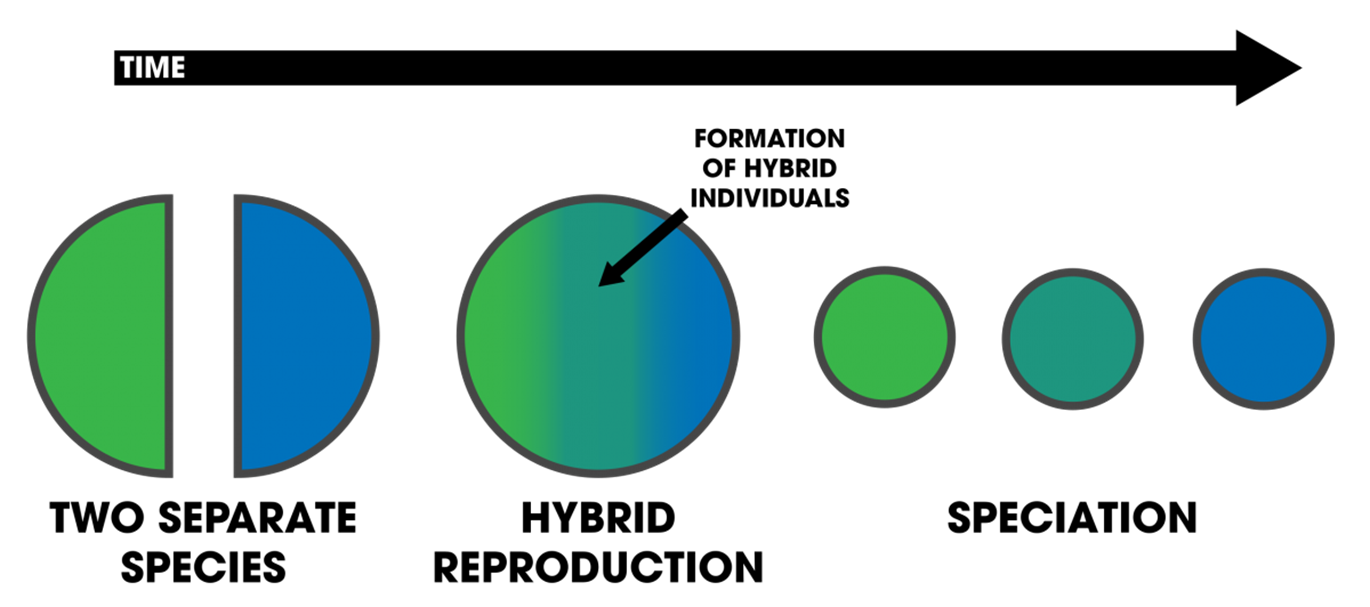
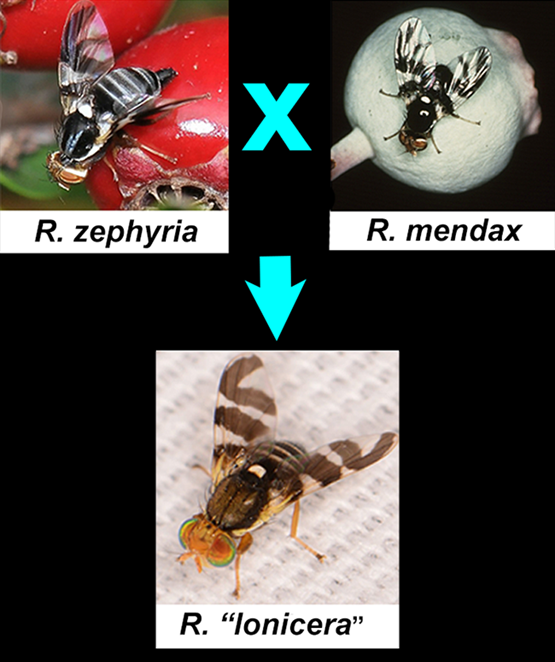
Definition: The formation of a third species from the mating of two distinct species, leading to a reproductively isolated group from both parental species.
Process:
Two separate species exist.
Hybrid individuals emerge from mating.
Reproductive isolation leads to speciation.
Example and Diagram of Hybrid Speciation
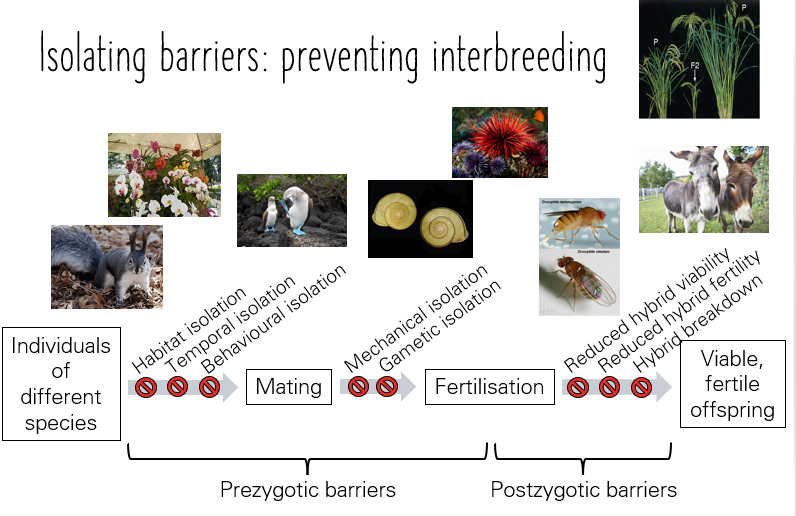
Isolating Barriers
Definition: Mechanisms that prevent interbreeding between species.
Barriers include: